


18th Century Overmantel
An 18th century overmantel brings historic architectural weight and reflective depth to a chimney breast, offering grand proportions and hand-carved ornamentation.
18th Century Overmantel
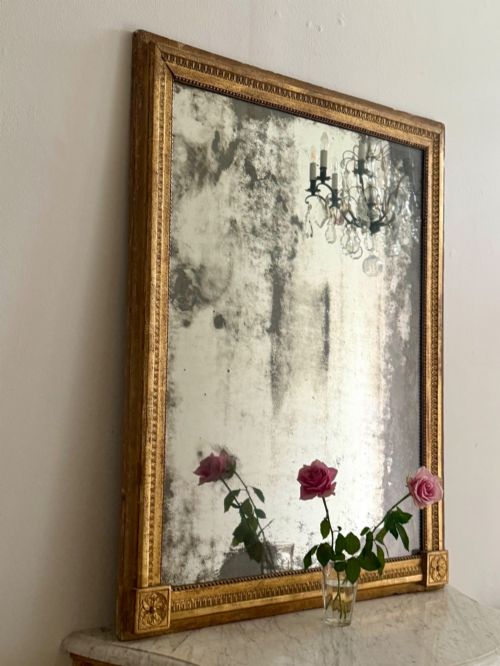
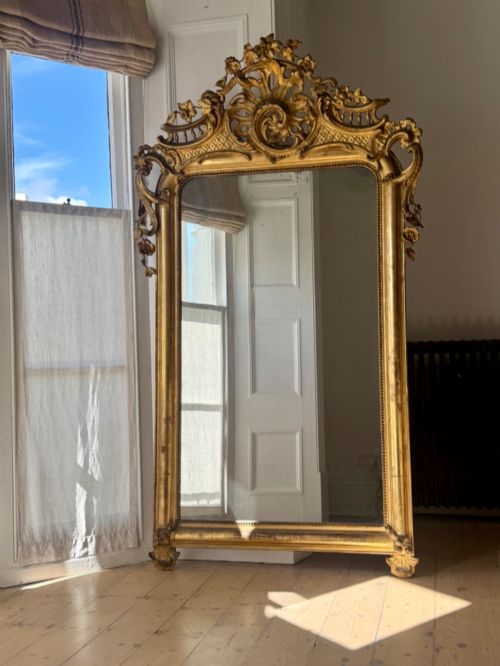
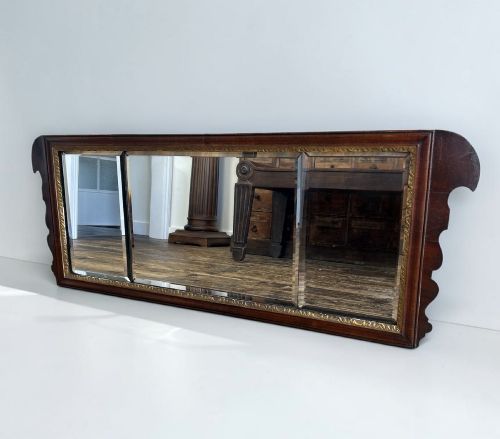
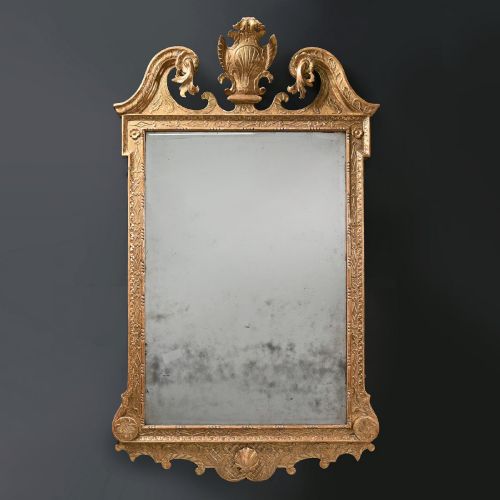
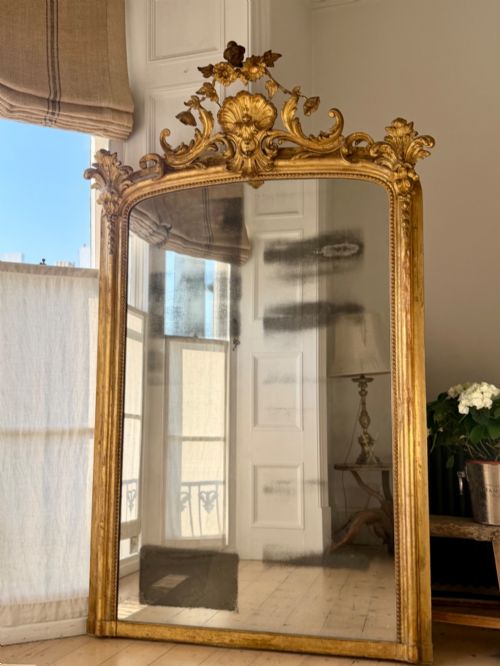
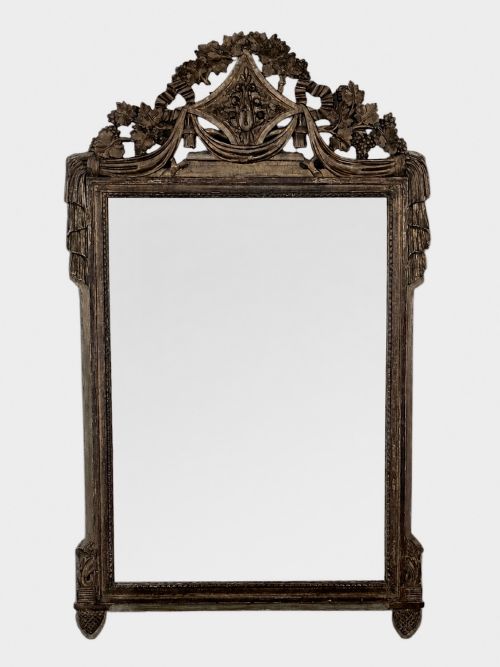
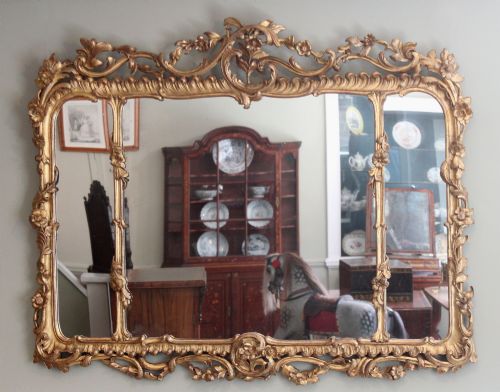
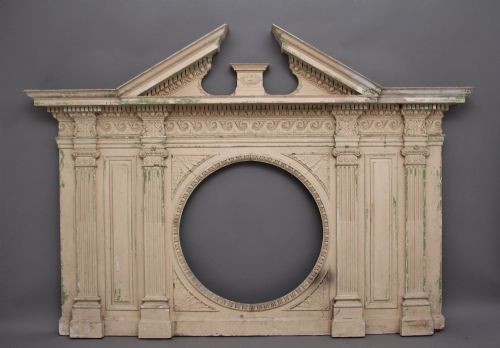
An 18th century overmantel serves as a commanding architectural focal point designed specifically to sit above a fireplace mantelpiece. These pieces encompass large horizontal mirror plates, tall vertical trumeau formats incorporating paintings, and solid carved wood panels.
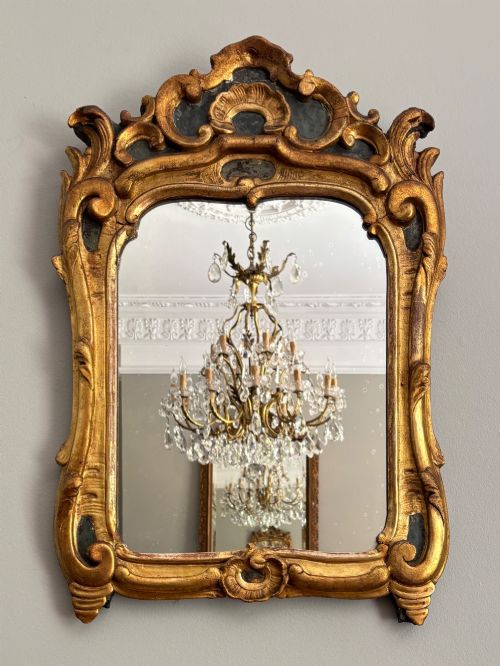
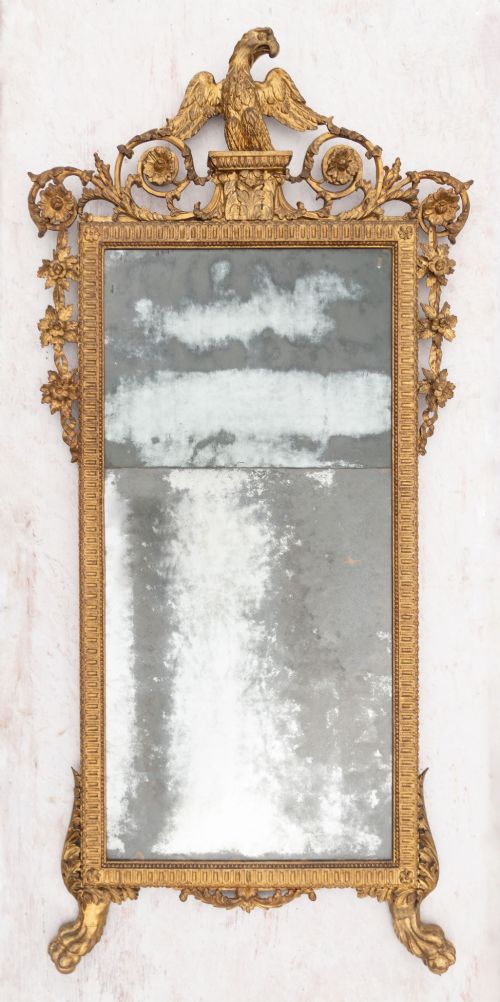
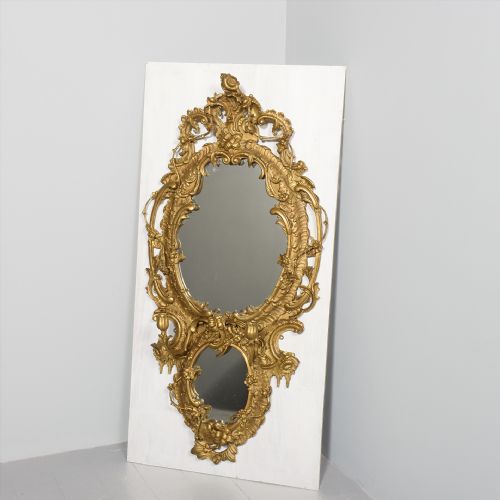
The versions most commonly met on this page originate from Georgian England and continental workshops, frequently employing French Rococo or Neoclassical design vocabularies. They range from restrained mahogany and parcel-gilt rectangular frames to exuberant, heavily carved giltwood compositions.
Beyond reflective glass, the historical record for this phrase includes carved oak panels depicting figurative scenes, putti, and Gothic revival motifs intended for placement above a hearth.
How they were made
Makers constructed the structural frames of an 18th century overmantel from seasoned timber substrates such as pine, walnut, oak, and mahogany. Artisans then applied layers of gesso directly onto the prepared wood base to build up intricate relief ornaments before gilding.
Surface decoration relied on gold leaf or silver leaf applied over bole, alongside hand-carved wooden details and painted finishes. Glass plates were typically produced using early mercury techniques, resulting in characteristic foxed speckling and uneven reflection over time.
18th Century Overmantel Retail Price Guide 2026
Typical asking prices for 18th century overmantel among the pieces listed under this phrase on Sellingantiques today, from the lower quarter to the upper quarter. They describe what is for sale here now, not the wider market.
Several panels swap traditional foliage for carved foxes, beasts, and cherubic putti peering down from the chimney breast.
What varies in quality
The distinction between tiers rests upon the crispness of the hand-carving and the harmony of the overall proportions. Master carvers achieved deep undercut relief work in wood and gesso that retained sharp definition, whereas lesser examples relied on shallow moulding and simplified foliage.
Integrity of materials also dictates standing, with original mercury mirror plates and primary giltwood surfaces holding greater historical cohesion than later replacements. The scale and ambition of the design, from simple walnut mouldings to grand architectural trumeaux, govern the ultimate tier of the piece.
The 18th Century Overmantel Glossary
- Mercury glass
- A type of antique mirror plate made by applying a tin and mercury amalgam behind the glass, known for a warm, mottled reflection. Foxing often develops within the plate as the amalgam ages.
- Gesso
- A mixture of chalk, gypsum, and glue used as a prepared surface on wood frames. Artisans carved directly into this thick layer to create raised ornamentation before gilding.
- Trumeau
- An architectural mirror or panel featuring an oil painting or carved motif set into the upper section of the frame. This form originated in grand domestic interiors above chimney breasts.
- Parcel-gilt
- A decorative treatment where specific raised details or mouldings are gilded with gold leaf while the underlying wood grain remains visible elsewhere. It provides tonal contrast across the frame.
- Pier glass
- A tall mirror specifically designed to hang on the wall space between two windows. These pieces often share stylistic traits with overmantels from the same period.
18th Century Overmantel: Frequently Asked Questions
How do I hang an 18th century overmantel?
These pieces carry substantial weight due to their dense wooden frames and thick glass plates, requiring secure attachment directly into structural wall studs or masonry.
Professional mirror installers typically utilise heavy-duty steel brackets or French cleats distributed evenly across the upper and lower frame to safely bear the load.
What is foxed mercury glass?
Foxing refers to the dark spots and mottled patches that naturally form within older mirror plates as the backing deteriorates over decades.
In 18th century examples, this chemical ageing creates a characteristic soft, cloudy reflection rather than the uniform clarity of modern float glass.
Can I place an overmantel above a working fireplace?
Historical overmantels were built specifically to withstand the ambient heat of domestic hearths, though modern central heating and extreme temperature fluctuations require caution.
Ensure the mantelpiece below blocks direct rising heat from reaching the antique wooden frame and fragile gesso ornaments directly.
How do I clean an antique giltwood frame?
Giltwood surfaces require extremely gentle maintenance to avoid stripping thin layers of gold leaf or damaging brittle historic gesso.
Dust the carved details lightly with a soft, dry brush and avoid all liquid cleaners, chemical sprays, or abrasive cloths.