


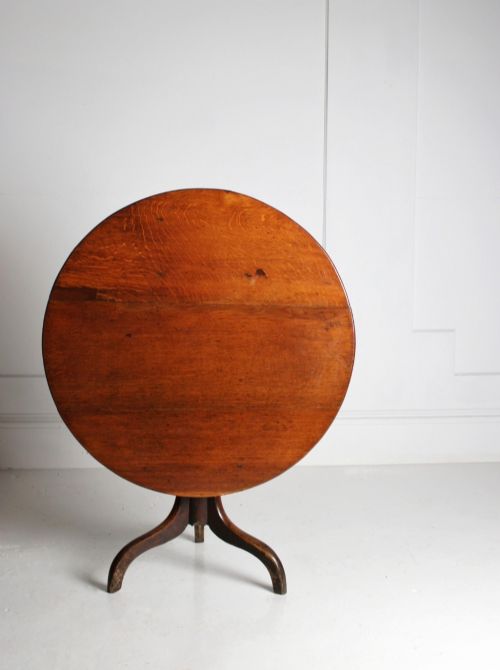

18th Century Oak Wine Table
An 18th century oak wine table brings sturdy country craftsmanship and compact utility to any corner.
18th Century Oak Wine Table
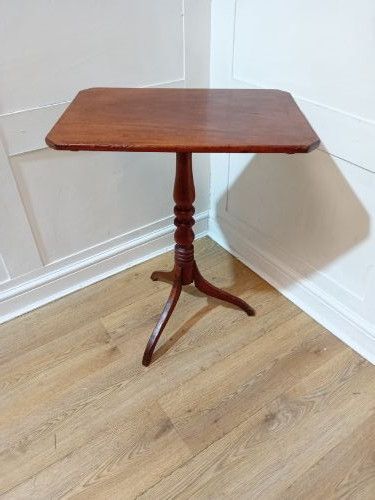
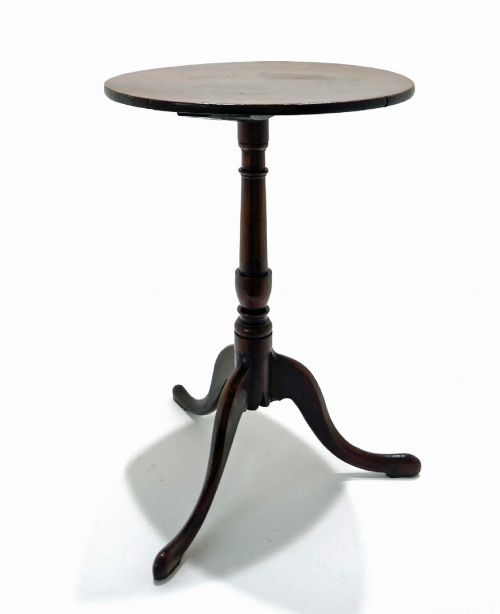
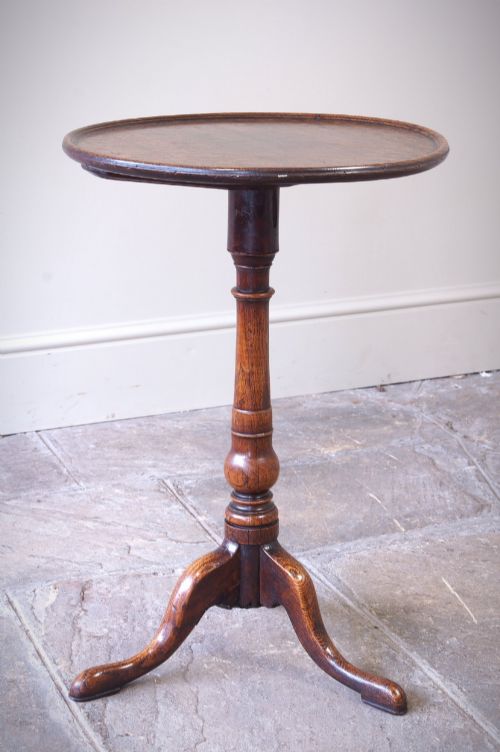
An 18th century oak wine table is a small, portable piece designed for holding drinks, candles or small objects within Georgian domestic spaces. Most examples encountered here belong to the Georgian period, spanning styles from plain country vernacular to more formal George III designs.
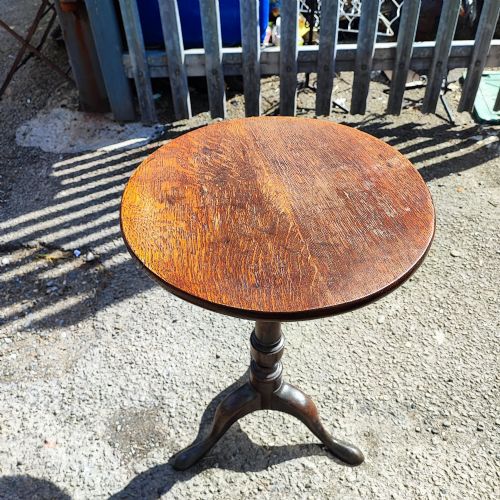
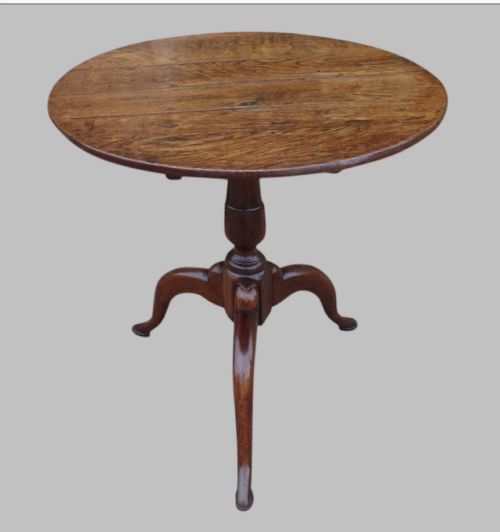
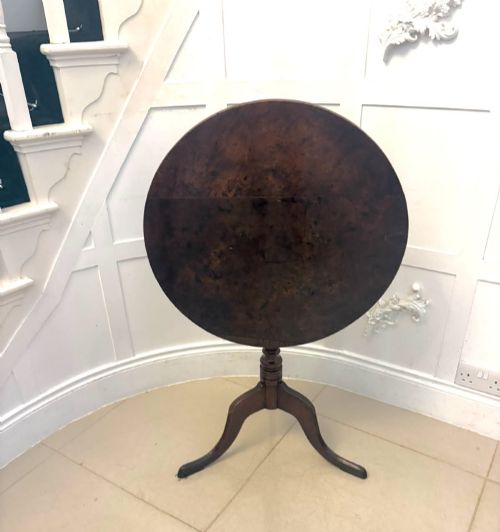
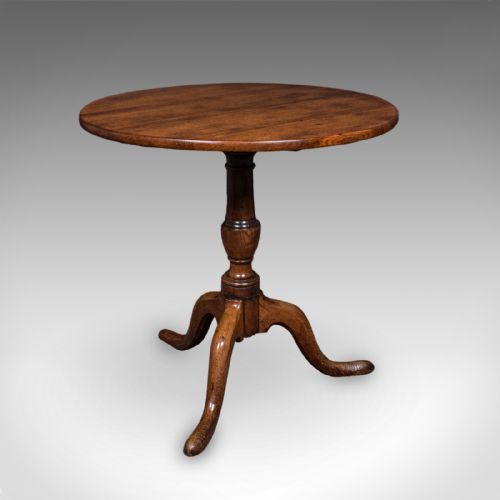
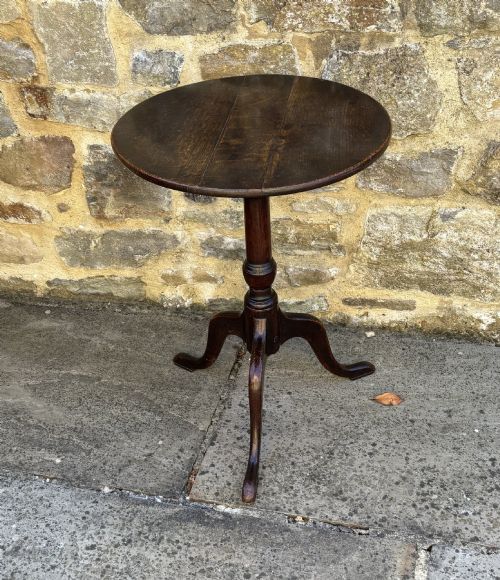
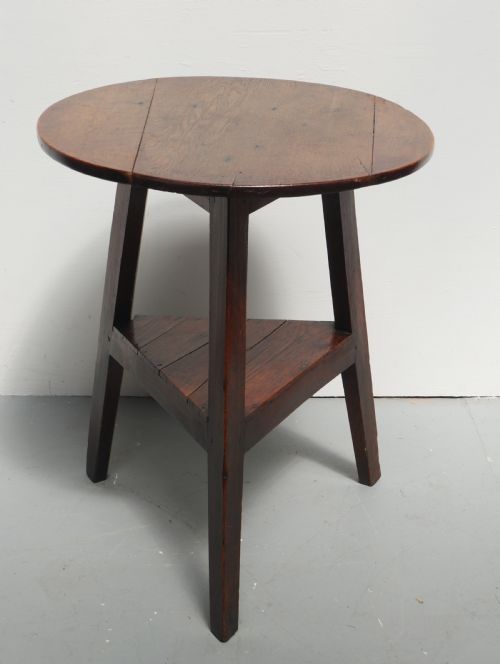
The common form relies on a central pedestal supported by three legs, frequently constructed with a tilting top mechanism for convenient storage against a wall. Alongside standard wine tables, related forms such as cricket tables, candle stands and occasional tables appear frequently in the listings.
Origins stretch across English and Welsh provincial workshops, utilising locally sourced timbers. Buyers find both circular top variants and rectangular versions, often adapted for versatile placement as lamp or side tables.
How they were made
Joiners and country cabinet makers utilised solid oak as the principal timber, frequently combining it with secondary woods like elm, fruitwood, beech and yew for structural stability and contrasting grain. Burr oak surfaces appear on select pieces to introduce dramatic figuring to the circular tops.
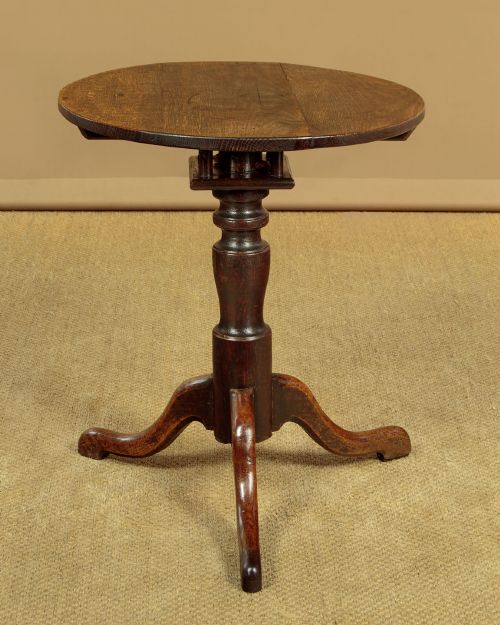
Turned wooden columns, slender pillars and shaped tripod legs form the structural support, joined using traditional pegging and mortise techniques. Brass catches and pivoting mechanisms allow the timber tops to tilt safely on their pedestals.
Several tables feature segmented wooden tops, proving that country joiners could turn even small offcuts into charming conversation pieces.
What varies in quality
The refinement of the turning on the central column and the choice of timber figure determine the visual weight of the piece. Tables featuring burr oak or carefully selected grain show greater decorative ambition than plain utility furniture.
Proportion and the integrity of the tilting mechanism separate standard provincial items from superior examples. The grace of the tripod leg sweep and the snug fit of the catch dictate how successfully the table functions in daily use.
The 18th Century Oak Wine Table Glossary
- Tripod table
- A small freestanding table supported by a central pillar and three legs. This construction prevents wobbling on uneven floors.
- Tilt top table
- A table with a hinged top that rotates to a vertical position when not in use. It allowed domestic interiors to remain uncluttered.
- Cricket table
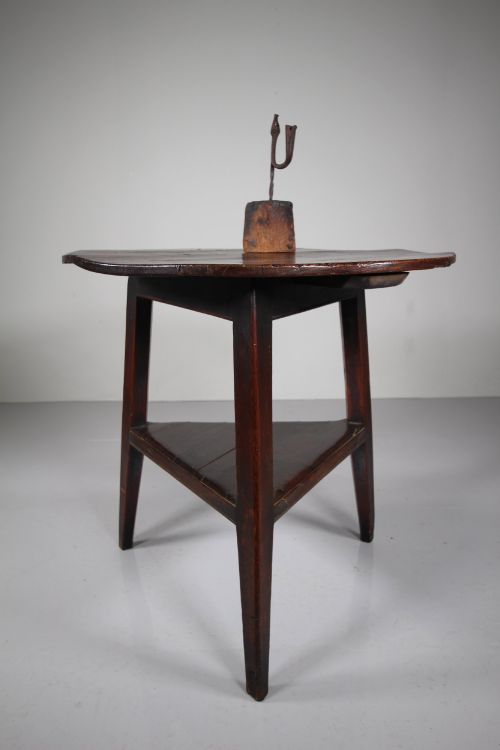
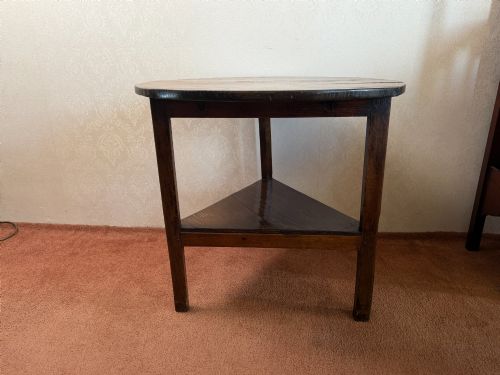
- A small round table with three splayed legs and a low undertiers shelf. The design originates from early English vernacular furniture traditions.
- Birdcage
- A rotating wooden framework beneath a tabletop that allows the surface to both pivot and tilt. It represents a more complex mechanism found on select tables.
- Vernacular furniture
- Domestic objects made by regional craftsmen for local use rather than following metropolitan fashion. These pieces emphasise sturdy construction and available local timbers.
18th Century Oak Wine Table: Frequently Asked Questions
What was an 18th century oak wine table used for?
These pieces served as movable stands for holding glasses and bottles during evening gatherings. Their small surface area suited them for holding a single candle or lamp beside a chair.
In modern rooms, they function well as compact side tables for resting cups or displaying small decorative objects without dominating the floor space.
How do I distinguish between George I and George III tables?
Earlier pieces from the George I era typically display heavier proportions, simpler turning and robust plank construction. Later George III examples often show more slender columns and refined leg profiles.
Regional vernacular pieces from Wales or country districts frequently retain simpler, sturdier characteristics regardless of the exact decade of manufacture.
Why do some tables have tilting tops?
The tilt top mechanism allowed households to store the furniture flat against a wall when the room was needed for other activities. This space-saving design was essential in smaller domestic interiors of the period.
Today, the mechanism remains a practical feature for positioning the piece neatly in unused corners or hallways.