
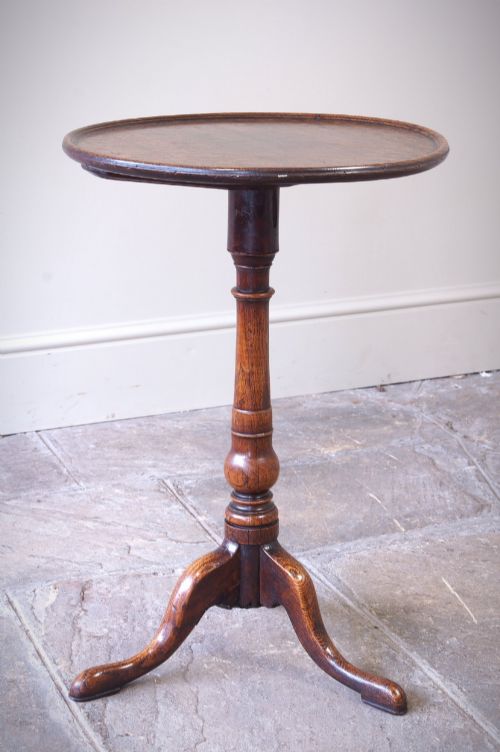
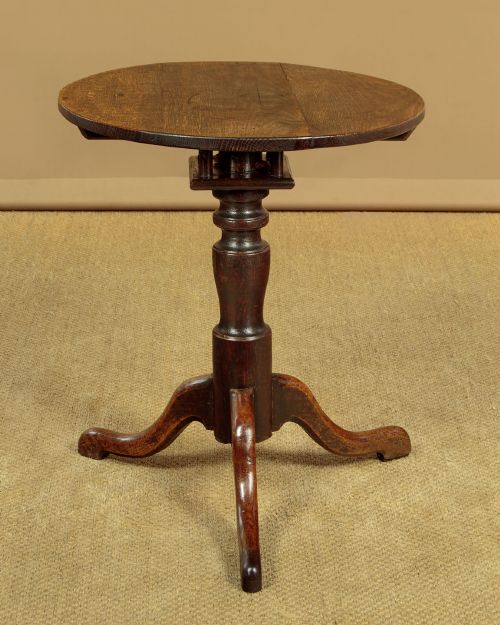


Rustic Oak Wine Stand
These rustic oak wine stand pieces bring solid timber character to a room, offering sturdy surfaces shaped by centuries of country craftsmanship.
Rustic Oak Wine Stand
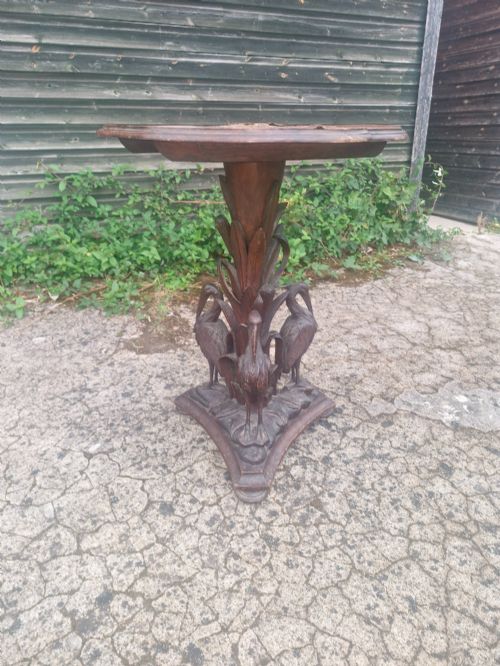
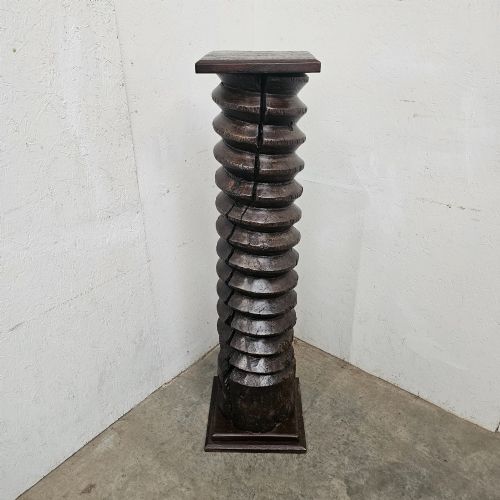
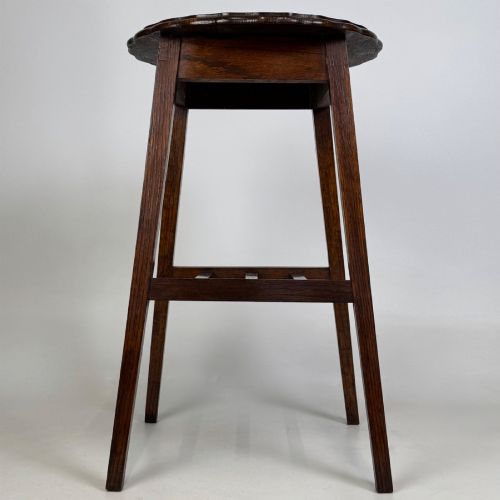
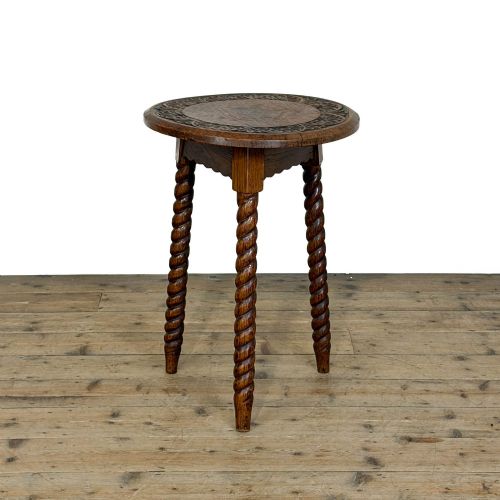
A rustic oak wine stand encompasses compact occasional tables, small tripod tables, and coopered vessels designed for holding drinks or display. Buyers searching this phrase typically encounter tripod tables and country vernacular pieces dating from the eighteenth century onwards.
Originating largely from English and Welsh country workshops, these items serve readily as lamp stands, side tables, or plant holders today. Their modest proportions and honest construction suit smaller spaces where traditional character matters.
How they were made
Construction relies heavily on solid oak, frequently paired with secondary woods like yew for contrast and brass for operational hardware. Carpenters employed traditional joinery, turning legs on lathes and shaping circular or rectangular tops by hand.
Coopered vessels utilise curved staves bound together with metal bands, echoing the methods used for storage casks and buckets. Surface finishes range from natural waxed grain to painted treatments, reflecting the practical nature of rural workshops.
Listings span from the eighteenth century through the Edwardian era, incorporating Georgian vernacular styles, painted finishes, and coopered oak construction.
What varies in quality
Quality rests in the proportion of the turning, the snugness of the joints, and the integrity of the timber grain. Finer examples show careful selection of quartersawn oak, displaying pleasing medullary rays across the surface.
Early vernacular pieces derive distinction from untouched surfaces and patination built up through generations of use. Modifications or replacement components alter the balance of an item, distinguishing workshop originals from later assembled variants.
The Rustic Oak Wine Stand Glossary
- Tripod table
- A small freestanding table supported by a pillar above three legs. This form gained popularity during the Georgian period for flexibility in domestic rooms.
- Coopered
- Constructed from curved wooden staves bound with metal hoops. This technique originates from barrel-making and applies to buckets and specific plant stands.
- Tilt-top
- A tabletop hinged to the pillar below so it can fold flat when not in use. It allowed tables to be stored against walls in compact rooms.
- Vernacular
- Everyday furniture built by local craftsmen following regional traditions rather than high-style metropolitan designs. These items prioritise utility and local materials.
- Cricket table
- A small, light three-legged table traditionally used in domestic settings. The three legs ensure stability on uneven floors.
Rustic Oak Wine Stand: Frequently Asked Questions
What is a rustic oak wine stand used for today?
These small tables and coopered vessels function effectively as bedside surfaces, lamp tables, or display stands for plants and drinks.
Their compact footprints allow them to fit easily into corners or beside seating without dominating a room.
How do I identify an eighteenth century oak tripod table?
Look for pegged joints, hand-turned pedestals, and timber with natural patination developed over long periods of domestic use.
Earlier examples often display vernacular quirks in the turning and shaping that distinguish them from later revival pieces.
What does coopered construction mean on these stands?
Coopered pieces are built using curved vertical wooden staves held tightly together by metal bands, much like a traditional drinking barrel.
This method was adapted by country makers to create sturdy vessels used as planters or jardiniere stands.
Are tilt-top mechanisms original on older tables?
Many eighteenth and nineteenth century tables retain their original birdcage or block pivots that allow the top to fold away.
Examining the underside reveals whether the hinge blocks and catch mechanisms match the age of the surrounding timber.