



18th Century Needlepoint
These pieces of 18th century needlepoint bring tactile historic charm to a room through centuries of hand-worked wool, silk and linen.
18th Century Needlepoint
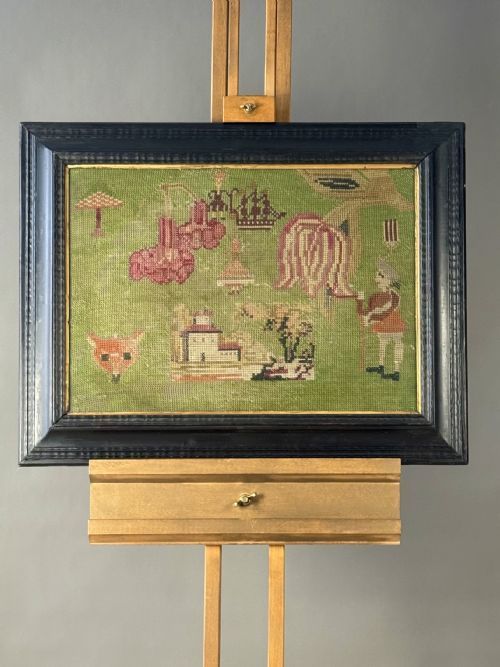
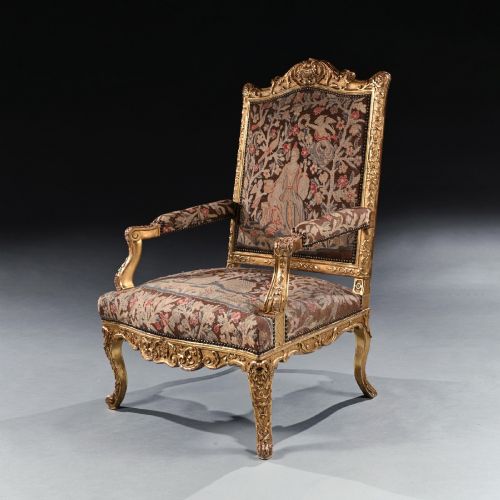
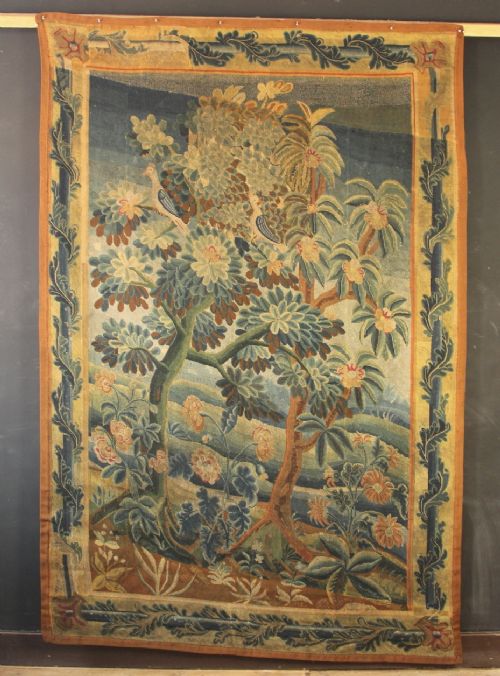
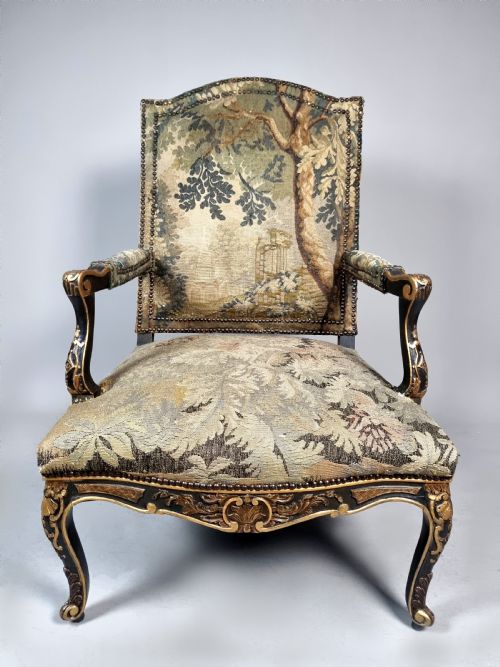
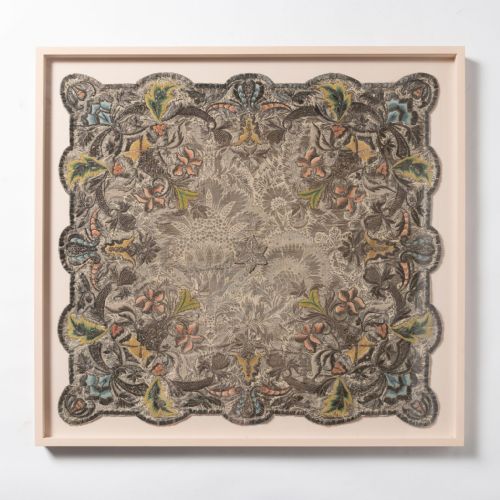
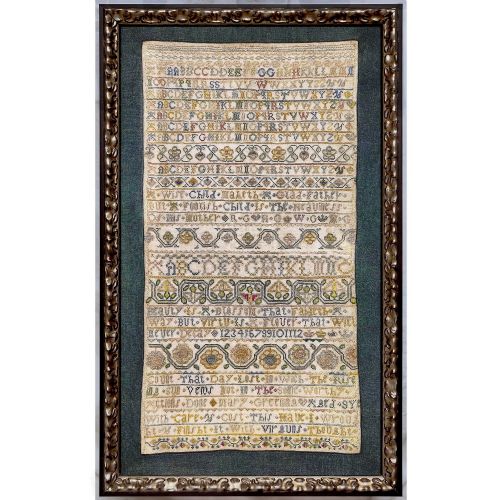
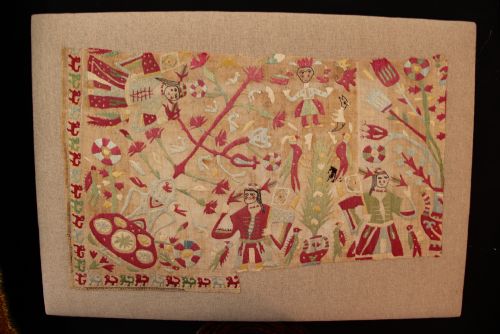
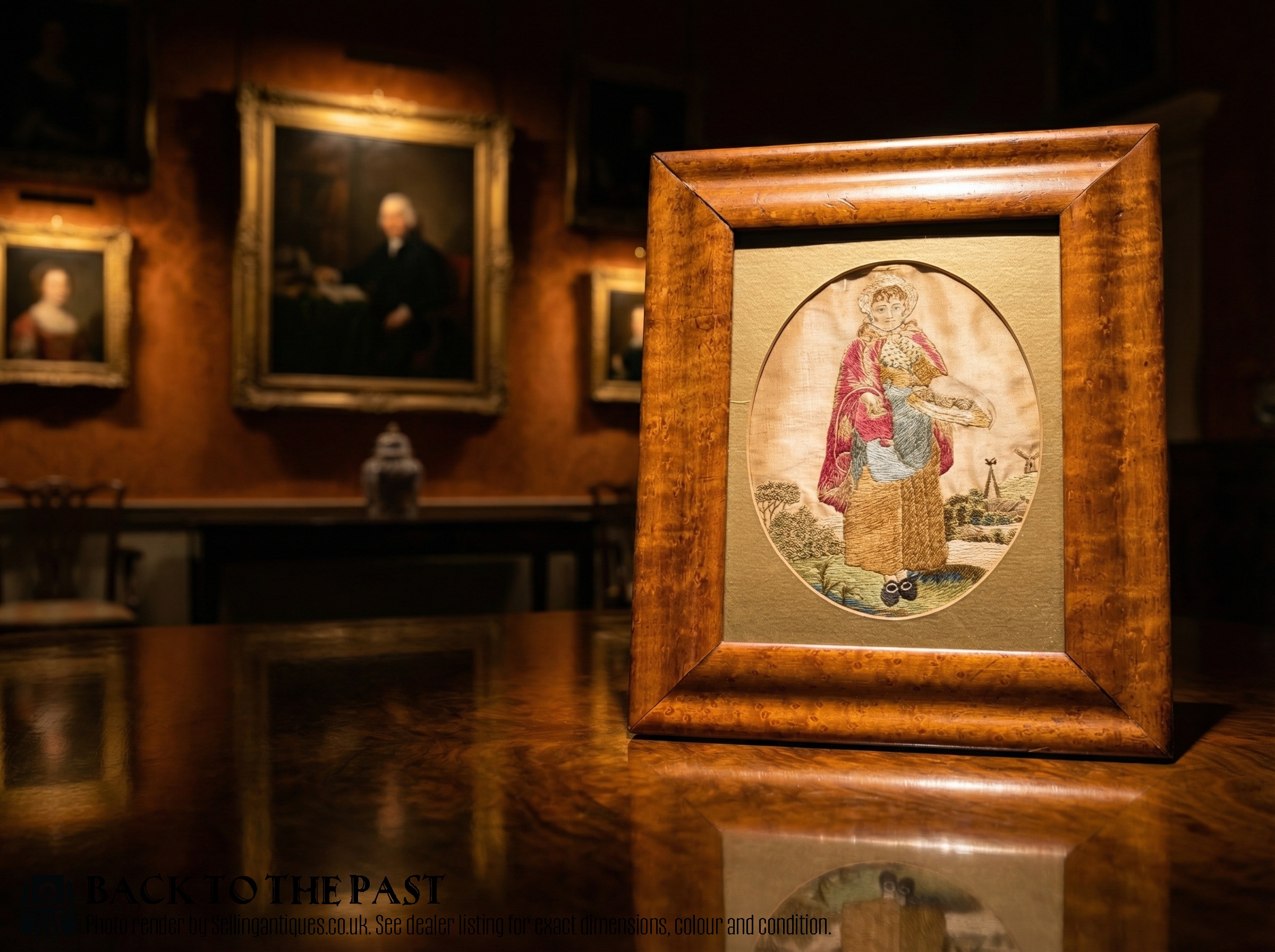
When you search for 18th century needlepoint, you encounter a diverse range of textiles and upholstered seating created during the Georgian and related continental eras. The selection includes framed pictorial panels, samplers, tapestries, and seating furniture retaining their period needlework upholstery.
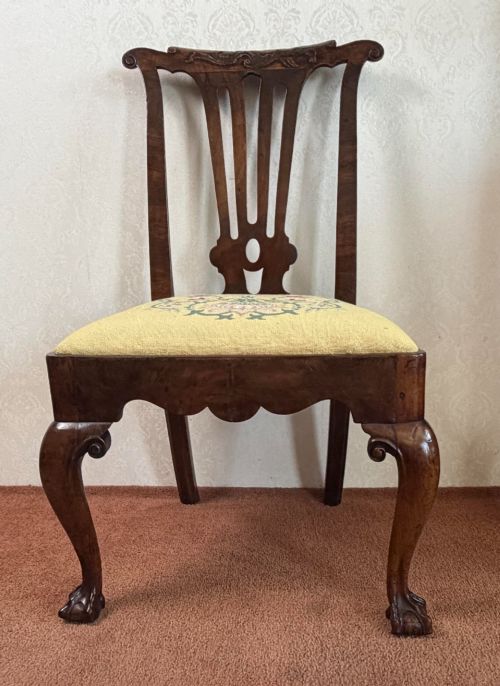
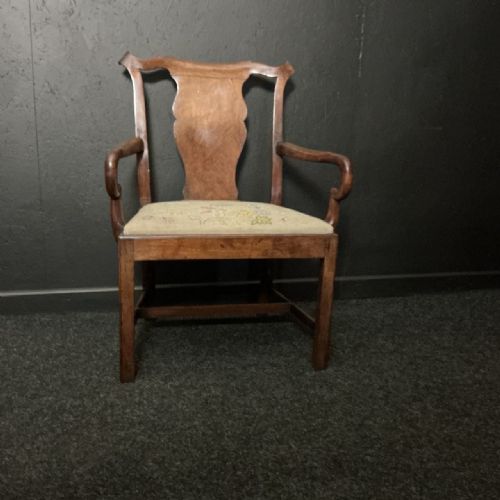
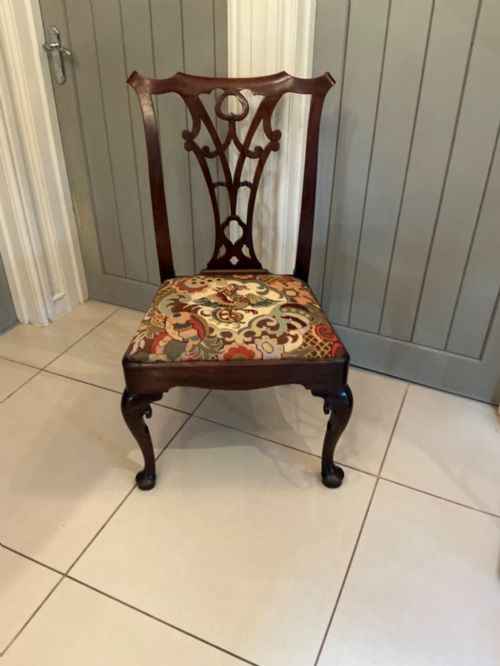
Framed pictures and panels often depict pastoral scenes, religious subjects, maps, or birds, while samplers demonstrate alphabets and motifs. Seating options span walnut and mahogany armchairs, side chairs, and fire screens where the needlework forms the primary decorative surface.
Materials and construction
The makers utilised base grounds of linen or wool canvas, worked with threads of silk, wool, and occasionally metal thread. Working with fine stitches such as petit point allowed artisans to achieve intricate facial expressions and detailed shading in pictorial works.
Textiles were mounted into wooden frames of walnut, mahogany, or giltwood, or stretched over the drop-in seats and backs of chairs from periods like George II and George III. Embroidery techniques varied from flat stitches to raised work, depending on whether the piece was intended for wall display or daily domestic use on furniture.
Listings feature walnut, mahogany, and giltwood frames supporting 18th century needlework panels and chairs.
Factors determining quality
The primary distinction lies in the density and precision of the stitchwork, particularly the proportion of fine petit point used alongside coarser gros point. Tightly executed stitches maintain structural integrity and allow for complex pictorial detail in embroidered pictures and upholstery.
The harmony of surviving colour and the quality of the supporting wooden frame also dictate the standing of a piece. Original frames in walnut, mahogany, or giltwood paired with crisp, well-preserved thread work represent the highest tier of surviving examples.
Mary Greening·Sophie Brown
The 18th Century Needlepoint Glossary
- Petit point
- A fine, count-stitch embroidery technique using wool or silk on a canvas ground. This method allows for high detail and shading in 18th century pictorial panels.
- Sampler
- A piece of needlework produced as a demonstration or test of skill, often featuring alphabets, numbers, and decorative motifs. Surviving examples frequently record the maker and date.
- Giltwood
- Wood that has been coated with a thin layer of gold leaf. It appears on grander frames and chairs from the Georgian and French Regence periods.
- Fire screen
- A movable vertical panel designed to shield a person from the radiant heat of an open fireplace. Many examples display large needlework or tapestry inserts.
18th Century Needlepoint: Frequently Asked Questions
How do I care for needlepoint?
Keep framed panels and upholstered seating away from direct sunlight to prevent the fading of silk and wool threads. Gentle surface dusting with a soft brush preserves the fibres without disturbing the historic canvas.
Avoid placing these textiles in areas of high humidity or fluctuating temperatures. Professional conservation is recommended if structural repairs to the canvas or wooden frame become necessary.
Were these panels always framed?
Many pictorial needlework panels were worked specifically for framing as wall art in domestic interiors. Others originated as cushions, fire screens, or chair covers before being mounted behind glass for preservation.
Examining the edges and reverse of a panel often reveals clues about its original function. Stitch distortion or tack holes can indicate whether a piece spent its early life on a furniture frame.
How do I identify period upholstery?
Period needlepoint upholstery typically displays hand-spun wool and silk threads mounted over traditional stuffing materials on frames contemporary to the 18th century. The wear patterns and tension of the canvas should align with the age of the wooden framework.
Replacement canvas or later webbing is common on seating that has undergone restoration over the centuries. Close inspection of the tack holes and timber interface helps determine whether the needlework is original to the chair.
What subjects are most common?
Surviving examples frequently feature pastoral scenes, mythological stories, religious subjects, and depictions of birds or flora. Map samplers and educational needlework also appear among surviving domestic pieces.
Continental European pieces often lean towards French Rococo or Regence pastoral designs, while English works frequently combine floral motifs with figures in landscape settings.