




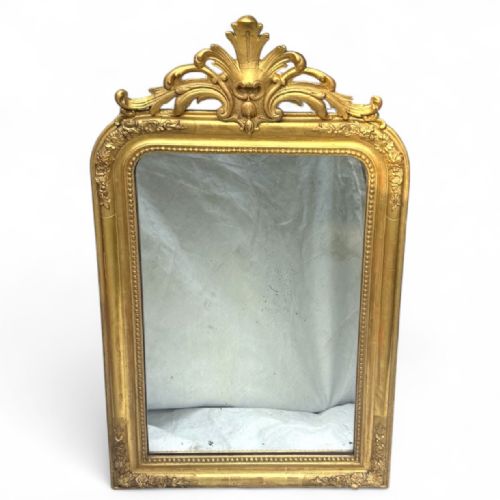


18th Century Mantel Mirror
An 18th century mantel mirror brings historic presence to a room, combining carved timber frames with original mercury glass plates.
18th Century Mantel Mirror
When you search for an 18th century mantel mirror, you encounter grand overmantel and wall pieces created during the Georgian and Rococo eras. These objects range from early 18th century English wall mirrors to French rococo overmantel designs intended to hang above a fireplace.
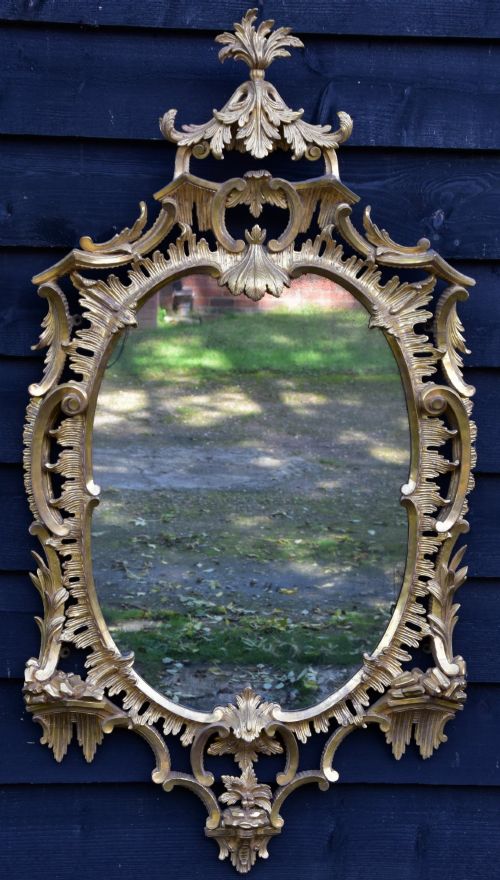
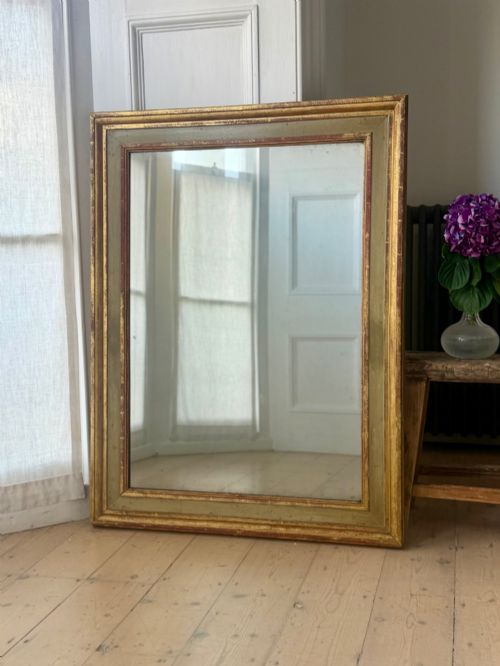
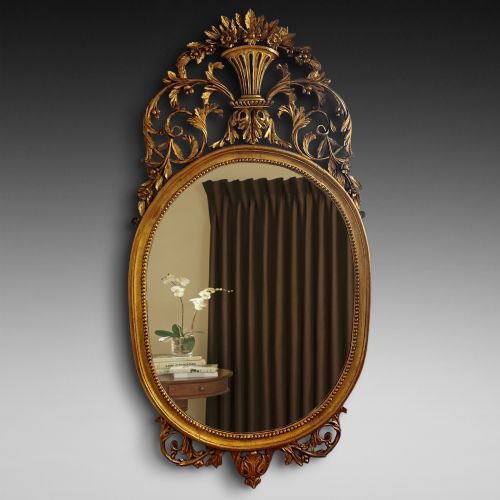
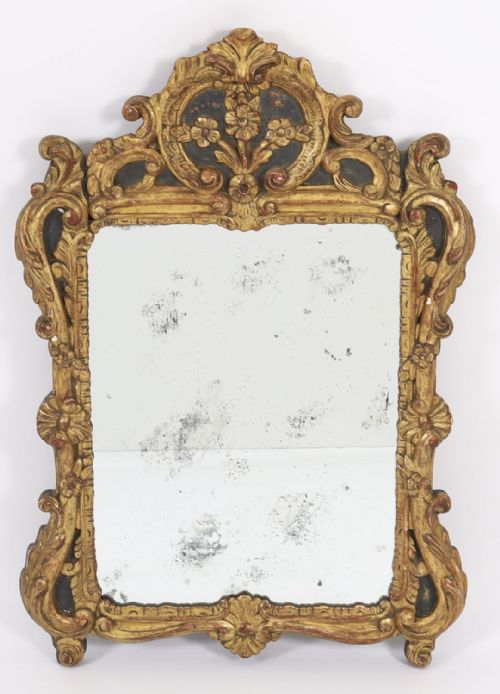
The pieces you meet on this page include carved giltwood, walnut, and painted wood structures. Makers constructed these mirrors in oval, rectangular, and architectural forms with ornate cresting, foliage, and occasionally Chinoiserie details.
How they were made
Craftsmen shaped frames from carved wood, applying layers of gesso before gilding them with gold leaf or painting the timber surfaces. These traditional techniques created the rich textures seen on Georgian and French neoclassical frames.
Mirrors utilised mercury glass plates, cast or blown before being backed with a tin and mercury amalgam. This method produced the characteristic mottled depth and dark oxidisation visible in original antique plates.
Some carved masks peer down from the top of these frames, watching the room with frozen 18th century surprise.
What varies in quality
The crispness and depth of the hand-carved wood set superior examples apart from simpler work. Fine pieces display meticulously undercut foliate cresting and balanced proportions that reflect the high standards of period workshops.
The survival of the original mercury glass plate and the integrity of the original giltwood surface determine the character of the object. Retaining the authentic plate adds depth to the piece, whereas later replacements alter the historic balance.
The 18th Century Mantel Mirror Glossary
- Giltwood
- Wood carved and coated with gold leaf. This surface finish reflects light warmly across the room.
- Mercury glass
- A silvered glass plate backed with a mercury amalgam. It produces a distinctive mottled reflection found in period mirrors.
- Gesso
- A plaster mixture applied to wood frames as a base for gilding. It allowed carvers to shape intricate relief ornamentation.
- Overmantel mirror
- A large mirror designed to hang above a mantelpiece. These forms often feature horizontal proportions to span the width of a fireplace.
- Rococo
- An ornate decorative style characterised by asymmetry and C-scrolls. It dominated mid 18th century design.
18th Century Mantel Mirror: Frequently Asked Questions
Is original mercury glass safe to touch?
Original mercury glass is encased between the glass sheet and the backing, posing no active risk during normal handling. The historic amalgam remains sealed behind the front glass surface.
Normal cleaning and daily living do not disturb the backing material. Avoid exposing the rear of the plate to moisture or scratching.
How do I clean an antique giltwood frame?
Dust giltwood surfaces gently with a soft, dry brush to remove particles without disturbing the fragile gold leaf. Moisture and chemical cleaners strip historic gesso and gilding.
Keep the mirrors away from direct heat sources and strong sunlight. Gentle maintenance preserves the delicate texture of the carved wood.
What is the difference between a pier mirror and an overmantel mirror?
Pier mirrors were built to hang on the narrow wall space between windows. Their vertical proportions suited these architectural gaps.
Overmantel mirrors were constructed wider to sit horizontally above fireplaces. The evidence shows both vertical wall formats and horizontal overmantel designs.