

18th Century Italian Painting
These 18th century italian painting examples capture the drama, devotion and pastoral grace of historic workshops from the peninsula.
18th Century Italian Painting
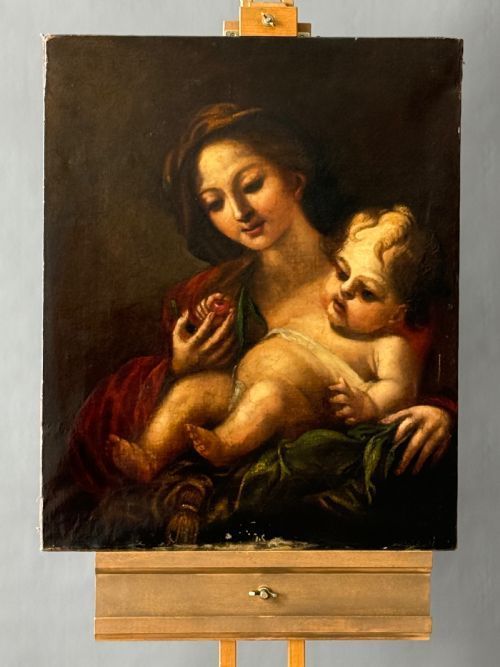
An 18th century italian painting brings centuries of European artistic tradition directly into a modern interior, focusing heavily on religious subjects, classical myth and scenic landscapes. When exploring this phrase, a buyer encounters everything from grand old master oil works on canvas to intimate pastels and devotional panels originating from regional schools.
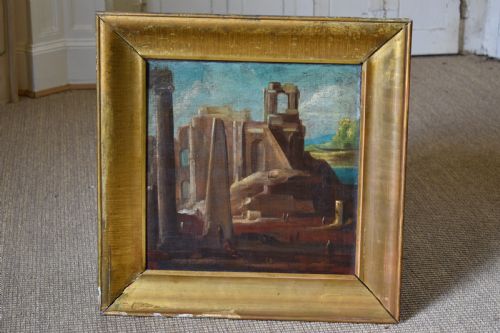
The selection ranges from expressive Venetian canvases and Emilian school portraits to idealised Tuscan landscapes featuring ancient ruins. These pieces reflect the shifting tastes of the period, moving fluidly from ornate Baroque intensity through playful Rococo styling towards restrained Neoclassical balance.
Materials and technique
The physical backbone of these works relies on traditional supports such as woven canvas stretched over wooden frames, alongside prepared wooden panels. Artists applied rich oil paints and occasional pastels, building depth through layered pigments that often reveal fascinating pentimenti where initial compositions were altered.
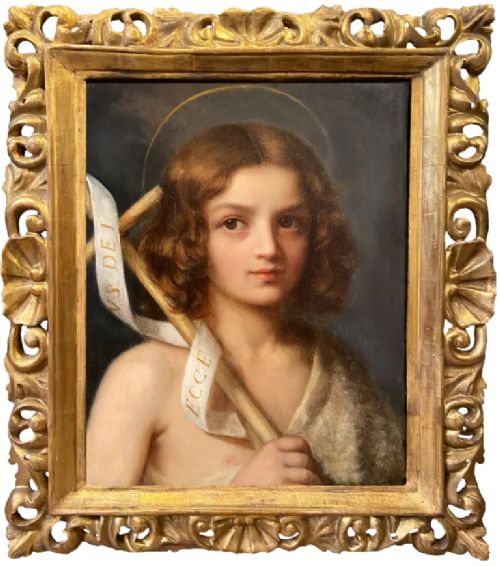
Surrounding frames utilise carved wood, gesso and applied gold leaf to complement the visual weight of the imagery. These constituent parts combine to create durable objects that survive centuries of handling while retaining their rich surface texture.
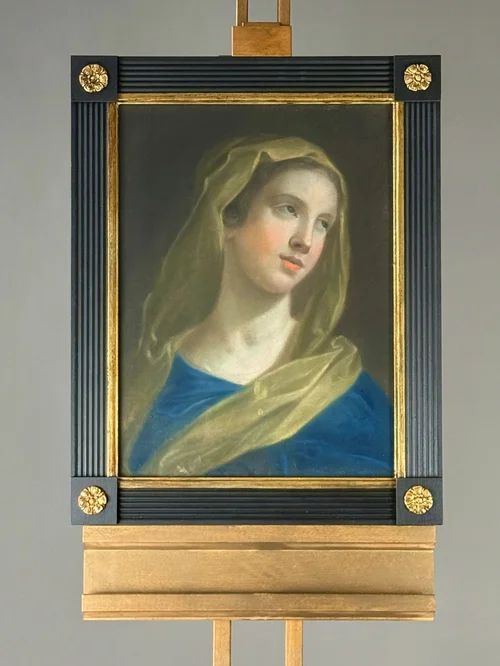
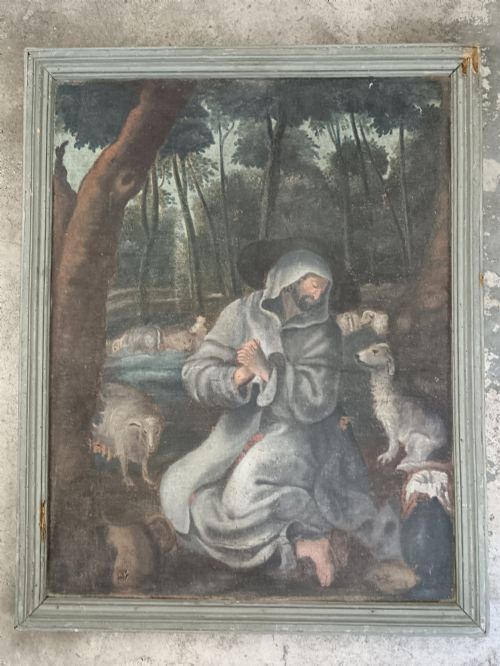
Several holy figures share wall space with bustling cavalry skirmishes and quiet pastoral cows.
What separates the tiers
The preservation of the original pigment layer also dictates desirability, as untouched surfaces with minimal later intervention retain an authentic atmospheric depth. Additionally, the quality of contemporary or period framing contributes significantly to the cohesive historical presence of the artwork.
Benedetto Luti·Francesco Solimena·Bartolomeo Schedoni·Giovanni Paolo Panini·Jan Miel
The 18th Century Italian Painting Glossary
- Old Master
- A term describing a European artist of high skill working before the nineteenth century. These paintings often emerge from specific regional schools or workshop traditions.
- Pentimento
- An alteration in a painting evidenced by visible traces of previous brushstrokes beneath the final layer. This occurrence reveals the artist changing their mind during the creative process.
- Emilian School
- A regional grouping of artists originating from the Emilia-Romagna region of Italy. Painters from this tradition are known for distinctive approaches to narrative and religious composition.
- Grand Tour
- A traditional trip through Europe undertaken by upper-class European young men of the eighteenth and nineteenth centuries. Travellers frequently acquired local art, including landscapes and classical views, as mementos.
- Baroque
- An extravagant artistic style originating around sixteen hundred that prioritises dramatic movement and deep chiaroscuro lighting. This aesthetic heavily influences the emotional intensity of many religious canvases.
18th Century Italian Painting: Frequently Asked Questions
What subjects appear in these paintings?
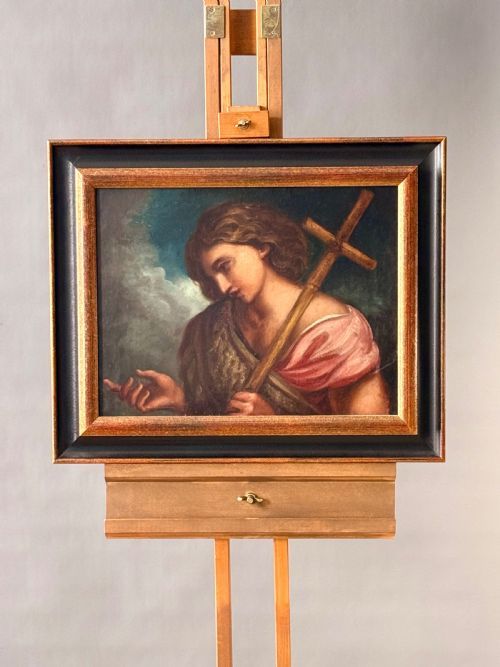
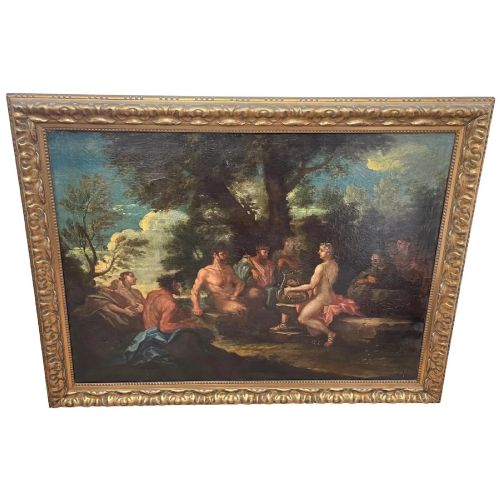
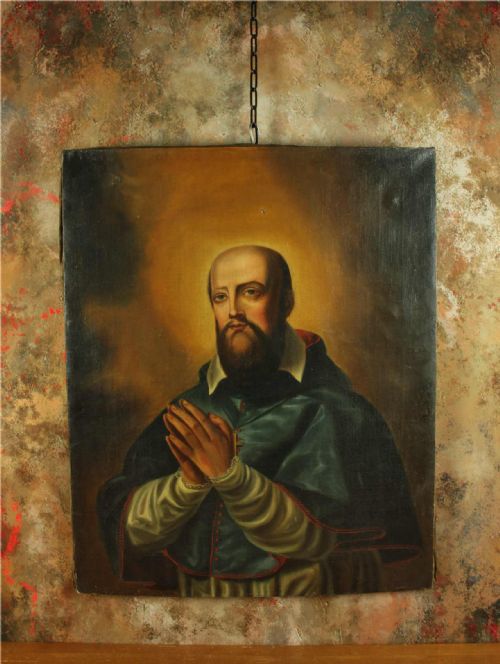
Religious iconography dominates the selection, featuring figures such as the Madonna, Saint John the Baptist, and various saints engaged in devotional moments. Mythological narratives and pastoral landscapes with classical ruins also feature prominently.
These diverse themes reflect both the private devotional practices and the secular collecting tastes prevalent across eighteenth-century Italy.
How do regional schools differ?
Regional schools reflect the distinct artistic centres of the Italian peninsula, each maintaining unique approaches to colour, light and narrative composition. Venetian works often lean towards atmospheric brushwork and theatrical staging, while other northern traditions focus on crisp linear definition.
Studying these variations helps collectors connect specific canvases to historical workshops and geographical areas.
How should I hang an oil painting?
Selecting a wall with stable environmental conditions protects the delicate canvas and wooden stretcher from excessive humidity and direct sunlight. Proper hanging hardware matched to the weight of the frame ensures the piece remains secure.
Positioning the artwork at eye level allows the viewer to appreciate the fine details of the brushwork and surface texture.
What is pentimento?
Pentimento describes a visible change made by the artist during the painting process, where earlier brushstrokes begin to show through the upper layers of pigment. This natural ageing phenomenon occurs as oil paint becomes increasingly transparent over centuries.
Collectors often view these subtle ghost images as a fascinating window into the working method of the creator.