

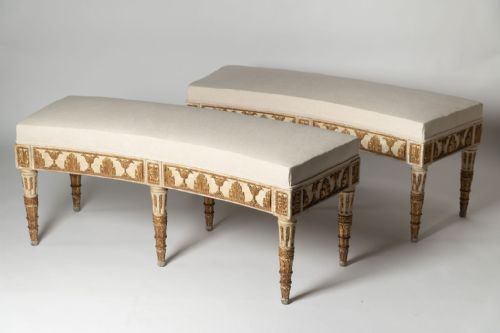


18th Century Italian Giltwood
These 18th century italian giltwood pieces bring grand decorative presence and rich historic character to interiors through ornate carving and luminous metallic surfaces.
18th Century Italian Giltwood
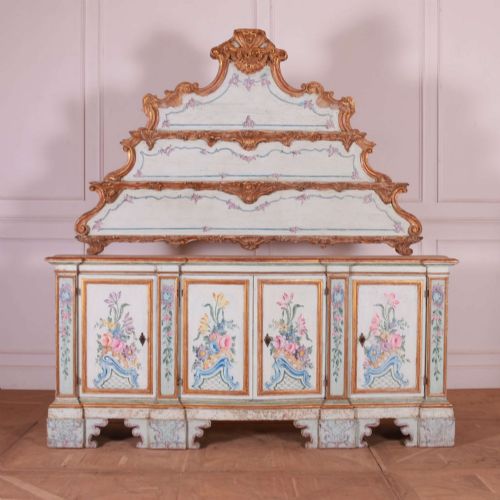
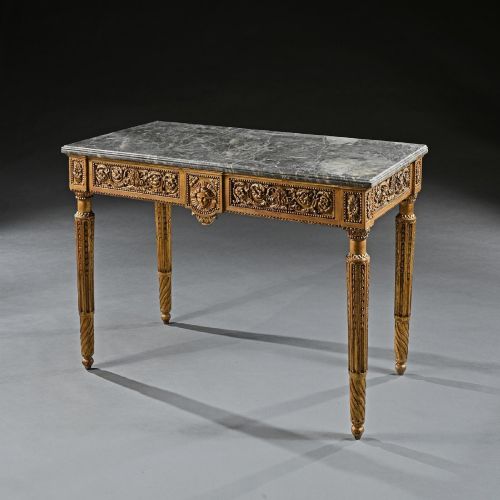
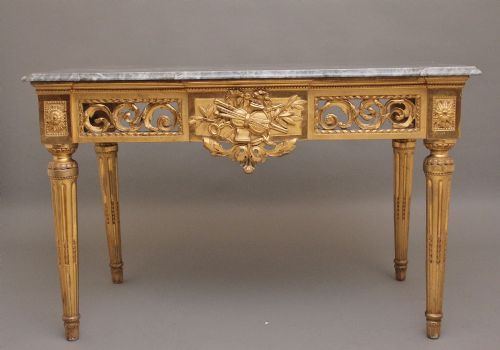
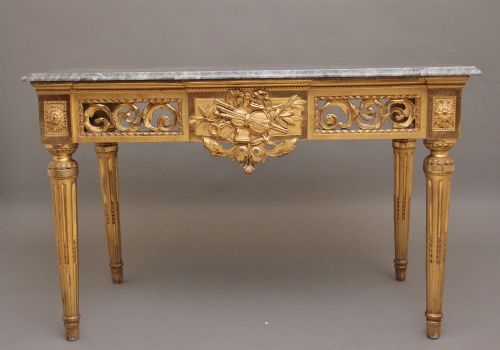
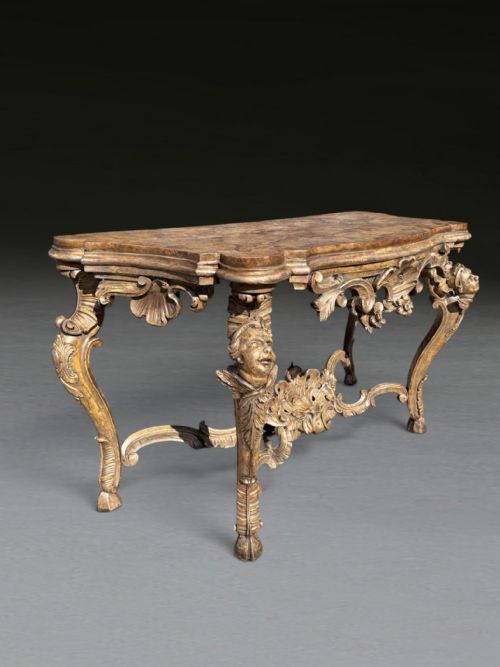
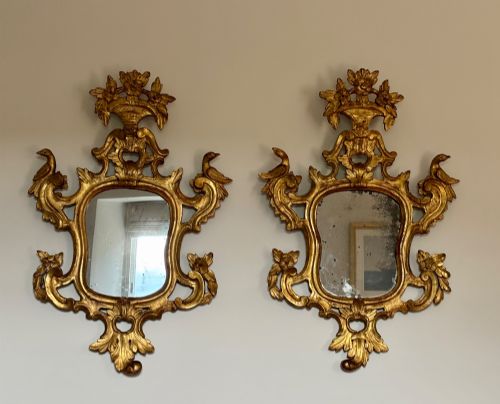
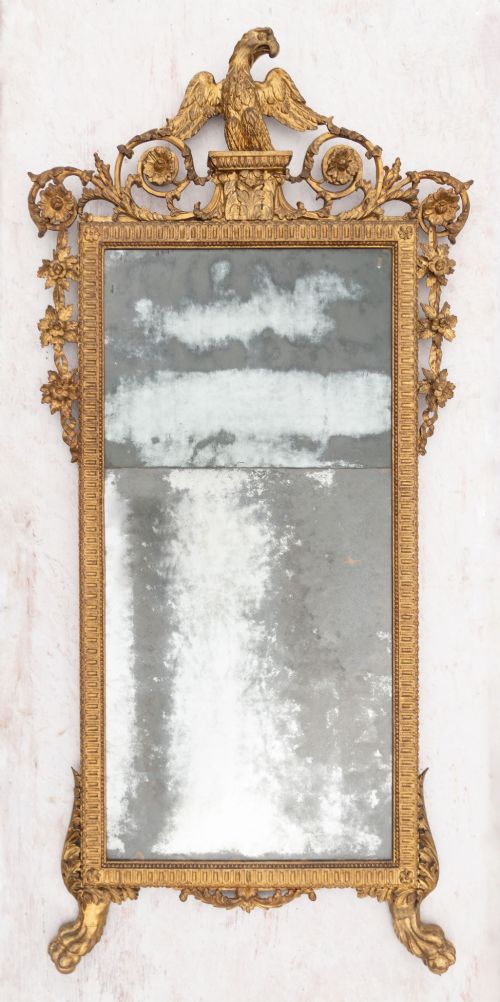
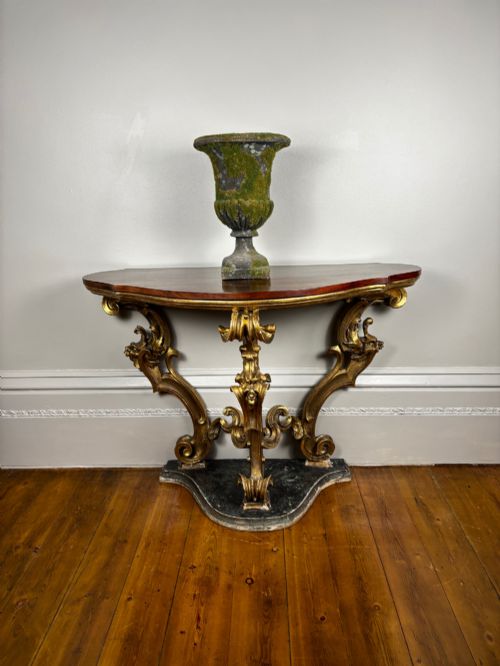
When you search for 18th century italian giltwood, you encounter a selection of furnishings and decorative objects defined by lavish ornamentation and southern European craftsmanship. Console tables with marble tops and mirrors dominate the pieces found on this page.
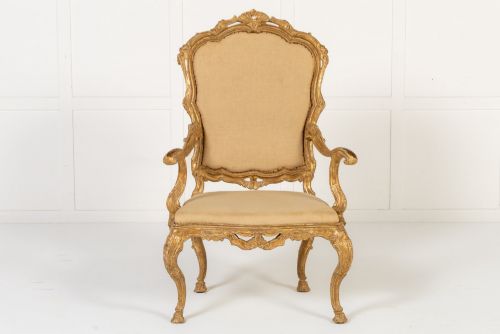
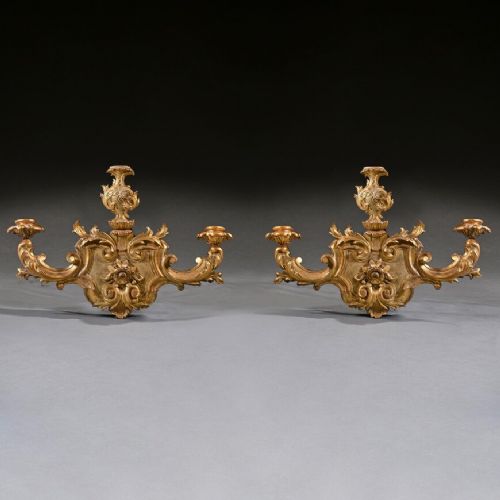
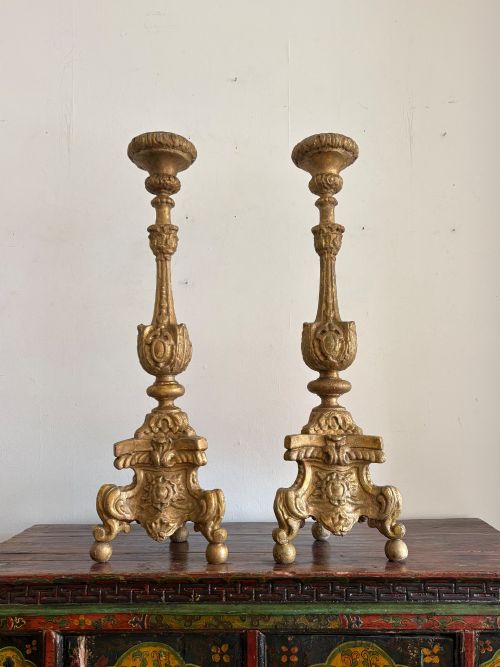
The assortment spans substantial architectural mirrors and console tables alongside smaller items like candlesticks, armchairs, and reliquary frames. These furnishings reflect the exuberant tastes of historic Italian interiors, originating from centres such as Venice and Florence.
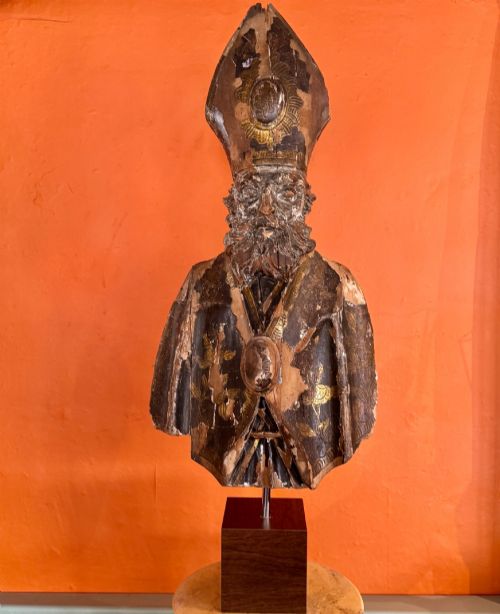
Beyond mirrors and tables, the listings incorporate ecclesiastical objects, paintings, and seating furniture. Each piece showcases the distinctive stylistic shifts of the period, moving from heavy theatrical forms to lighter decorative expressions.
How They Were Made
Carved wood forms the structural base for these items, utilising materials like lime wood and general timber shaped with deep relief. Artisans applied layers of gesso to this carved surface to create a smooth preparatory foundation for subsequent gilding.
Gold leaf or silver leaf was then laid over the prepared ground, catching light and developing a warm metallic patina over centuries. Painters often combined this gilding with painted wood surfaces to heighten the decorative contrast of consoles and furniture.
Materials recorded across the inventory include carved wood, gesso, gold leaf, glass, and marble on tables.
What Varies in Quality
The definition and depth of the wood carving separate superior examples from standard workshop production. Master carvers achieved fluid, undercut forms that bring vitality to acanthus leaves, cherubs, and architectural moulding.
The application and preservation of the gold leaf and gesso layers dictate the visual impact of the surface. Surviving original preparation layers retain a softer warmth compared to later metallic interventions.
The 18th Century Italian Giltwood Glossary
- Giltwood
- Wood decorated with a thin layer of gold leaf applied over a prepared gesso ground. This technique creates the luminous metallic finish seen on mirrors and console tables.
- Gesso
- A plaster mixture applied to carved wood to provide a smooth base for gilding. It allows for crisp detailing before the metal leaf is laid down.
- Console Table
- A wall-mounted or bracket-supported table frequently topped with marble and framed by ornate aprons. These tables served as grand decorative furniture in historic reception rooms.
- Cartouche
- An ornamental tablet or frame resembling a rolled-up piece of parchment, often featuring prominently on Rococo mirrors. This shape provides dynamic asymmetry to wall decorations.
- Pricket Candlestick
- A candleholder featuring an upward-facing metal spike designed to secure a wax taper. Ecclesiastical examples from this tradition often display heavy Baroque carving.
18th Century Italian Giltwood: Frequently Asked Questions
Where should I place a giltwood console table?
These tables suit grand entrance halls or principal reception rooms where their carved bases and marble tops can command attention against a wall.
Pairing them with a matching wall mirror above creates a traditional interior arrangement that reflects light and balances proportions.
How do I care for 18th century giltwood surfaces?
Dust these decorative items gently with a dry, soft brush rather than using wet cloths or chemical cleaning products. The historic gold leaf and underlying gesso remain sensitive to moisture and abrasion.
Keep pieces away from direct heat sources and strong sunlight to protect the aged finish from drying and cracking.
What is the difference between Baroque and Rococo Italian mirrors?
Baroque mirrors display heavier, symmetrical architectural forms with theatrical carvings designed to project power and solemnity. They utilise robust moulding and prominent crests.
Rococo frames introduce asymmetric cartouche shapes, scrolling foliage, and lighter decorative movement that moves away from strict symmetry.
Were these mirrors used only in homes?
Many surviving examples served ecclesiastical functions in churches, chapels, and monastic settings alongside domestic interiors. Reliquary mirrors and altar frames formed part of sacred liturgical displays.
Secular rooms utilised console tables and wall mirrors to project status and aesthetic refinement to visitors.