

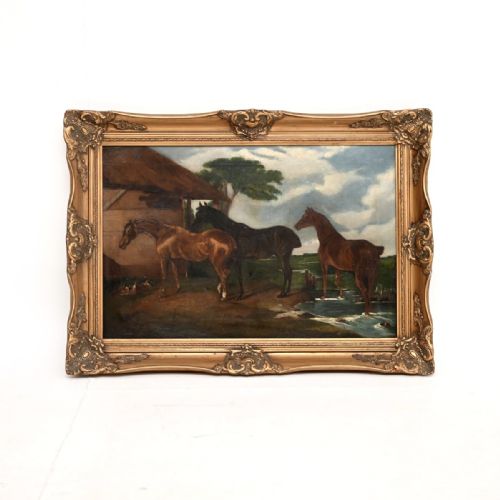


18th Century Horse Art
These pieces of 18th century horse art capture equine subjects through oil, wood, and paper, offering a direct link to historical equestrian culture.
18th Century Horse Art
When you search for 18th century horse art, you encounter a distinct mix of oil paintings, works on paper, and carved wooden objects. These pieces range from formal portraits of racehorses and military commanders to naive folk carvings and Scandinavian household items.
The material on this page leans heavily towards Georgian oil paintings and early works on paper, alongside Northern European school drawings and carved wooden figures. Buyers frequently find both academic portraits and vernacular objects within this category.
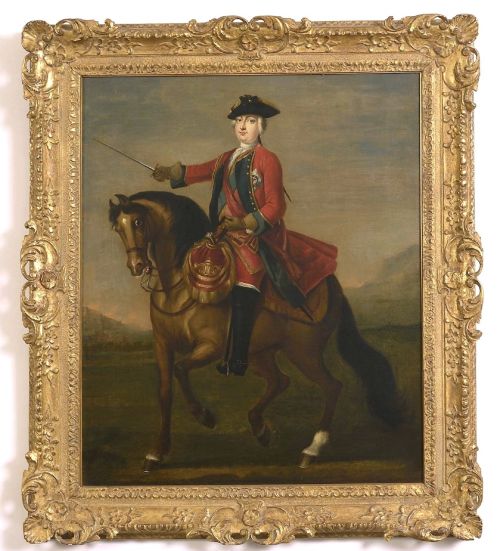
Portraits of specific animals, such as named racehorses, sit alongside broader equestrian studies and domestic scenes involving grooms and carts. Each format reflects the deep economic and cultural importance of the horse during the Georgian era.
Materials and methods
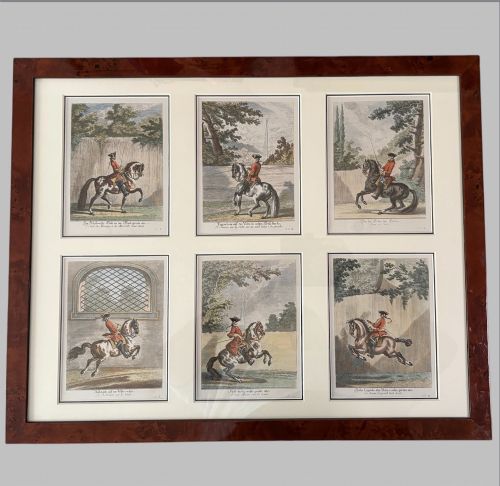
Artists and makers worked with oil on canvas, oil on pine panel, and ink on paper, applying pigments by hand to document their subjects. Engravings relied on copper plates to transfer detailed imagery, which workers then coloured by hand.
Carvers shaped wood into figures and panels, utilising simple tools to create both naive sculptures and functional items like mangle boards. These physical supports determine the survival and condition of each surviving piece.
Listings feature oil on canvas, oil on pine panel, paper, glass, ink, and watercolour across the 18th century, Georgian, and 19th century periods.
Judging quality in equestrian pieces
The distinction between ordinary and superior works rests on the precision of the draughtsmanship and the artist's understanding of equine anatomy. Academic portraits display an advanced command of proportion and light, whereas folk art prioritises expressive, simplified forms.
Material longevity and original surface preservation dictate the standing of a piece, with untouched oil panels and early hand-coloured prints holding greater historical integrity. The hand of a documented artist or a named engraver elevates the stature of the work significantly.
John Wootton·Thomas Hudson·Ridinger·George Morland·W Williams·Thomas Rowlandson·Harry Ashby·Johan Noah Bemmel
The 18th Century Horse Art Glossary
- Equestrian study
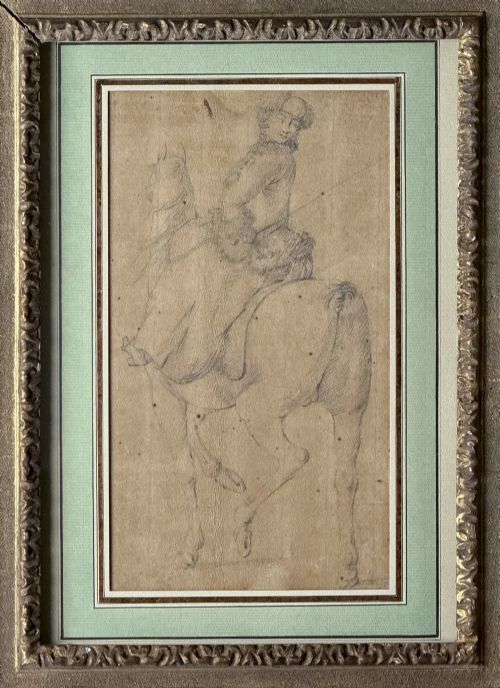
- A drawing or painting focusing specifically on the anatomy, movement, or posture of a horse. These works often served as preparatory sketches for larger history paintings.
- Mangle board
- A carved wooden board used in Scandinavian households for pressing linen, typically featuring decorative horse carvings at the terminal handle. They represent a blend of utility and folk art.
- Copper engraving
- A printmaking technique where an image is incised into a copper plate with a burin, then inked and pressed onto paper. These plates allowed multiple detailed impressions of horses and riders to be produced.
- Naive art
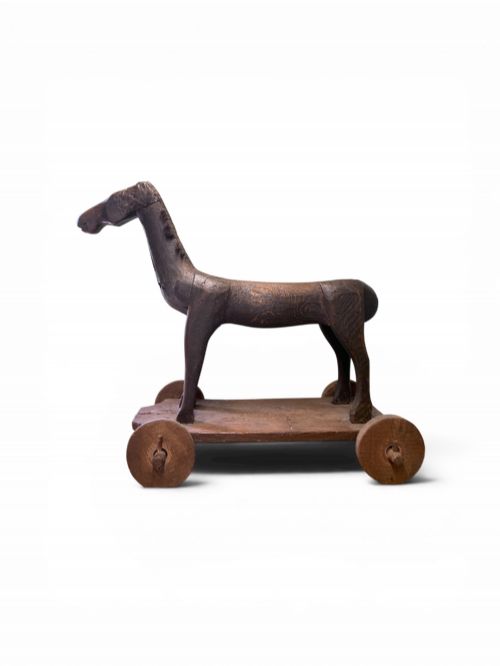
- Artwork created by a self-taught hand, showing a disregard for formal academic perspective in favour of direct, symbolic expression. In this category, it often describes early carved wooden toys.
- Pinxit
- A Latin term meaning painted by, historically inscribed on canvases alongside the artist's name. It confirms the authorship attributed to the work.
18th Century Horse Art: Frequently Asked Questions
What subjects appear in 18th century horse art?
These works depict named racehorses, military figures on horseback, rural scenes with grooms, and stylized folk carvings of animals. They document the central role horses played in transport, sport, and warfare.
Subjects range from precise academic portraits by known artists to simple wooden toys and decorative household objects made by anonymous makers.
How do I identify a Georgian horse painting?
Georgian paintings usually feature specific canvas preparations, traditional oil pigments, and subject matter tied to contemporary racing or military history. Clothing, tack, and architectural backgrounds offer further clues to the period.
Signatures, inscriptions on the reverse, and historical framing styles help confirm the production date and attribution of the artwork.
How should I care for antique works on paper?
Works on paper require protection from direct sunlight and high humidity to prevent fading and foxing. Framing with acid-free materials ensures the paper remains stable over time.
Displaying them away from direct heat sources preserves both the ink and the hand-applied watercolours found on period engravings.