

18th Century Gentleman Portrait
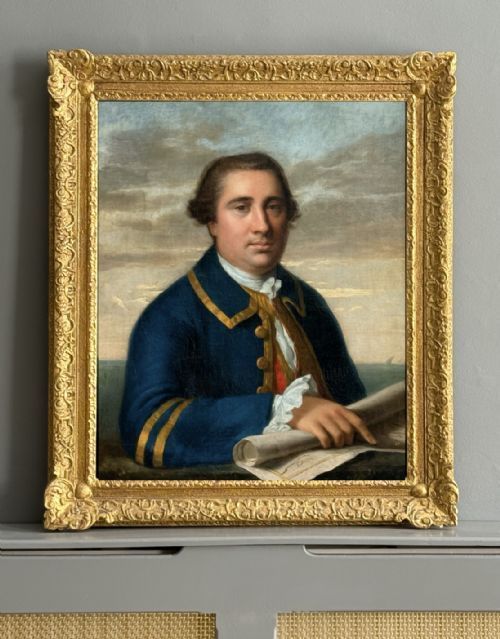
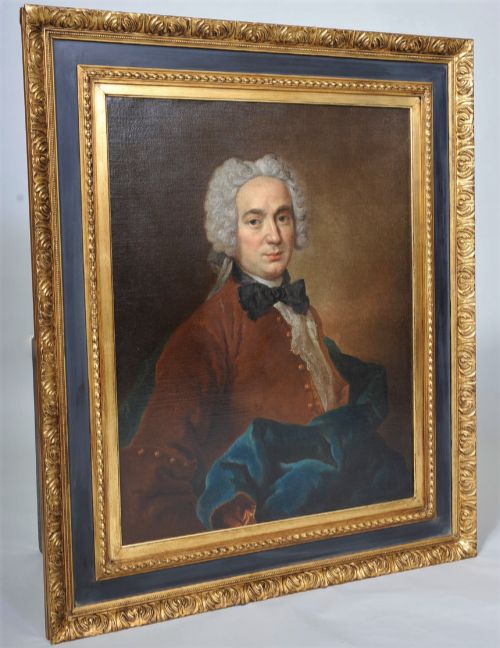
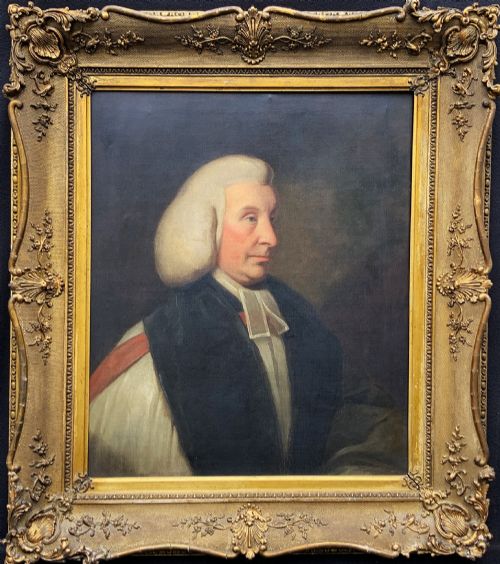
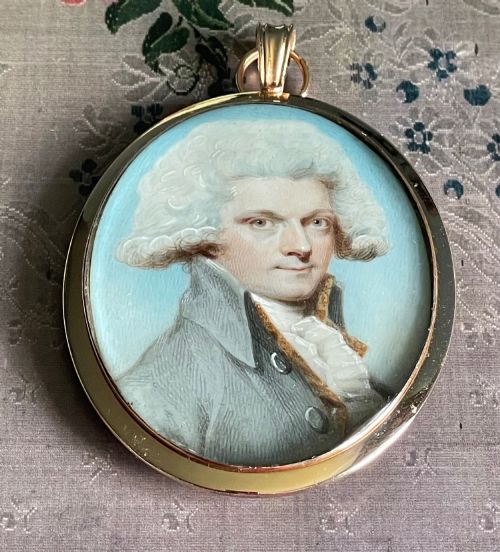
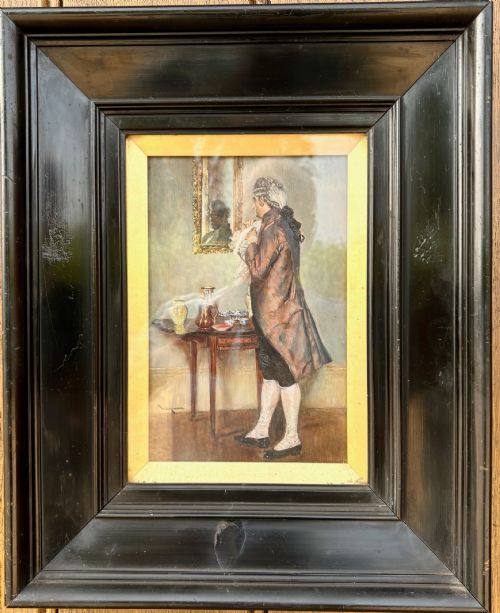
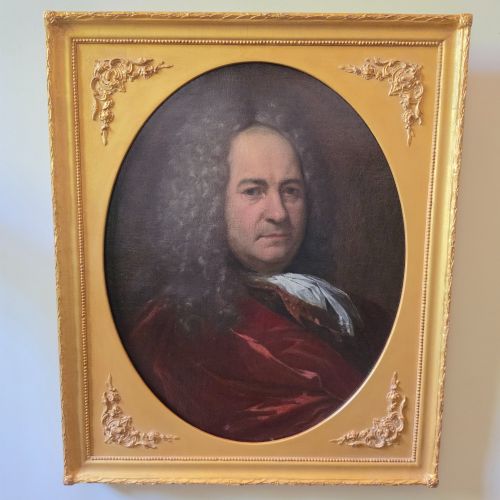
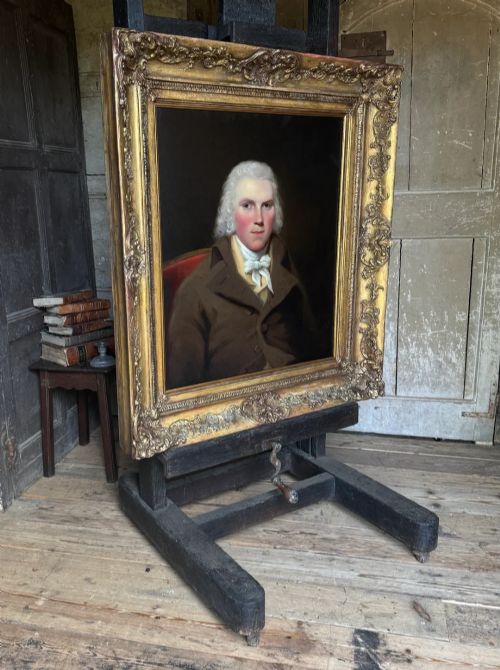
An 18th century gentleman portrait captures the likeness and status of male sitters through oil on canvas and delicate miniature painting.
18th Century Gentleman Portrait
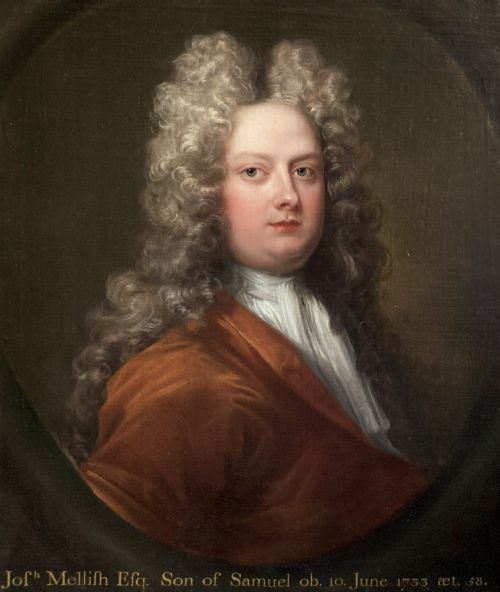
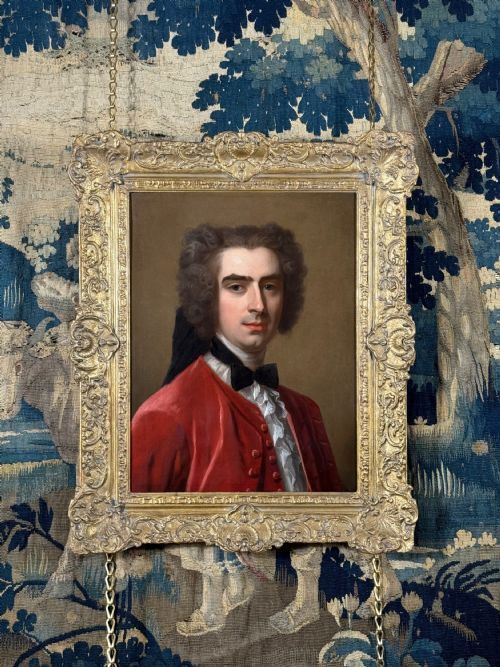
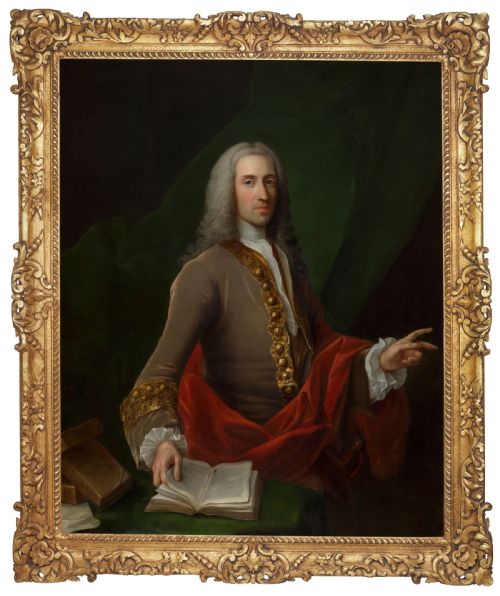
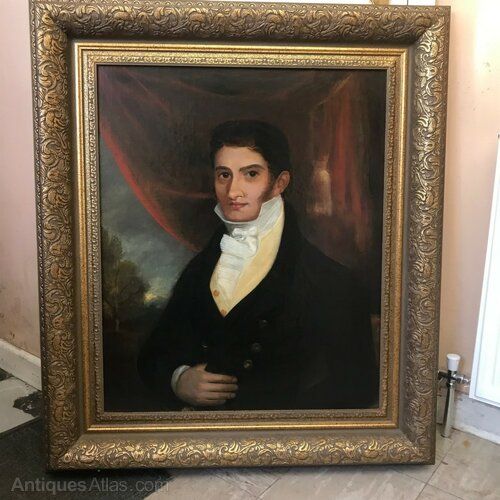
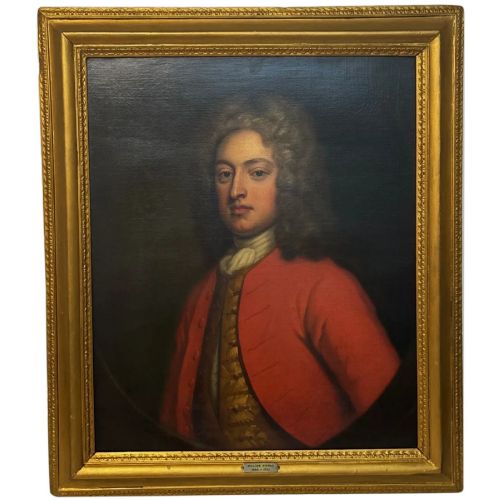
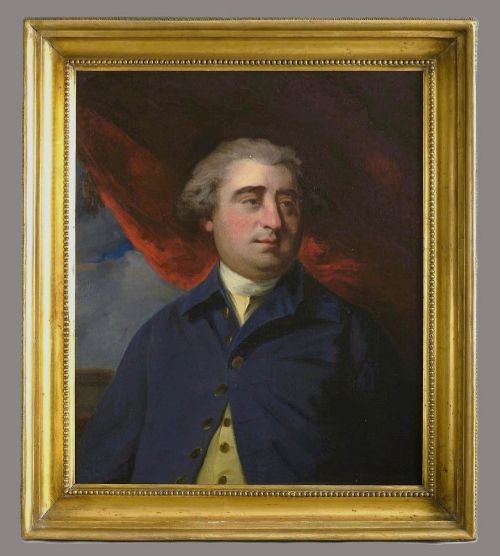
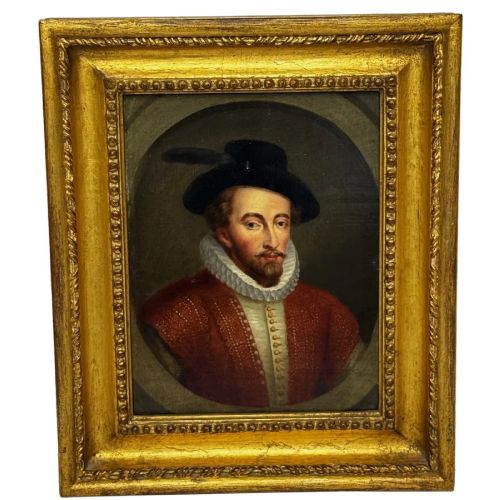
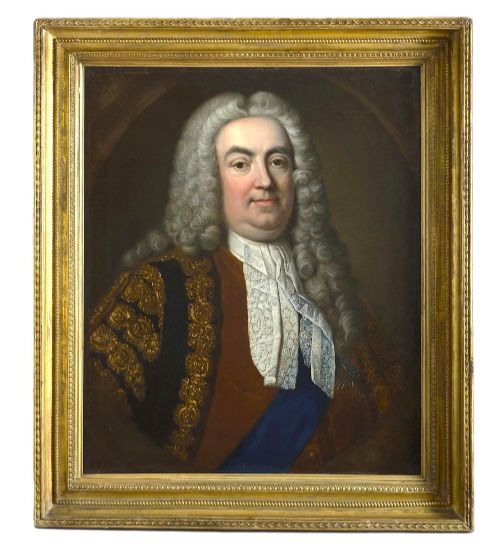
When exploring an 18th century gentleman portrait, collectors encounter oil paintings on canvas alongside intimate portrait miniatures framed in gold or gilt metal. The sitters range from merchants and medical doctors to peers and military officers, frequently identified by their attire, wigs, or symbols of their profession such as books and documents.
The material record spans British, French, German, Dutch, Italian, and Swedish schools, with many pieces originating from the Georgian period or attributed to named painters and regional workshops. Buyers regularly find large canvases meant for grand interiors alongside smaller panel paintings and portable keepsakes.
How They Were Made
Painters built these works using oil on canvas, wood panel, or copper, sometimes laying original canvases onto wood panels for structural support. Pigments were applied to primed surfaces to render complex garments like crimson coats, lace jabots, armour, and velvet waistcoats.
Portrait miniatures required meticulous work on delicate supports, often housed within 14K gold frames or protective glass pendents. Framing relied on carved giltwood and gilt metal stands that complemented the opulence of the period.
18th Century Gentleman Portrait Retail Price Guide 2026
Typical asking prices for 18th century gentleman portrait among the pieces listed under this phrase on Sellingantiques today, from the lower quarter to the upper quarter. They describe what is for sale here now, not the wider market.
Listings feature oil on canvas, gold leaf, and glass across 18th century and Georgian periods.
What Varies in Quality
Original unlined canvases and authentic period frames preserved in good condition elevate a piece above canvases that have suffered extensive re-lining or heavy restoration over the centuries.
Sir William Beechey·Charles Jervas·Jean-Baptiste Van Loo·Jeremiah Davison·Lemuel Francis Abbott·Sir Joshua Reynolds·Francis Hayman·Michael Dahl·Thomas Hudson·Joseph Highmore·Thomas Hickey·Francis Cotes
The 18th Century Gentleman Portrait Glossary
- Oil on canvas
- A painting medium where pigments are suspended in drying oils and applied to a stretched woven fabric support. This method dominated portraiture for its versatility in blending tones.
- Portrait miniature
- A small, highly detailed painting designed for personal keepsake or private display. These works utilised watercolor or oil on ivory, vellum, or card.
- Giltwood
- Wood that has been coated with a thin layer of gold leaf or powder. It provides ornate, reflective framing for formal oil paintings.
- Plumbago
- A drawing executed in graphite, taking its name from the Latin term for lead ore. These monochromatic works offer precise linear detail.
- Periwig
- A voluminous man's wig fashionable among the upper classes during the late seventeenth and eighteenth centuries. Its size and style often denote the social rank of the wearer.
18th Century Gentleman Portrait: Frequently Asked Questions
How do I identify the sitter?
Sitters are often identified by inscriptions on the canvas, accompanying documents, or family provenance recorded by the artist or later owners. Heraldic devices, rings, books, and specific uniforms also provide clues to their identity.
Researching the painter can sometimes reveal the social circle or commission records tied to the portrait. When no markers exist, the clothing style and wig type offer a general timeframe for the identification.
What do the props mean?
Props signify the profession, interests, or social standing of the gentleman portrayed in the artwork. Books and letters indicate a scholar or merchant, while architectural plans point to a surveyor or designer.
Military attire, tricorn hats, and weapons signal service in the armed forces or privateer vessels. Medical instruments or status symbols like a lace jabot reveal elite professional standing.
How do I care for an oil portrait?
Display oil paintings away from direct sunlight and fluctuating humidity to protect the canvas and wooden stretcher frames. Dust the surface gently with a soft, dry brush without applying pressure to the paint layers.
Avoid using liquid cleaners or attempting DIY restorations on cracked paint or aged varnish. Professional conservators should handle any structural repairs or deep cleaning.
Are miniatures painted on ivory?
Miniatures from this era were painted on various delicate surfaces including vellum, card, and prepared paper, alongside ivory sheets introduced later. The smooth surface allowed artists to achieve remarkable detail on a tiny scale.
Protective glass and gold frames shielded these fragile materials from moisture and handling damage. Examining the backing helps determine the specific support utilised.