






18th Century Flower Painting
These 18th century flower painting examples capture botanical studies and still life works on canvas, porcelain, and panel that bring period interiors to life.
18th Century Flower Painting
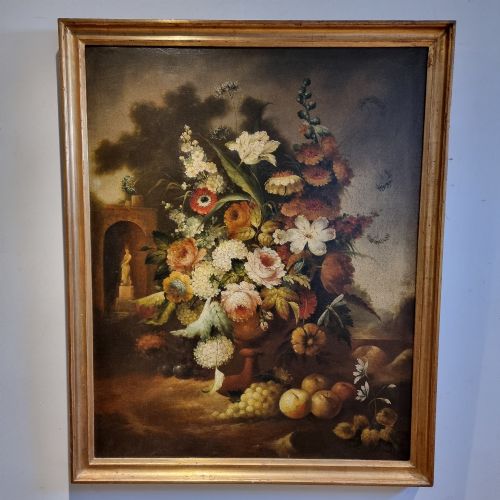
An 18th century flower painting encompasses oil on canvas works, Dutch School floral still lifes, and botanical compositions originating from continental and British schools. These pieces record natural specimens with careful observation of petals, foliage, and stems against dark backgrounds.
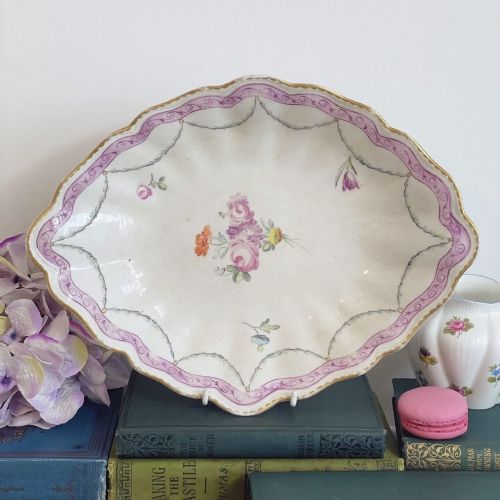
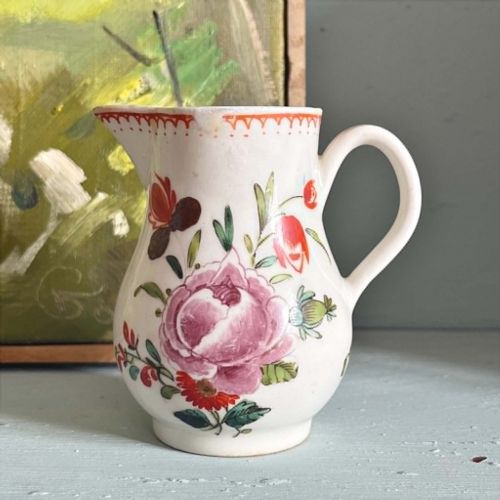
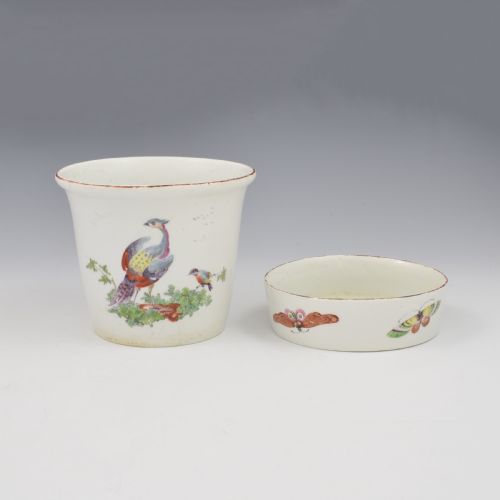
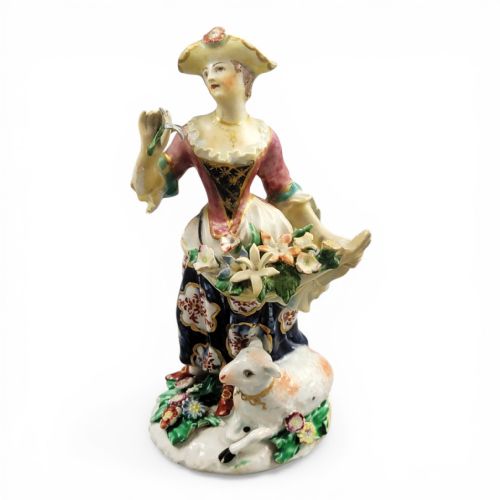
Beyond flat canvases, the category extends to porcelain serving dishes, cream jugs, jardinieres, and figures adorned with handpainted polychrome floral decoration. Makers such as Meissen, Derby, Bow, and Worcester applied botanical motifs to glazed ceramics and soft-paste bodies.
The surviving selection bridges traditional canvas works and decorative arts, uniting oil paintings with gouache studies, carved wooden panels, and enamel-decorated porcelain. Buyers encounter works attributed to continental European traditions alongside domestic British porcelain and period portraits incorporating floral elements.
How They Were Made
Canvas and oak panels provide the foundation for oil and gouache paintings, where layered pigments build depth in petals and leaves. Ceramic pieces utilise soft-paste porcelain, enamel, and glaze, fired to set intricate polychrome colours and gold leaf accents.
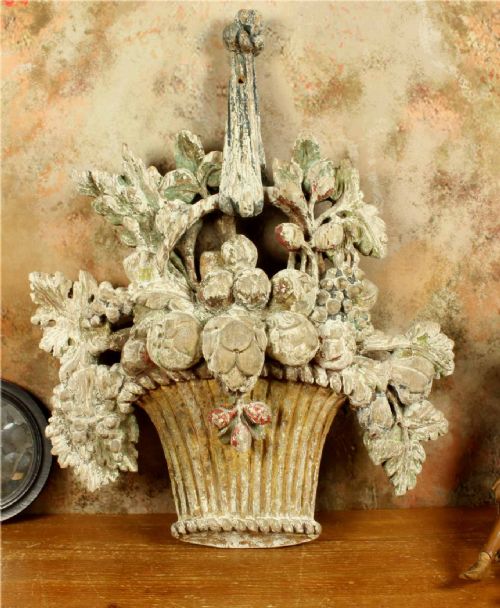
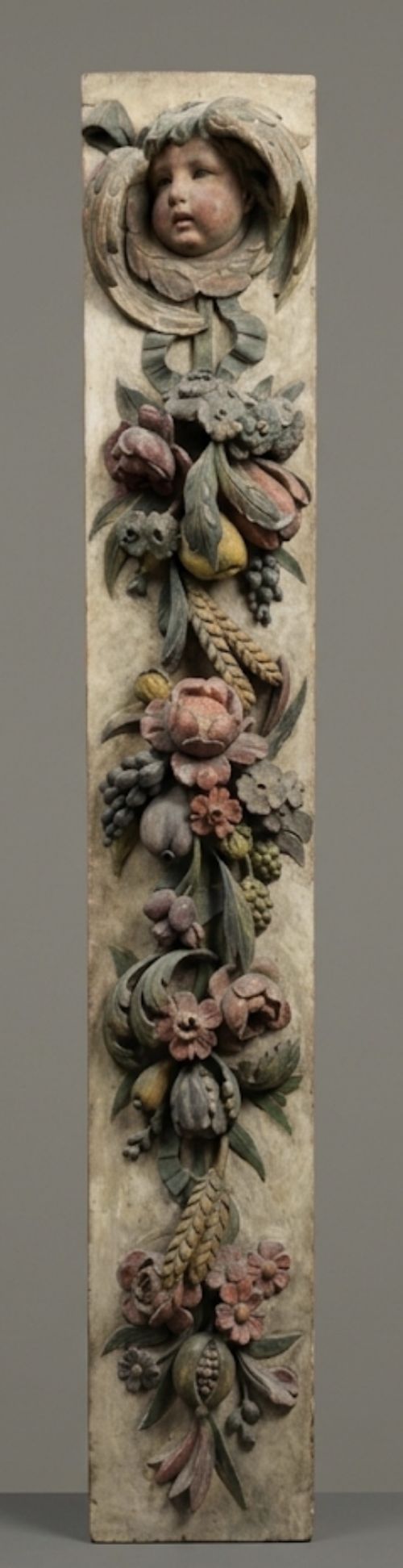
Wood carvers shaped panels and frames from oak and rosewood, applying polychrome paint and giltwood finishes. Painters worked by hand, blending mineral and earth pigments to achieve realistic botanical tones on both ceramic surfaces and woven textiles.
Listings feature oil paintings on canvas and oak panels alongside soft-paste porcelain cream jugs, jardinieres, and figures from the eighteenth century.
What Varies in Quality
The refinement of brushwork and pigment handling dictates the success of a canvas, separating hurried decorative output from observant botanical illustration. On ceramics, the precision of the polychrome enamel application and the clarity of the glaze determine the piece's standing.
Compositional balance and the preservation of the original surface influence desirability. Works retaining undisturbed glazes, crisp carved details, or untouched paint layers carry greater integrity than those altered by later restoration.
Robert Byng·Pierre Joseph Redouté·Tilly Kettle·John Verelst
The 18th Century Flower Painting Glossary
- Polychrome
- Decorated in several colours. This technique defines the multi-coloured floral motifs found on porcelain vessels and painted panels.
- Soft-paste porcelain
- A ceramic material composed of clay and glass frit, fired at lower temperatures than hard paste. It forms the body of many mid eighteenth century teapots and figures.
- Gouache
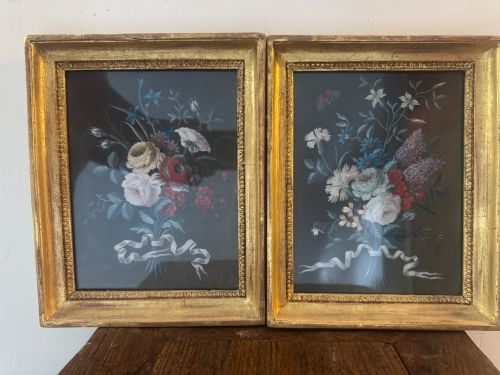
- An opaque water-based paint method. Artists used this medium for detailed botanical studies on paper and gouache still life pairs.
- Jardiniere
- An ornamental pot or stand for holding plants or flowers. Examples range from Japanese Arita Imari porcelain to British ceramic forms.
- Dutch School
- A grouping of painters working in the Netherlands during the seventeenth and eighteenth centuries. Their floral still life compositions heavily influenced later European botanical art.
18th Century Flower Painting: Frequently Asked Questions
How do I clean an old oil painting?
Surface dust should be removed gently with a soft, dry brush by a specialist conservator. Household cleaners and moisture must be kept away from historic painted surfaces.
Canvas and wood panels react to humidity changes, so these works require stable environmental conditions away from direct sunlight and heat sources.
Are porcelain floral items food safe?
Historic ceramic pieces featuring enamel paint and soft-paste bodies are intended for display rather than modern culinary use. Glazes from the eighteenth century can degrade or contain trace elements unsuited for food.
Handwash care is essential if handles or spouts on items like cream jugs are handled, protecting delicate polychrome flowers from wear.
How do I identify a Dutch School still life?
Dutch floral paintings typically feature dark backgrounds that make bright blooms stand out with high contrast. The arrangement often includes insects, water drops, and botanical specimens rendered with scientific accuracy.
Panels made of oak frequently serve as the primary support for these continental works, distinguishing them from later British canvas paintings.
What is Chinese Export porcelain with flowers?
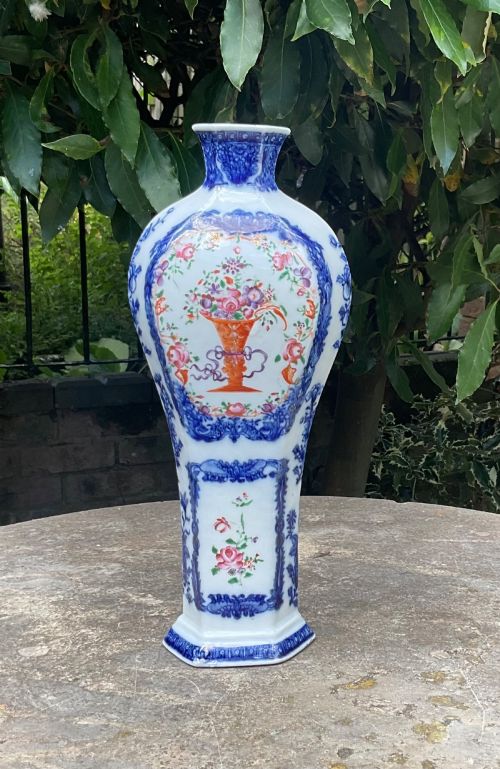
Chinese Export pieces were manufactured in China specifically for European markets during the Qing dynasty. Famille rose palettes and Imari designs incorporated Western botanical preferences onto durable ceramic bodies.
These vessels combine Asian ceramic manufacturing techniques with European decorative demands, often featuring handpainted floral sprays and gilt details.