
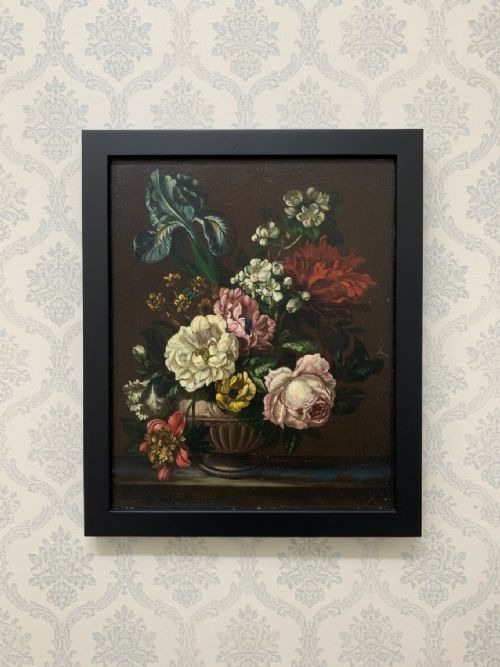
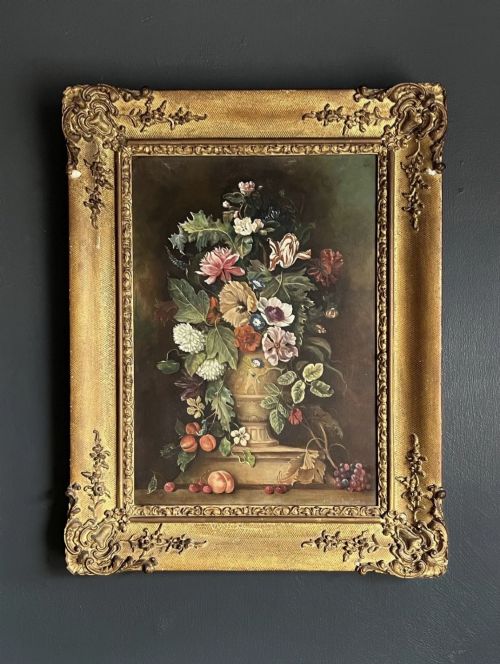
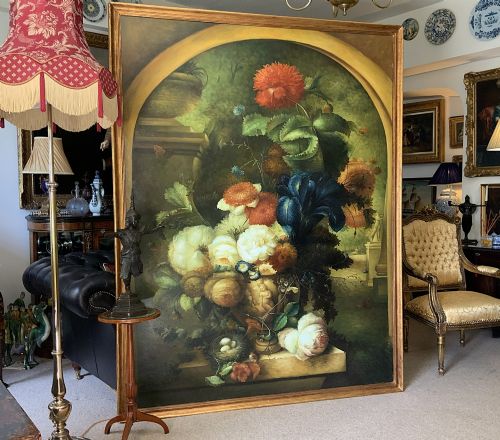
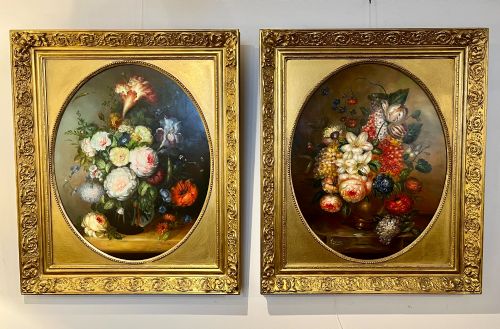


Antique Dutch Flower Painting
An antique dutch flower painting brings the rich botanical drama of the Low Countries into a room.
Antique Dutch Flower Painting
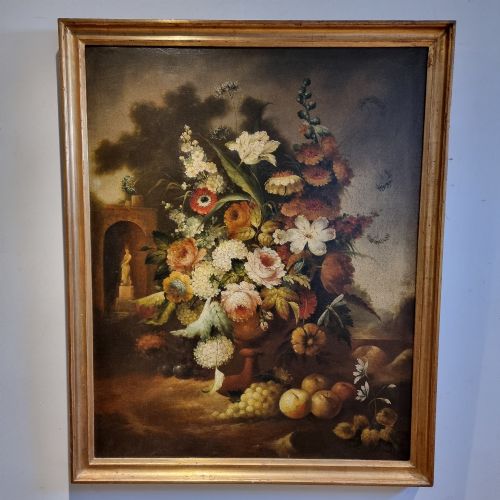
When you search for an antique dutch flower painting, you encounter works ranging from seventeenth-century originals to later nineteenth and twentieth-century revivals. The pieces on this page span diverse periods, including seventeenth-century works, eighteenth-century examples, and interpretations from the nineteenth and twentieth centuries.
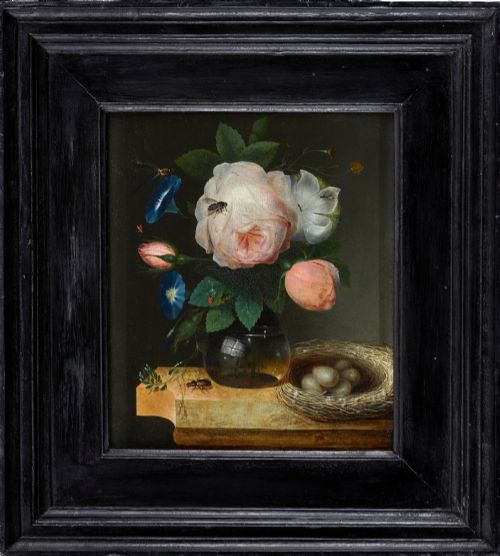
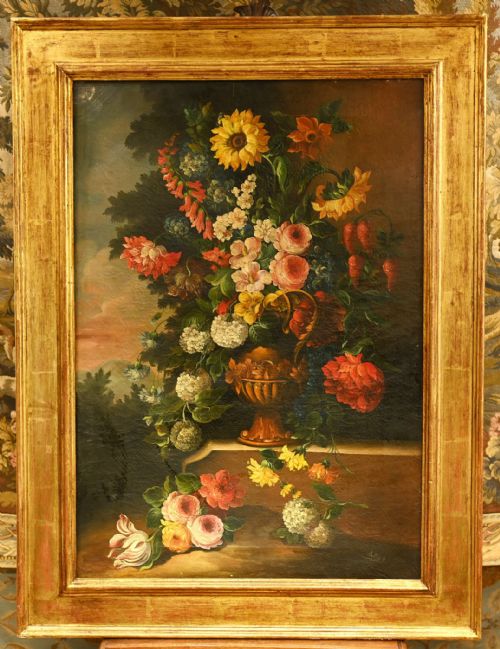
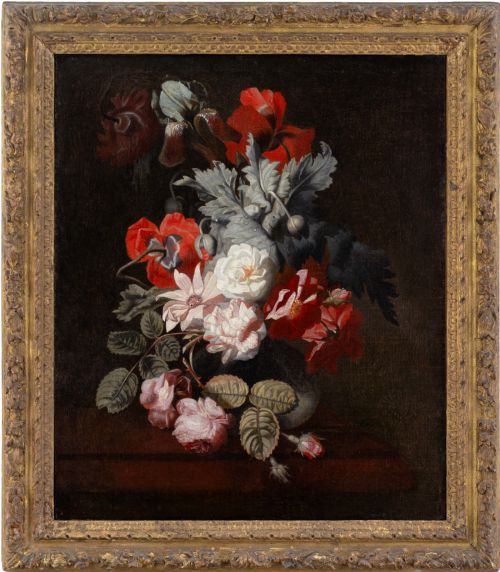
Most entries take the form of oil paintings on canvas, panel, or board, depicting elaborate floral arrangements in vases. You also find associated forms such as oil paintings on canvas or panel, framed works, and occasionally related objects like a seventeenth-century Dutch Delft blue and white vase.
These compositions capture blooms such as tulips and roses, frequently accompanied by fruit, birds, or insects. The selection moves between authentic seventeenth-century pieces and later revivals executed in the Dutch Golden Age style, Flemish Baroque, and eighteenth-century Dutch traditions.
Materials and Techniques
Artists painted primarily with oil paint on supports of canvas, wood panels, or board, building up rich surfaces that capture the depth of petals and foliage. Oak panel serves as a traditional support in certain eighteenth-century northern European examples.
Many of these works are housed in substantial frames fashioned from wood, embellished with gesso and gold leaf or finished in gilt. These gilded settings complement the dark, dramatic backgrounds typical of the style.
Materials recorded across the selection include oil on canvas, oil on panel, oil on board, oak panel, gesso, gold leaf, and gilded wood.
Judging Quality
Quality rests in the handling of light across petals and leaves, the precision of botanical detail, and the depth achieved in the surrounding shadows. Earlier seventeenth-century examples often display a meticulous rendering of textures that sets them apart from later interpretations.
The integration of the frame matters greatly, particularly where period gilt gesso or carved wood frames enhance the visual weight of the canvas. The conviction of the brushwork and the balance of the composition distinguish a masterly still life from a routine study.
Gaspar Peeter Verbruggen·Simon Pietersz Verelst·Calzolari·Terence Loudon·J Brandt·James W Milliken
The Antique Dutch Flower Painting Glossary
- Still life
- A painting or drawing depicting inanimate subject matter, typically commonplace objects which may be either natural or man-made. In this context, it refers specifically to arrangements of flowers, fruit, and insects.
- Oil paint
- A type of slow-drying paint consisting of particles of pigment suspended in a drying oil, commonly linseed oil. This medium allows for smooth blending and rich tonal depth.
- Panel
- A flat piece of wood used as a support for a painting before canvas became dominant. Oak panels appear frequently in northern European works.
- Gesso
- A paint mixture consisting of a binder mixed with chalk, gypsum, or pigment, used to prepare a substrate such as wood for painting or gilding. It provides a smooth surface for gold leaf.
- Dutch Golden Age style
- An artistic approach reflecting the realism, dramatic lighting, and detailed observation characteristic of seventeenth-century Dutch art.
Antique Dutch Flower Painting: Frequently Asked Questions
What is an antique dutch flower painting?
These works are oil paintings depicting botanical arrangements, often featuring vases filled with tulips, roses, and summer flowers alongside fruit or insects. They encompass seventeenth-century originals as well as later nineteenth and twentieth-century revivals.
The tradition draws on the aesthetics of the Dutch Golden Age, presenting dark backgrounds that make the luminous colours of the blooms stand out with striking contrast.
How do I date an antique dutch flower painting?
Dating relies on examining the support materials, such as oak panels for eighteenth-century works versus twentieth-century canvas boards, alongside the style of the brushwork. Frame construction and the type of gesso or gilding also offer strong chronological clues.
Signatures, attributions, and historical records tied to specific artists help narrow the period of creation from the seventeenth century through to mid-century revivals.
Where should I hang an antique dutch flower painting?
These pieces suit traditional reception rooms, dining areas, or studies where their rich palettes and detailed botanical subjects can be appreciated at close range. Their dramatic lighting complements period interiors and darker wall colours.
Protecting the canvas from direct sunlight and excessive humidity ensures the oil paint and gilded wood frames remain preserved over time.
What subjects accompany the flowers in these paintings?
Compositions frequently incorporate elements such as butterflies, birds, bird nests, and assorted fruit like grapes or peaches. These additions reflect the memento mori and natural philosophy themes popular in seventeenth-century Dutch and Flemish art.
Some works also place the floral arrangements within architectural settings or beside glass vases, adding layers of reflection and transparency to the scene.