








Framed Oak Panel Painting
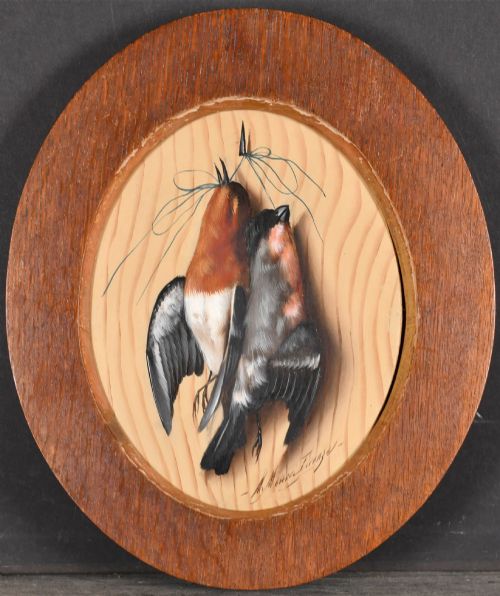
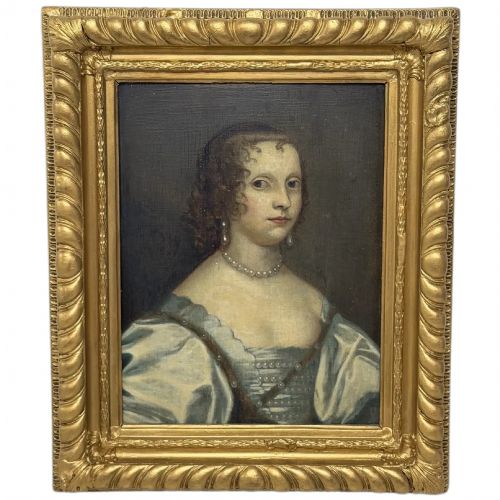
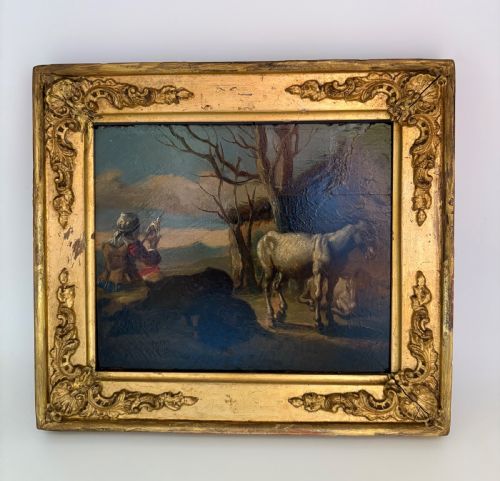
These framed oak panel painting examples span seventeenth-century portraits to nineteenth-century landscapes, bringing substantial historical character to any room.
Framed Oak Panel Painting
A framed oak panel painting brings together historic timber supports and oil paint, forming robust artworks that survive across centuries.
Buyers seeking a framed oak panel painting encounter seventeenth-century British and continental portraits alongside eighteenth-century Dutch still lifes.
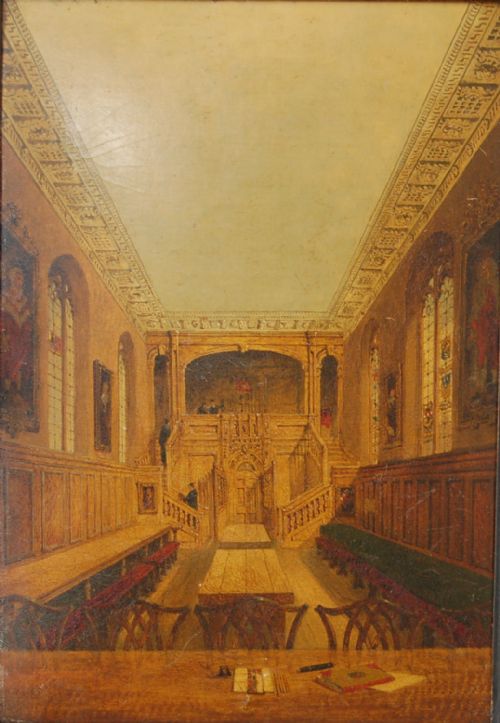
The format ranges from small seventeenth-century panels depicting figures to larger nineteenth-century landscapes housed in gilt frames.
Materials and construction
Artists painted directly onto prepared wood panels, predominantly oak, using traditional oil paint mixtures that bonded firmly with the timber.
Completed panel artworks were subsequently mounted within decorative frames, frequently utilising giltwood or wood mouldings to protect the edges.
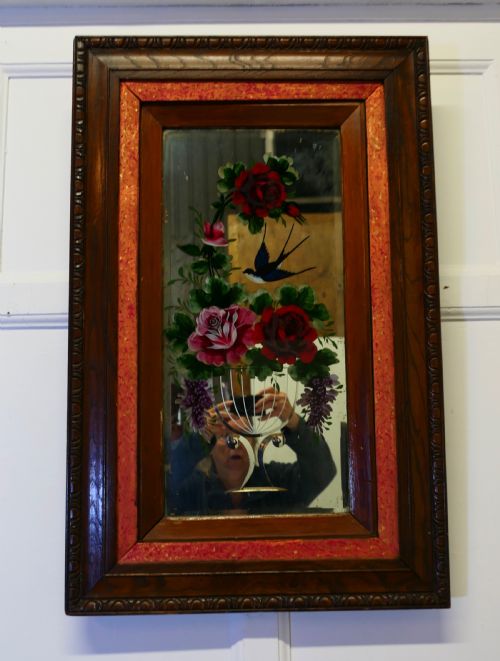
The listings include oak panels paired with oil paint, alongside related items such as tiles, mirrors, and faience plaques.
Factors of quality
The refinement of brushwork and the expressive capability of the portraiture or landscape define the artistic merit of each panel.
The preservation of the original wood support and the integrity of the paint layer determine the overall calibre of the piece.
The Framed Oak Panel Painting Glossary
- Oak panel
- A rigid board of oak timber used as a structural base for painting instead of canvas.
- Oil paint
- Pigment mixed with a drying oil, applied in layers upon the wood surface.
- Giltwood
- Wood carved and covered with a thin layer of gold leaf, forming decorative frames.
- Dutch School
- A collective term for seventeenth-century artists working in the Netherlands, known for still lifes and domestic scenes.
- Portrait miniature
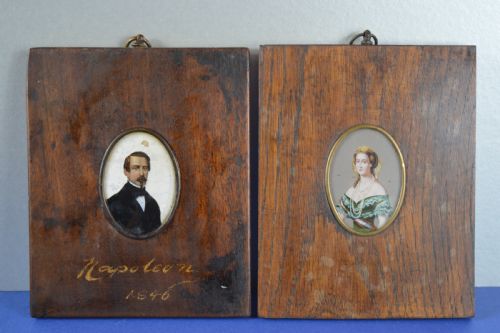
- A small-scale painting capturing a likeness, often framed for intimate display.
Framed Oak Panel Painting: Frequently Asked Questions
How do I care for an old panel painting?
Keep the artwork away from direct heat sources and sudden humidity shifts, which cause the wood to expand or contract.
Dust the surface gently with a soft, dry brush and avoid applying liquid cleaners directly to the paint layer.
Why use wood instead of canvas?
Wood panels provided a completely rigid and durable surface that artists favoured for fine, detailed brushwork.
Oak was readily available in Northern Europe, making it a standard choice for painters working in Dutch and British traditions.
How are these paintings normally displayed?
These works arrive fitted with appropriate frames, allowing them to be hung directly onto walls as focal points.
Ensure your wall fixings can support the combined weight of the dense oak panel and its frame.