




18th Century Flagon
An 18th century flagon brings sturdy utility and historic gravitas to a room, offering a tangible connection to the taverns, churches and households of the Georgian era.
18th Century Flagon
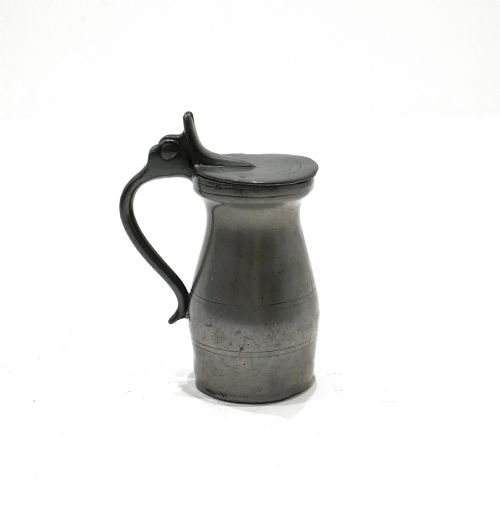
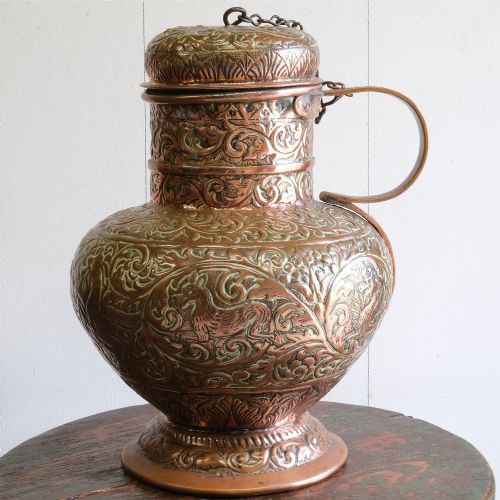
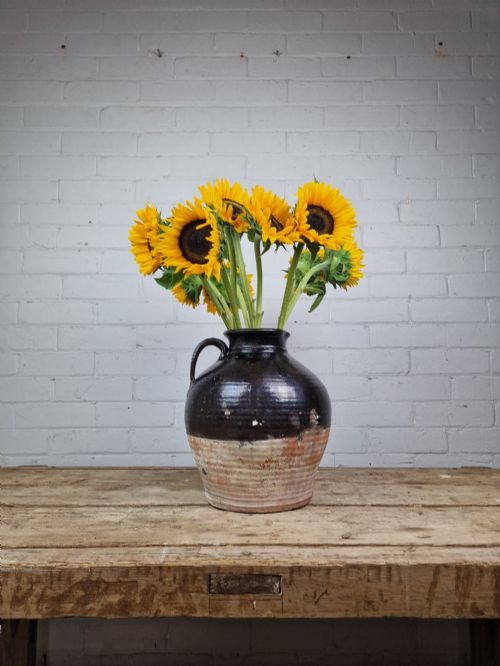
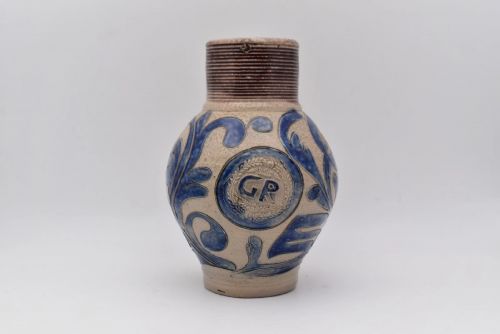
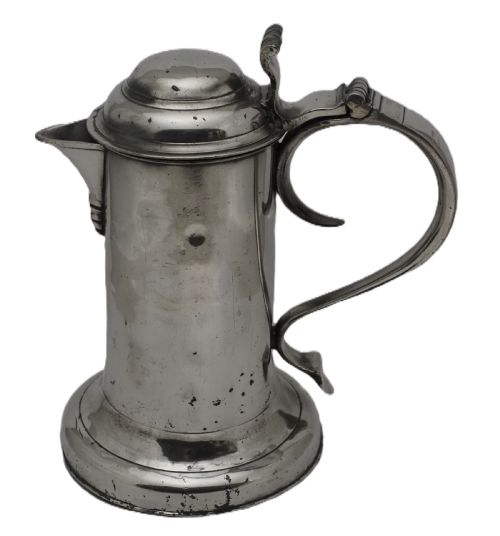
An 18th century flagon encompasses heavy-duty vessels designed to hold liquids such as ale, wine, oil or church spirits, ranging from domestic pitchers to imposing ecclesiastical pieces. The selection on this page is dominated by substantial English pewter flagons alongside stoneware bottles, copper jugs and sterling silver tankards.
Makers fashioned these vessels for both secular and religious use, creating distinct regional forms like spire flagons, flat-lidded measures and salt-glazed containers. Buyers will encounter robust country pieces as well as refined town silver, reflecting the diverse material culture of the period.
Materials and construction
Craftsmen utilised metals such as pewter, copper and sterling silver, shaping them through casting, hammering and soldering to achieve watertight vessels with sturdy handles and hinged lids. Pewter was cast in moulds before being turned on a lathe and finished by hand, while silver and copper required expert sheet manipulation and riveting.
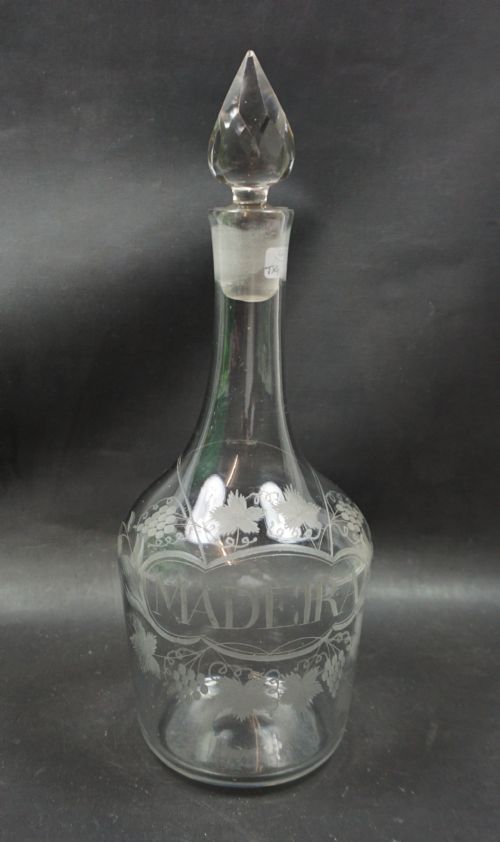
Ceramic pieces relied on stoneware clay bodies fired at high temperatures and finished with salt glaze, often featuring applied medallions or incised ciphers. Glass versions were free-blown or mould-blown, resulting in thick walls with characteristic bubbles and iridescent patination developed over centuries.
Current listings feature pewter, copper, stoneware, sterling silver and blown glass items originating from England, Germany, Ireland and Jersey.
Assessing quality and authenticity
Quality rests upon the crispness of maker marks, the integrity of original surface patinas and the structural balance of handles, spouts and lids. Superior examples retain their original lids, uncompromised touchmarks and crisp cast details without excessive wear or modern repairs.
The weight of the metal and the precision of the lathe work differentiate standard utilitarian vessels from masterworks commissioned for prominent churches or wealthy patrons. Condition plays a vital role, with untouched surfaces and clear touchmarks commanding greater appreciation among collectors.
John Heaney·Robert Iles·John De St Croix
The 18th Century Flagon Glossary
- Flagon
- A large vessel with a handle and lid, traditionally used for holding liquids such as wine or ale. These pieces often feature thumbpieces and secure hinges.
- Salt Glaze
- A ceramic finish achieved by throwing common salt into the kiln during high-temperature firing, producing a textured, orange-peel surface. This durable glaze protects stoneware from moisture.
- Touchmark
- An official stamp impressed by a metalsmith or pewterer to certify the standard of their alloy and identify their workshop. These marks serve as crucial evidence for dating and provenance.
- Spire Flagon
- A tall, tapering ecclesiastical vessel topped with a distinct conical lid resembling a church spire. These forms were frequently utilised in religious services.
- Old Sheffield Plated
- A composite material made by fusing a thin sheet of sterling silver to a thicker copper base, developed in the eighteenth century to offer silver goods at a lower cost. Items made this way show copper blushing where the silver layer has worn thin.
18th Century Flagon: Frequently Asked Questions
What were 18th century flagons used for?
These vessels served everyday domestic needs in homes and taverns for pouring beer, wine and cider. They also fulfilled formal roles in churches for holding communion wine or sacramental liquids.
Larger capacity pieces acted as storage containers for household provisions, while smaller measures dispensed precise quantities of spirits.
How do I care for antique pewter?
Keep antique pewter dry and dust it gently with a soft cloth to protect the mellow surface patina. Avoid harsh modern metal polishes that strip away the historic grey finish and reduce the value of the piece.
Display the vessel away from direct heat sources and damp environments to prevent further oxidation or structural stress.
How can I tell the age of a flagon?
Examine the construction methods, handle attachments and lid designs, which evolved significantly from the seventeenth century through the Georgian period. Tool marks left by lathes and hand-hammering offer clear clues to manufacturing dates.
Maker marks, touchmarks and royal ciphers stamped onto the metal or ceramic provide definitive reference points for dating the piece.
Can I use these vessels for serving drinks?
While many metal and ceramic flagons remain structurally sound, historic pieces containing lead solder or aged linings are generally unsuited for modern consumption. Enjoy them primarily as decorative objects or historical artefacts rather than functional tableware.
Using antique vessels for acidic or alcoholic drinks can also damage the fragile interior surfaces and remaining patina.