



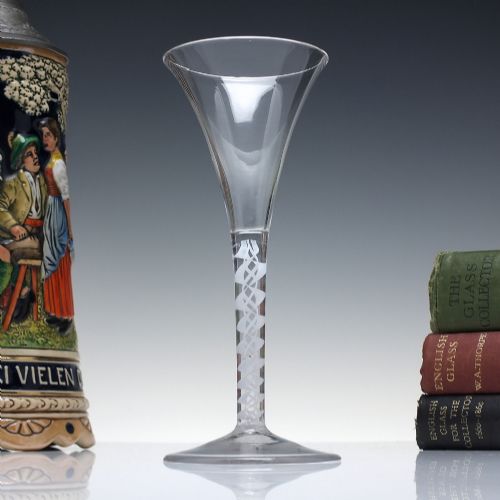


18th Century Enamel Bowl
An 18th century enamel bowl brings the vivid palettes and delicate hand-painted scenes of Georgian and Qing craftsmanship directly to the table.
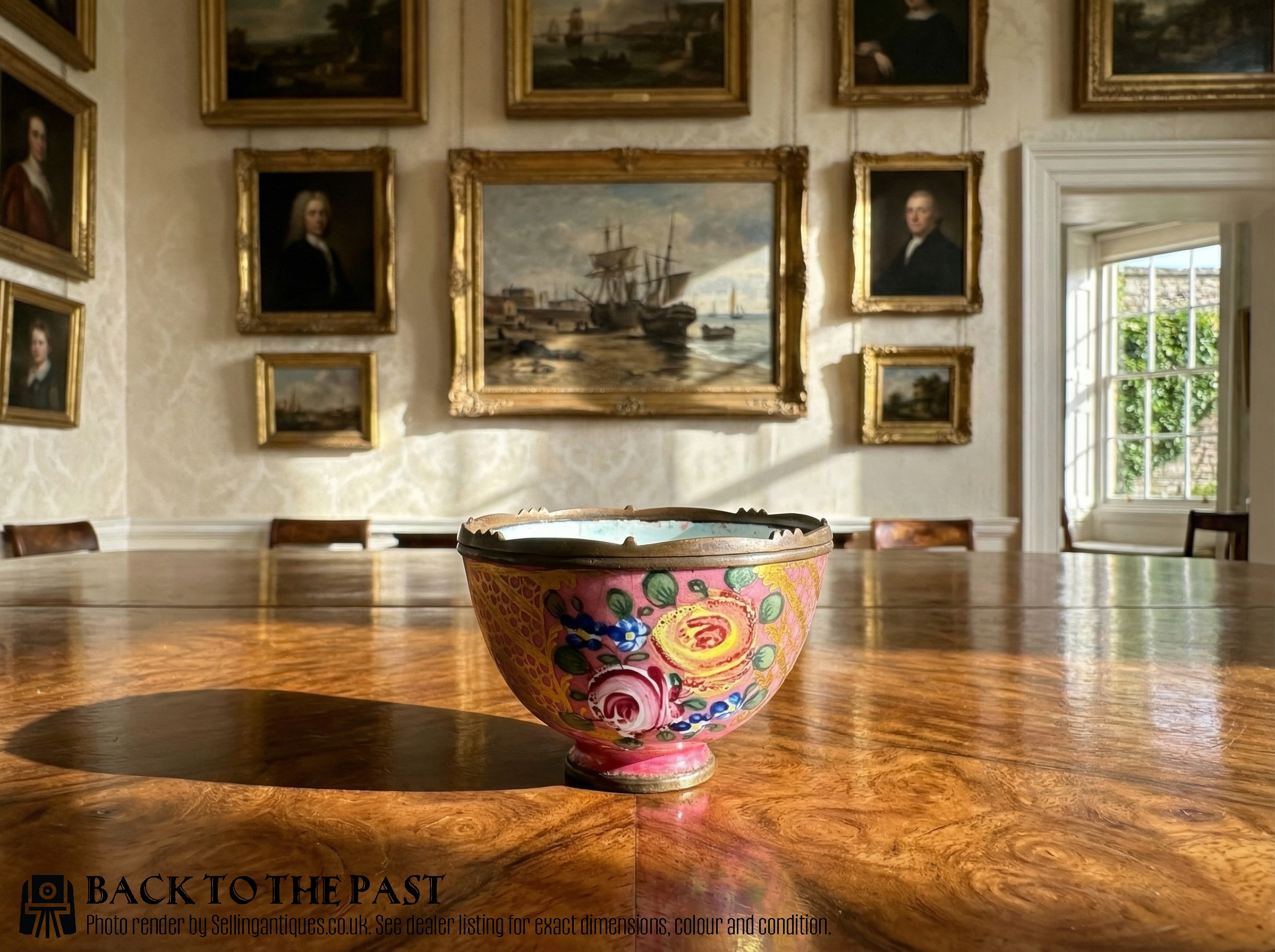
18th Century Enamel Bowl
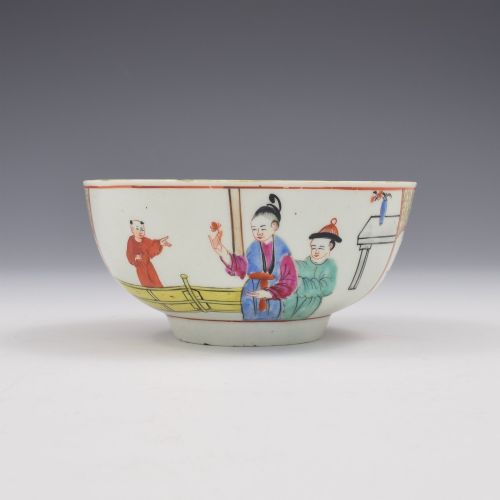
An 18th century enamel bowl encompasses fragile tea wares, punch vessels, and salt cellars originating from English, Continental, and Chinese export kilns. Buyers seeking this phrase frequently encounter pieces finished in vibrant overglaze palettes, including Chinese Export porcelain and Worcester factories.
The evidence shows forms ranging from small Limoges salt bowls to large punch bowls and delicate tea bowls with saucers. These pieces bridge domestic Georgian dining and global trade routes of the period.
Continental workshops and English porcelain manufacturers like Worcester contribute significantly to the variety of bowls found in this category. Collectors discover both European enamel-painted earthenware and imported porcelain decorated with figurative scenes.
Materials and production methods
Makers utilised soft-paste and hard-paste porcelain, copper, and enamel pigments, applying lead glass and gold leaf details where appropriate. Overglaze enamels fused to the ceramic or metallic surface during secondary firings.
Skilled artisans hand-painted intricate motifs, such as Mandarin palettes, Chinoiserie figures, and puce grounds, requiring steady brushwork and precise kiln temperatures. Copper cores received smooth enamel coatings in specialised workshops like those in Limoges.
18th Century Enamel Bowl Retail Price Guide 2026
Typical asking prices for 18th century enamel bowl among the pieces listed under this phrase on Sellingantiques today, from the lower quarter to the upper quarter. They describe what is for sale here now, not the wider market.
The inventory includes items from the Qing Dynasty Qianlong period, Georgian era, and continental European workshops.
Distinctions in quality and execution
Execution of the hand-painted decoration determines the standing of an 18th century enamel bowl, separating fluid, detailed brushwork from hurried factory output. The crispness of borders, such as turquoise guilloche or gilt highlights, reveals the hand of a master decorator.
The integrity of the enamel surface and the fineness of the porcelain body or copper base dictate longevity and visual appeal. Superior pieces retain rich, unblemished colour grounds and precise pictorial compositions without excessive firing flaws.
The 18th Century Enamel Bowl Glossary
- Overglaze enamel
- Pigments applied to a previously fired and glazed ceramic body, requiring an additional low-temperature firing to fuse the colours. This technique allowed for brilliant, varied palettes.
- Mandarin palette
- A style of Chinese export porcelain decoration featuring detailed figure scenes in bright enamels, popular during the Qianlong period. It depicts courtly or domestic life.
- Soft-paste porcelain
- A ceramic composition containing glass frit, white clay, and other materials, fired at lower temperatures than hard-paste. It possesses a warm tone and a slightly softer glaze.
- Puce
- A brownish-purple or purplish-red enamel colour derived from manganese, frequently utilised for monochromatic or accented painting on European porcelain bowls.
- Famille rose
- A major palette of Chinese ceramic glazes introduced in the eighteenth century, distinguished by opaque pink or purple enamel derived from colloidal gold.
18th Century Enamel Bowl: Frequently Asked Questions
How were these bowls used?
Eighteenth-century bowls served diverse domestic functions, from small tea bowls for social gatherings to large punch bowls deployed during formal dining. Salt cellars held condiments at the table, while decorative bowls displayed wealth and refined taste.
Smaller tea bowls frequently paired with matching saucers for serving tea in polite drawing rooms. Punch bowls stood centrally on tables to hold communal drinks during evening entertainments.
How do I care for an enamel bowl?
Enamel and antique porcelain require gentle handling, washing exclusively by hand in lukewarm water with mild soap. Avoid abrasive sponges, ultrasonic cleaners, and soaking.
Display the bowl away from direct sunlight and sudden temperature shifts to protect fragile overglaze decorations and prevent crazing in the glaze body.
How do I distinguish Chinese export from European bowls?
Chinese export pieces often display characteristic paste bodies, blue-and-white or famille rose palettes, and specific foot-rim formations shaped by Qing dynasty potters. European factories like Worcester or Meissen utilised distinct local clay bodies and specific European decorative styles.
Examining the unglazed foot ring and the weight of the ceramic helps identify whether the vessel originated in an English factory or an Asian export kiln.
What does Amsterdam Bont mean?
Amsterdam Bont describes Chinese porcelain wares that were shipped to Europe in the white and subsequently decorated in European workshops, particularly in Holland. These pieces feature distinct overglaze enamel additions applied outside the original kiln.
Collectors prize this secondary decoration for its historical link to eighteenth-century trade and independent European painting studios.