



18th Century Dutch Antiques
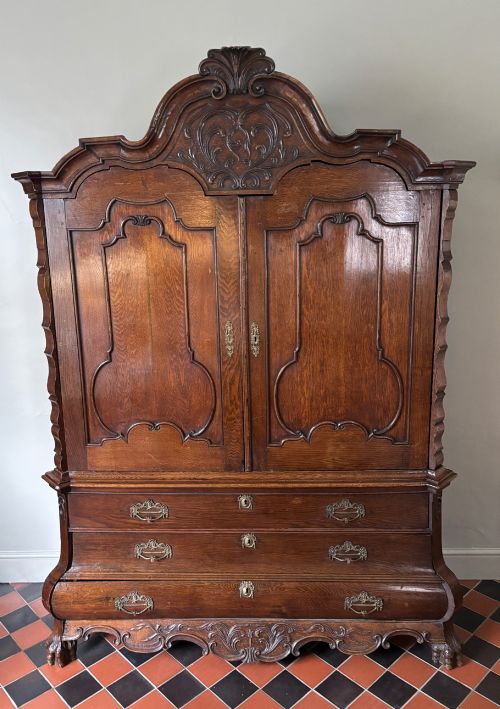
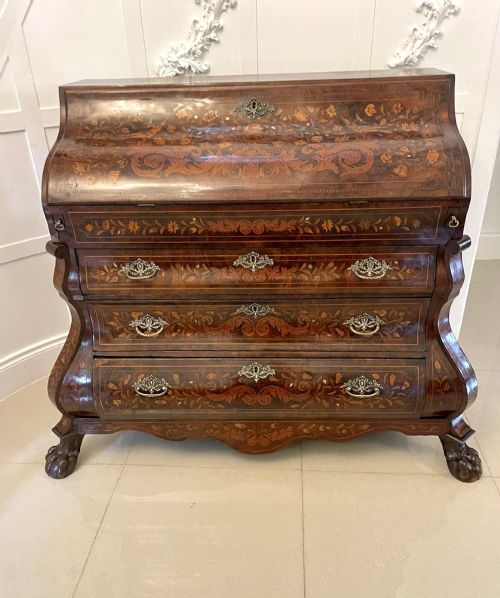
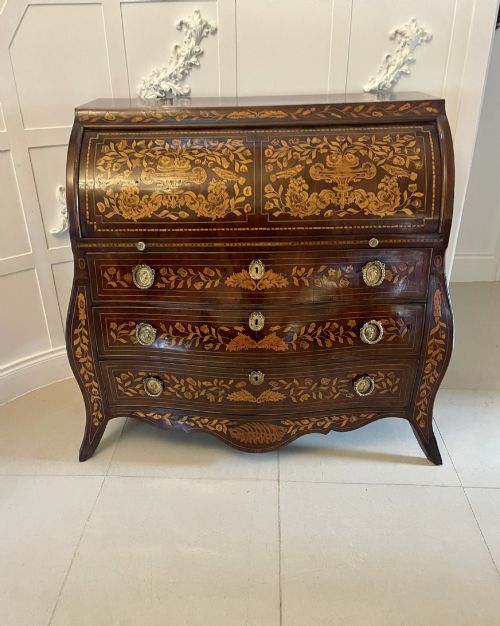
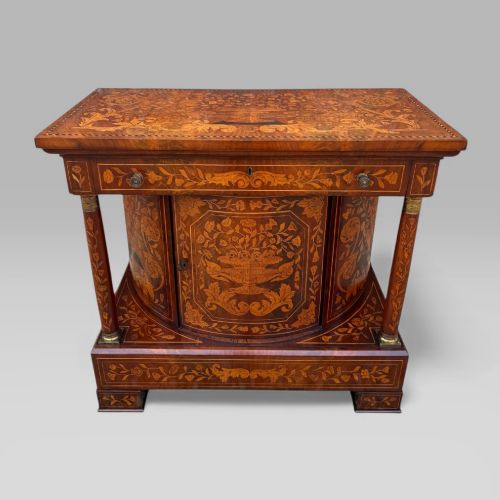
These 18th century dutch antiques bring together rich burr walnut, intricate floral marquetry and tin-glazed earthenware to anchor any room with historical substance.
18th Century Dutch Antiques
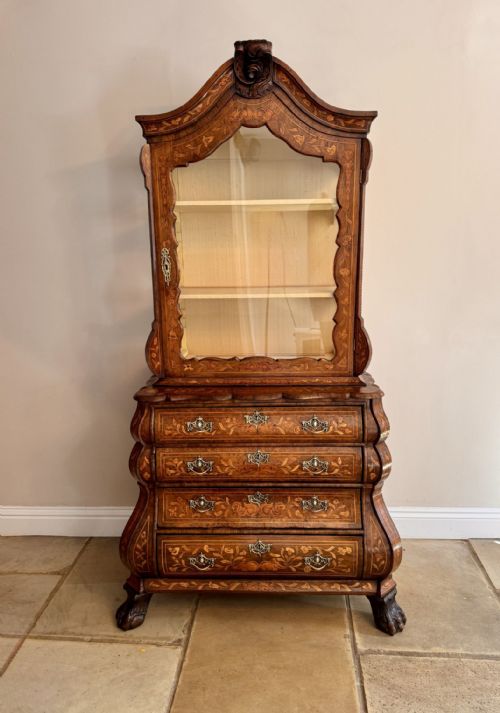
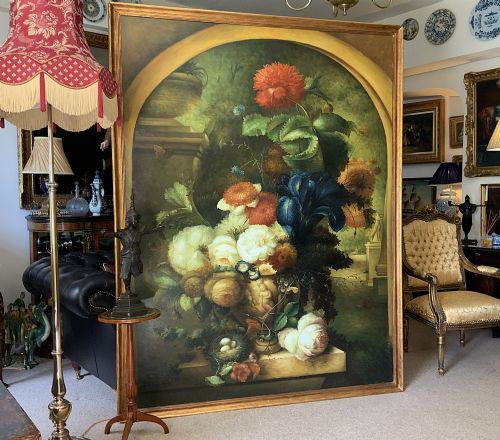
You also meet functional household metalwork, including brass foot warmers and bronze coffee urns, alongside oil paintings and carved wall mirrors. Walnut and mahogany form the carcass woods for much of the cabinetry, often enriched with elaborate floral marquetry inlay.
The objects span formal urban pieces from the Netherlands proper to colonial items utilising padouk and satinwood. Frisian folk art examples, such as chip-carved oak foot stoves, represent the more regional domestic output within the tradition.
How they were made
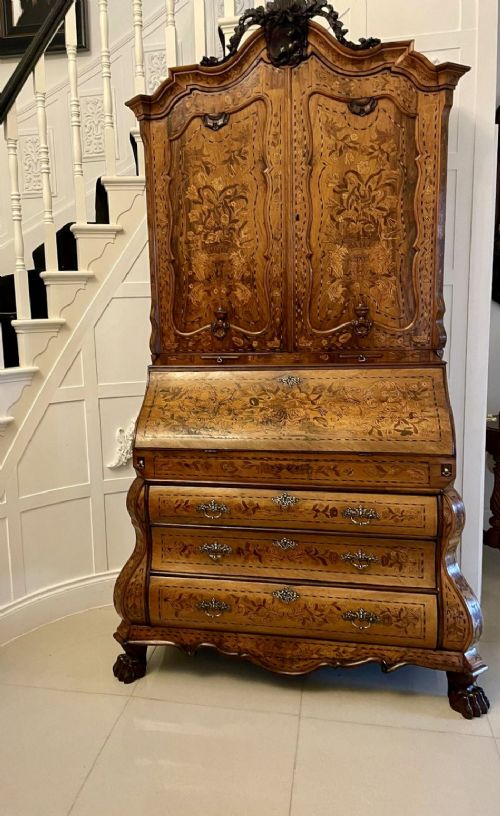
Cabinetmakers constructed carcases in oak, walnut, or mahogany, then applied sliced veneers of burr walnut or fruitwood to create complex surfaces. Floral marquetry was hand-cut and inlaid into the primary wood, using various tinted woods to achieve shaded petal and leaf details.
Pottery items relied on tin-glazed earthenware techniques, where white lead glazes provided a smooth ground for cobalt blue painting before firing. Metal objects combined beaten brass, cast bronze, and pewter components, frequently joined with hand-beaten rivets and decorative embossing.
Listings demonstrate a strong preference for walnut and mahogany cabinetry, frequently ornamented with floral marquetry.
What varies in quality
The distinction between ordinary and superior pieces rests on the precision of the marquetry and the choice of timber figure. Dense burr walnut and well-matched grain patterns elevate a bureau or chest, whereas simpler execution uses plain fruitwoods with less rhythmic inlay.
In ceramics, the crispness of the cobalt painting and the stability of the tin glaze determine visual success. A finely potted delft jar or charger maintains balanced proportions and clean pigment lines without excessive glaze pooling or distortion.
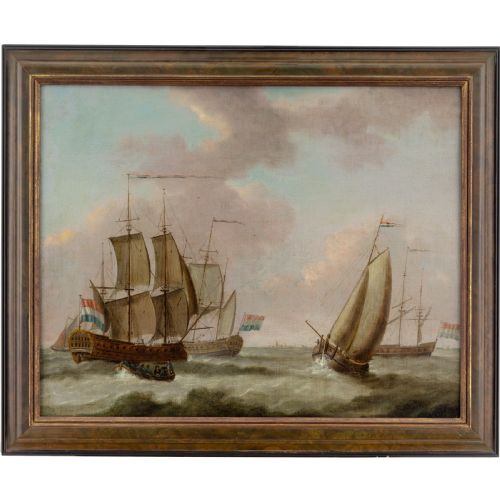
Hendrik Willem Schweickhardt
The 18th Century Dutch Antiques Glossary
- Bombe
- A bulging, outward-curving profile seen on the front and sides of certain chests of drawers and bureaus. This swelling shape requires advanced woodworking skill to maintain structural integrity.
- Marquetry
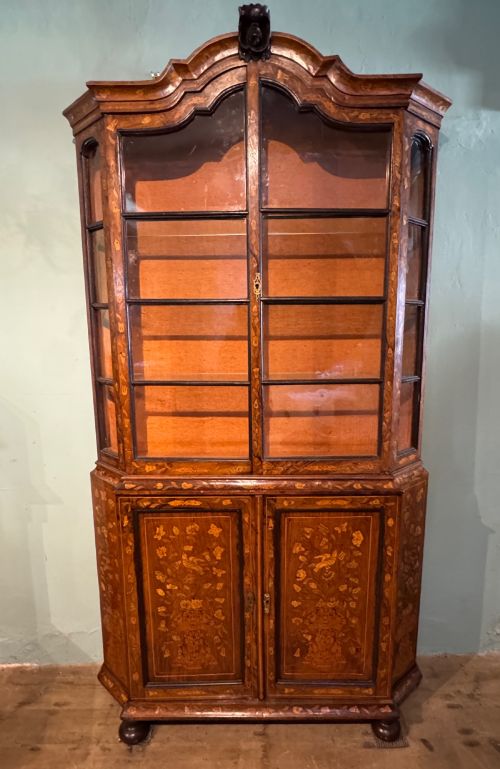
- The art of forming decorative patterns by fitting together thin veneers of various coloured woods. It differs from inlay by assembling the entire design on a paper backing before gluing it to the surface.
- Delftware
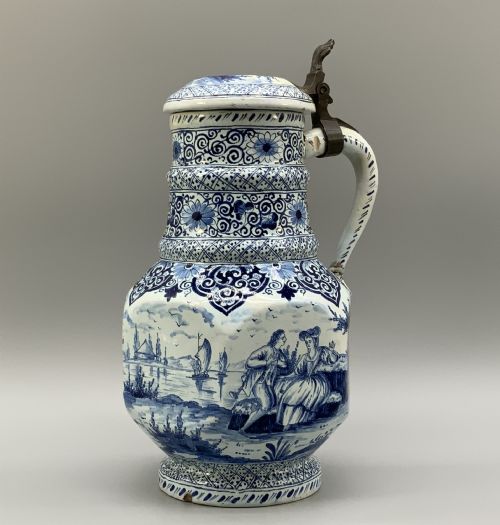
- Tin-glazed earthenware produced in Dutch potteries, predominantly painted in blue or manganese. The porous clay body receives an opaque white glaze that absorbs the painted pigments.
- Kraantjeskan
- A traditional Dutch metal hot water urn or samovar fitted with a small brass tap. These vessels usually stand on three legs and incorporate a central heating tube for charcoal.
- Bough pot
- A decorative ceramic vessel designed to hold cut branches or flower arrangements indoors. These containers often feature perforated lids to keep stems separated.
18th Century Dutch Antiques: Frequently Asked Questions
How do I identify a genuine marquetry bureau?
Examine the timber species and the precision of the floral details inlaid across the fall front and drawers. Genuine examples show subtle colour variations in the wood veneers rather than painted surface decoration.
Look closely at the construction joints inside the carcass and drawers to confirm period hand-working methods. The internal oak linings should display age-appropriate wear and traditional joinery techniques.
What was a kraantjeskan used for?
A kraantjeskan served as a portable hot water container for tea or coffee in prosperous 18th century homes. A heated iron or charcoal cylinder fit inside the central tube to keep the water warm.
Servants operated the small brass tap at the base to fill cups in the parlour. The combination of brass and bronze made these vessels both functional and decorative centrepieces.
How were delft chargers displayed?
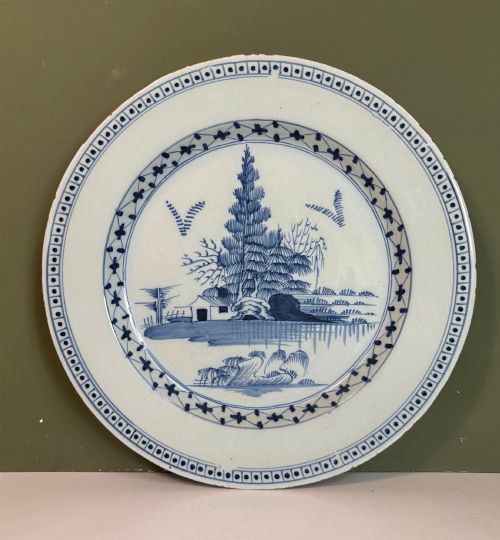
Large tin-glazed earthenware dishes were hung on walls or arranged on dresser shelves for decorative impact. Their vibrant blue and white pigments added colour to formal dining rooms and kitchens alike.
Most chargers feature pierced foot rings at the back specifically designed to accept a hanging wire. This practice kept the fragile earthenware safe from daily table use while showcasing the painted scenes.
What is a foot warmer?
A foot warmer was a small pierced wooden box containing an earthenware pan filled with hot embers. People placed their feet on top of the perforated lid during cold carriage rides or in unheated churches.
These utilitarian objects often feature chip carving and brass handle bails for safe transport. The interior usually shows scorch marks from centuries of holding hot coals.