


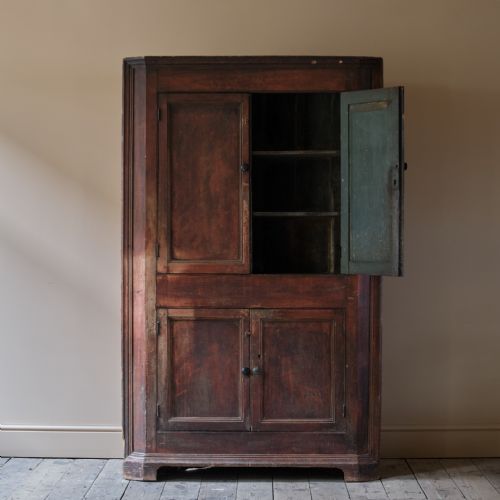
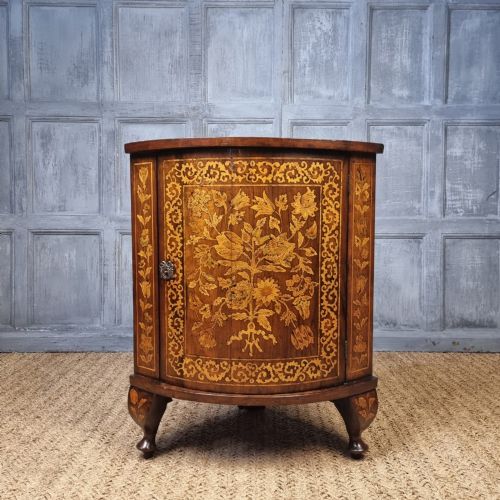
18th Century Corner Stand
An 18th century corner stand turns neglected angles into display space, offering Georgian proportions and timber fitted neatly to the room.
18th Century Corner Stand
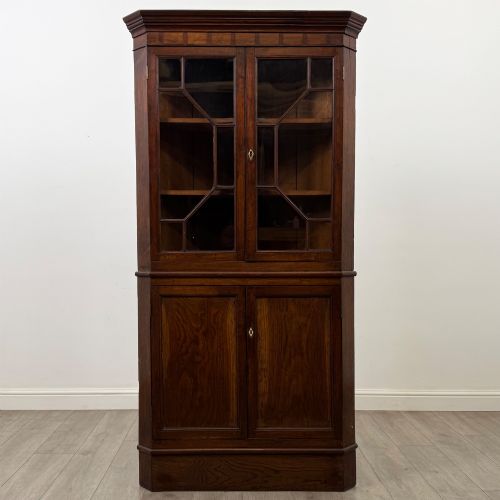
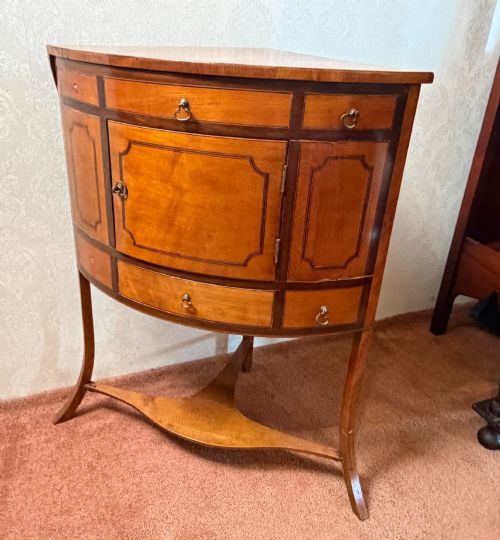
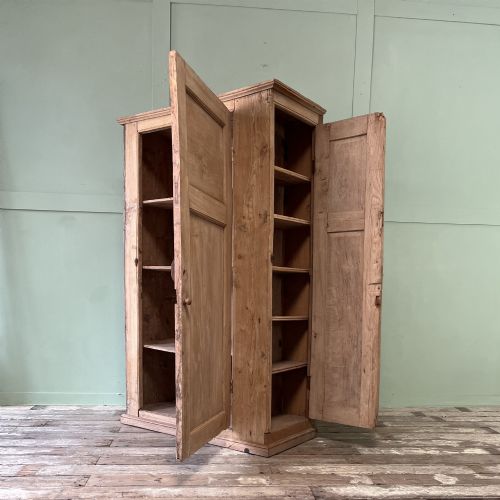
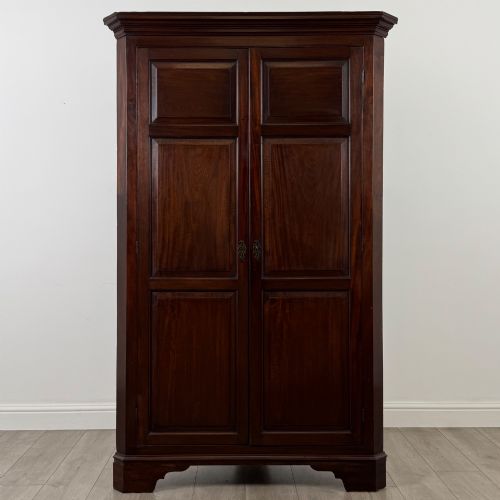
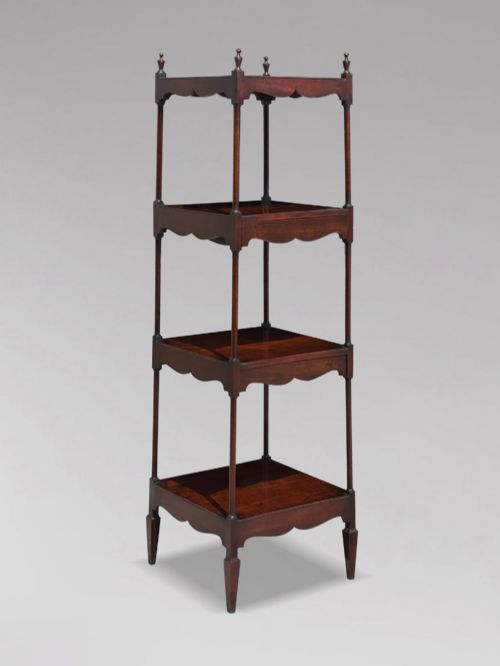
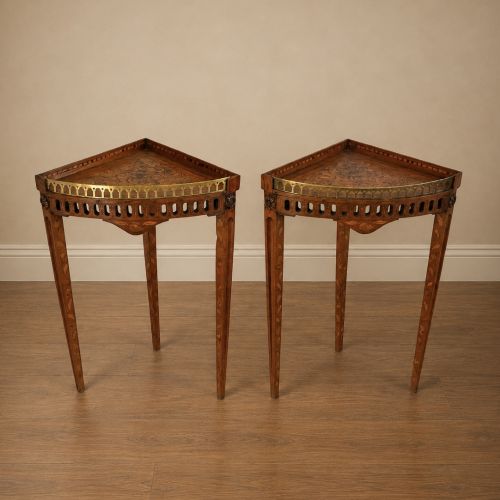
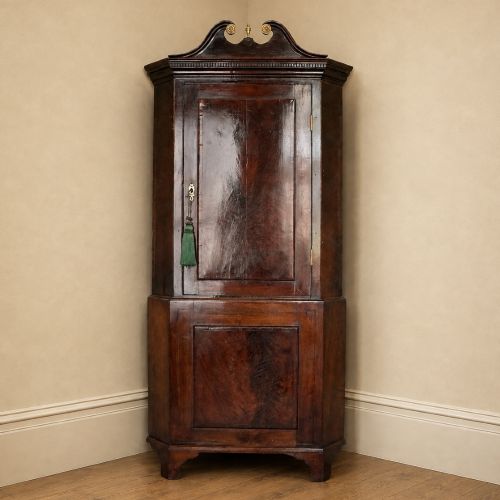
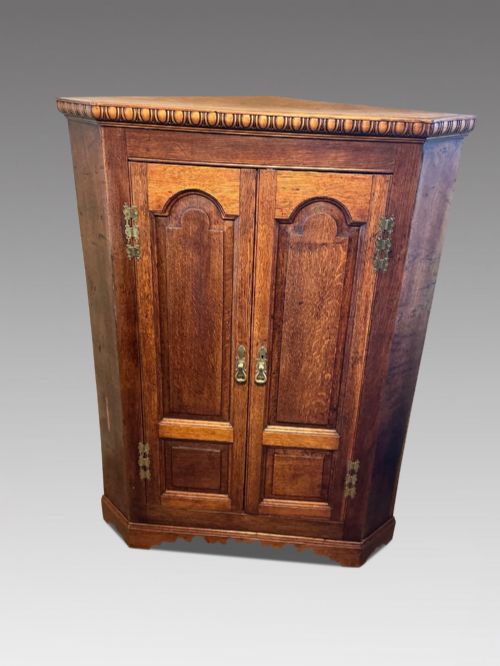
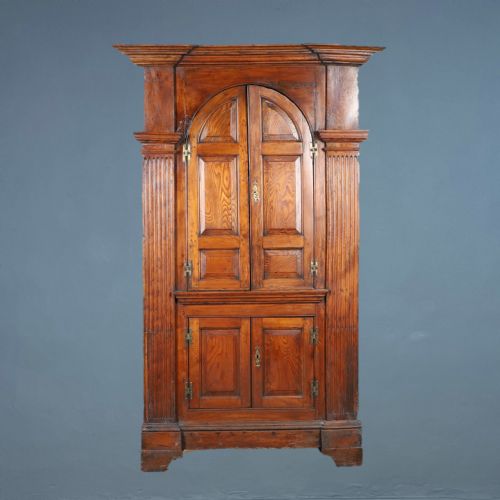
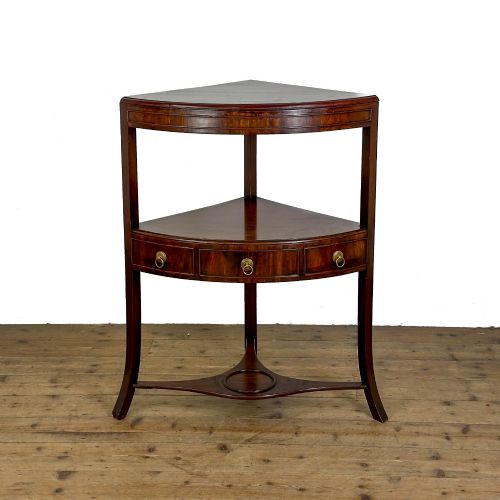
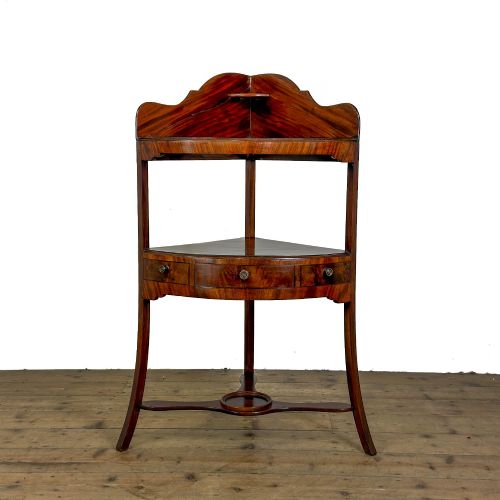
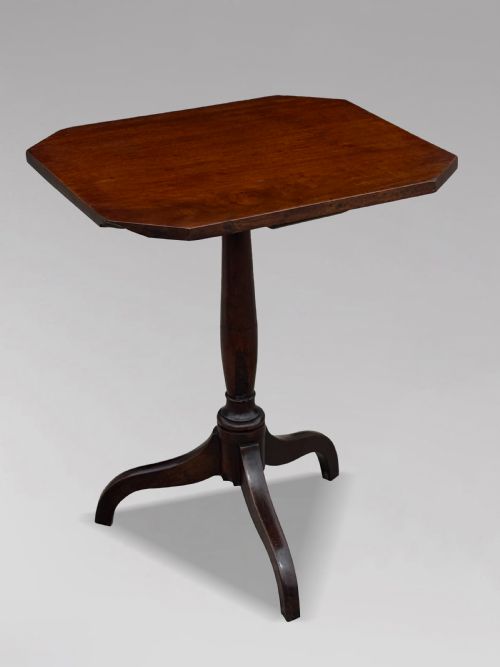
An 18th century corner stand comprises floor standing cupboards, hanging cabinets and washstands designed to utilise dead space in a room. The listings here present Georgian mahogany and oak examples alongside Dutch walnut, elm and painted pieces built to fit domestic interiors.
Buyers will most frequently encounter standing corner cupboards and washstands dating from the Georgian period, often configured as single units or double height cupboards. These forms range from simple country house oak items to more decorative glazed and marquetry-inlaid pieces.
Materials and construction
Cabinet makers utilised dense native and imported timbers, primarily mahogany, oak and elm, often accented with satinwood, walnut or painted finishes. Solid timber construction provided stability for tall vertical forms designed to wedge firmly into room angles.
Joinery techniques included panelled doors, fine dovetailing and occasional brass galleries or inlay work. These methods allowed timber to expand and contract while maintaining the structural integrity of curved or angled carcasses.
Listings feature woods spanning mahogany, oak, elm, walnut, satinwood, pine, paint and glass across Georgian and Victorian periods.
Quality factors
Timber selection dictates the distinction between standard utilitarian storage and finer pieces, with figured cuban mahogany or rich quarter-sawn oak setting higher standards. The crispness of carved mouldings, original brass hardware and the integration of glazed upper doors further separate workshop outputs.
Proportion and architectural detailing also define the upper tier of these stands. Refined cornices, panelled lower sections and untouched original surfaces reflect the skill invested by the original maker.
Gillows
The 18th Century Corner Stand Glossary
- Corner cupboard
- A cabinet specifically constructed with a triangular or wedge-shaped footprint to fit flush into the corner of a room.
- Washstand
- A specialised table or stand featuring cutouts or basins designed for personal ablutions, frequently found in corner configurations during the Georgian era.
- Standing corner cupboard
- A floor-standing tall cabinet that utilises the vertical angle of a room from base to cornice without requiring wall hanging.
- Marquetry
- Decorative veneer work arranged in geometric or pictorial patterns using contrasting timbers such as satinwood and walnut.
- Chinoiserie
- European imitation of traditional Chinese artistic styles, typically expressed through painted or lacquered decoration on furniture surfaces.
18th Century Corner Stand: Frequently Asked Questions
Where did these stands go in a room?
These pieces were built specifically to occupy the awkward internal corners of Georgian parlours, bedrooms and dining spaces. Their angled backs allowed them to anchor securely against two intersecting walls.
By occupying unused angles, the furniture maximised floor area while providing accessible storage or display surfaces.
Were corner washstands used for washing?
Georgian corner washstands accommodated basins, jugs and soap for daily personal hygiene before plumbed bathrooms became standard. Many retain small platforms or cutouts designed to hold ceramic water pitchers.
Over time, many of these washstands transitioned into general table surfaces or lamp stands as domestic routines evolved.
How do I tell oak from mahogany pieces?
Oak items generally display visible growth rings and a heavier, rustic character associated with country vernacular furniture. Mahogany exhibits a smoother, reddish-brown grain structure suited to refined urban cabinet making.
Examining the weight, colour and grain pattern helps distinguish between native British oak and imported tropical hardwoods.
Can these cabinets hold heavy items?
Sturdy internal shelving and solid timber carcasses enable these cabinets to support heavy tableware, books or glassware safely. The triangular construction naturally distributes weight back toward the supporting walls.
Ensuring the cabinet sits level on uneven historic floors maintains stability across the internal shelves.