


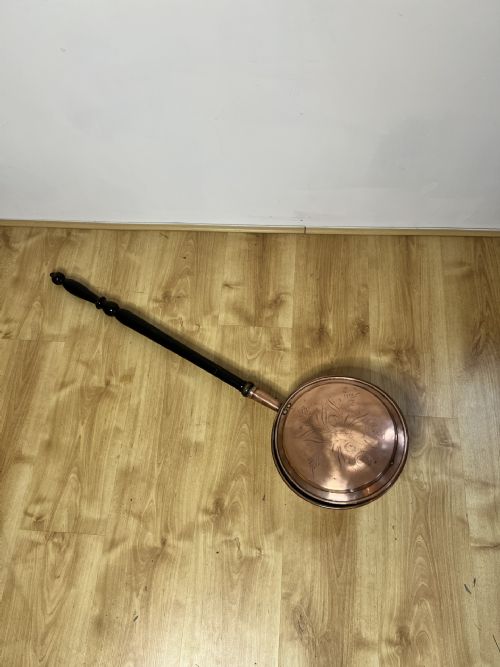


18th Century Copper Engraving
An 18th century copper engraving captures detailed historical imagery on paper, offering collectors a direct window into Georgian illustration and cartography.
18th Century Copper Engraving
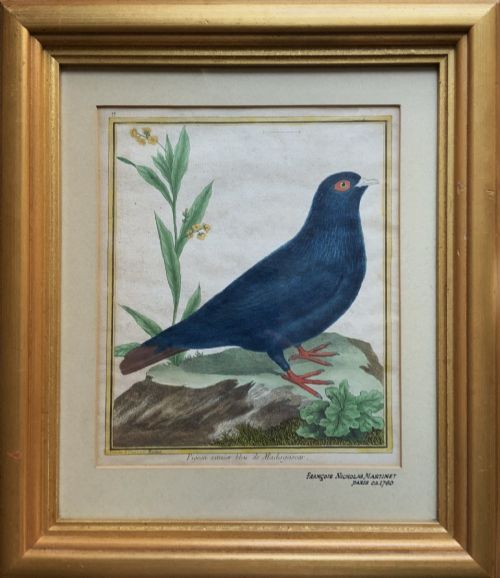
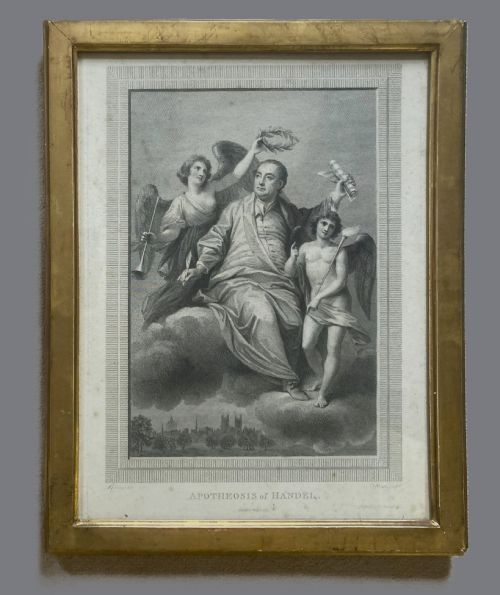
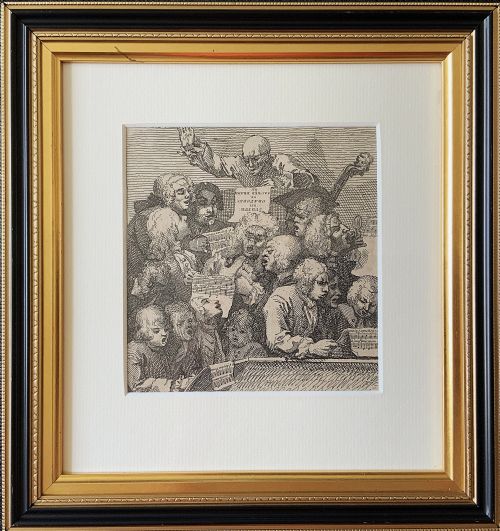
An 18th century copper engraving typically takes the form of framed prints, maps, or book illustrations produced during the Georgian era. These works frequently depict natural history subjects, classical scenes, and satirical narratives.
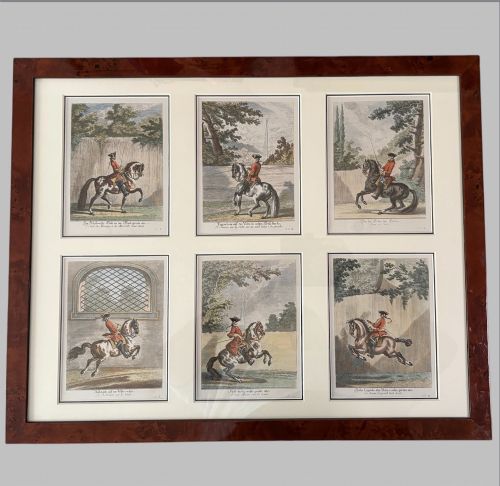
Buyers encounter both single sheets and complete series, such as sets of bird prints or moral progress portfolios. Most examples on this page are presented behind glass in wooden or gilt frames ready for display.
The material record also includes utilitarian metal objects featuring engraved decoration, such as brass tobacco boxes and bronze ritual vessels from various European and Persian traditions.
Materials and technique
Makers cut lines directly into flat metal plates using sharp steel tools called burins, pressing ink into the resulting grooves for transfer onto paper under high pressure. Some prints received subsequent hand colouring using watercolour pigments.
Metal items like tobacco boxes and vessels utilised copper, brass, and bronze, often shaped and engraved by hand with commemorative battle scenes or floral motifs.
The documented object types range from framed graphic art and maps to engraved tobacco boxes and warming pans.
Factors determining quality
The crispness of the printed line and the survival of fine detail without plate wear separate superior impressions from later reprints. Sharpness reflects the condition of the original metal plate during printing.
Original hand colouring executed closely to the period adds significant character, whereas faded paper or heavy foxing alters the visual balance of the piece.
François-Nicolas Martinet·James Heath·Biaggio Rebecca·E.L. Riepenhausen·Thomas Jefferys·E. Jackson Stodart·Henry William Bunbury·James Basire·George Dionysius Ehret
The 18th Century Copper Engraving Glossary
- Burin
- A hardened steel cutting tool with a faceted tip used by engravers to carve lines directly into a copper plate. Master craftsmen controlled the depth and width of the stroke to vary shadow and tone.
- Stipple engraving
- A technique using dots rather than continuous lines to build up forms and tonal gradations on the plate. This method produced soft, painterly effects popular in later portraiture.
- Plate mark
- The indented impression left on the paper by the edges of the metal plate under high press pressure. Its presence confirms a genuine intaglio printing process.
- Foxing
- Brown or reddish spots caused by chemical reactions in the paper over long periods of time. Environmental humidity often accelerates this natural ageing process.
- Intaglio
- A printing family where the ink sits below the surface of the plate within carved grooves. Copper engraving belongs directly to this method.
18th Century Copper Engraving: Frequently Asked Questions
How should I hang an 18th century copper engraving?
Keep framed paper prints away from direct sunlight to prevent the ink and any added watercolour from fading. Maintain stable room humidity to protect the paper and wooden frames.
Ensure backing materials are acid-free if you decide to remount the artwork. Proper conservation framing preserves the long-term integrity of the sheet.
Are all these prints coloured by hand?
Many natural history plates and specific series received careful watercolour washes by hand shortly after printing. Monochrome impressions remain equally common, particularly in architectural and narrative works.
Check the surface closely under a magnifying glass to distinguish applied pigment from printed ink. Hand colouring often shows subtle overlapping brushstrokes.
How do I identify a genuine period impression?
Look for the distinct plate mark pressed into the paper surrounding the image area. Paper characteristics and watermark evidence also help confirm the age of the sheet.
Modern restrikes often lack the crispness found in impressions pulled directly during the Georgian period. Compare line definition against known examples from the same workshop.
Why do some listings include metal objects?
Engraving techniques extended beyond paper onto functional items like brass tobacco boxes and bronze vessels. These pieces shared similar decorative tool work and workshop origins.
Collectors appreciate these items as three-dimensional examples of period engraving craft. They offer tangible links to contemporary manufacturing methods.