


18th Century Chinese Dish
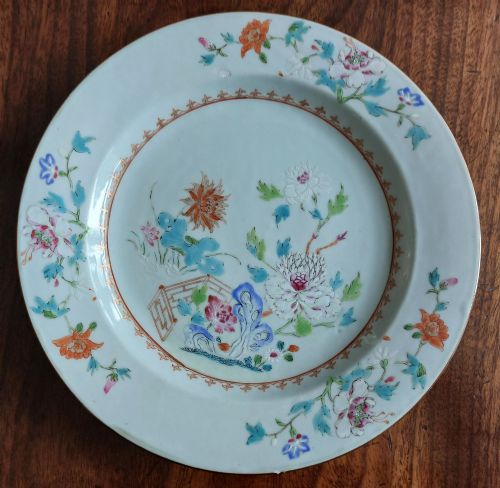
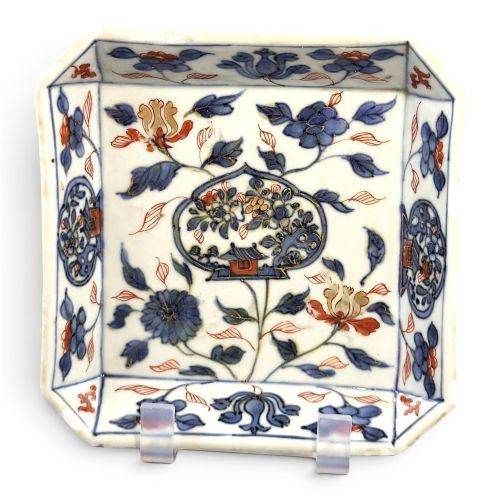
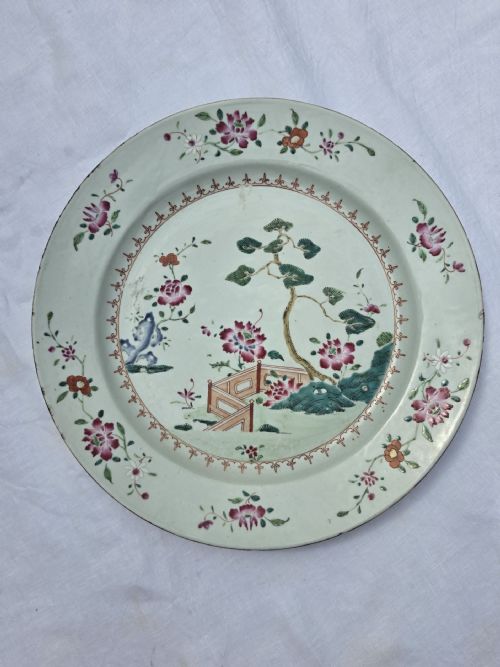
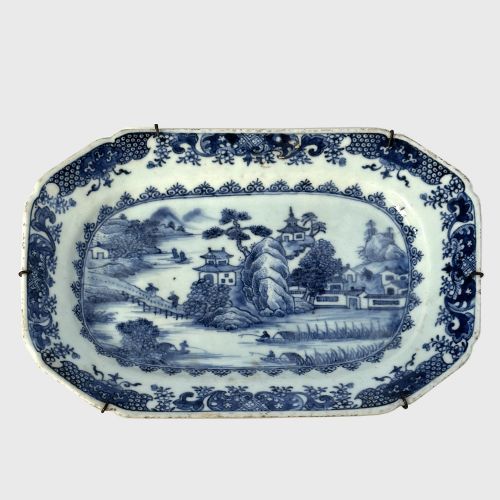
These porcelain pieces, found when you search for an 18th century chinese dish, bring maritime history and courtly design straight to the table.
18th Century Chinese Dish
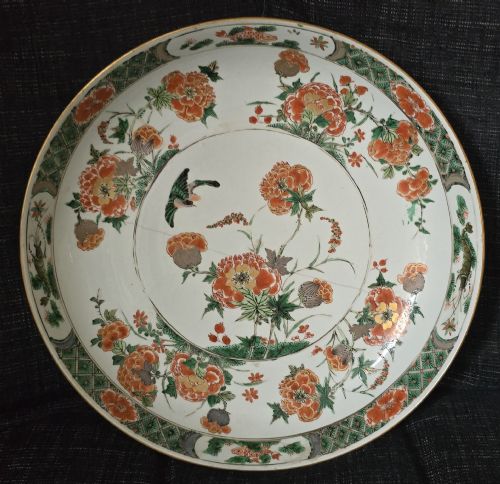
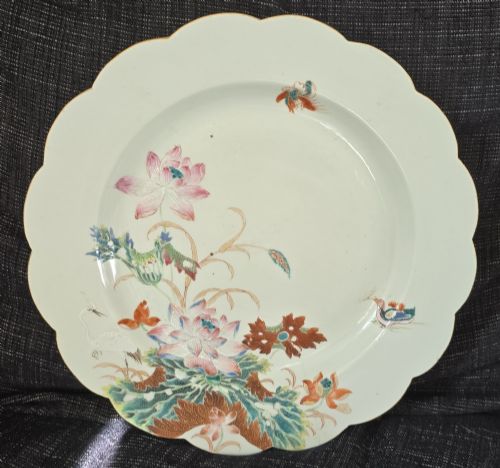
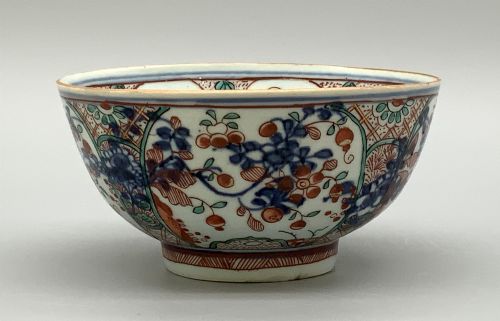
An 18th century chinese dish spans delicate tea bowls, deep plates, chargers, and serving platters made for export or court use. Most examples seen here date from the Kangxi, Qianlong, and Qing periods, reflecting intense trade links between China and Europe.
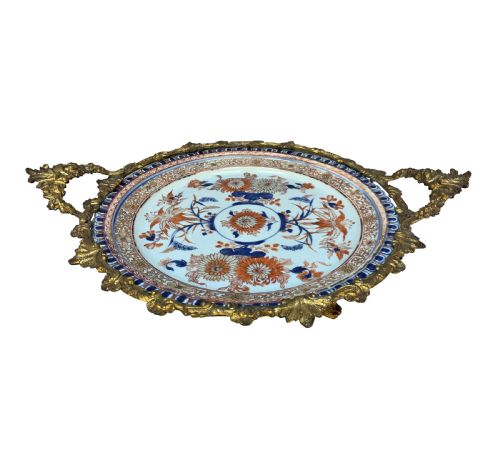
Forms range from simple blue and white porcelain plates to armorial chargers bearing European family crests, alongside intricate Famille Rose and Imari pieces. Buyers will frequently encounter decorative dishes and serving vessels shaped as rounds, squares, or octagons.
Materials and Techniques
Potters relied primarily on hard-paste porcelain, shaping clay bodies and applying cobalt glaze for blue and white designs before high-temperature firing. Many items received secondary enamel painting in the Famille Rose or Imari palettes, sometimes supplemented with gold leaf or copper mounts.
Export pieces combined traditional Chinese throwing and moulding methods with European stylistic demands, leading to specialised commissions like armorial services and Amsterdam Bont overpainting.
Judging Quality
Excellence lies in the crispness of the cobalt painting beneath the glaze and the precision of the enamel brushwork on the surface. Superior examples display balanced composition, vibrant mineral colours, and thin, translucent porcelain bodies.
The 18th Century Chinese Dish Glossary
- Famille Rose
- A palette of opaque enamel colours dominated by pink or rose tones, introduced during the Qing dynasty. It allowed artists to paint subtle tonal gradations on porcelain.
- Chinese Export
- Porcelain manufactured in China specifically for the European and American markets. These items often combined traditional local shapes with Western decorative motifs.
- Imari
- A style of ceramic decoration featuring a distinctive colour scheme of underglaze blue, iron red, and gilt. It originated in Japan but was widely copied in Chinese kilns for export.
- Armorial
- Porcelain painted with a specific European family coat of arms or crest. Wealthy families commissioned these bespoke table services directly from Chinese workshops.
18th Century Chinese Dish: Frequently Asked Questions
How were these dishes used originally?
Many of these plates and platters served functional roles on wealthy European dining tables for serving meats, sweets, or tea. Others functioned purely as decorative display pieces in cabinets and formal reception rooms.
Larger chargers and tureens catered to grand dinners, while smaller saucers and bowls formed part of social tea services during the Georgian era.
How do I care for antique porcelain?
Wash porcelain by hand in warm water using a mild, non-abrasive detergent, avoiding dishwashers entirely. Place a towel at the bottom of the sink to cushion the piece against hard impacts.
Keep pieces away from sudden temperature changes and direct sunlight to protect delicate overglaze enamels and gold leaf details.
How do I identify a Qianlong period piece?
Look for the characteristic bright Famille Rose enamel colours, refined potting, and subject matter reflecting the eighteenth-century export trade. Many items from this era also feature specific reign marks or stylistic markers associated with the dynasty.
Comparing the border designs and floral motifs with dated examples helps confirm the period of manufacture.
What is Amsterdam Bont decoration?
Amsterdam Bont refers to Chinese porcelain that arrived in Europe with unfinished or plain white surfaces and was subsequently painted in Dutch or European workshops. Artisans added extra enamel colours and gilt details before firing the pieces a second time at lower temperatures.
This secondary decoration creates a distinct hybrid aesthetic bridging Asian porcelain bodies and European artistic tastes.