




Oriental Enamel Ceramic Dish
An oriental enamel ceramic dish brings centuries of intricate hand-painted palettes and rich gilding directly into a modern interior.
Oriental Enamel Ceramic Dish
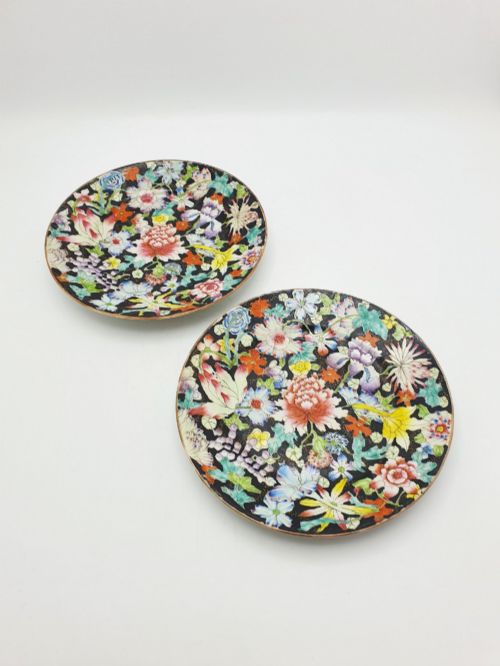
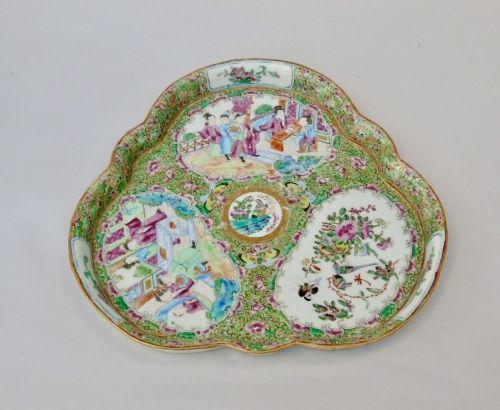
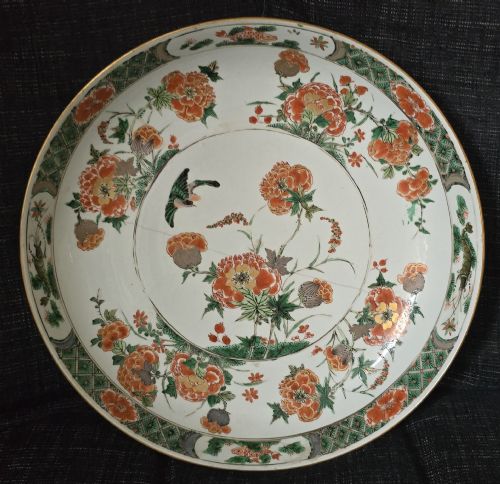
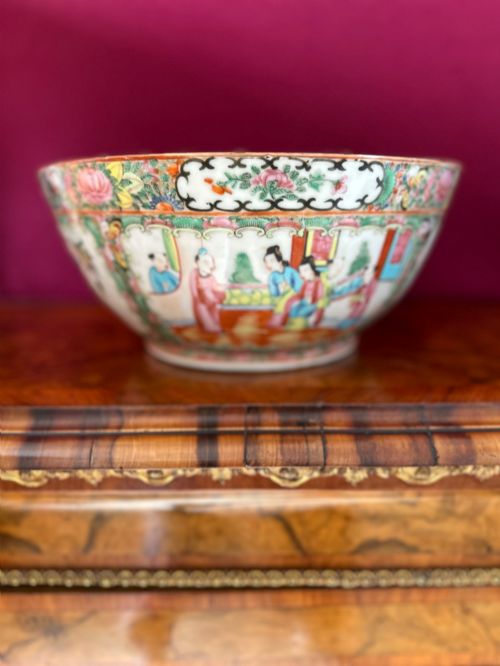
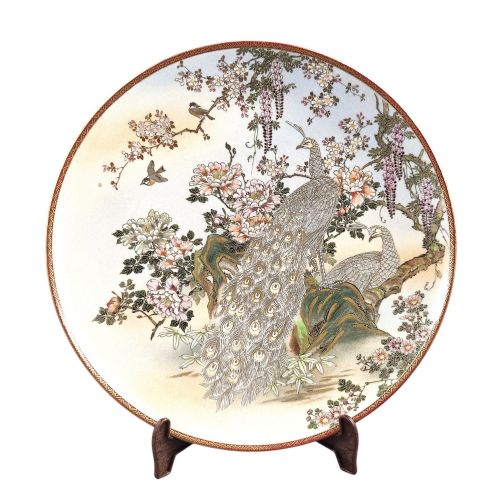
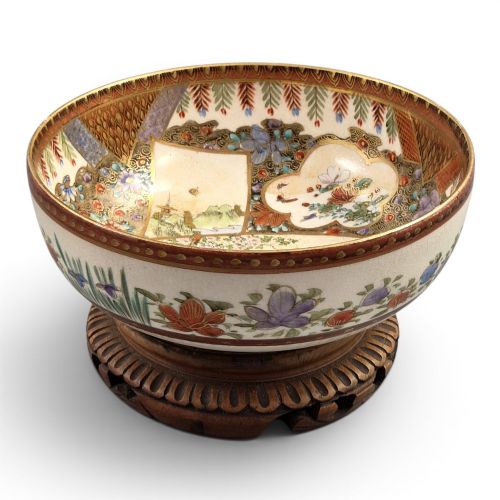
An oriental enamel ceramic dish encompasses decorative bowls, chargers, and plates originating from Chinese and Japanese kilns. The selection here leans heavily towards 19th-century Chinese Famille Rose and Japanese Satsuma or Imari wares, alongside earlier export pieces.
Forms range from large ceremonial chargers to miniature bowls, scalloped dishes, and lidded boxes. These items served primarily as display pieces or refined tablewares for affluent households, reflecting the distinct aesthetic standards of the Qing Dynasty and the Meiji period.
How they were made
Potters shaped porcelain or earthenware bodies before applying base glazes and detailed overglaze enamel pigments by hand. Artisans frequently incorporated gold leaf and delicate gilding to accentuate intricate floral, avian, and figural scenes.
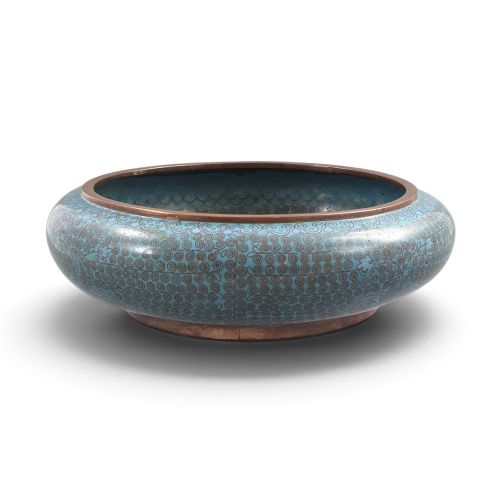
Firing techniques required precise temperature control in traditional kilns to fuse the vitreous enamels onto the ceramic surface without distorting the vessel. Specialised workshops utilised copper alloys and cloisonné methods alongside standard ceramic glazing for specific scholar's objects.
Oriental Enamel Ceramic Dish Retail Price Guide 2026
Typical asking prices for oriental enamel ceramic dish among the pieces listed under this phrase on Sellingantiques today, from the lower quarter to the upper quarter. They describe what is for sale here now, not the wider market.
Listings feature porcelain, earthenware, and copper alloy materials spanning the 17th, 18th, and 19th centuries, alongside Victorian-era imports.
What varies in quality
The distinction between standard production and top-tier pieces rests on the precision of the brushwork and the complexity of the enamel palette. Master artisans achieved finer detail, deeper tonal gradations in polychrome designs, and more securely adhered gilding.
Provenance and signature marks also influence distinction, as documented works from recognised Japanese studios or specific imperial Chinese reigns demonstrate superior material refinement and historical importance.
Kozan·Meizan
The Oriental Enamel Ceramic Dish Glossary
- Famille Rose
- A palette of opaque enamels dominated by pink or rose colours, introduced to Chinese ceramics during the Qing dynasty. This technique allowed for shaded floral and figural motifs.
- Imari
- A style of Japanese export porcelain featuring underglaze blue and overglaze red, green, and gold. These wares typically display dense geometric and floral panels.
- Satsuma
- A type of earthenware from Japan with a pale, ivory-coloured crackle glaze. Pieces are typically decorated with elaborate polychrome enamels and heavy gilding.
- Charger
- A large decorative plate or dish intended for display on a sideboard or wall rather than for everyday dining. These items often showcase the pinnacle of a kiln's artistic output.
- Canton
- A major port in China associated with export porcelain decorated in vibrant colours, often depicting domestic scenes, mandarins, and dense borders of birds and flowers.
Oriental Enamel Ceramic Dish: Frequently Asked Questions
What is an oriental enamel ceramic dish?
An oriental enamel ceramic dish is a hand-painted vessel originating from China or Japan, decorated with fused glass powders and mineral pigments over a fired ceramic body.
These objects include plates, bowls, and large chargers featuring elaborate designs ranging from simple floral sprays to complex multi-figure narrative scenes.
How were these ceramic dishes used historically?
Historically, these dishes functioned primarily as ornamental items for display in formal rooms, or as specialised vessels for scholars and nobility.
Larger chargers adorned walls and sideboards, while smaller bowls and saucers held delicate items or served during formal gatherings.
How do I care for antique ceramic dishes?
Living with these pieces requires gentle handling, keeping them away from direct sunlight to preserve the vibrant overglaze enamel colours and delicate gilding.
Cleaning should be limited to dusting with a soft, dry cloth, avoiding harsh detergents or soaking in water entirely.
How can I tell Japanese Satsuma from Chinese porcelain?
Japanese Satsuma typically utilises a buff-coloured earthenware body covered in a fine, characteristic crackle glaze, heavily embellished with raised enamel and gold.
Chinese pieces in this selection are predominantly true porcelain with a smoother, denser white body and different decorative traditions like Famille Rose or Imari.