
18th Century Carving
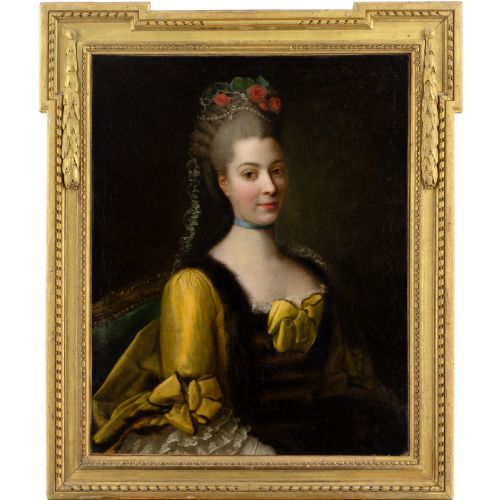
When you search for 18th century carving, you find tangible history rendered in solid timber and gleaming giltwood that brings immediate character to any room.
18th Century Carving
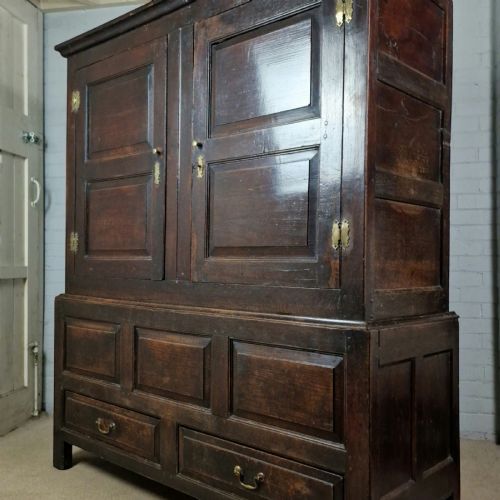
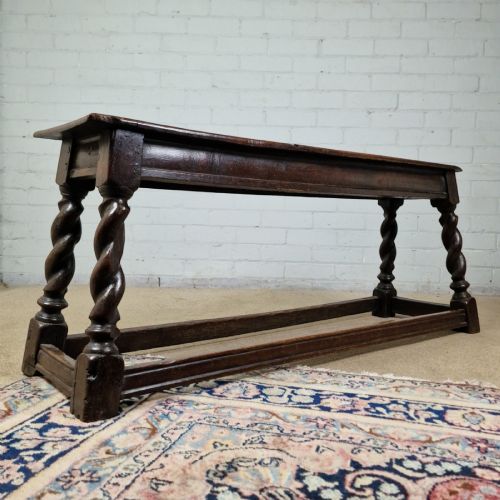
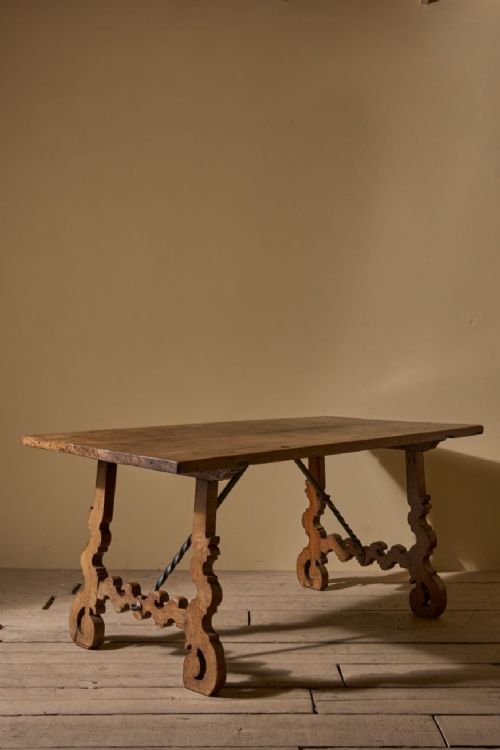
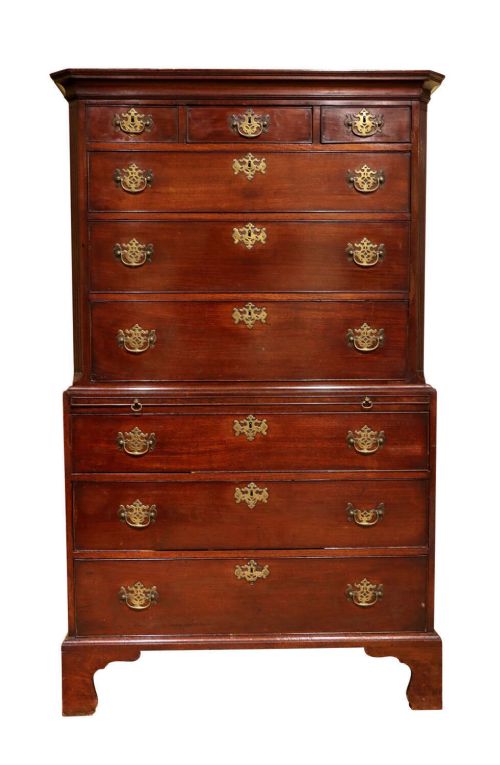
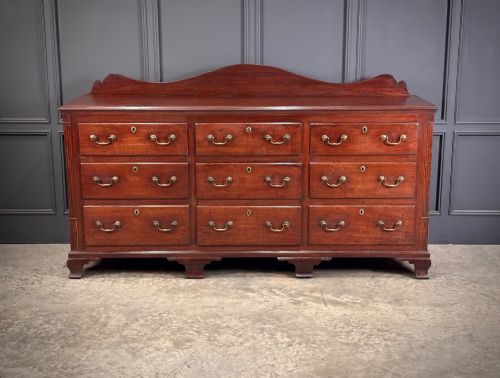
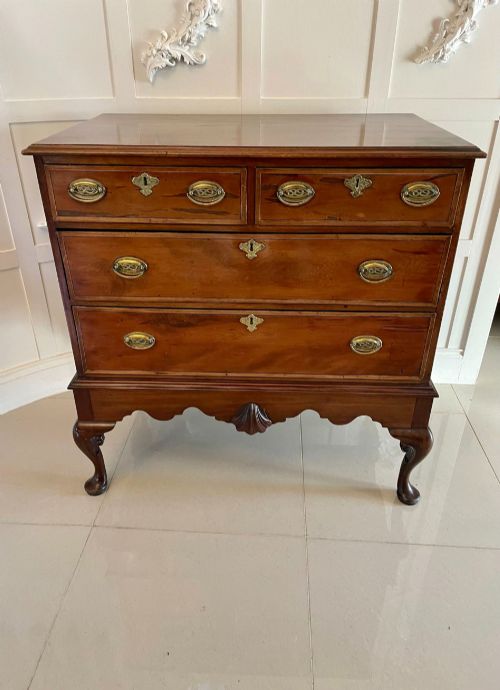
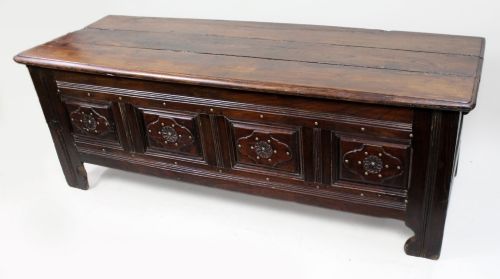
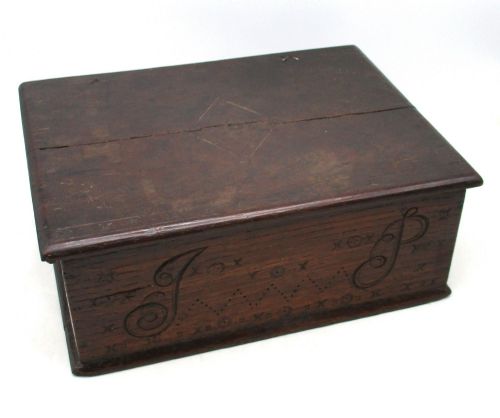
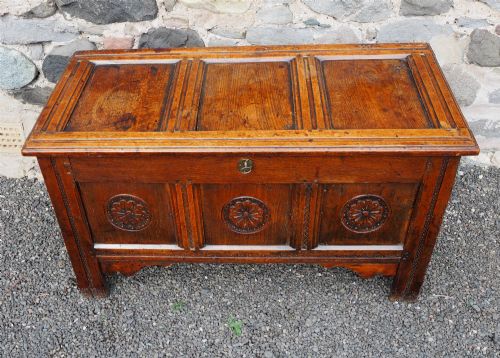
Buyers seeking 18th century carving encounter a rich variety of architectural elements, furniture panels, and standalone figural sculptures spanning the Georgian era and continental movements. The selection encompasses architectural fragments like ceiling bosses and finials alongside functional items bearing detailed ornamentation such as coffers, chests, and longcase clocks.
Oak remains the predominant medium for these sculptural elements, frequently appearing in panels depicting religious figures, mythical beasts, cherubs, and gargoyles. Walnut, mahogany, and giltwood versions also surface, representing both English workshops and wider European traditions from French provincial to Italian Baroque styles.
Materials and construction methods
Craftsmen utilised seasoned regional timbers, primarily selecting sturdy oak for structural panels and figures while reserving fine mahogany and walnut for sophisticated furniture accents. Working with hand-forged chisels and gouges, carvers cut directly into the dense grain, leaving tool marks that verify period authenticity.
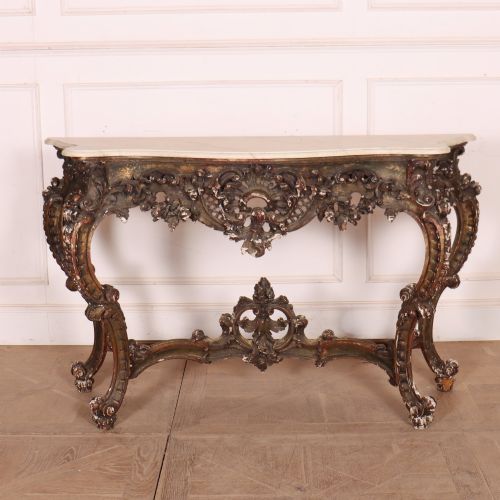
Surface treatments depended on the intended function, ranging from waxed or polished hardwood finishes to intricate parcel gilding over gesso. Iron and brass fixings, including original pierced brasses and wrought iron elements, secured the structural integrity of larger pieces like chests and commodes.
Watch out for the occasional grumpy-looking gargoyle lurking among the cherubs and floral ceiling bosses.
Distinctions in craftsmanship and preservation
The division between standard items and superior examples rests entirely on the depth, confidence, and precision of the chisel work. Finer pieces display crisp undercut details and anatomical accuracy in human or animal figures, whereas lesser works appear flat and repetitive.
Originality of surface finish and the retention of primary timber components dictate long-term desirability. Pieces maintaining their early patination, untouched structural elements, and complete carved panels command greater respect among serious collectors than heavily restored counterparts.
The 18th Century Carving Glossary
- Giltwood
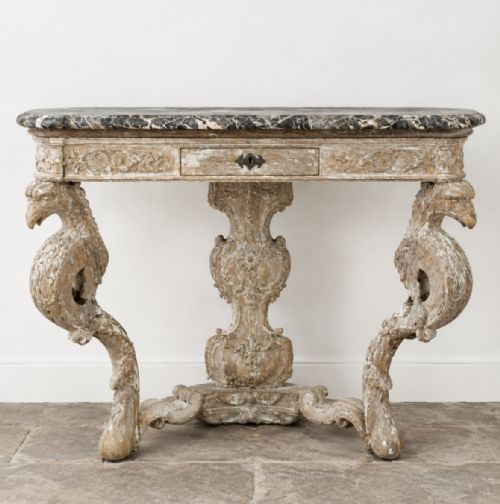
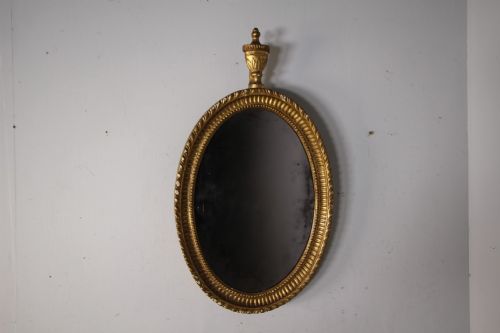
- Timber treated with gold leaf or gold paint over a prepared gesso ground. This technique creates a brilliant reflective surface seen on mirrors and decorative brackets.
- Coffer
- A large heavy box with a hinged lid used for storage. These frequently display extensive panel carving on the front and sides.
- Finial
- A decorative ornament that terminates the peak of a pediment, post, or furniture corner. They often take the form of carved foliage or carved architectural knobs.
- Marquetry
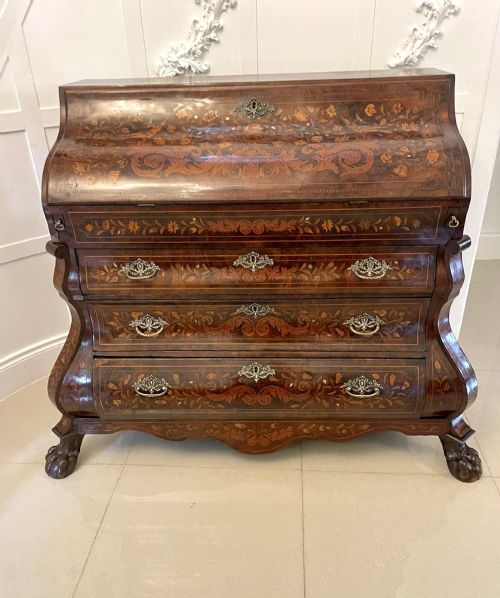
- Inlaid patterns formed by fitting contrasting veneers into a primary wood ground. This decorative method decorates bureau surfaces and cabinet fronts.
- Torchere
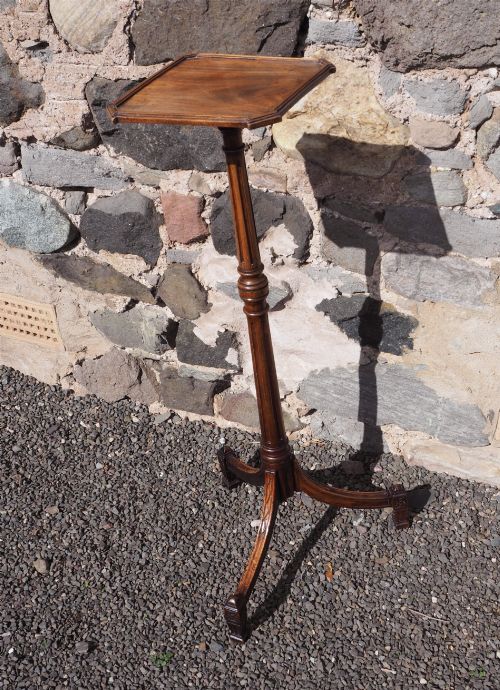
- A tall decorative stand designed to support a candle or lamp. Italian and Dutch examples often incorporate carved figures or fluted columns.
18th Century Carving: Frequently Asked Questions
What woods were used for 18th century carving?
Oak forms the vast majority of architectural fragments and freestanding panels due to its durability and heavy grain. Walnut and mahogany appear frequently on domestic furniture and decorative items from the Georgian period onward.
Exotic or regional woods like burr elm and rootwood occasionally feature in specialised commodes and small decorative objects. Giltwood surfaces typically conceal softer pine or lime timber beneath the layered gold leaf.
How can I tell if a carving is genuine 18th century?
Examine the back and edges of the timber for tool marks left by hand chisels rather than modern rotary machinery. Genuine age shows in the natural shrinkage, oxidation, and dry patination of the wood over centuries.
Look closely at the joinery and fixings, which should align with period manufacturing techniques. Wear patterns should appear consistent with generations of handling rather than artificial distressing.
Where were these carvings originally displayed?
Many architectural carvings originated as ceiling bosses, wall panels, or furniture mounts inside grand townhouses and rural estates. Figures of cherubs, gargoyles, and religious icons often served structural and decorative roles in ecclesiastical or domestic interiors.
Freestanding figures and panels might have adorned the fronts of large coffers or functioned as furniture supports. Over time, many architectural elements were removed from their original settings and preserved independently.
How do I care for antique carved wooden panels?
Keep wooden carvings away from direct sunlight and strong heat sources to prevent the timber from drying out and splitting. Maintain a stable room temperature and consistent humidity levels.
Dust gently with a soft, dry brush to clear crevices without damaging the aged surface patination. Avoid applying modern liquid polishes or silicone-based sprays, which can build up and degrade the finish.