

18th Century Carved Table
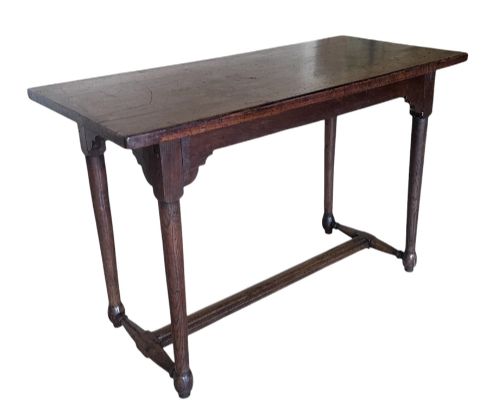
An 18th century carved table brings weight and texture to a room, offering surface space shaped by centuries of use.
18th Century Carved Table
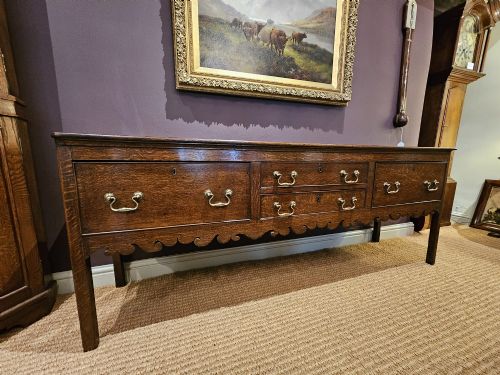
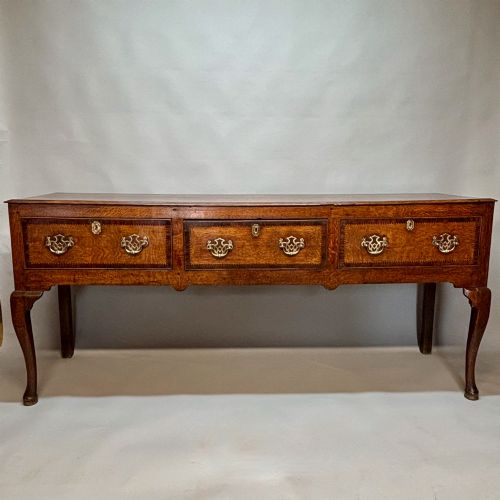
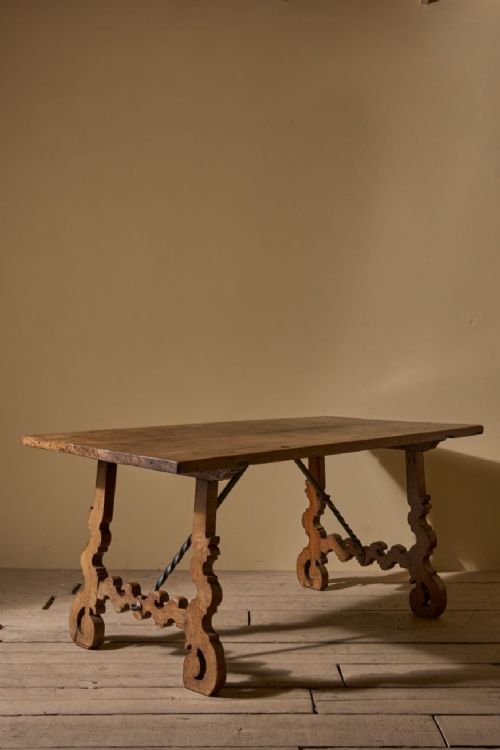
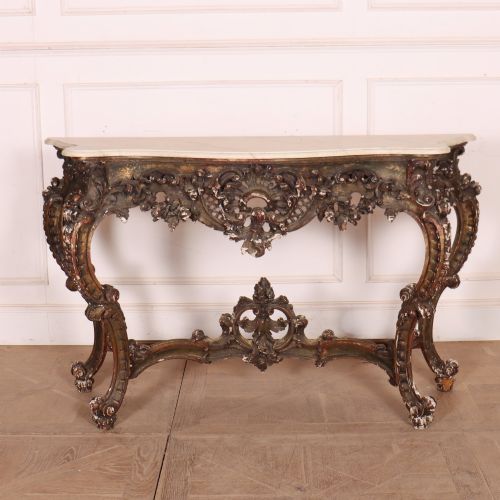
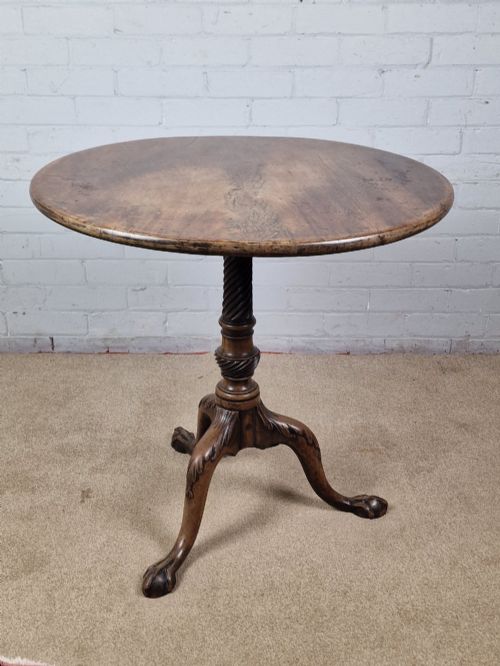
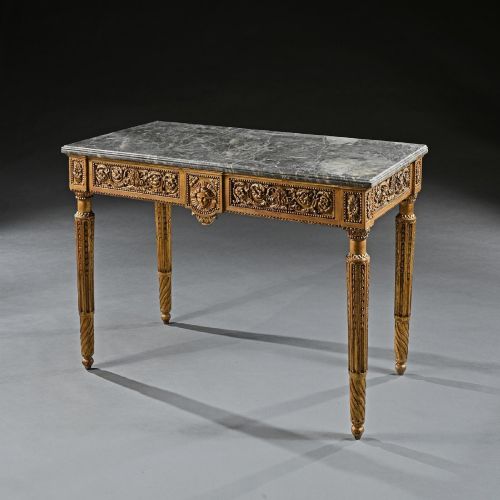
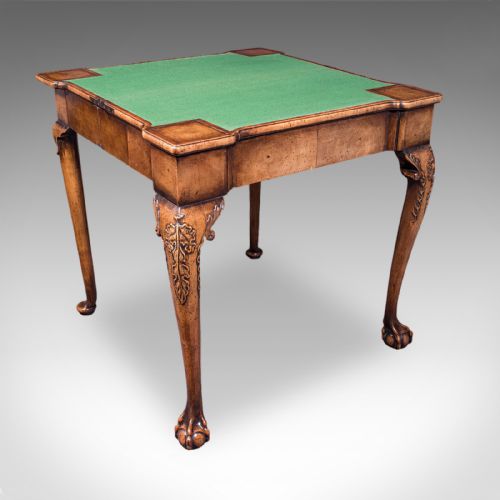
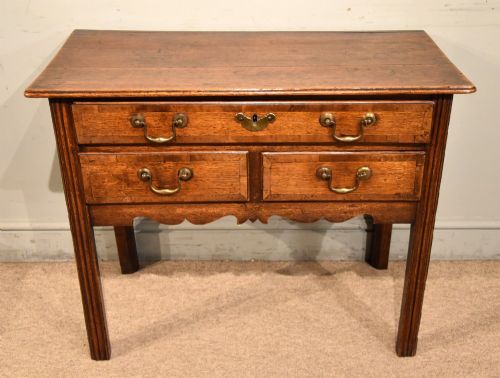
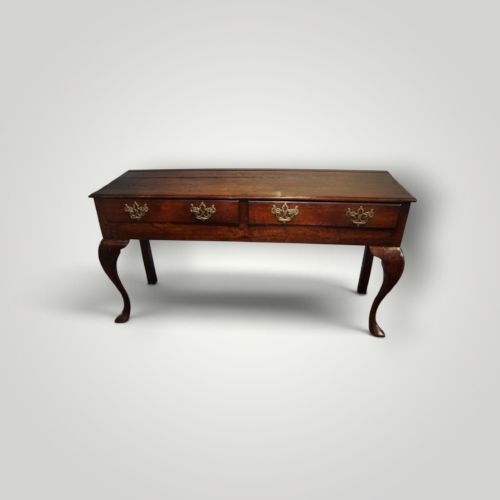
Buyers browsing for an 18th century carved table encounter a variety of forms including console tables, card tables, tripod supper tables, lowboys, and occasional tables. These pieces emerge from periods such as the Georgian era, with distinct regional iterations spanning English oak, Irish walnut, and continental giltwood.
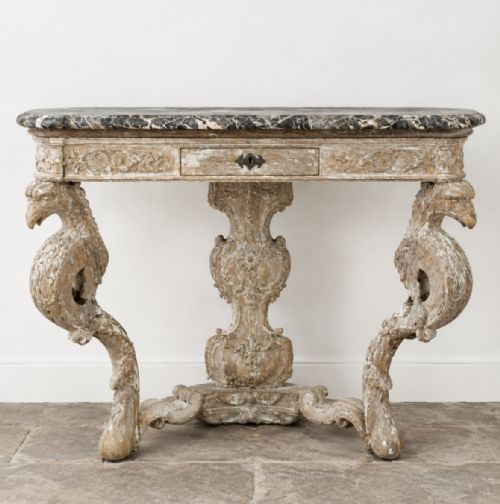
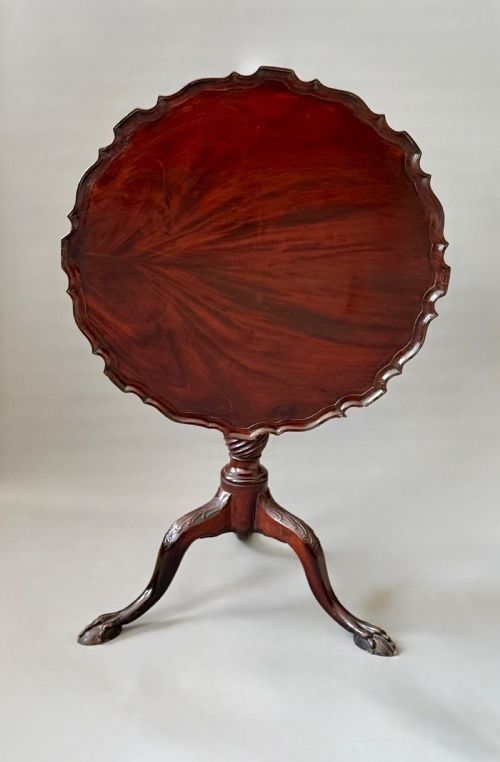
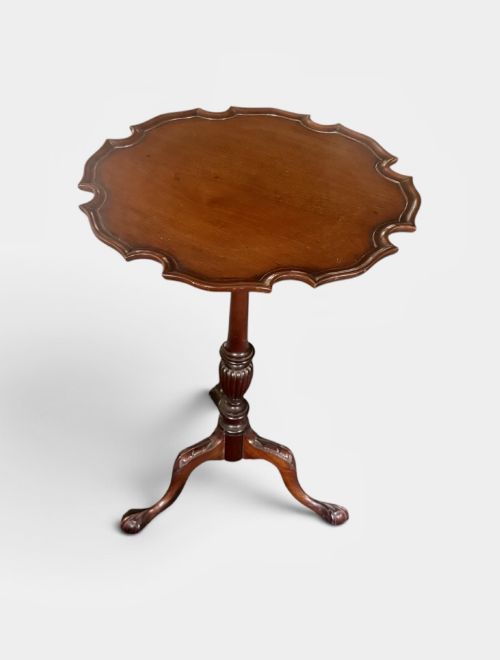
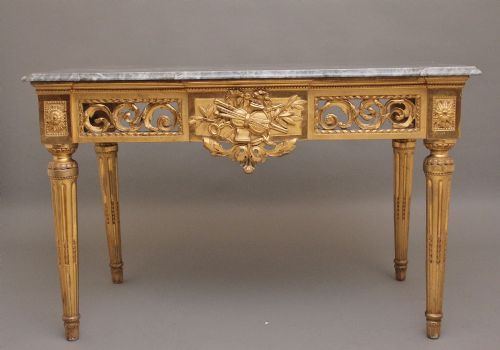
Console tables and lowboys dominate the larger formats, often featuring elaborate carved details along the apron and legs. Tripod tables provide smaller circular surfaces supported by carved pedestals and three-legged bases, serving as compact lamp or tea tables.
Origins stretch across England, Ireland, Italy, Spain, and France, bringing diverse aesthetic influences from French Rococo and Neoclassical styles to British Baroque and Chippendale designs. Oak and mahogany serve as the primary domestic timbers, while Italian and French examples lean towards giltwood and walnut.
Materials and construction methods
Cabinetmakers relied on solid timbers like oak, mahogany, and walnut, selecting dense woods that could sustain deep chisel work without fracturing. Giltwood surfaces utilise carved wooden bases coated in gesso and gold leaf to achieve a reflective, opulent finish.
Joinery involved traditional techniques such as mortise and tenon joints for frames and concertina actions for folding card tables. Carving was executed entirely by hand using gouges and chisels, resulting in irregular, organic motifs including foliage, scrolls, and mythical beasts.
Several tables preserve centuries of spilled tea and card counters hidden deep within their concertina hinges.
Distinctions in quality and execution
Quality rests primarily in the depth, crispness, and fluency of the hand carving on the legs and aprons, where skilled hands produce high relief without losing structural integrity. Timbers selected for prominent surfaces display rich figuring and deep, uniform colour achieved through age and wax finishing.
Proportion and stability dictate the standing of a piece, distinguishing workshop-made items from provincial copies. Superior examples retain original hardware, untouched timber patination, and coherent stylistic execution across every structural component.
Giles Grendey
The 18th Century Carved Table Glossary
- Console table
- A wall-mounted or freestanding table designed to stand against a vertical surface, frequently topped with marble or giltwood.
- Tripod table
- A small freestanding table supported by a central pillar above three spreading legs, sometimes featuring a tilt-top mechanism.
- Lowboy
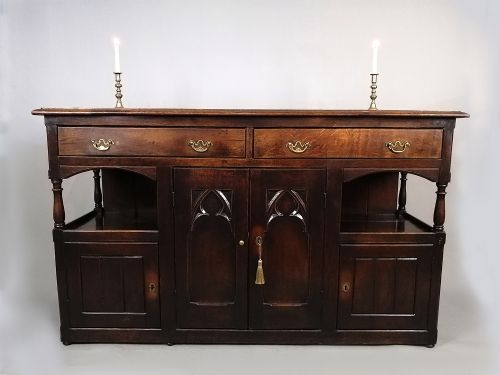
- A small oak or mahogany dressing or side table fitted with one or more drawers beneath the working surface.
- Pie crust rim
- A raised, decoratively scalloped edge carved directly from the solid wooden top of a tripod table.
- Giltwood
- Timber coated with gold leaf applied over a prepared gesso ground, standard on formal continental console tables.
18th Century Carved Table: Frequently Asked Questions
How were 18th century card tables used?
Card tables functioned as social furniture in parlours and drawing rooms during the evening, folded flat against walls when not in use. Opening the hinged leaves revealed baize-lined surfaces designed for games like whist or bridge.
Their form accommodated candles and counters within small corner wells, combining entertaining utility with formal domestic display.
Where should I place a console table?
Console tables fit naturally in entrance halls, living rooms, or dining spaces against blank walls. They anchor larger vertical elements like mirrors or paintings hung directly above them.
Because many examples feature finished backs or structural wall brackets, placement depends on whether the piece is freestanding or designed to anchor securely against plaster.
How do I identify oak versus mahogany?
Oak displays an open grain with visible medullary rays, creating characteristic flecks and a robust, heavy texture suited to early Georgian and rustic pieces. Mahogany possesses a tighter, red-brown grain that takes a high polish and accommodates crisp, intricate Chippendale carving.
Examining the underside or interior drawer linings reveals the natural colour and weight of the unpolished timber.