




18th Century Bell
When you search for an 18th century bell, you encounter objects ranging from clock mechanisms and bronze vessels to the distinct bell bowls of drinking glasses.
18th Century Bell
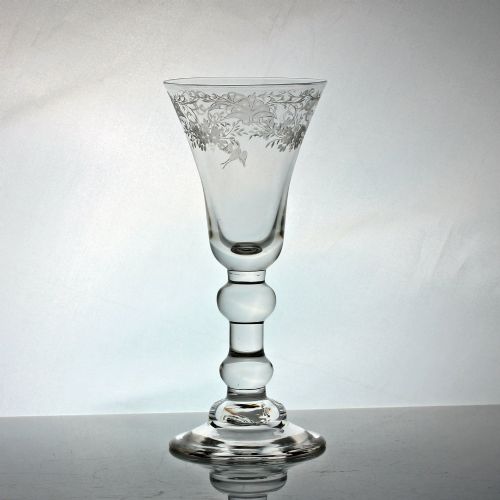
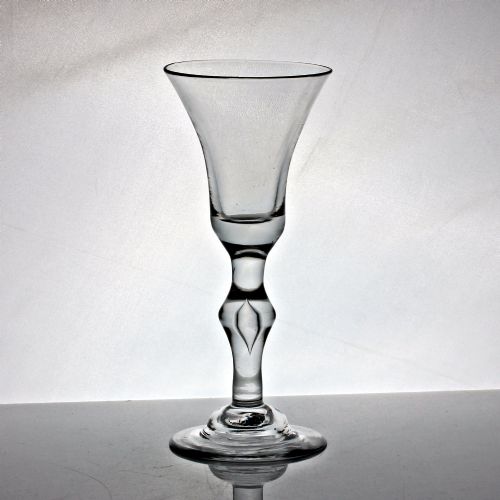
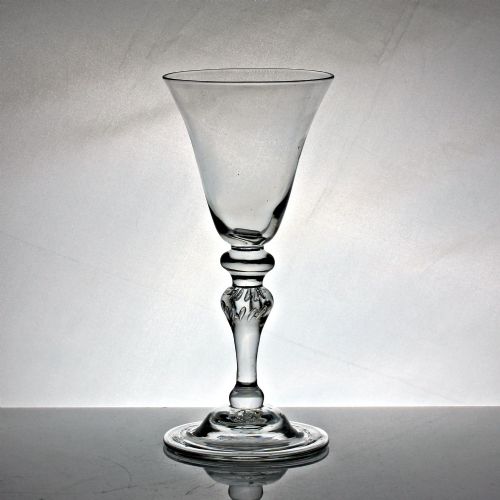
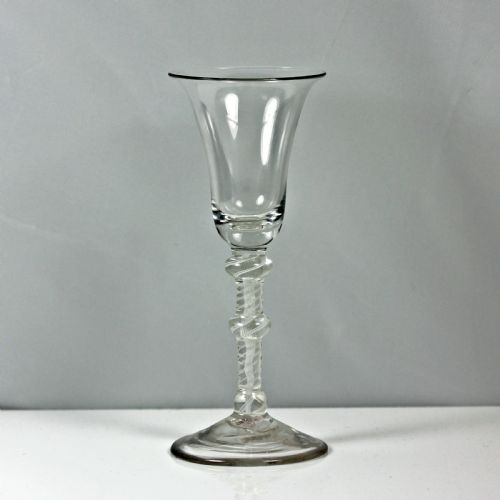
The term 18th century bell encompasses several distinct categories, most prominently the bell-shaped bowls found on Georgian wine glasses and drinking vessels. Buyers also encounter actual bells utilised in bracket clocks, lantern clocks, and standalone cast bronze pieces.
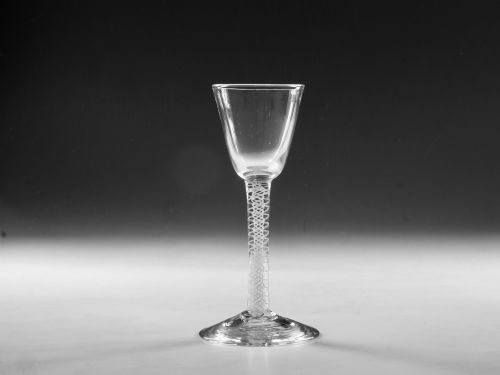
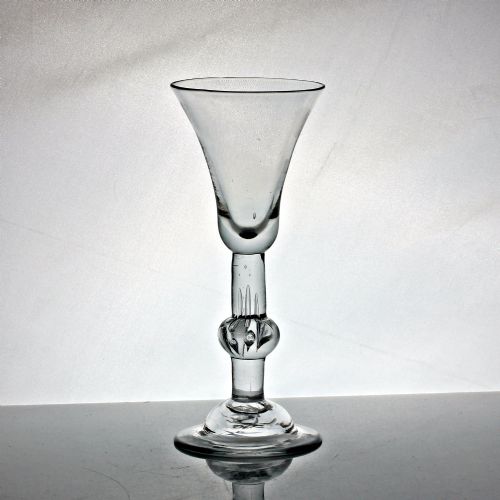
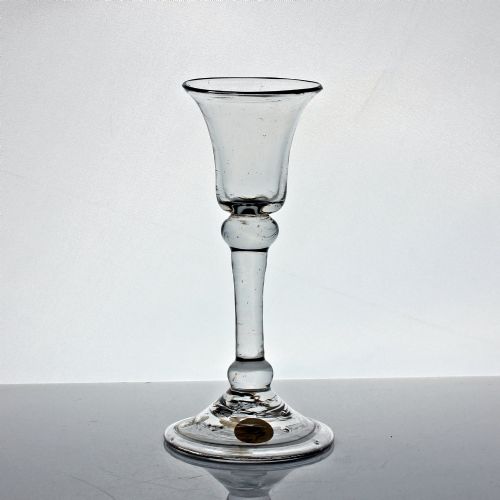
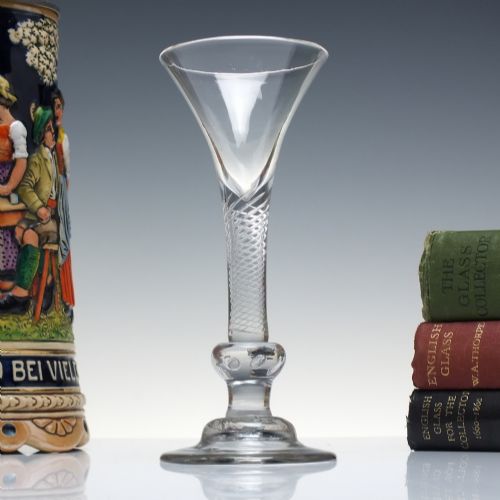
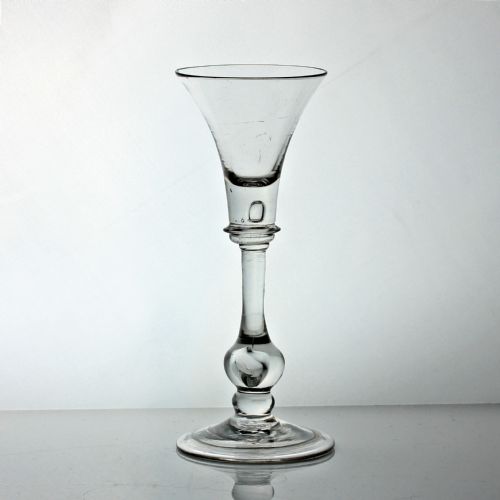
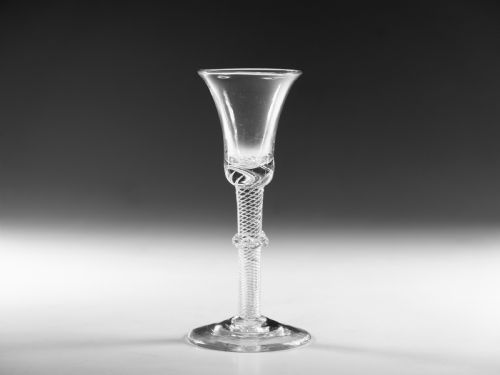
Drinking vessels dominate the selection, featuring bell bowls supported by baluster, balustroid, air twist, and opaque twist stems. These glass forms date primarily from the mid-1700s, showcasing the characteristic flared profile that collectors seek.
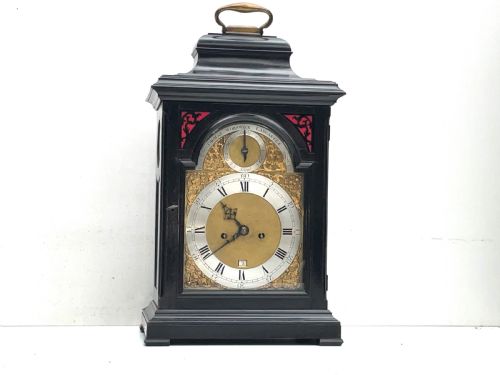
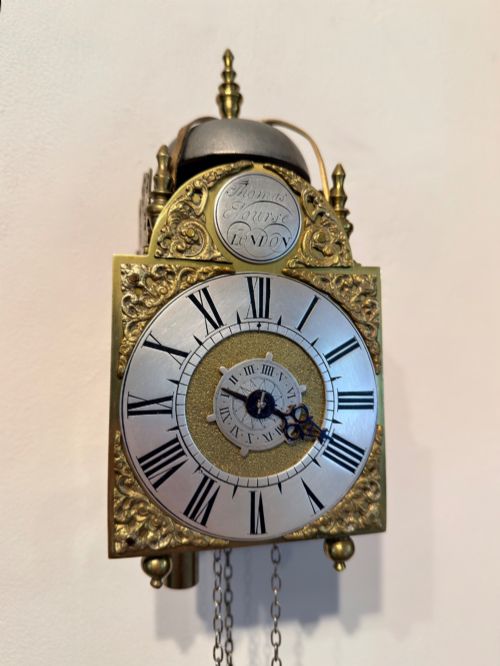
Horological examples form another substantial group, where verge escapement bracket clocks and lantern clocks strike on internal bells. Standalone bronze bells, mortar and pestle sets, and Dutch Delft polychrome vases marked with three bells complete the array.
Materials and construction methods
Glass pieces utilise lead glass and clear glass, shaped by hand into baluster stems, folded feet, and bell bowls with internal air tears or twists. Artisans formed optical effects inside the stems through techniques involving trapped air bubbles and opaque enamel glass twists.
Clock makers combined mahogany, ebonised wood, and steel for bracket and wall clock cases, housing intricate verge movements and fusee mechanisms. Clocks feature brass dials, silvered chapters, and metal bells cast to produce resonant striking tones.
Metal objects rely on bronze, brass, and bell metal, utilised for mortar and pestle sets, candlesticks, and freestanding bells. Founders poured molten metal into moulds to create durable pieces designed for daily domestic or institutional use.
18th Century Bell Retail Price Guide 2026
Typical asking prices for 18th century bell among the pieces listed under this phrase on Sellingantiques today, from the lower quarter to the upper quarter. They describe what is for sale here now, not the wider market.
Listings feature 18th-century glass drinking vessels, mahogany bracket clocks, and bronze mortars spanning from 1700 through the Georgian era.
Evaluating quality and execution
Quality in glass drinking vessels rests upon the clarity of the lead metal and the precision of the stem formation. Smooth draw in air twists and crisp execution of baluster knops distinguish superior glasswork from simpler plain stem variants.
In horology, the preservation of the original verge movement, fusee chain, and bell striking mechanism dictates the standing of a bracket clock. Mahogany and ebonised wood cases retain value when mouldings, bell-top shapes, and silvered dials remain unaltered.
Cast bronze bells and mortar sets show quality through the sharpness of their surface detail and the resonance of the metal. Proportion and uniformity in the casting process separate utilitarian items from finer examples.
Windmills and Bennet·John Waller·William Barrow·Somersall London·Andrew Marchant·William Withers
The 18th Century Bell Glossary
- Bell bowl
- A drinking glass bowl shaped like an inverted bell with a flaring rim. This form appeared frequently on Georgian wine and gin glasses during the eighteenth century.
- Verge escapement
- An early clock mechanism regulating the speed using a crown wheel and a swinging pallet rod. It controls the drop of the weight or spring that strikes the bell.
- Air twist
- A stem formation containing spiral threads of trapped air inside the glass. Makers produced these by twisting a stem pulled from molten metal before cooling.
- Fusee
- A conical pulley used in clocks to maintain even power from a descending weight or uncoiling spring. It ensures steady force drives the movement and strikes the bell.
- Bell metal
- An alloy of copper and tin traditionally used for casting bells and mortars. This specific mixture provides the resonant acoustic properties required for striking clocks.
18th Century Bell: Frequently Asked Questions
How do bracket clock bells work?
Bracket clock bells are mounted inside the wooden case, struck by hammers connected to the clock train. These mechanisms regulate the hour and quarter-hour strikes using verge escapements.
The presence of original bells and striking trains is central to the authenticity of 18th-century mahogany and ebonised clock pieces.
What is bell metal used for?
Bell metal is a specific bronze alloy containing copper and tin, formulated to produce a resonant tone when struck. Artisans utilised this durable material for freestanding bells, clock components, and mortar sets.
The composition provides both acoustic quality and structural strength suitable for functional objects.
How do I identify air twist stems?
Air twist stems contain internal threads of trapped air bubbles forming spiral patterns within the clear glass. Glassmakers twisted the stem while hot to draw out these fine channels before cooling.
They appear alongside opaque twist and plain stem variations across mid-18th-century drinking vessels.