


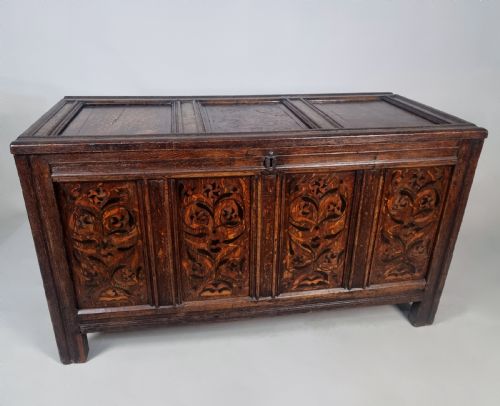
17th Century Wooden Coffer
A 17th century wooden coffer is a heavy storage chest built to hold domestic valuables, offering tactile connection to early domestic interiors.
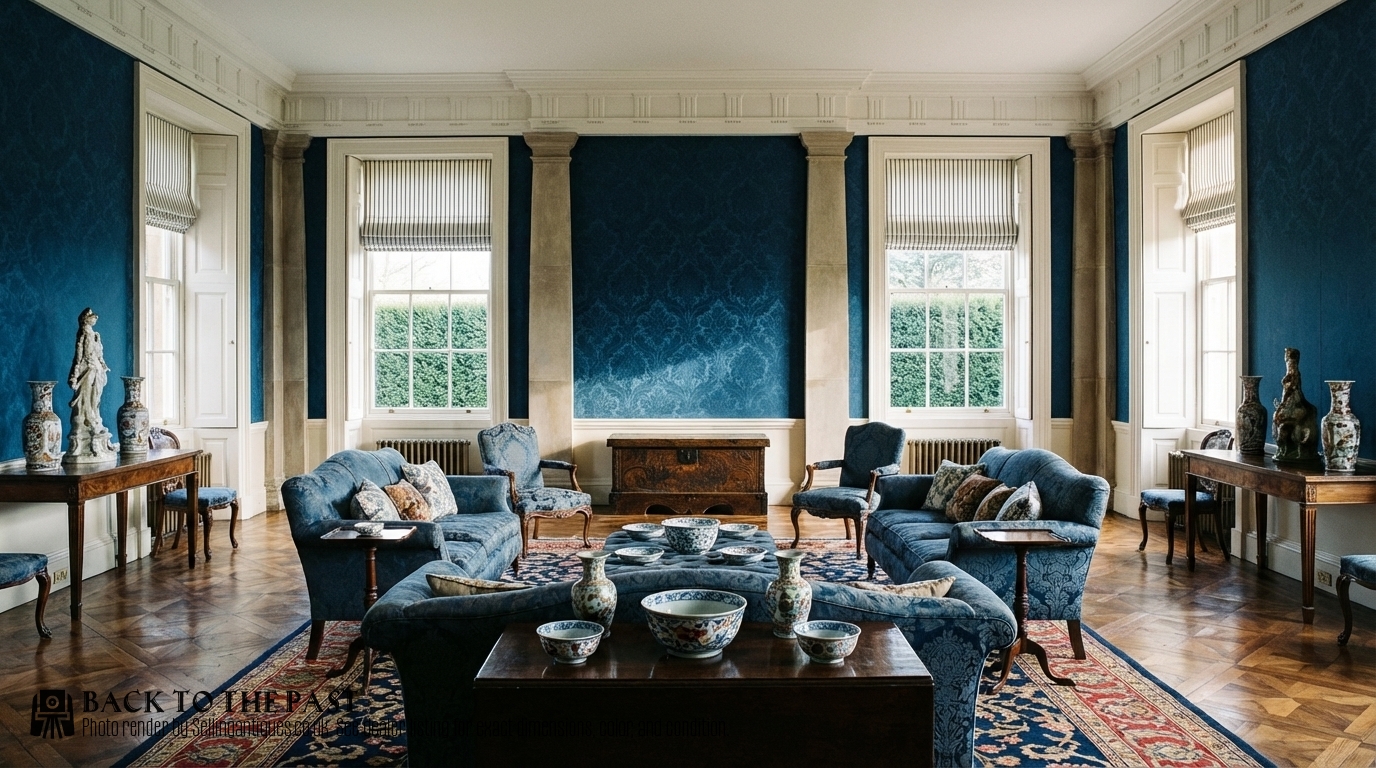
17th Century Wooden Coffer
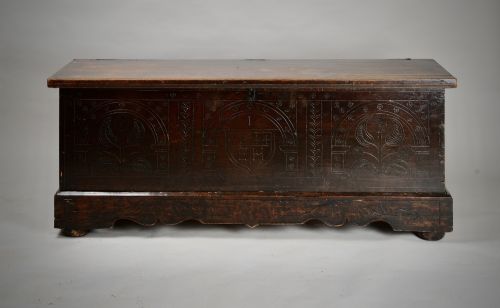
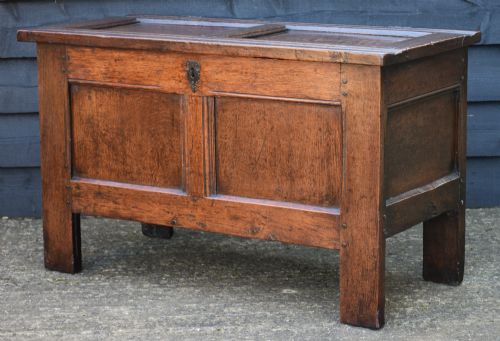
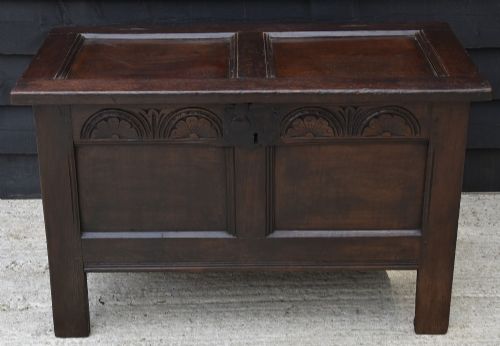
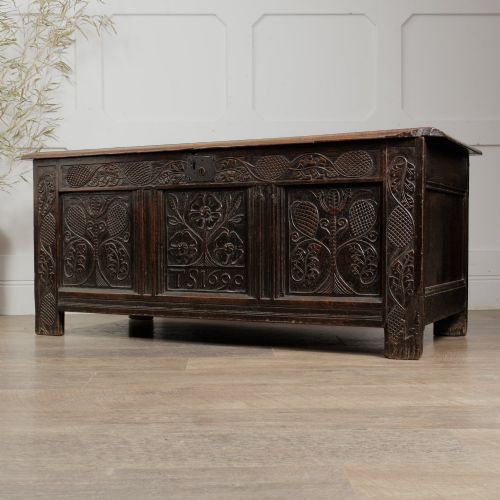
A 17th century wooden coffer serves as a sturdy receptacle for linen, documents, and domestic valuables. Buyers seeking this search phrase encounter robust oak examples alongside elm, cypress wood, and mahogany pieces.
The domestic forms range from small table boxes and slant-front Bible boxes to large panelled chests, mule chests with drawers, and simple six-plank constructions.
Many items display regional character from England, Wales, Cornwall, and Dorset, while others reflect continental European origins including Flemish and Italian craftsmanship.
Materials and Construction Techniques
Solid oak provides the primary structural timber, often joined using traditional frame and panel techniques, though simpler six-plank constructions utilise elm or thick boards.
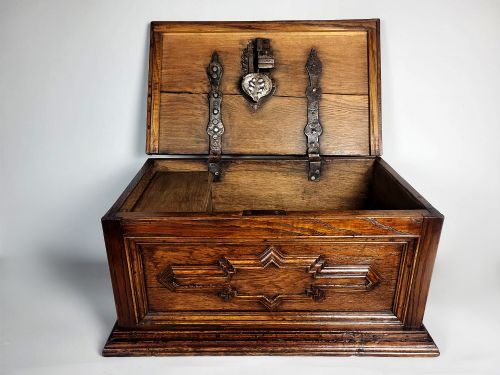
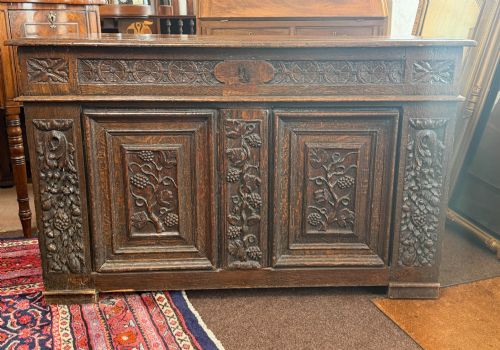
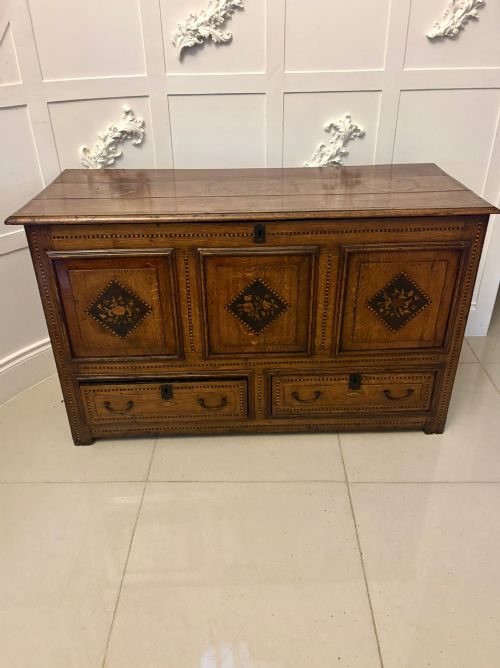
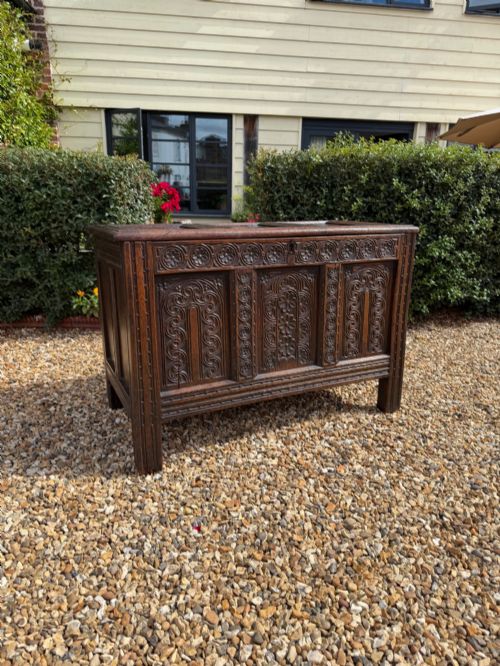
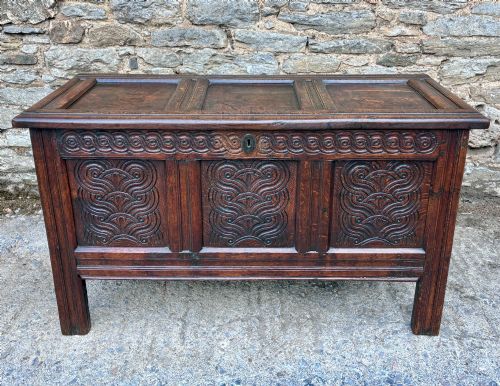
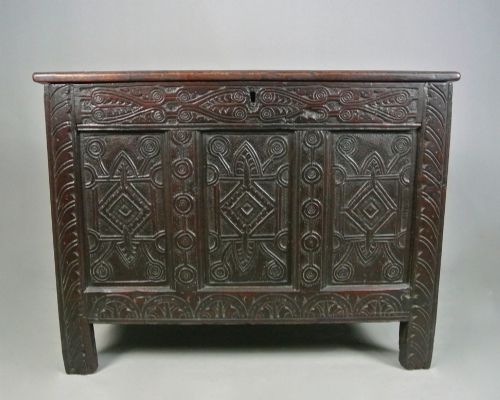
Surface enrichment involves hand carving, incised geometric patterns, and applied mouldings, occasionally enhanced by marquetry inlay using mixed woods.
Hardware relies on wrought iron and brass for hinges, lock plates, and carrying handles, securing heavy lids upon the main body.
Listings feature structural timbers including solid oak, elm, cypress wood, and mahogany, alongside wrought iron and brass hardware.
Judging Quality in Early Chests
The integrity of the timber and the depth of the original patina determine much of the visual appeal. Untouched surfaces displaying age-softened grain outrank heavily stripped or over-restored timber.
Construction methods signal standard versus superior output, seen in the tightness of pegged joints, the thickness of bottom boards, and the crispness of hand-carved panels.
The survival of original ironwork, hinges, and operational locks elevates a piece from a mere utility box to a significant survivor of domestic history.
The 17th Century Wooden Coffer Glossary
- Coffer
- A heavy wooden chest traditionally used for storing valuables, textiles, or documents. These storage pieces often feature hinged lids and sturdy box construction.
- Mule chest
- A storage chest fitted with one or more drawers beneath the main internal compartment. This transitional form combines trunk storage with drawer accessibility.
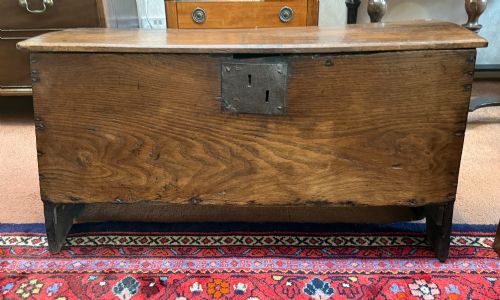
- Six-plank coffer
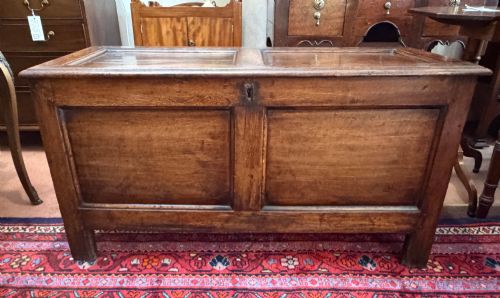
- A primitive chest constructed from six individual boards joined simply at the edges. This vernacular form represents an early and direct method of box building.
- Joined oak
- Furniture construction utilising mortise and tenon joints secured with wooden pegs. This method allows timber to expand and contract naturally without losing structural integrity.
- Marquetry inlay
- Decorative patterns created by fitting contrasting wood veneers into prepared recesses on the surface. This technique adds pictorial or geometric richness to the panels.
17th Century Wooden Coffer: Frequently Asked Questions
What were 17th century wooden coffers used for?
These chests stored domestic textiles, church plate, family documents, and portable valuables safely away from damp floors. Their heavy construction and secure locks offered vital protection in early households.
Over time, smaller variations like Bible boxes and table boxes emerged to hold specific books and correspondence on elevated surfaces.
How do I identify a six-plank coffer?
A six-plank coffer utilises single boards for the front, back, bottom, lid, and two sides, joined simply at the vertical corners. V-notch or cutout feet are typically formed directly into the side planks.
This vernacular construction method lacks an internal frame, relying entirely on the thickness of the boards for its structural strength.
What is the difference between a coffer and a mule chest?
A standard coffer provides storage solely through a top-opening lid that gives access to a single deep compartment. A mule chest incorporates one or more drawers beneath this main chest section.
This addition of bottom drawers marks a significant development in domestic furniture design during the seventeenth period.
How should I care for an old oak chest?
Keep wooden coffers away from direct heat sources, radiators, and rapid humidity changes to prevent the oak panels from splitting. Natural beeswax applied sparingly helps maintain the dry surface sheen without building up sticky residue.
Allowing the wood to breathe naturally preserves the historic patina developed over centuries of domestic use.