


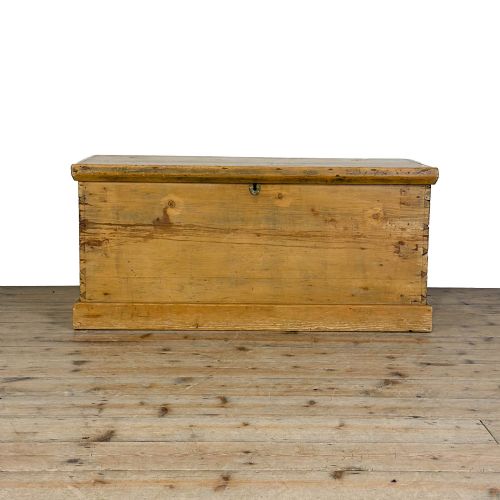
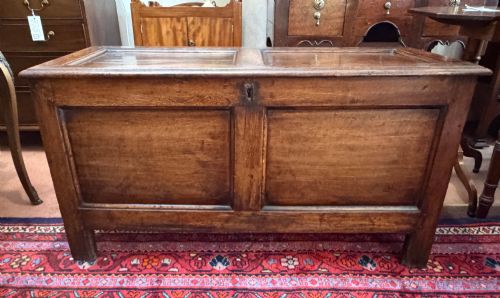
Traditional Wooden Blanket Box
A traditional wooden blanket box is a capacious storage chest built to keep household textiles secure, and the examples gathered here offer genuine historical character for modern interiors.
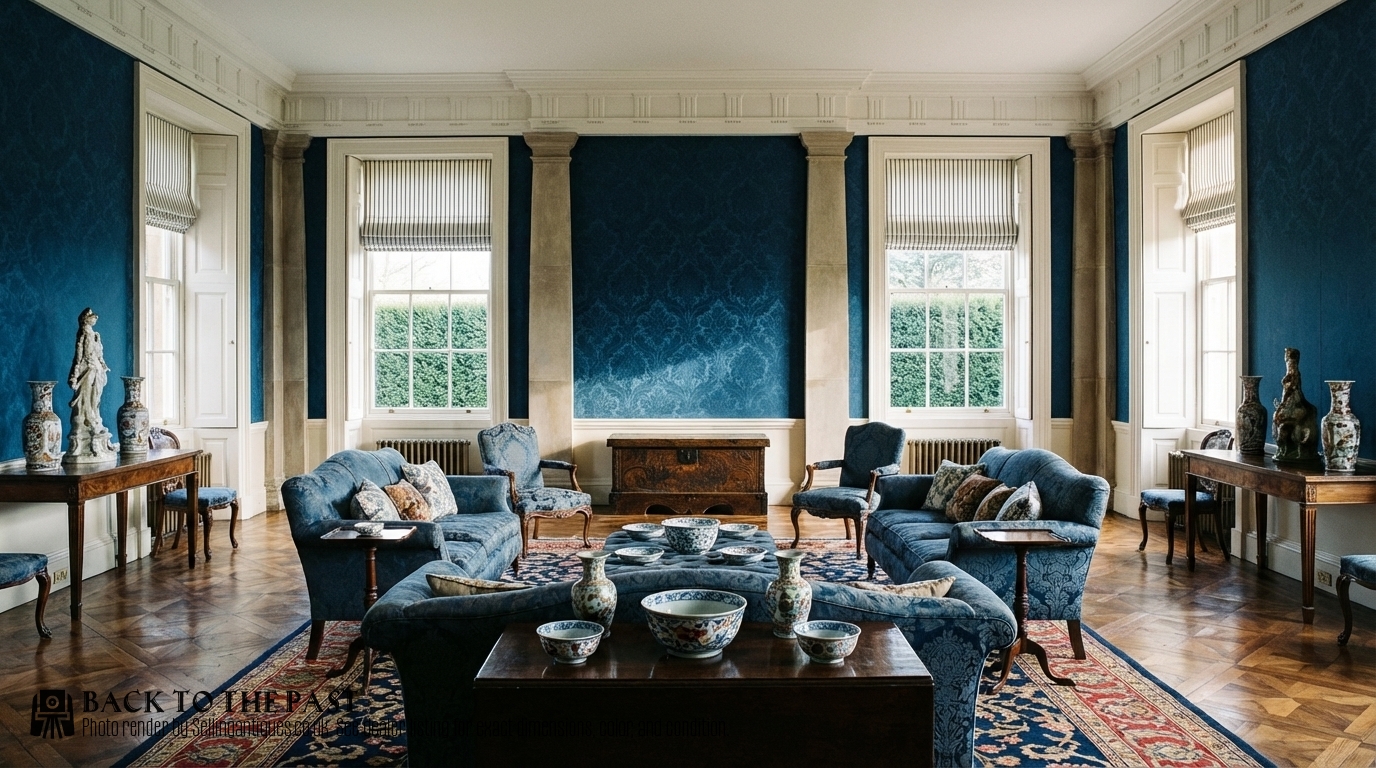
Traditional Wooden Blanket Box
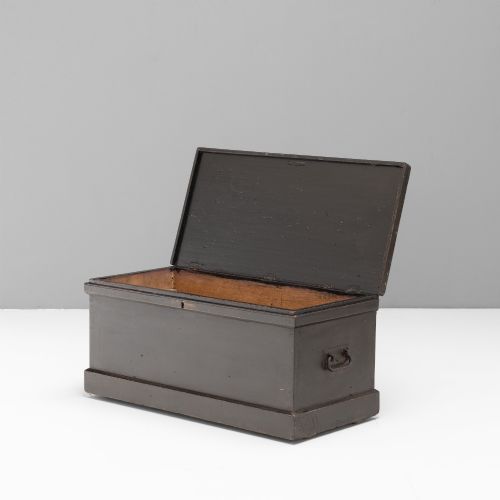
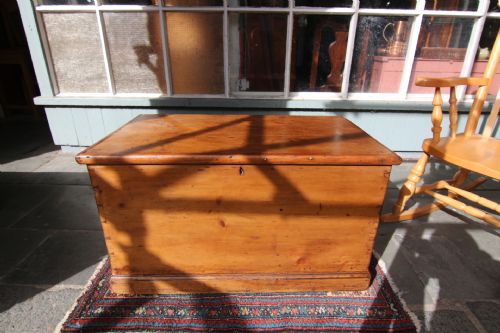
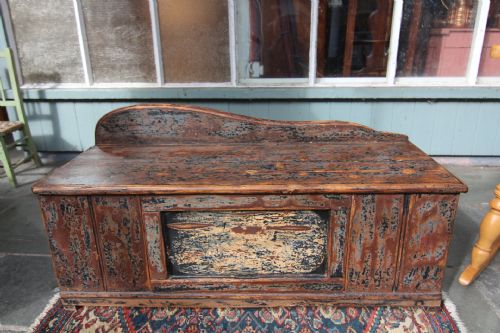
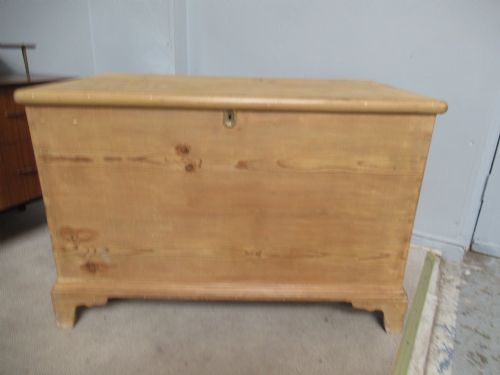
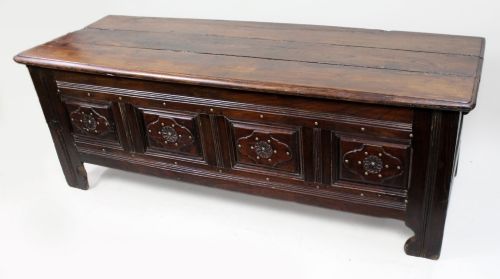
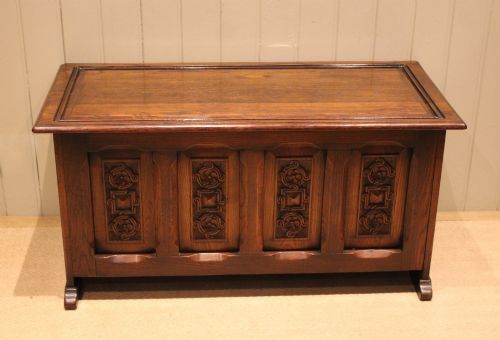
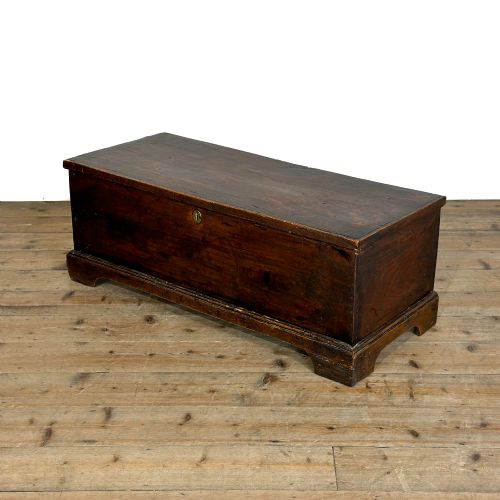
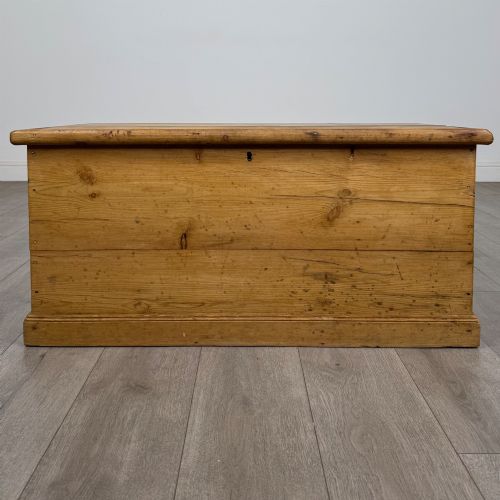
When you search for a traditional wooden blanket box, you encounter heavy-duty storage vessels designed to hold linens, woollens and personal belongings. These pieces appear under various historical descriptors such as coffers, mule chests and storage trunks. The selection ranges from robust seventeenth-century joined oak examples to nineteenth-century stripped pine and Victorian utility boxes.
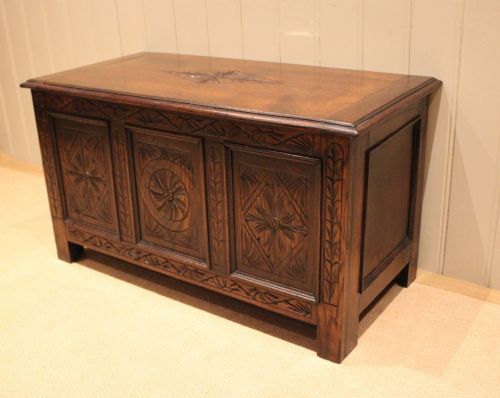
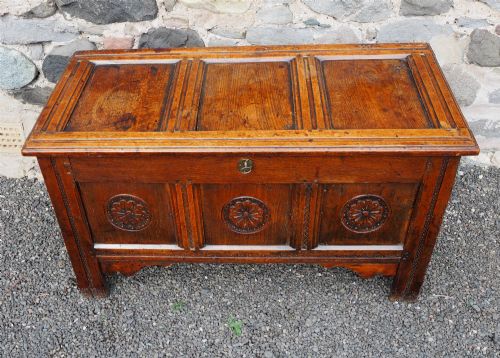
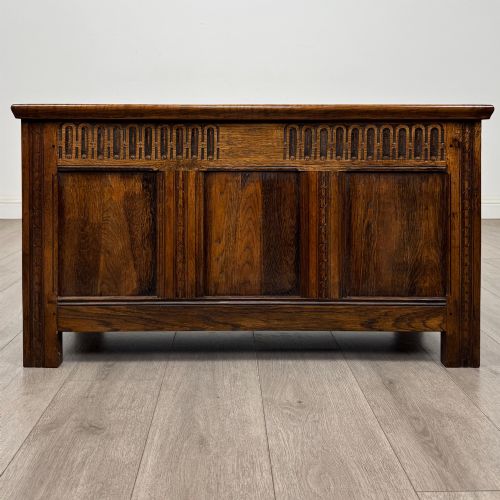
The most common items you meet on this page are sturdy oak and pine chests originating from British, French and Welsh country workshops. Many incorporate simple board construction, while others display panelled fronts or carved detailing consistent with Georgian and Jacobean styles. Simpler six-plank elm variants also emerge alongside exotic camphor wood trunks from international trade routes.
Materials and construction methods
Cabinet makers relied primarily on native hardwoods and softwoods, shaping solid oak, elm, pine and mahogany into rigid carcass structures. Frame and panel joinery allowed timber to expand and contract naturally without splitting across the grain. Early pieces utilise pegged mortise and tenon joints, securing the boards firmly together without modern metal fasteners.
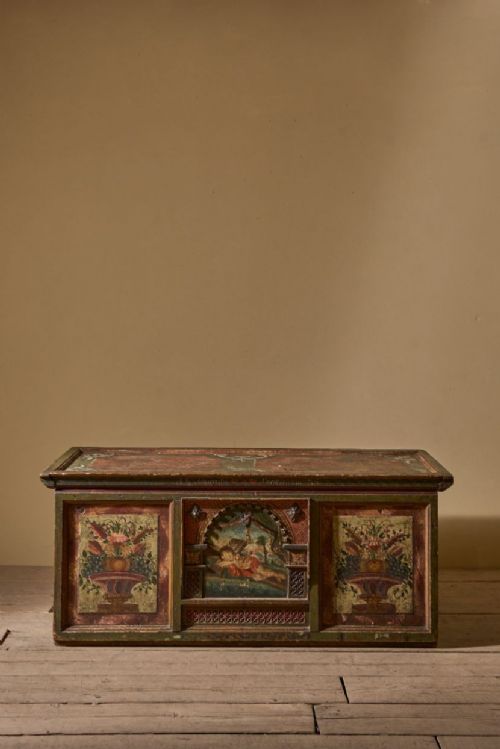
Iron and brass hardware provides both structural reinforcement and decorative contrast on lids and corners. Hand-forged strapwork, hinges and drop handles secure the heavy lids, while occasional painted finishes or inlaid details decorate the exterior surfaces of provincial mule chests.
The inventory spans centuries of domestic storage, incorporating styles from seventeenth-century joined oak to Victorian painted pine and Arts and Crafts design.
Distinguishing build quality and integrity
The standard of a traditional wooden blanket box depends largely on the selection of timber and the integrity of its original joints. Superior pieces retain their foundational framing, thick baseboards and primary hardware without excessive modern replacements. Subtle hand-carved motifs and well-fitted panel work separate master-built workshop output from later revival reproductions.
Patina and surface preservation mark the distinction between an honest survivor and an over-restored box. Examples that maintain their original hardware, unblemished timber grain and untouched surface depth command greater appreciation among collectors than those stripped down or heavily rebuilt.
The Traditional Wooden Blanket Box Glossary
- Coffer
- A heavy wooden chest traditionally used for storing valuables or household goods. Most examples feature a hinged lid and solid board or panelled construction.
- Mule chest
- A storage chest featuring one or more drawers beneath the main lifting compartment. This form bridges the gap between the simple blanket box and the chest of drawers.
- Six-plank
- A primitive construction method using six primary boards pegged or nailed together at the corners. This technique represents an early form of box-making found in country houses.
- Crossbanded
- A decorative veneering technique where thin strips of wood are laid across the grain pattern to form a contrasting border. It appears frequently on finer Georgian furniture.
- Strapwork
- Flat bands of metal or carved wood applied in geometric interlacing patterns across a surface. Hand-forged iron versions reinforce heavy box lids and corners.
- Joined oak
- Furniture constructed using mortise and tenon joints locked with wooden pegs rather than simple nailed boards. This method provides superior structural longevity.
Traditional Wooden Blanket Box: Frequently Asked Questions
What did they store inside?
These receptacles held heavy woollen blankets, household linens, winter garments and valuable family documents before fitted wardrobes became common in homes.
Because houses lacked built-in closets, keeping textiles inside a closed wooden container protected delicate fabrics from dampness, dust and household pests.
How do I date an old chest?
Dating relies on examining the construction methods, tool marks left on the wood, and stylistic details such as carved motifs or hardware. Seventeenth-century pieces typically show joined framing and pegged joints, whereas nineteenth-century pine boxes often use simpler machine-sawn boards.
Secondary woods, nail types and the presence of hand-forged iron strapwork also provide reliable chronological clues when matching a piece to its historical period.
Are camphor trunks waterproof?
Camphor wood chests were specifically manufactured for long sea voyages because the dense, aromatic timber naturally repels insects and resists moisture.
Collectors often place these trunks at the foot of a bed or in hallways to utilise their distinct fragrance and reliable sealing properties for modern storage.
How do I maintain the wood?
Maintaining the finish requires keeping the timber away from direct heat sources and sudden temperature swings that cause the wood to split. Regular dusting with a dry cloth and occasional application of traditional beeswax preserves the natural lustre without sealing the pores.
Avoid modern chemical polishes, as they can soften old wax surfaces and attract dust to the carved recesses of antique panels.