



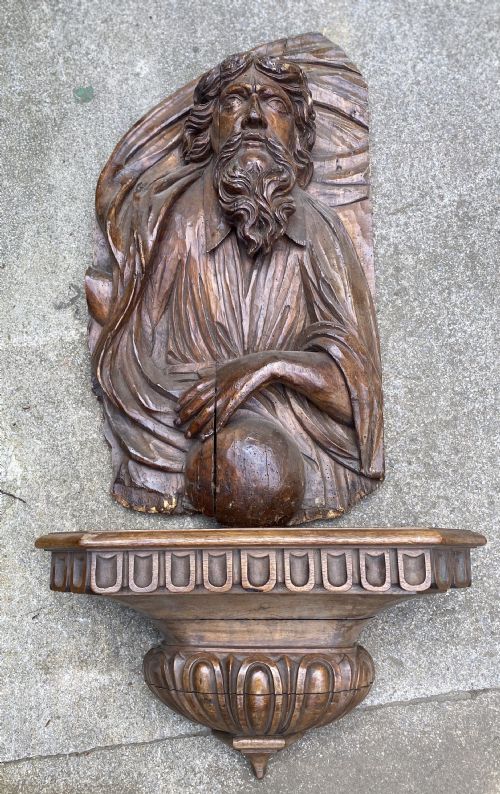


17th Century Wall Reliefs
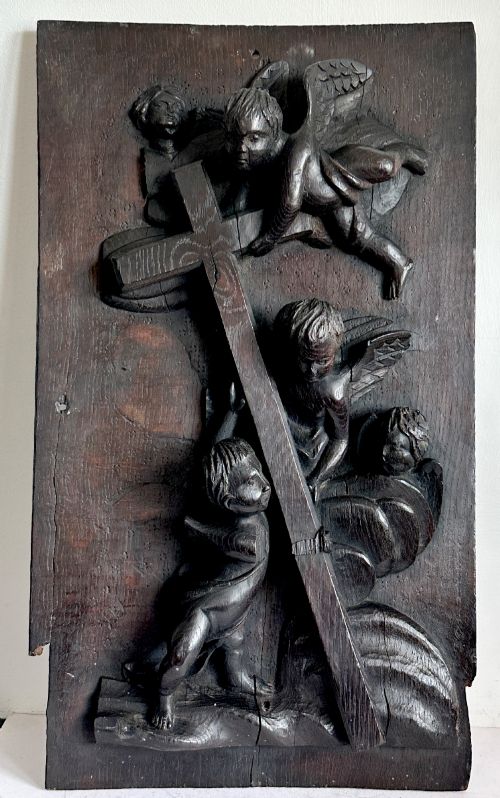
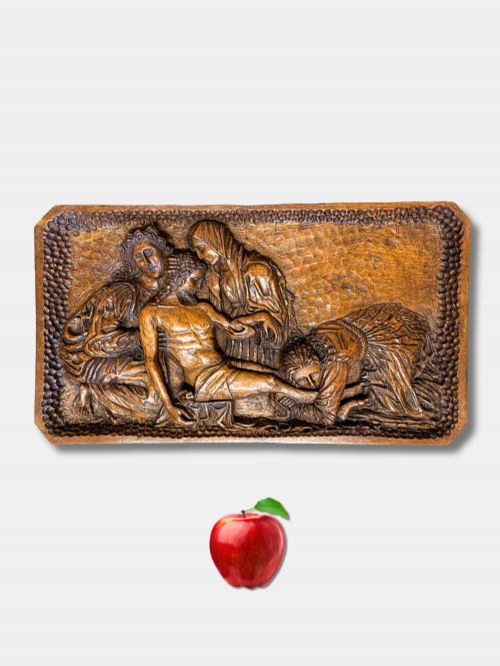
These 17th century wall reliefs capture centuries of historic hand-carved religious imagery and classical ornament for modern interiors.
17th Century Wall Reliefs
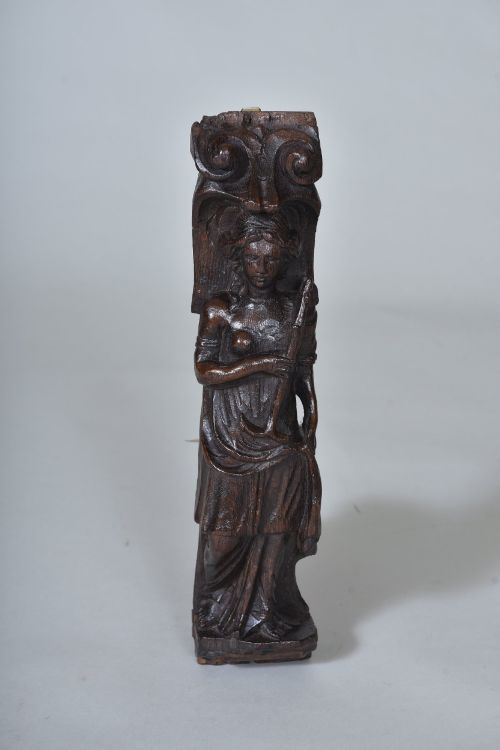
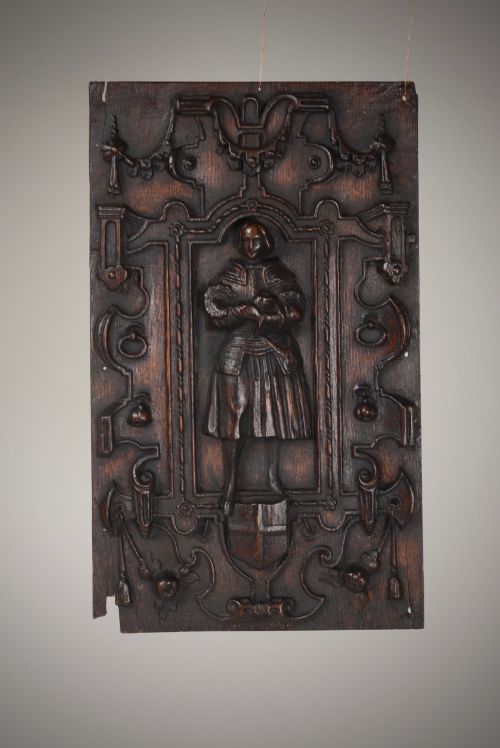
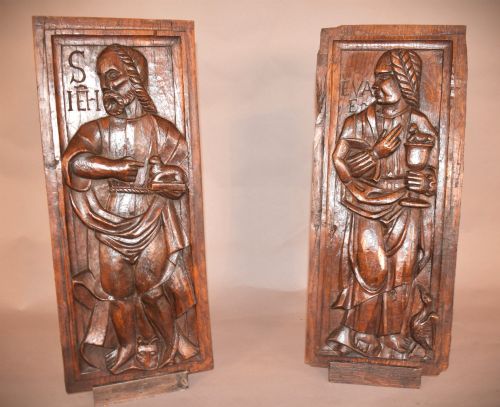
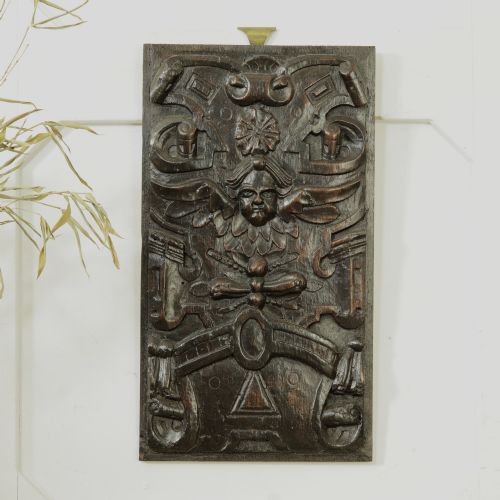
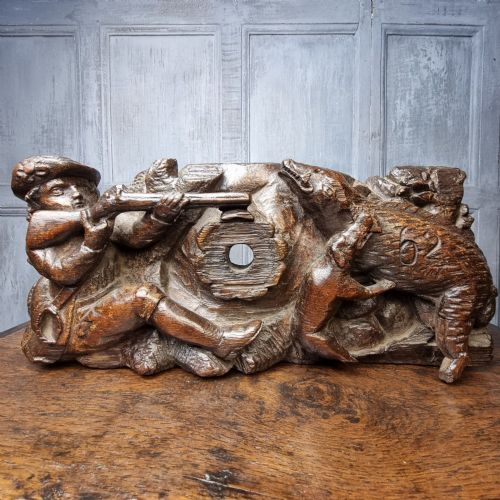
These pieces encompass architectural salvage, carved wooden panels, plaques, and wall art originating primarily from the seventeenth century, alongside revival interpretations. Buyers examining 17th century wall reliefs will encounter vigorous figural scenes, heraldic motifs, and deep floral carvings designed to project status and piety.
The selection ranges from large overdoor panels and staircase elements down to small devotional carvings and crests. Oak, walnut, and chestnut dominate the wooden forms, occasionally supplemented by marble or metal plaques bearing early figures.
How they were made
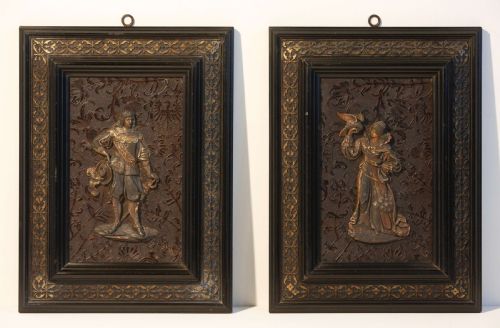
Artisans produced these works predominantly through hand-carving dense hardwoods like oak, walnut, and chestnut, utilising chisels and gouges to achieve high relief and pierced acanthus foliage. Some items incorporate ebonised wood or gilded bronze and white metal.
The execution relies on traditional joinery and deep dimensional cutting, allowing figures and architectural elements to project dramatically from their backing boards.
17th Century Wall Reliefs Retail Price Guide 2026
Typical asking prices for 17th century wall reliefs among the pieces listed under this phrase on Sellingantiques today, from the lower quarter to the upper quarter. They describe what is for sale here now, not the wider market.
Listings feature woods including oak, walnut, chestnut, and ebonised wood alongside marble and bronze.
What varies in quality
Quality in 17th century wall reliefs rests on the depth of the carving, the crispness of the anatomical or floral detail, and the preservation of the original wood surface. Superior pieces exhibit confident handling of complex figural subjects like Joan of Arc or biblical scenes, where facial expressions and drapery folds retain their sculptural weight.
Lesser examples display shallower relief, worn details from centuries of handling, or later structural alterations that diminish the integrity of the original carving.
Edward Pearce
The 17th Century Wall Reliefs Glossary
- High-Relief
- A sculptural technique where elements project far from the background, creating strong shadows and a three-dimensional effect.
- Acanthus
- A carved ornamental motif based on the foliage of the Mediterranean acanthus plant, heavily utilised in Baroque and classical scrollwork.
- Corbel
- A structural piece of stone or wood projecting from a wall to support a weight, frequently carved into figural or grotesque forms.
- Architectural Salvage
- Building components and decorative elements rescued from older structures for reuse as wall art or interior decoration.
- Armorial
- A design displaying heraldic arms or crests, often carved into wood panels to denote family lineage and authority.
17th Century Wall Reliefs: Frequently Asked Questions
How do I hang heavy carved panels?
Heavy wooden panels require robust wall fixings anchored directly into studs or masonry rather than standard drywall anchors. Metal brackets or concealed French cleats provide the necessary load-bearing support for dense hardwoods like oak and walnut.
Ensure the weight is distributed evenly across the frame or backing board to prevent stress fractures in antique timber over time.
Are these reliefs suitable for bathrooms?
Unsealed antique wood and historic carved panels react poorly to high humidity and fluctuating moisture levels. Bathrooms can cause the timber to warp, crack, or encourage mould growth on porous surfaces.
Display these pieces in stable indoor environments with consistent ambient temperatures to preserve the carved structure.
How do I clean historic wood carvings?
Dust these carvings gently with a soft, dry brush or a microfiber cloth to prevent dirt accumulation in deep crevices. Avoid using water, liquid polishes, or commercial cleaners that can strip historic patinas and damage dry timber.
Consult a professional conservator if the surface requires deeper cleaning or stabilization.
What is the difference between oak and walnut panels?
Oak panels typically display a pronounced open grain and lighter brown tones, frequently associated with robust Jacobean and English architectural woodwork. Walnut offers a finer grain, a darker richer hue, and a smoother surface that permitted highly detailed figural carving.
Both timbers provide durability, but walnut was often chosen for elaborate Continental Baroque commissions.