





17th Century Textile
These 17th century textile pieces bring centuries of historic weave and needlework into modern rooms.
17th Century Textile
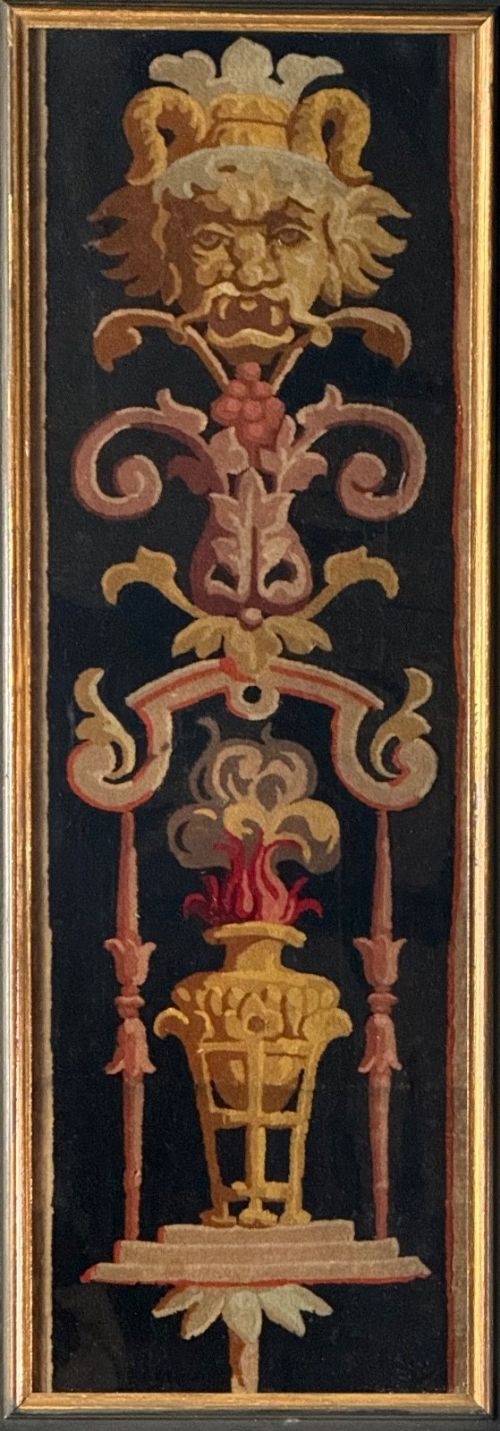
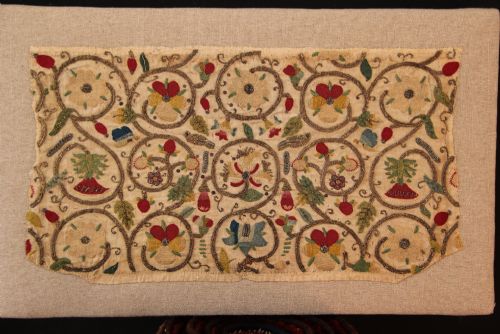
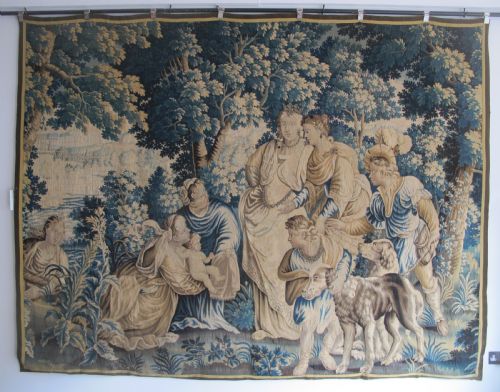
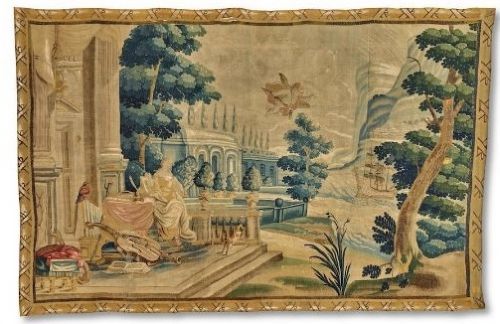
A 17th century textile encompasses large wall tapestries, verdure panels, and smaller framed embroideries or cushions. Buyers searching for a 17th century textile encounter Flemish and French verdure landscapes, mythological scenes, and detailed stumpwork panels. Many examples originate from Flemish, English, French, and Italian workshops spanning the sixteen-hundreds.
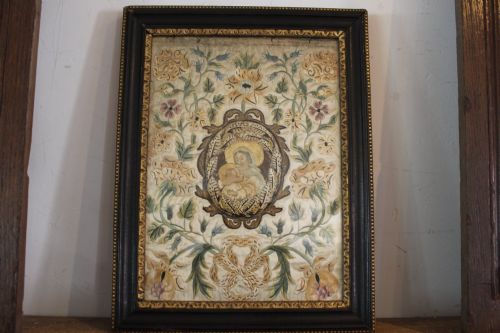
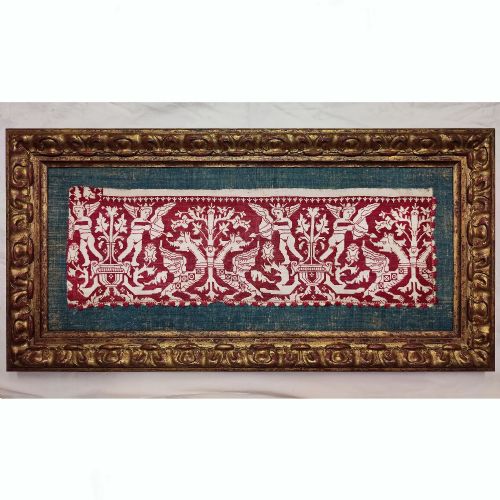
The most common forms on this page include Flemish verdure tapestries, tapestry cushion covers, and silk or beadwork embroidery panels. Pieces range from grand scale wall art down to mounted border fragments and band samplers. These works display Baroque and Stuart styles through wool, silk, and metallic thread.
How they were made
Weavers constructed large wall hangings on looms using wool, silk, and metallic threads to build intricate pictorial scenes. Artisans also employed specialised needlework techniques, such as raised stumpwork embroidery with beads and silver bullion thread.
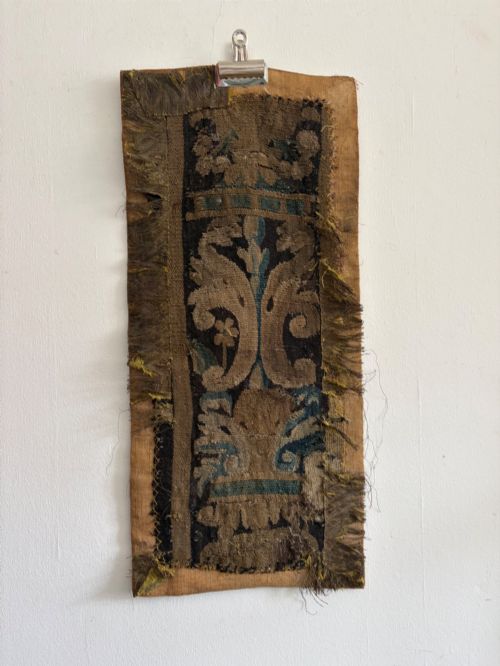
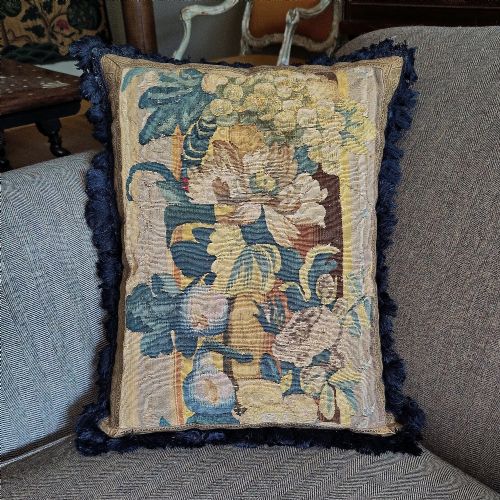
Smaller fragments and panels often utilised linen or wood as a backing or mount to support aged silk velvet and needlework pictures. Many textile portions were later adapted into cushions or framed for preservation.
Recorded styles span Baroque, French Baroque, Flemish Baroque, Stuart, and North German traditions.
What varies in quality
The sophistication of the pictorial design and the density of the weave distinguish finer tapestries from simpler border fragments. Surviving needlework panels show variation in the complexity of their figures, such as royal portraits or mythological characters.
The preservation of original materials like metallic thread, silk, and coral beads alters the visual impact of an embroidered panel. Intact scale and clear provenance in regional styles, such as Flemish or Stuart, elevate specific pieces.
The 17th Century Textile Glossary
- Verdure tapestry
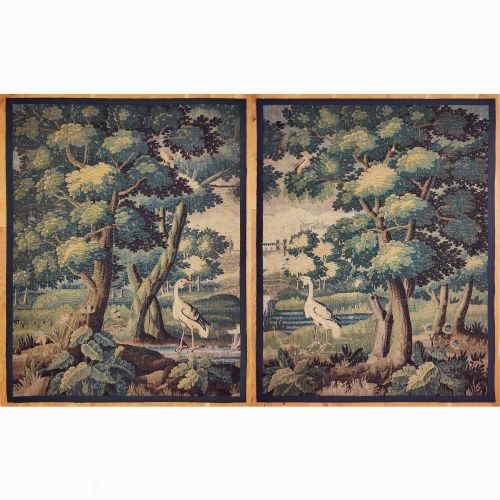
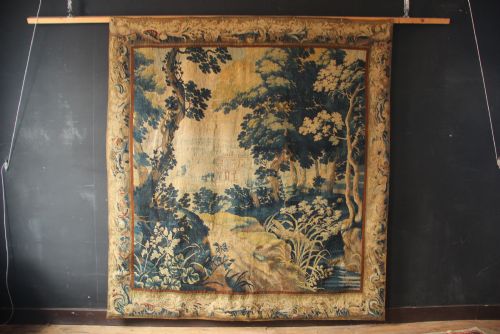
- A wall hanging depicting a lush landscape with trees, foliage, and animals. These scenes often focus on forest greenery rather than human figures.
- Stumpwork
- A raised embroidery style popular in the Stuart period. Artisans padded stitches to create a three-dimensional effect for figures and garments.
- Band sampler
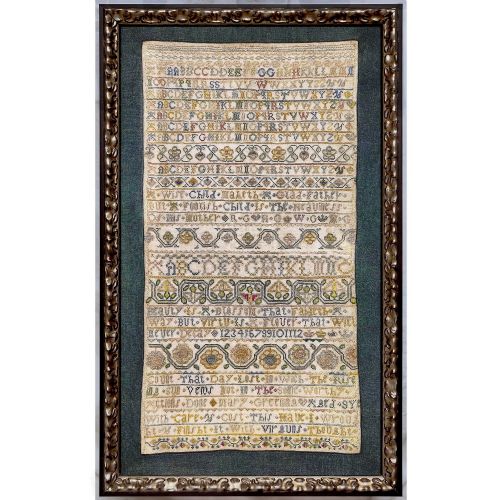
- A narrow strip of linen worked with various embroidery stitches. Young makers practiced and recorded patterns using these cloths.
- Silver bullion
- Tightly coiled silver wire used in fine historic embroidery. It adds metallic lustre and texture to textile panels.
17th Century Textile: Frequently Asked Questions
How were tapestries used originally?
Large tapestries hung on stone chamber walls to insulate rooms against cold drafts. They also displayed wealth, status, and mythological narratives for noble households.
Smaller fragments and panels decorated furniture or served as devotional and decorative domestic items.
Can I hang a textile on the wall?
Many panels, wall art pieces, and tapestries arrive prepared on linen mounts or frames suitable for hanging. Support weight requires careful distribution across the textile.
Direct sunlight damages fragile silk and wool, so placement away from bright windows preserves the colours.
What is a verdure tapestry fragment?
A verdure fragment is a surviving section of a larger forest landscape hanging. These pieces typically display trees, leaves, and occasionally birds or game animals.
Fragments often appear mounted on linen or repurposed into cushion covers for modern interiors.