



Framed Linen Textile
When you search for framed linen textile, you are looking at needlework samplers and embroidered panels mounted behind glass in wood frames.
Framed Linen Textile
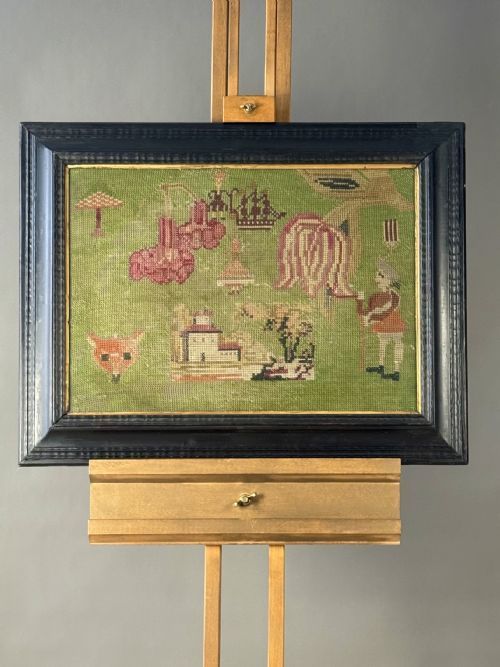
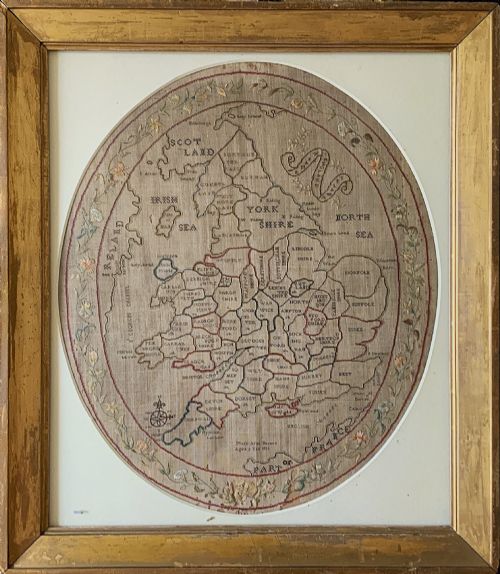
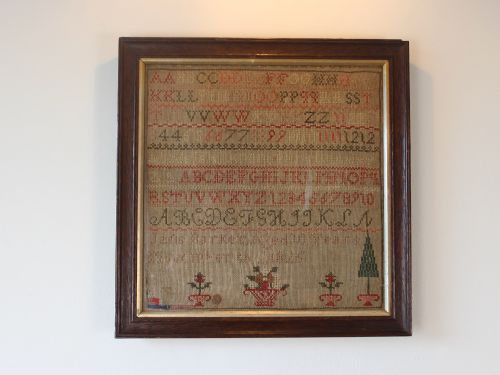
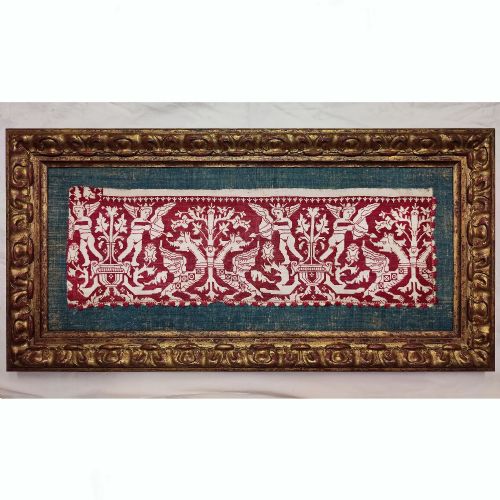
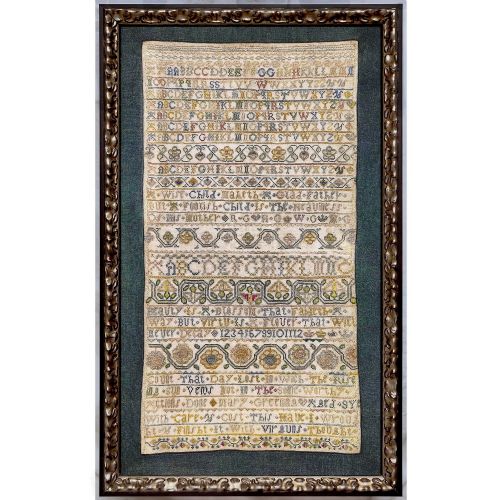
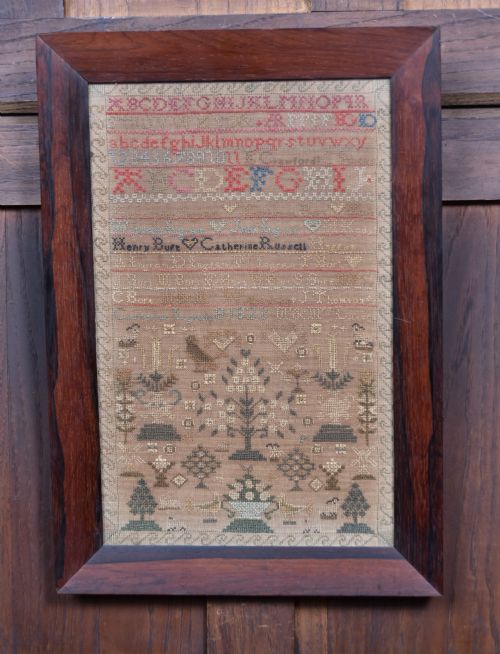
A framed linen textile primarily takes the form of a needlework sampler, alphabet exercise, or embroidered panel produced across the eighteenth and nineteenth centuries. These works include schoolgirl maps, religious texts, and decorative borders stitched on linen grounds.
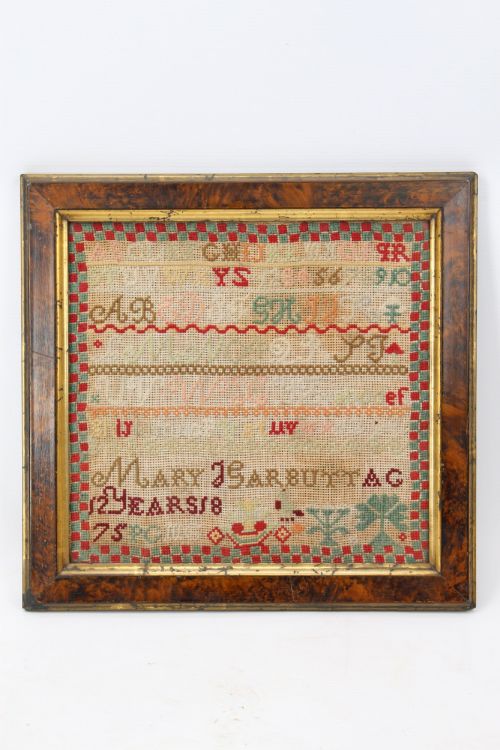
The pieces appearing most frequently span the Georgian and Victorian eras, alongside seventeenth-century fragments and regional Greek island works. Many record the names and ages of young makers, alongside specific dates or school origins.
How they were made
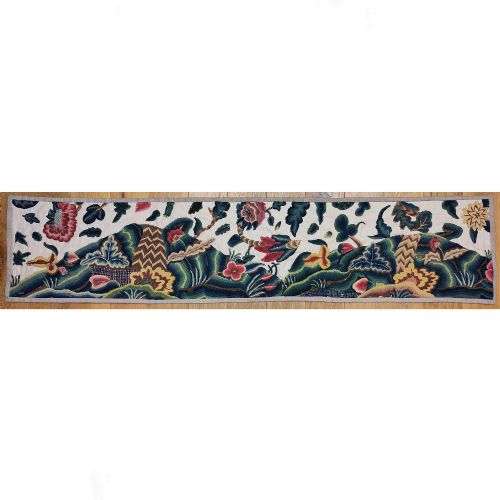
Makers worked with silk thread, wool, and silk floss applied directly to a woven linen foundation using various needlepoint and embroidery stitches. Crewelwork and lace techniques also appear across specific English and continental panels.
Framing typically involves wood mouldings and protective glass, which safeguard the fragile textile fibres from environmental dust and handling over centuries.
Listings span the eighteenth and nineteenth centuries, featuring materials such as linen, silk thread, wool, wood, and glass.
What varies in quality
Quality rests in the precision of the stitching, the complexity of the motifs, and the legibility of alphabets or cartographic details. Pieces executed by younger hands often display charming irregularities, while accomplished works show disciplined execution across densely populated compositions.
The survival of the original linen ground and the stability of the silk or wool threads determine the overall condition. Original mounting and period framing contribute significantly to the integrity of the surviving textile art.
The Framed Linen Textile Glossary
- Sampler
- A piece of needlework produced to demonstrate proficiency in various stitches and alphabets. These often incorporate dates, signatures, and moral verses.
- Crewelwork
- Embroidery executed with wool yarn on a linen ground. This technique creates textured, flowing designs common in seventeenth and eighteenth-century English panels.
- Band sampler
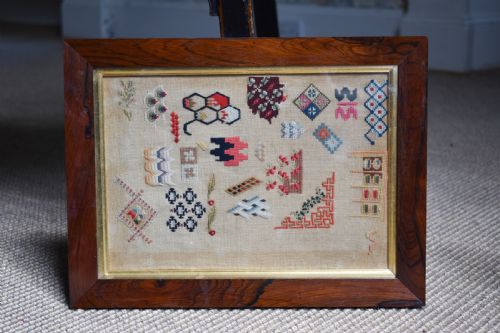
- An early format featuring horizontal rows of disparate patterns and motifs. Makers practiced individual stitches within distinct decorative bands.
- Verdure tapestry
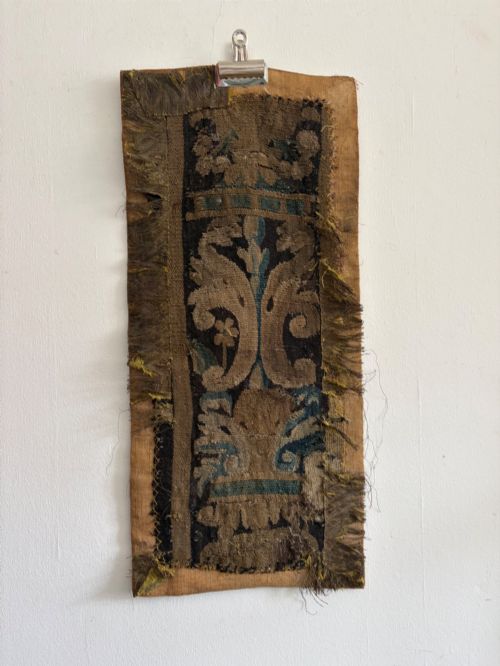
- A woven textile depicting landscapes, foliage, and trees. Fragments of these works are frequently mounted onto linen for display.
Framed Linen Textile: Frequently Asked Questions
What is a framed linen textile?
A framed linen textile is a historic piece of needlework, sampler, or embroidered panel mounted behind glass in a wooden frame for wall display.
These objects preserve historical stitching techniques, schoolgirl exercises, and decorative panels from the seventeenth century onward.
How do I date a sampler?
Many samplers include embroidered dates, makers' names, and ages which provide a direct record of their creation.
Stylistic elements such as lettering styles, alphabet formats, and framing materials also help narrow down the period of production.
Where were these textiles made?
The pieces originate from various regions including England, Scotland, France, Italy, and the Greek islands. Schoolrooms and domestic settings served as the primary locations for their production.
Regional variations appear in the choice of motifs, such as local maps or specific island embroidery traditions.
How should I hang textile art?
Protect framed textiles by hanging them away from direct sunlight to prevent the fading of silk and wool threads. Maintaining stable indoor humidity levels ensures the linen ground remains preserved.
Ensure the protective glass does not touch the surface of the stitching directly.