


17th Century Relief Panel
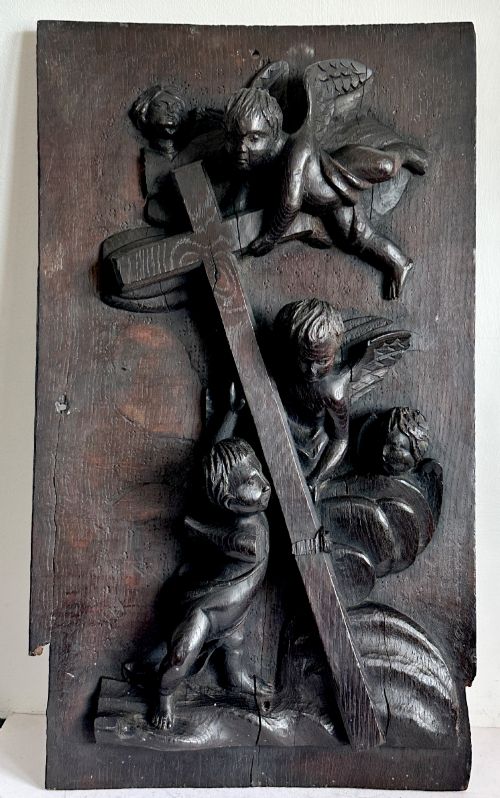
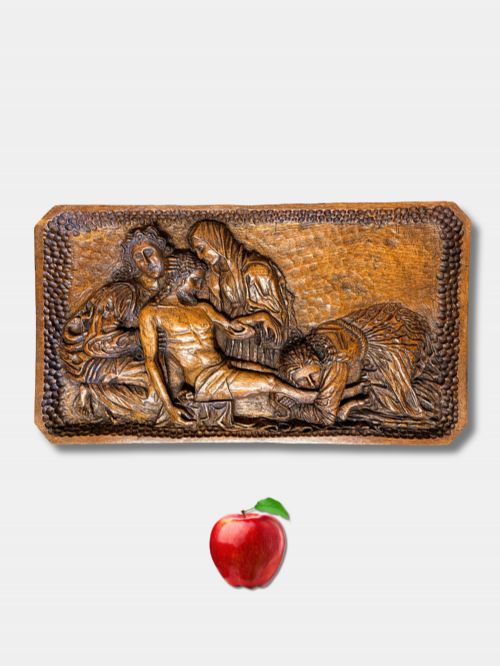
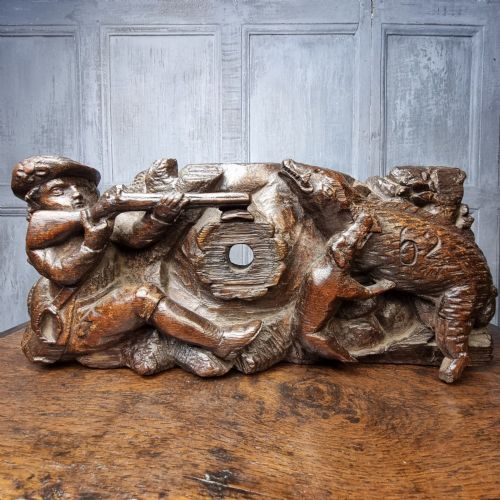
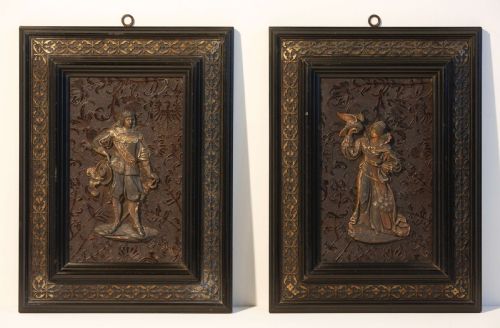
A 17th century relief panel brings heavy timber carving and dramatic figural depth into a room, offering tactile historical character.
17th Century Relief Panel
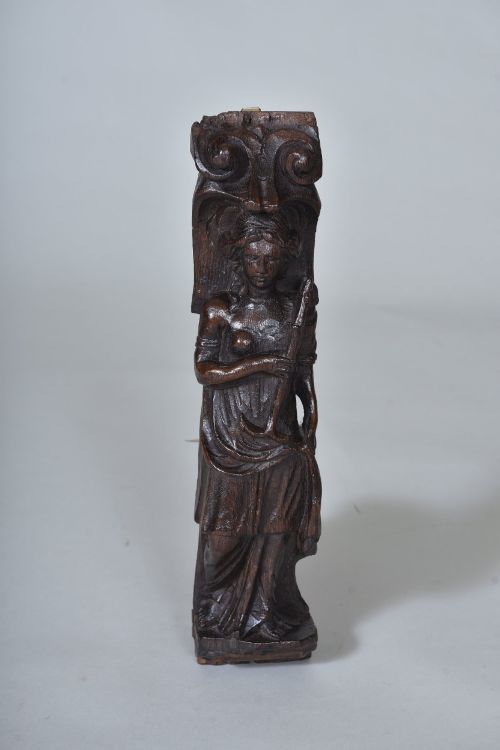
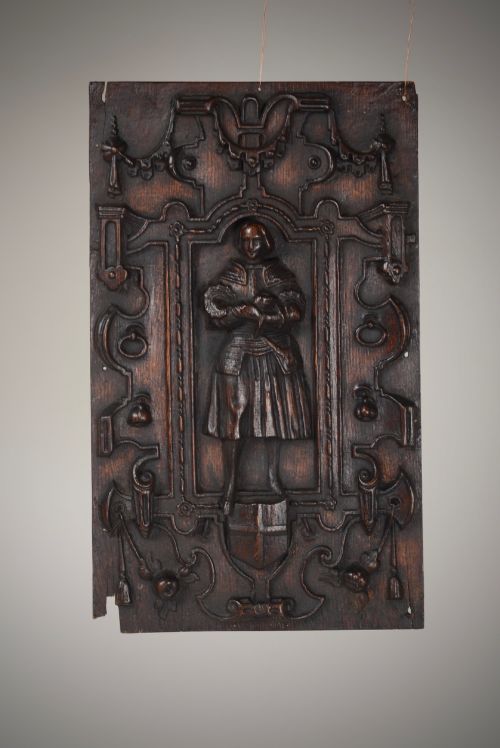
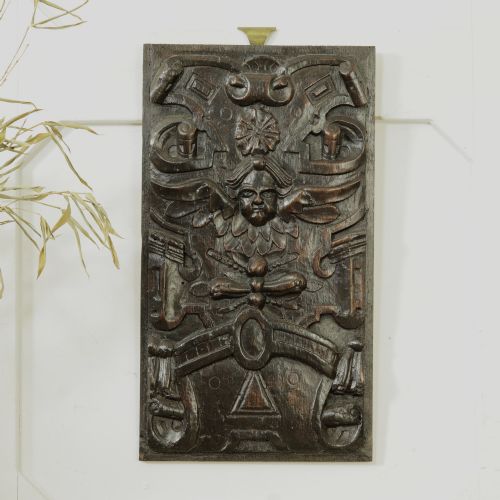
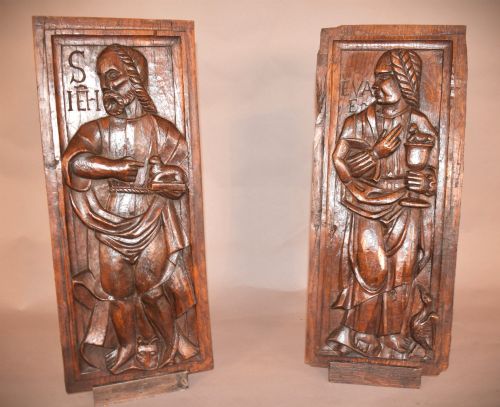
A 17th century relief panel is typically a piece of architectural salvage or a wall plaque featuring carved wood, bronze, or white metal. The most common survivals on this page are carved oak panels originating from the seventeenth century.
Makers shaped these timber and metal works into wall reliefs, friezes, and overdoor panels depicting religious scenes, armorials, and allegories. Stylistic influences span Jacobean, Baroque Revival, and Louis XIII periods.
These items range from modest friezes to monumental carved walnut panels and architectural elements salvaged from desks or staircases. Many pieces display deep relief work centred on figures like Joan of Arc or biblical narratives.
How they were made
Carvers utilised dense timbers such as oak, walnut, chestnut, and ebonised wood, shaping them with chisels to achieve high-relief and pierced openwork. These wooden surfaces frequently display the tool marks of period joiners.
Metalworkers employed bronze and white metal, sometimes combining them with gilding to produce detailed relief plaques. These varied materials allowed artisans to execute both secular armorials and intricate figural compositions.
Listings feature oak, walnut, and chestnut alongside bronze and white metal, spanning Jacobean, Baroque, and Louis XIII styles.
What varies in quality
The depth and clarity of the carving dictate the visual impact, separating flat surface incisions from dynamic high-relief modelling. Acanthus leaves and facial expressions demonstrate the carver's anatomical and spatial control.
The choice of material and the survival of the original timber grain or metal patina influence the character of the piece. Attribution to named workshops or documented hands elevates the significance of certain monumental panels.
Edward Pearce
The 17th Century Relief Panel Glossary
- Relief
- A sculptural technique where figures or designs project from a flat background. High-relief elements stand far out from the plane, creating deep shadows.
- Jacobean
- The style of English architecture and decorative arts prevalent during the early seventeenth century. It often incorporates strapwork and robust geometric mouldings.
- Baroque
- A European style of the seventeenth century characterised by grand movement, drama, and rich detail. Pierced acanthus leaves and intense figural emotion typify this aesthetic.
- Armorial
- A design displaying heraldic bearings or coats of arms. These carvings often commemorate family lineages or civic authority.
- Frieze
- A long, narrow band of sculpture decorating a wall, overdoor, or piece of furniture. They typically run horizontally to frame architectural spaces.
17th Century Relief Panel: Frequently Asked Questions
How were 17th century relief panels used?
Carpenters and joiners integrated these panels into domestic architecture as overdoors, staircase elements, friezes, and wall art. They also decorated substantial furniture such as partner desks.
Over time, many panels were salvaged from demolished buildings and mounted independently as decorative wall plaques.
What woods are typical for these panels?
Oak and walnut appear most frequently in seventeenth-century English and continental European carvings. Chestnut and ebonised wood also feature in regional workshops.
These durable hardwoods allowed carvers to execute deep undercutting and sustained high-relief forms without splitting.
How do I identify a Baroque panel?
Baroque carvings display dramatic movement, complex emotional scenes, and exuberant foliage like pierced acanthus leaves. They prioritize theatrical depth and energetic compositions over rigid symmetry.
These works often draw on Italian or Flemish design vocabulary from the later seventeenth century.
Can these panels be hung on walls?
Most wall reliefs and wood carvings function well as standalone wall art when fitted with appropriate secure fixings. Their substantial weight requires robust wall anchors.
Architectural salvage pieces often retain traces of their original framing or mounting points from their initial installation.