
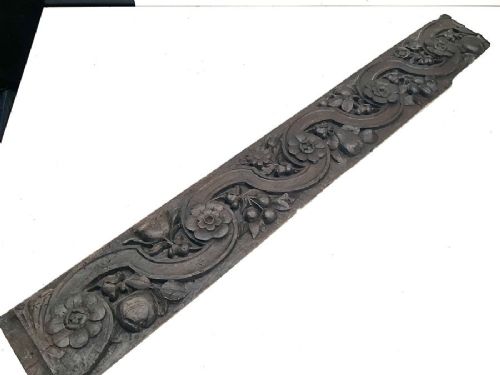
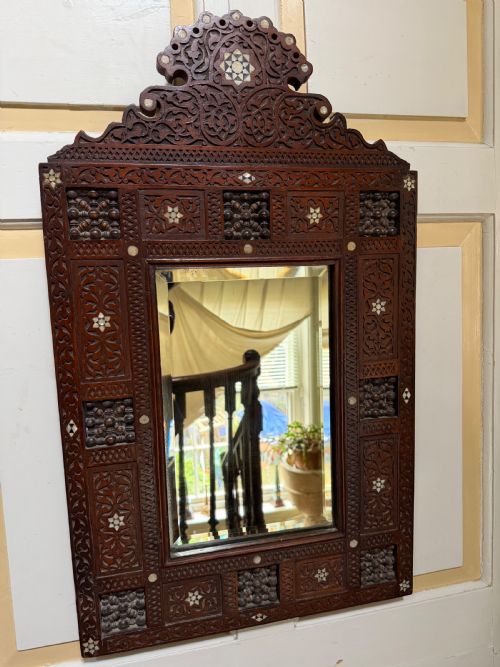


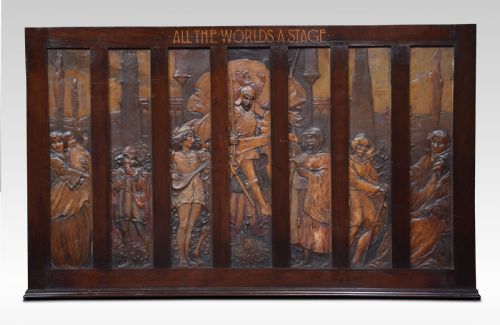


Walnut Carved Wall Panel
These walnut carved wall panel pieces bring heavy architectural depth and rich timber texture to an interior.
Walnut Carved Wall Panel
A walnut carved wall panel brings solid timber presence and deep relief carving into a room, often originating from châteaux, hunting lodges or period houses. When you search for walnut carved wall panel, you encounter everything from architectural salvage and armorial plaques to hunting scenes and figurative reliefs.
The pieces on this page span the seventeenth century up to the early twentieth century, taking forms such as wall relief carvings, overmantel mirrors, architectural salvage and framed plaques. French styles and Black Forest works appear frequently alongside English Tudor and Victorian interpretations.
Many examples function as standalone wall art or architectural elements repurposed from older interiors, displaying deep chisel work and figurative motifs. The selection bridges formal European classical design and rustic animal carvings.
How they were made
Carvers worked directly into solid walnut and oak timber, utilising hand chisels and gouges to build up high-relief scenes of figures, foliage and animals. Grain direction and timber density dictated the depth of the undercut, allowing for intricate animal forms and classical drapery.
Secondary materials such as canvas, wool and glass appear in mixed pieces like needlework pictures, tapestries and mirrors inset within carved wooden frames. Gilt highlights and veneer accents occasionally accent the dark walnut ground to catch ambient light.
The listings span periods from the 17th century through the Victorian era to the early 20th century, utilising walnut, oak, glass and canvas.
What varies in quality
The integrity of the timber ground, preservation of original surfaces and cohesion of the design define the overall standard of each piece. Integrated elements like antique mirror plates or early needlework panels also influence the character of the object.
The Walnut Carved Wall Panel Glossary
- Architectural salvage
- Salvaged building elements removed from historic structures. These pieces retain original function or serve as decorative wall panels.
- Black Forest
- A nineteenth-century carving style originating in Switzerland and Germany. It is known for realistic depictions of animals and naturalistic foliage.
- Overmantel mirror
- A large mirror designed to hang above a fireplace mantel. Many examples incorporate carved wooden frames and architectural pediments.
- Armorial panel
- A carved wooden panel displaying a coat of arms or heraldic insignia. These denote lineage and familial authority.
Walnut Carved Wall Panel: Frequently Asked Questions
How were walnut panels used historically?
These panels functioned as permanent wall linings, overdoor inserts, architectural salvage within grand rooms or framed decorative artworks. They added insulation, status and ornate decoration to domestic and public interiors.
Over time, many panels were removed from their original architectural settings, repurposed into mirrors or mounted independently as wall plaques for display in later homes.
How do I hang a heavy carved panel safely?
Heavy wooden panels require robust wall fixings secured directly into studs or masonry rather than drywall alone. Metal brackets or integrated French cleats support the substantial weight of solid walnut and framing.
Consult a professional installer to assess the wall structure and panel weight before mounting larger architectural salvage or framed mirrors.
How do I tell seventeenth-century panels from nineteenth-century revivals?
Early pieces from the seventeenth century typically display tool marks from hand-forged irons, pegged joinery and dense, oxidised walnut timber. Revival pieces often utilise machine assistance, standardised fixings and cleaner backboards.
Stylistic cues also help differentiate periods, as nineteenth-century French and Black Forest works lean toward theatrical naturalism while earlier examples follow strict classical or Tudor geometry.
How do I care for antique carved walnut?
Maintain stable indoor humidity and keep carved panels away from direct sunlight and heat sources to prevent timber shrinkage and cracking. Dust gently with a soft, dry brush to clear crevices without abrading the surface.
Avoid heavy liquid polishes or silicone sprays, which build up within the carved recesses and attract dust to the grain.