





French Carved Wall Plaque
A french carved wall plaque brings the texture of European architecture straight into a room, offering deep relief work and centuries-old timber.
French Carved Wall Plaque
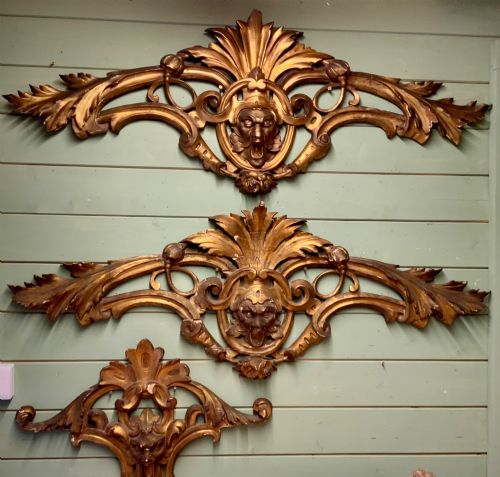
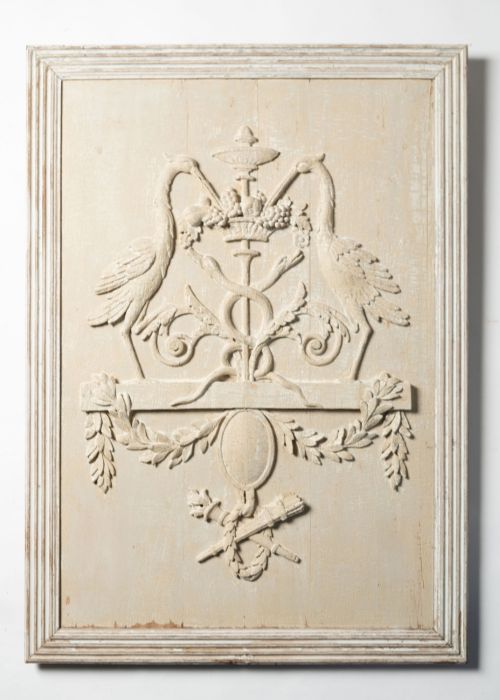
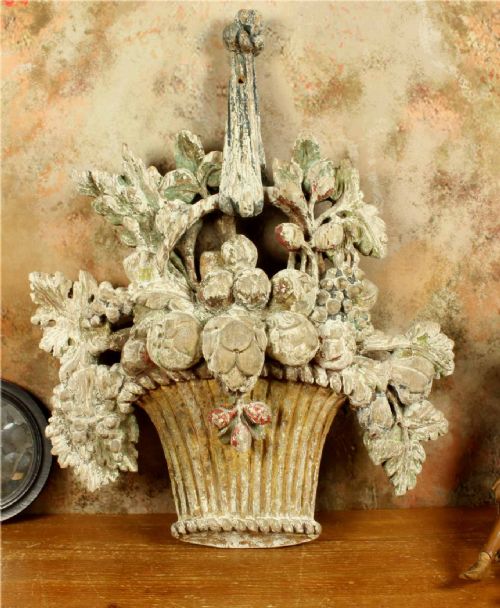
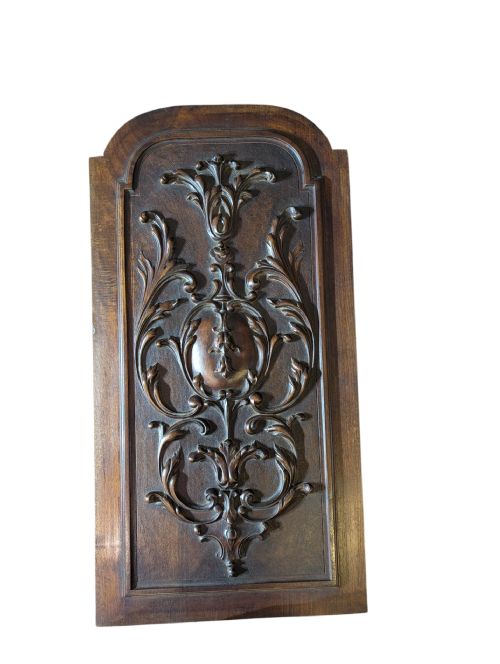
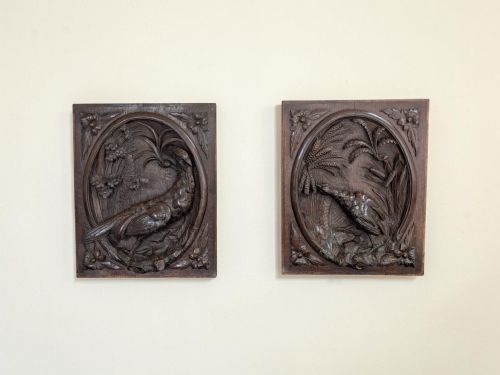
A french carved wall plaque covers architectural salvage, wall reliefs, and decorative panels shaped from timber. These pieces range from monumental walnut panels depicting religious scenes to smaller floral wall reliefs and pairs of carved oak panels.
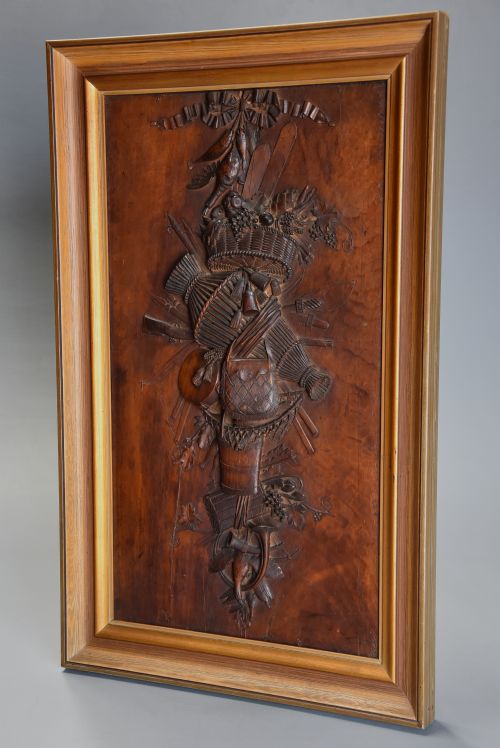
Most examples found here date across the seventeenth, eighteenth, and nineteenth centuries, spanning styles from Louis XIII and French Baroque to Rococo Revival and Neoclassical. Buyers encounter everything from over-door panels and fruitwood trophy carvings to polychrome painted wooden panels.
The forms function primarily as wall art and wall sculptures, designed to anchor a scheme with rich grain, deep undercuts, and figurative or botanical motifs.
Materials and Construction
Carvers worked predominantly in timber, utilising oak, walnut, fruitwood, and general hardwoods. Artisans shaped these woods using chisels and gouges to achieve high-relief three-dimensional forms.
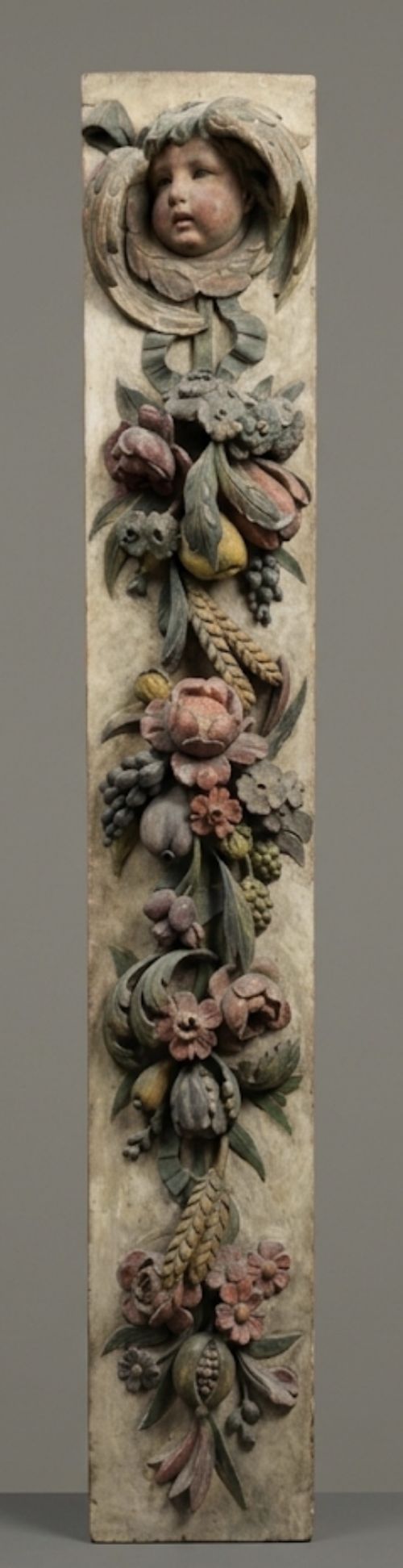
Some panels feature applied paint, polychrome surfaces, or gesso preparation layers over the wood, adding colour and tonal depth. Frames occasionally house painted porcelain plaques within the carved wooden borders.
Joinery methods reflect the architectural origins of the pieces, often employing heavy plank construction secured by pegging or tongue-and-groove assembly.
Keep an eye out for carved wooden horses and ram's heads staring quietly from the architectural woodwork.
Judging Quality and Depth
Quality rests entirely in the crispness and depth of the chisel work, where superior panels show undercut leaves and expressive faces rather than shallow, mechanical scraping. The choice of timber also dictates distinction, with dense, figured walnut or fine-grained fruitwood holding sharper detail than softer woods.
Provenance and scale elevate certain works, particularly monumental seventeenth-century narrative panels or exhibition-quality trophy carvings. Surviving original polychrome paint or untouched surface patination further separates museum-grade examples from heavily restored pieces.
The French Carved Wall Plaque Glossary
- Relief
- Sculpture where the figures project from a background plane. High relief projects significantly, creating strong shadows.
- Polychrome
- The practice of decorating architectural elements or wood carvings in multiple colours. This surface treatment appears on selected period panels.
- Trophy carving
- An ornamental arrangement of symbolic objects, such as game, musical instruments, or agricultural bounty. Fruitwood examples demonstrate exceptional fine detail.
- Gesso
- A plaster-like mixture applied to wood surfaces to prepare them for painting or gilding. It provides a smooth ground for decorative finishing.
- Architectural salvage
- Elements rescued from buildings scheduled for demolition or alteration. Many decorative panels originate from interior wall schemes.
French Carved Wall Plaque: Frequently Asked Questions
How were these wall plaques originally used?
These pieces functioned as integral parts of domestic and ecclesiastical interiors, often set directly into wood-panelled walls, chimneypieces, or placed above doorways as over-doors.
Craftsmen designed them to display status and artistic patronage, framing narrative scenes, heraldic symbols, or botanical arrangements within grand rooms.
How do I hang a heavy wooden panel safely?
Due to the substantial weight of solid oak and walnut panels, secure wall mounting requires fixing directly into masonry or locating timber studs behind plasterboard.
Professional framing brackets or hidden French cleats distributed along the back frame provide the necessary support for heavier architectural fragments.
How do I tell seventeenth-century panels from nineteenth-century revivals?
Seventeenth-century work typically displays the tool marks of hand-forged irons, denser timber shrinkage, and deeper, heavier relief associated with Louis XIII styles.
Nineteenth-century revival pieces often mimic these earlier epochs during periods of historicism, yet exhibit different patination and mechanical precision in the background ground-out work.
How should I clean a historic carved wooden panel?
Maintenance requires only a soft-bristled brush or dry microfiber cloth to gently remove dust from deep recesses and undercuts without disturbing the wax finish.
Water, modern detergents, and liquid furniture polishes must be avoided entirely, as moisture damages dry historic timber and compromises old paint or gesso layers.