







17th Century Needlework
These pieces of 17th century needlework bring tangible domestic artistry into a room, offering historians and collectors intimate fragments of seventeenth-century textile history.

What 17th century needlework is
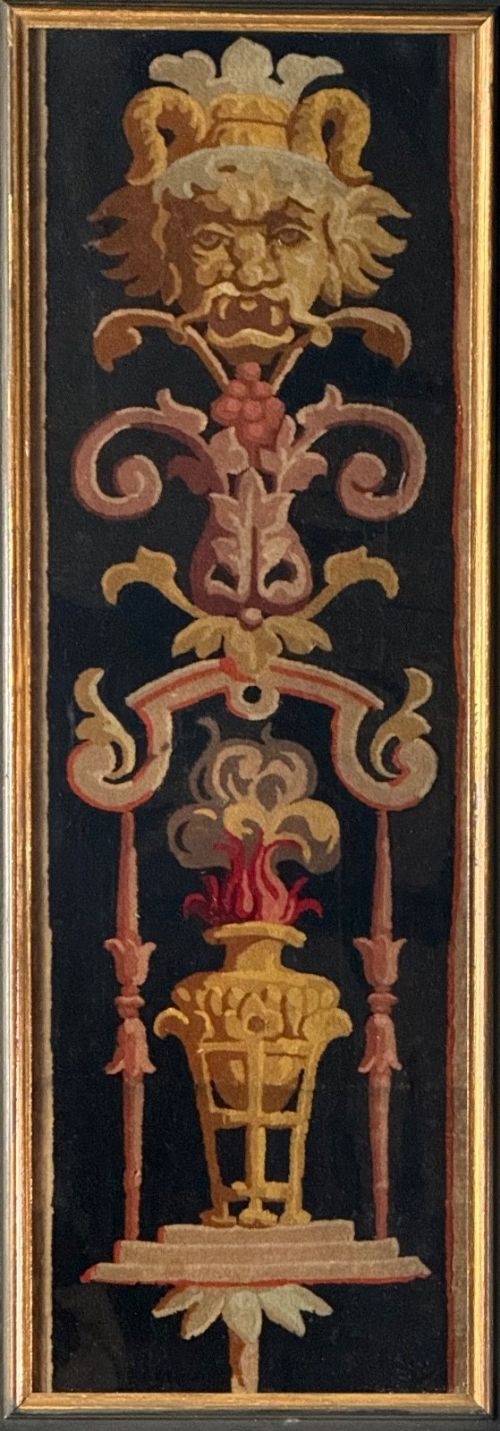
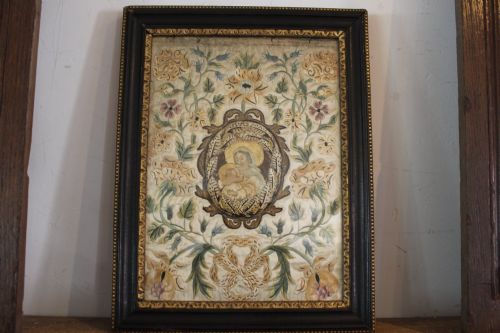
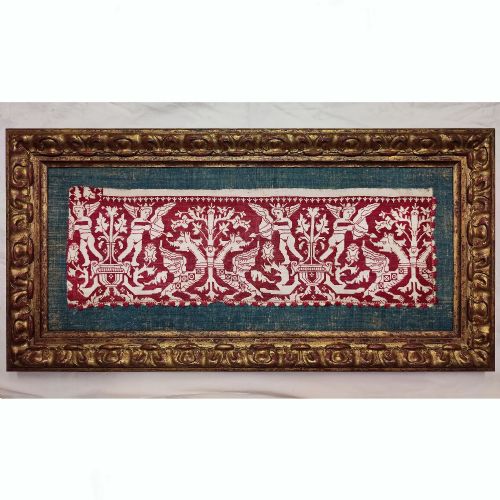
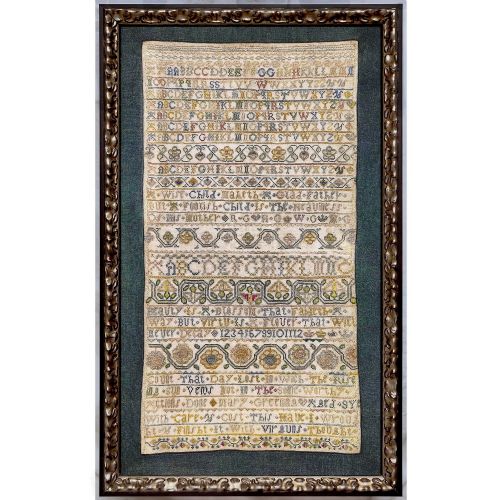
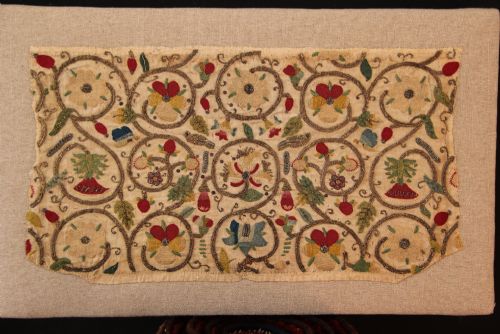
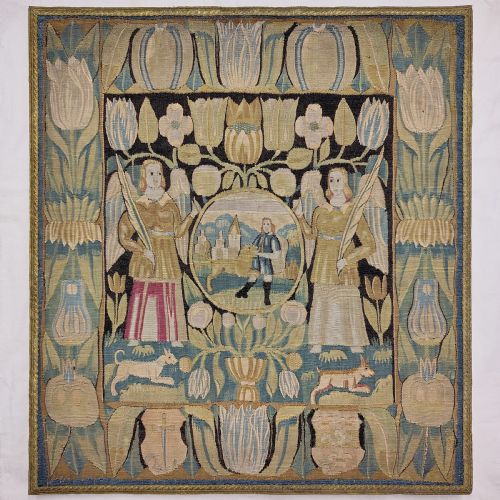
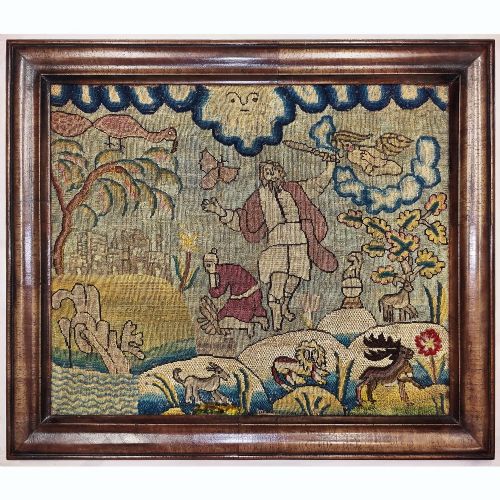
When you search for 17th century needlework, you are looking at historic textile art, framed embroidery pieces, and framed textile art that survive from the seventeenth century and occasionally the eighteenth century. These works take the form of needlework pictures, framed beadwork fragments depicting scenes like royal hunts, tapestry cushion covers, and silk embroidery panels. Stuart stumpwork panels featuring figures such as King Charles I and Queen Henrietta Maria frequently appear among these historic survivals.
The styles associated with these works encompass Stuart, Jacobean, and seventeenth-century Baroque traditions. Most examples survive within protective frames or as mounted panels, preserving delicate hand-stitched details that reflect the domestic and courtly crafts of the period. Collectors encounter both English needlework panels and specialised decorative fragments bearing the distinct aesthetic of the seventeenth century.
How they were made
Makers constructed these textiles using linen as a primary foundation fabric, upon which they worked intricate designs with silk, wool, and metallic thread. Skilled hands incorporated glass beads to add texture and dimension to figurative and landscape scenes, particularly in stumpwork and beadwork fragments. Many of these surviving panels now reside within period wooden frames, including gilt wood structures that complement the textile art within.
The technical execution combines flat embroidery stitches with raised stumpwork padding, metallic thread couching, and bead embroidery. Artisans utilised diverse threads and materials to build up elaborate pictorial narratives, ranging from royal portraits to allegorical and hunting motifs. These varied techniques ensured the survival of complex visual textures across centuries.
Retail Price Guide 2026
Typical UK retail prices for 17th century needlework, calculated from the Sellingantiques database of over a million retail prices indexed since 2003. This retail price guide relies exclusively on Sellingantiques data; no external sources or auction records are used, so the figures do not describe the wider market.
King Charles I and Queen Henrietta Maria frequently stare out from centuries-old stumpwork panels with surprisingly rosy stitched cheeks.
What varies in quality
The distinction between standard and superior pieces rests upon the complexity of the needlework technique and the preservation of the materials. Works incorporating raised stumpwork, metallic thread, and glass beads demand exceptional dexterity, and those with intact thread colour and minimal fibre loss command greater appreciation. The sophistication of the figurative drawing, particularly in royal or narrative panels, elevates the artistic merit of the embroidery.
Framing and structural preservation also determine the calibre of a piece. Panels retained within original or period-appropriate wood and gilt wood frames maintain their contextual integrity better than those subjected to improper remounting. The stability of the underlying linen and the tightness of the stitch work separate master artisan output from simpler domestic exercises.
The 17th Century Needlework Glossary
- Stumpwork
- A raised embroidery style popular in the seventeenth century, using padded foundations to create three-dimensional figures and motifs on textile panels.
- Couching
- A technique where metallic or silk threads are laid across the fabric surface and anchored down with small, neat stitches using a separate thread.
- Tapestry cushion cover
- A woven furnishing textile designed to fit a cushion, often featuring pictorial or floral designs typical of seventeenth-century domestic interiors.
- Beadwork fragment
- A surviving portion of decorative needlework created primarily with small glass beads stitched onto a linen or canvas ground.
- Jacobean
- A design style associated with the early seventeenth century, characterised by stylised floral and fauna motifs executed in rich wool and silk threads.
Frequently Asked Questions
How were these textiles used?
Original owners displayed these needlework pictures and embroidered panels within domestic interiors, often mounted on walls as framed art. Tapestry cushion covers served functional roles on seating furniture.
Over time, many surviving panels found permanent protection inside wooden and gilt wood frames to preserve the fragile silk and metallic threads from degradation.
How do I care for needlework?
Protect these textiles by avoiding direct sunlight, which fades silk threads and wool fibres. Maintain stable indoor humidity to prevent the degradation of fragile linen grounds and wooden frames.
Keep framed textile art behind protective glass where possible, and consult textile conservators before attempting any cleaning or structural intervention.
How can I tell periods apart?
Distinguishing between seventeenth-century work and later pieces relies on examining material degradation, stitch density, and stylistic conventions such as Stuart stumpwork. Seventeenth-century examples often employ specific metallic thread types and hand-spun silks found on early linen foundations.
Stylistic shifts from Jacobean floral patterns to Baroque compositions provide further chronological markers when compared against documented textile archives.