


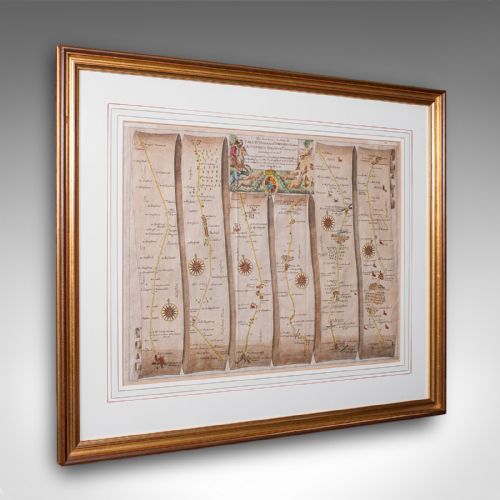


17th Century Engraved Print
These 17th century engraved print examples offer a tangible link to historical portraiture, cartography, and classical antiquity.
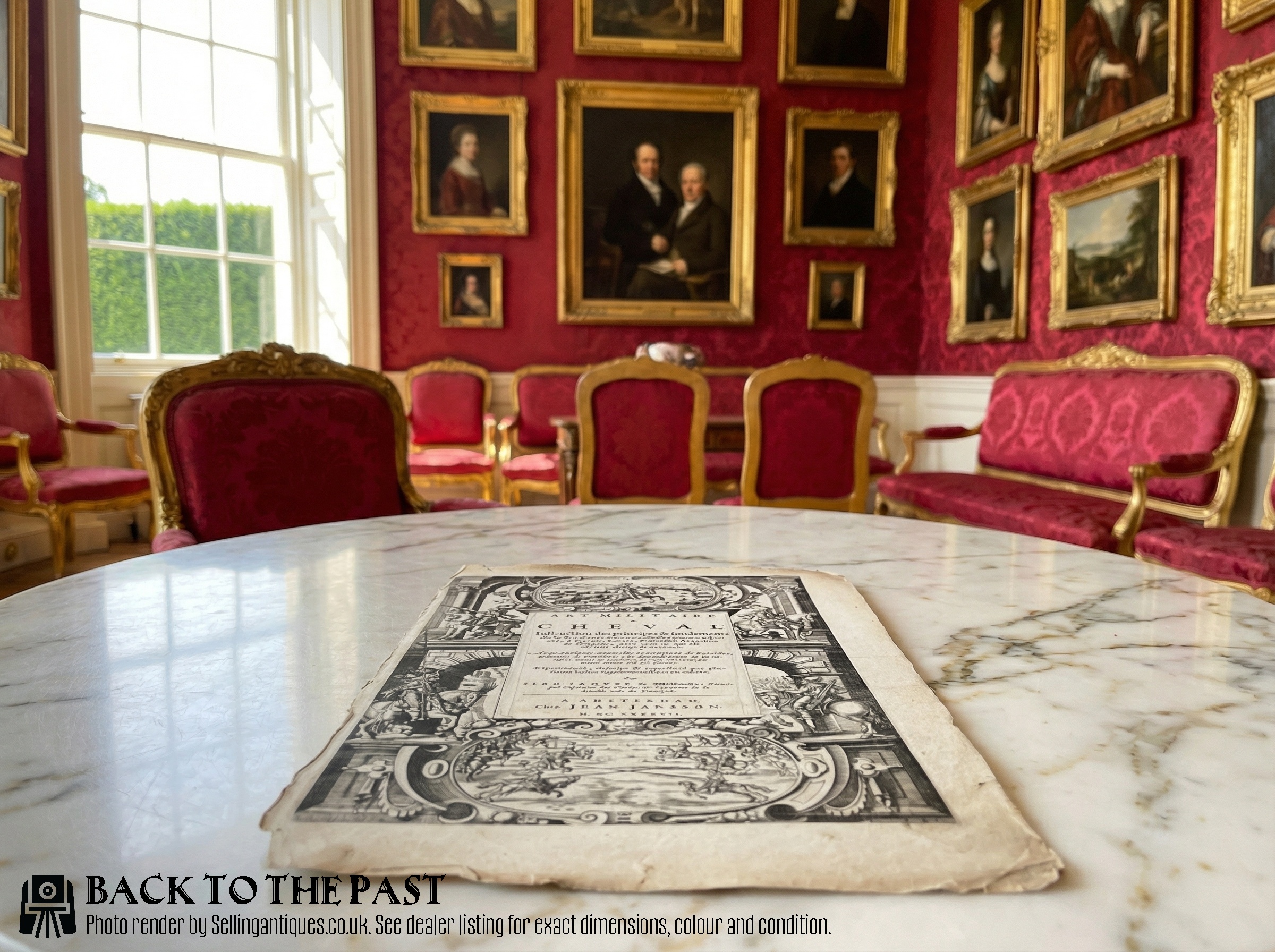
17th Century Engraved Print
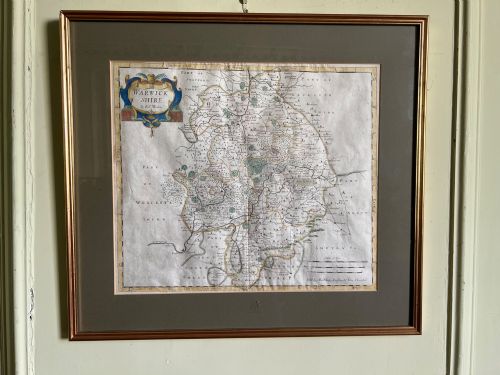
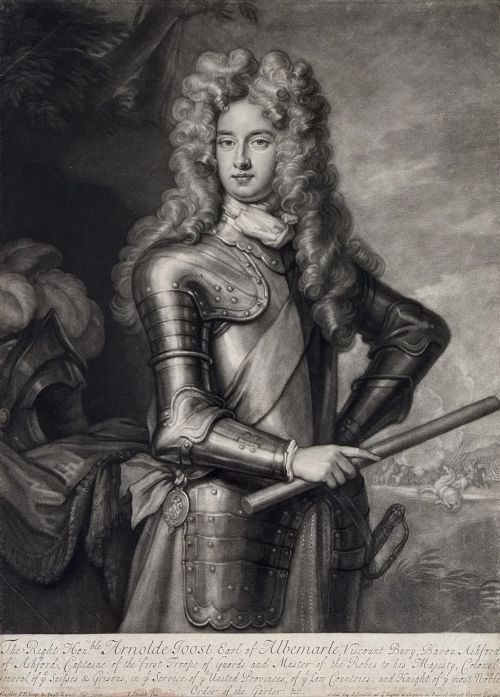
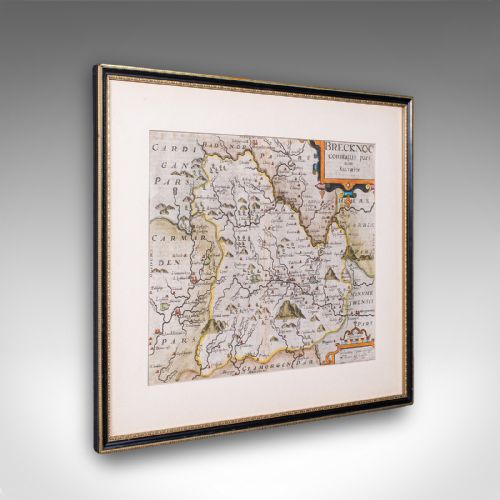
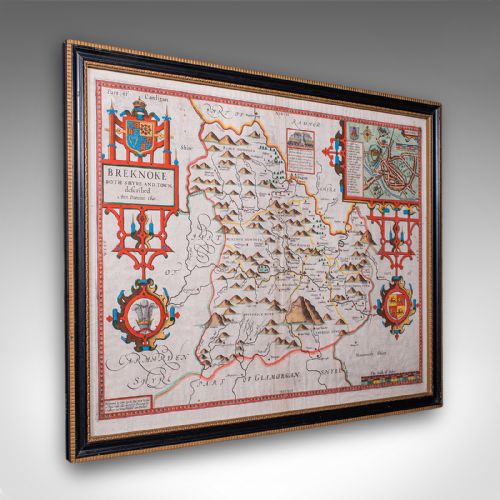
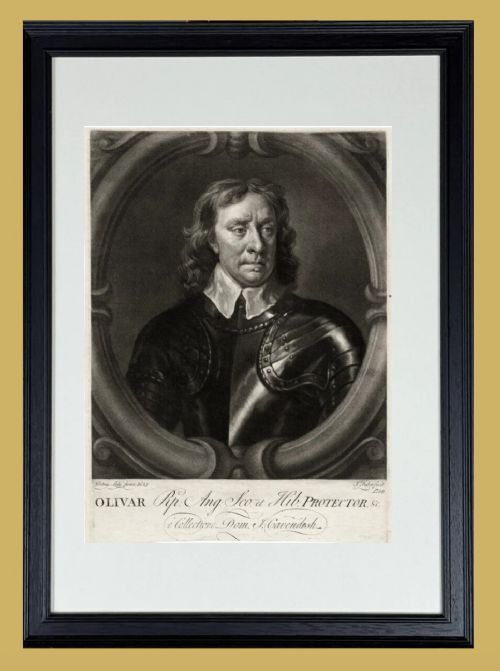
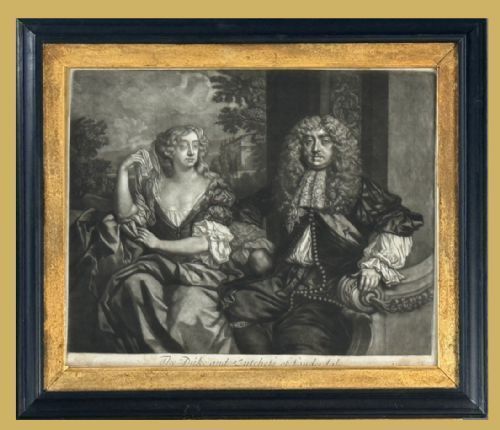
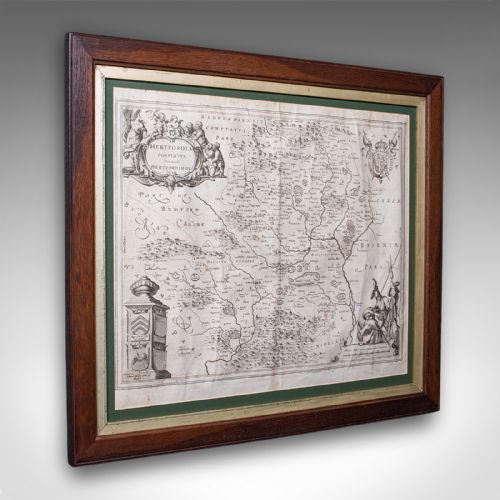
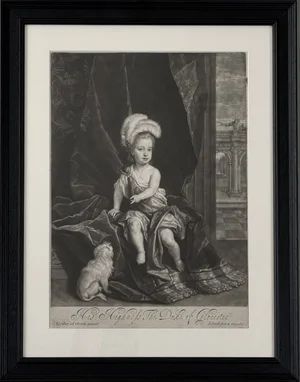
A 17th century engraved print encompasses framed maps, county cartography, and mezzotint portraits reflecting periods such as the Dutch Golden Age, Jacobean, and Carolean eras. Buyers frequently encounter framed atlas engravings and wall art originating from British and Dutch workshops.
Materials and construction
Makers utilised paper as the primary medium for impressions, applying ink alongside hand-applied watercolour in specific examples. Gold leaf occasionally appears to highlight decorative elements within the framing.
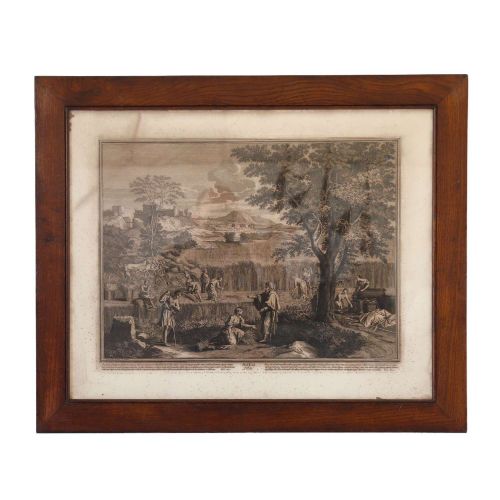
Framing materials incorporate traditional timber, specifically oak and gilt wood, protecting the delicate paper surfaces beneath glass. The physical construction combines copperplate or woodblock printing processes with period framing techniques.
17th Century Engraved Print Retail Price Guide 2026
Typical asking prices for 17th century engraved print among the pieces listed under this phrase on Sellingantiques today, from the lower quarter to the upper quarter. They describe what is for sale here now, not the wider market.
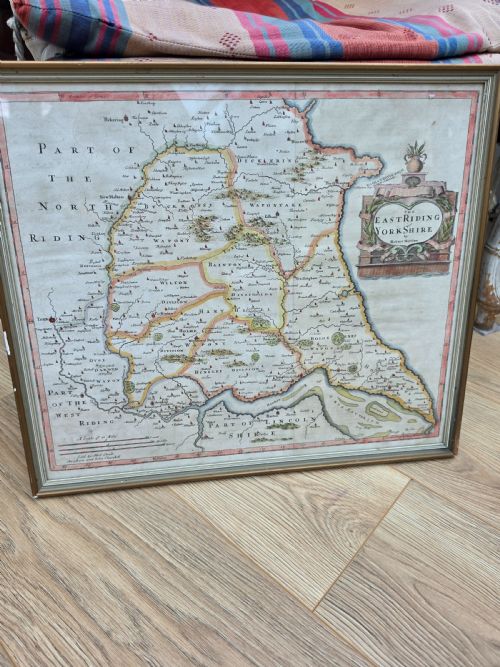
Several county maps preserve centuries-old boundary lines alongside charmingly ornate cartouches depicting local trade and flora.
Factors determining quality
Quality separates through the clarity of the ink impression upon the paper and the preservation of fine lines within the engraving or etching. Early printings from copperplates retain sharper detail than later strikes.
The integrity of the original paper, the precision of contemporary hand-colouring where applicable, and the authenticity of the period frame contribute significantly to the standing of an individual piece.
John Smith·Joseph Sympson·Robert Williams·François Perrier·John Speed·Johannes Janssonius·Robert Morden·Jan Blaeu·Christopher Saxton
The 17th Century Engraved Print Glossary
- Mezzotint
- A printmaking process of the tonal method, enabling the creation of subtle graduations of light and shade. This technique proved particularly popular for dramatic portraiture.
- Cartography
- The study and practice of making maps, heavily represented here by county and regional maps from European publishers. These works often include detailed decorative cartouches and borders.
- Etching
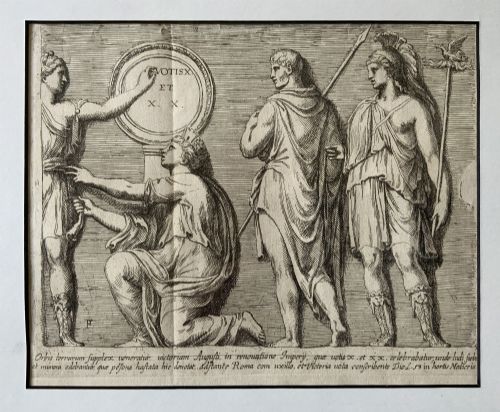
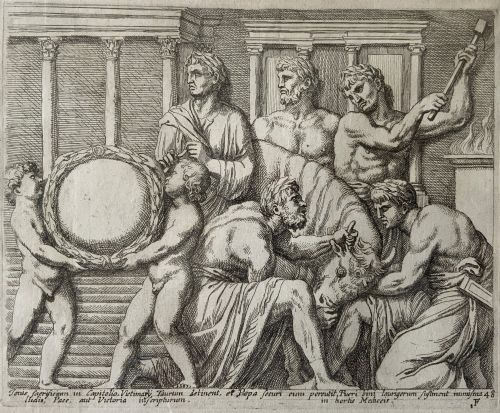
- A method where lines are incised into a metal plate with acid before receiving ink for the printing press. Artists utilised this process to render fine illustrative detail.
- Gilt wood
- Wood that has been treated with a thin layer of gold leaf or gold paint. Frames utilising this finish accent the artwork enclosed within.
17th Century Engraved Print: Frequently Asked Questions
What subjects do these prints cover?
The selections span detailed county maps, classical antiquity scenes, and mezzotint portraits of notable historical figures.
Cartography forms a substantial portion, alongside artistic interpretations of mythological and historical subjects.
How should I display them at home?
These framed pieces suit wall art placement in studies, hallways, or living rooms alongside traditional decor.
Keep them away from direct sunlight to protect the aged paper, ink, and watercolour elements from fading.
How are the dates verified?
Dates derive from publishing records, cartographic evidence, and the active periods of the engravers and publishers involved.
Many bear publication years within the plate or accompanying atlas documentation.