


17th Century English Portrait
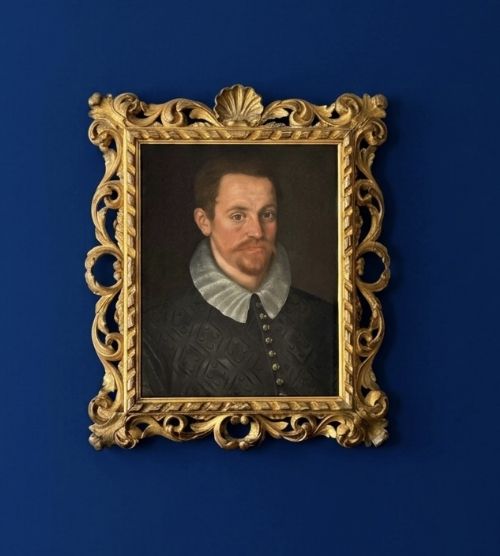
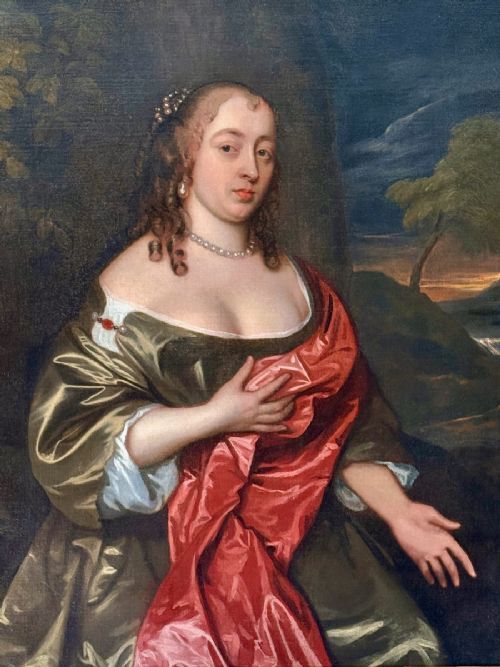
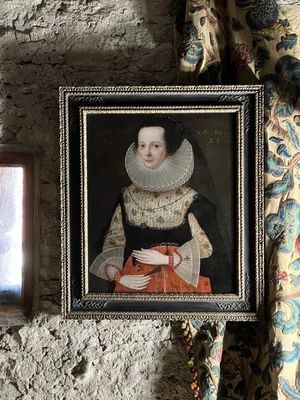
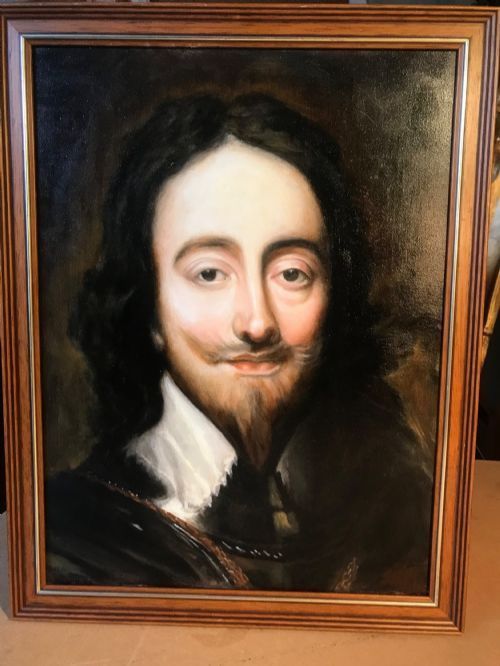
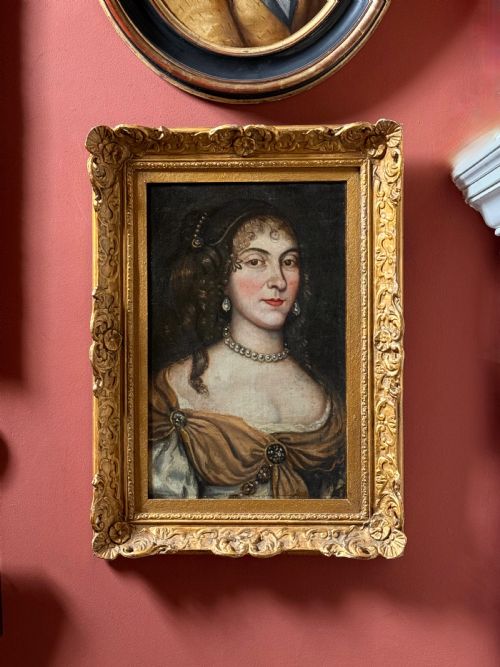
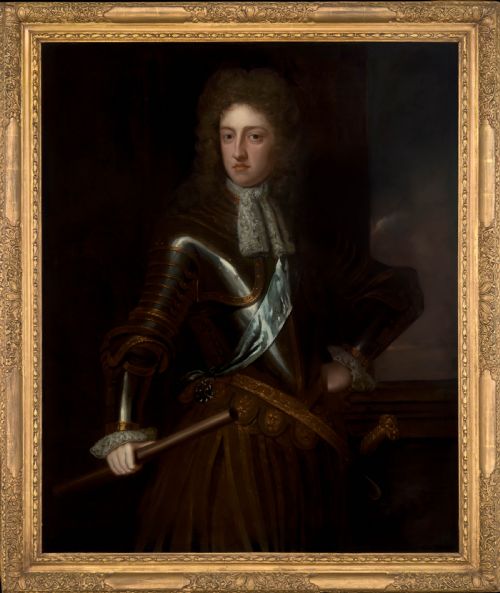
These canvases capture the aristocratic bearing and quiet dignity of the 17th century English portrait, offering buyers a direct window into the Stuart era.
17th Century English Portrait
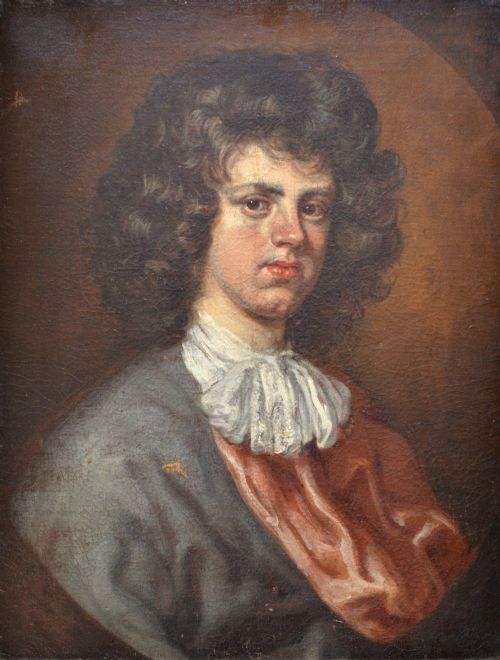
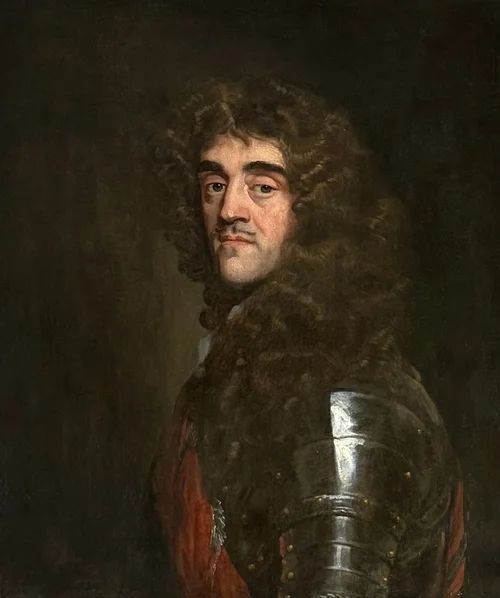
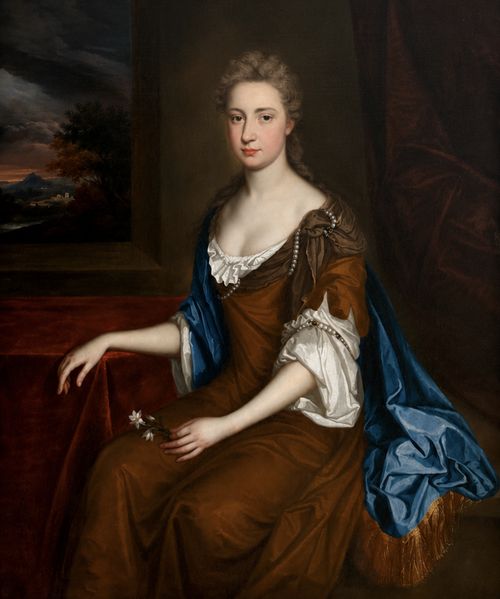
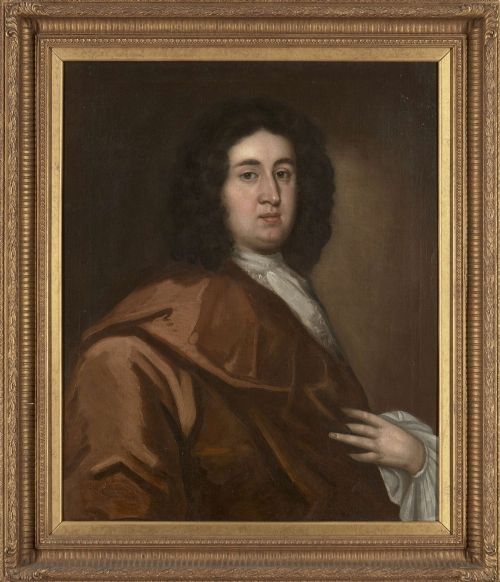
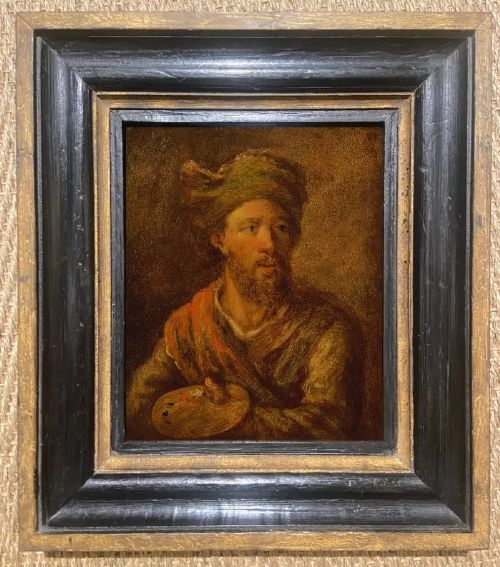
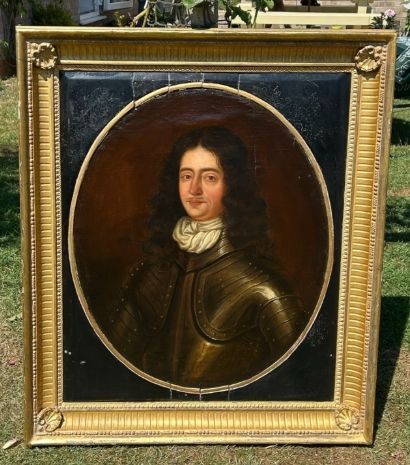
A 17th century English portrait records the likeness of nobility, gentry, officers, and clergy through oil paint on canvas or panel. These works range from intimate bust-length portrayals to large-scale representations featuring elaborate costumes, armour, and domestic or landscape backgrounds.
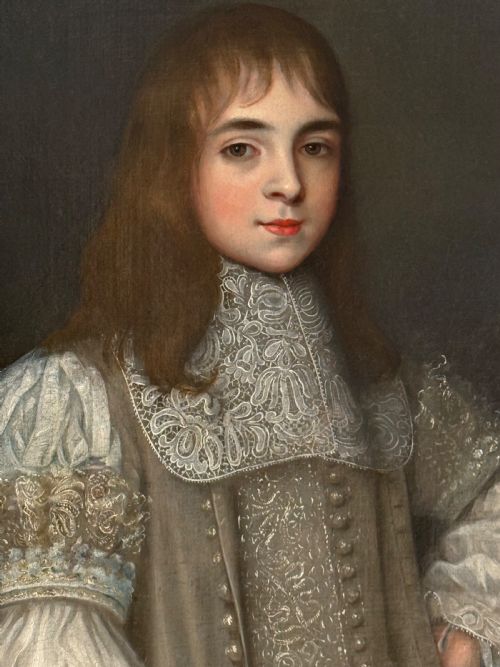
Most examples encountered here originate from the Stuart and Baroque periods, produced either by named masters or workshop circles. Subjects include noblewomen in silk gowns, gentlemen in dark embroidered doublets, and children posed with pets or garden terraces.
The inventory encompasses both direct works by established British and continental painters active in London and productions by the anonymous hands of the period English School. Buyers select these paintings to acquire historical presence and centuries of documented provenance.
What Varies in Quality
The distinction between a top-tier canvas and a standard studio piece rests on the handling of facial expression, fabric texture, and anatomical proportion. Master painters captured light across silk drapery and skin with fluid confidence, whereas lesser studio iterations remain stiff or formulaic.
Condition and the original state of preservation heavily influence the standing of an artwork. Unlined canvases with minimal overpaint and untouched period giltwood frames command greater regard than heavily restored surfaces.
Subjects documented on this page include noblewomen, military officers, Puritan ministers, and children with pets.
Sir Godfrey Kneller·John Michael Wright·Sir Peter Lely·Mary Beale·John Greenhill·Cornelius Johnson
The 17th Century English Portrait Glossary
- Doublet
- A close-fitting men's jacket worn during the Jacobean and Stuart eras. This garment frequently displays elaborate embroidery and padding.
- Studio
- An artist's workplace where assistants and pupils helped produce paintings under the master's supervision. Works from these spaces often replicate successful compositions.
- Giltwood
- Wood carved and covered with a thin layer of gold leaf. This material defines the ornate frames associated with Baroque portraiture.
- Panel
- A flat wooden board used as a painting support before canvas became dominant. These surfaces typically date to the earlier decades of the century.
- Cavalier
- A supporter of King Charles I during the English Civil War, identifiable in art by long hair, lace collars, and military attire.
17th Century English Portrait: Frequently Asked Questions
How do I identify a Stuart period painting?
Study the sitter's costume, hair styling, and the internal evidence of technique. Doublets, ruffs, and lace collars provide reliable chronological markers for the earlier decades.
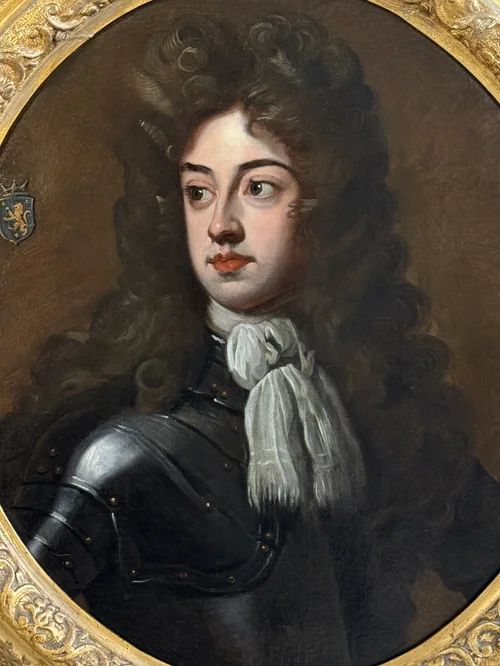
Armour, wigs, and rich silk drapery indicate the later Baroque portion of the era. Comparing the canvas handling to documented works by court painters helps confirm the period.
Where should I hang an oil portrait?
Select a wall away from direct sunlight and strong heat sources to protect the aged canvas and oil pigments. Stable indoor humidity prevents the wood panels and canvas from warping.
Position the painting at eye level in a principal room where the lighting enhances the dark tones and gilt frame. Traditional portraits suit both period interiors and contemporary spaces seeking historical contrast.
What is an English School attribution?
This label designates works produced by anonymous artists working within Britain during a specific era. These painters followed prevailing stylistic trends set by leading court figures without signing their output.
Many high-quality portraits emerged from these domestic workshops. They offer a direct record of provincial and national gentry.
Why do some portraits feature coats of arms?
Heraldic symbols and painted inscriptions identify the lineage, title, or specific identity of the sitter. These additions established the social status and political allegiances of the family.
Inscriptions often record the age of the subject and the date of execution. Such details assist historians in tracing the provenance of the artwork.