

Antique Fob Watches
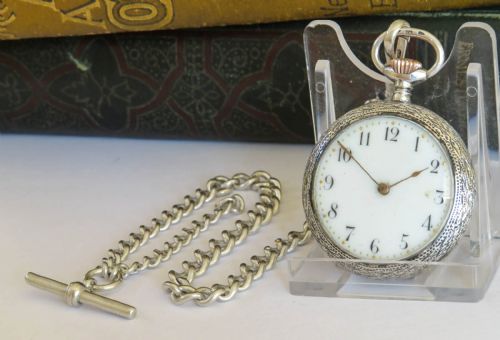
A small watch carried on a chain or albert at the waist rather than worn on the wrist, from plain silver pocket watches up to gold cases signed in Geneva.
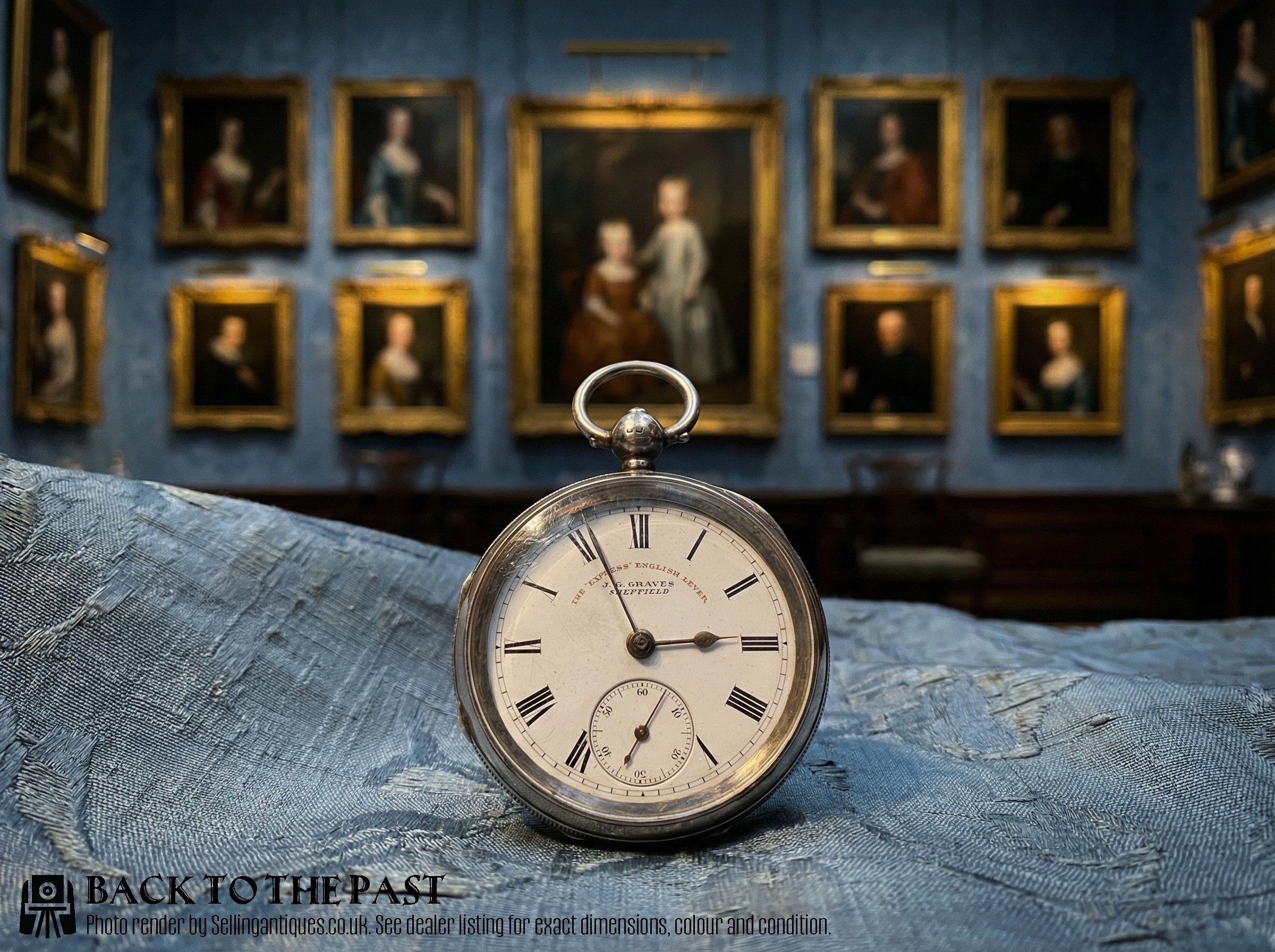
Antique Fob Watches
The heading covers two related things. One is the small pendant watch, often a lady's, hung from a short chain or bow at the waist. The other is the ornament on the end of a gentleman's chain. Titles on Sellingantiques use the word in both senses, and 102 of 141 of them say "pocket".
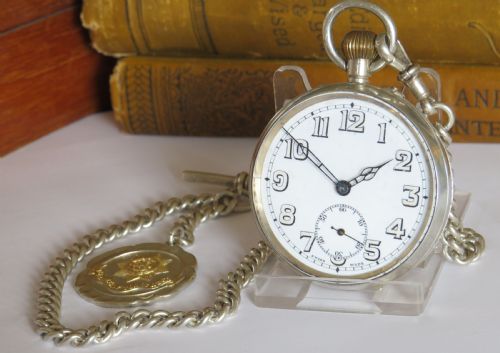
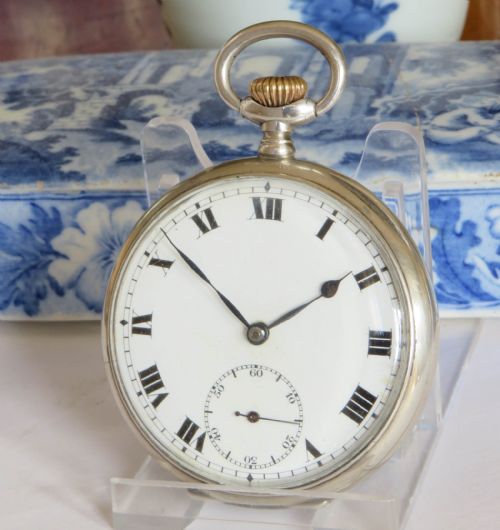
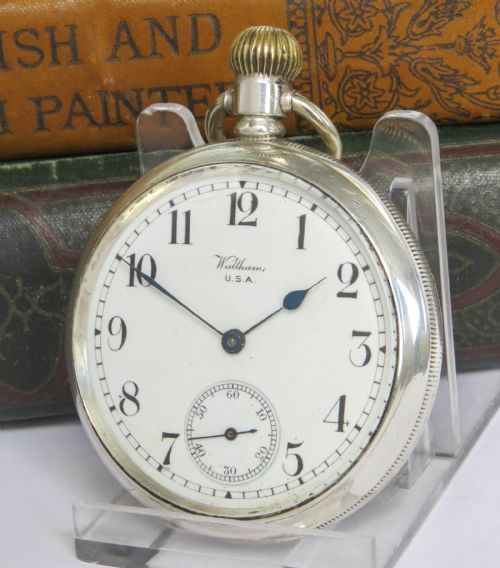
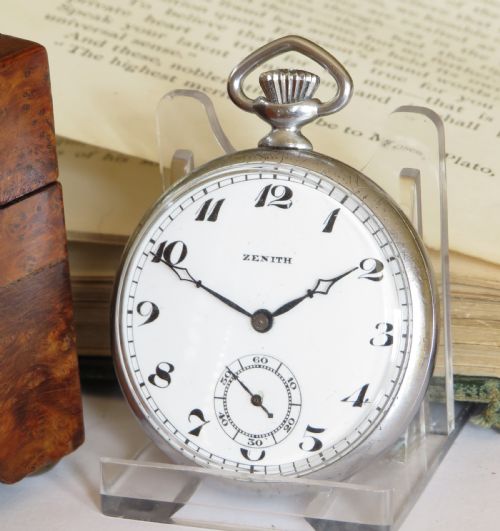
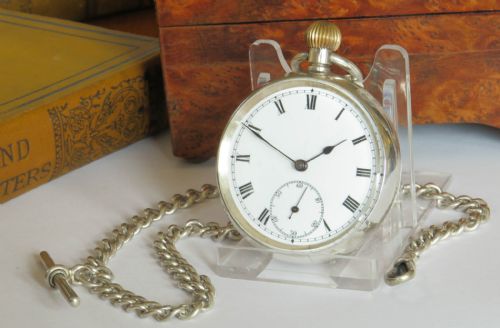
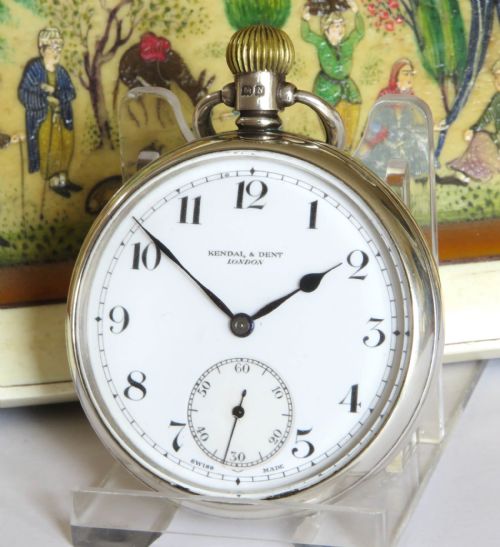
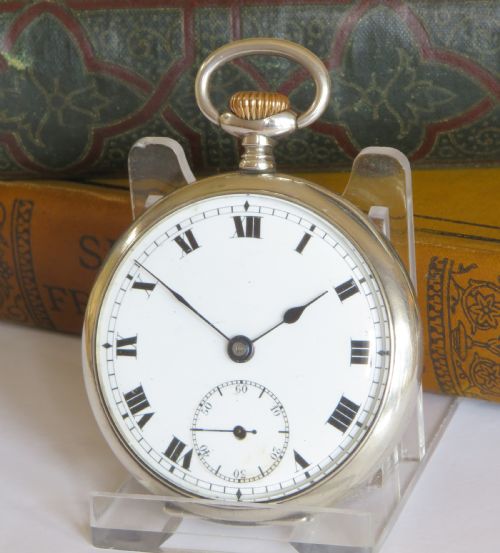
What you're most likely to meet is an early-20th-century silver or plated pocket watch, open faced or hunter cased, and roughly a quarter of listings sell the watch with its chain. Silver runs through 46 titles, gold through 24, and that gold group stretches from gold-filled and gold-plated cases up to 14ct, 18ct and 18k.
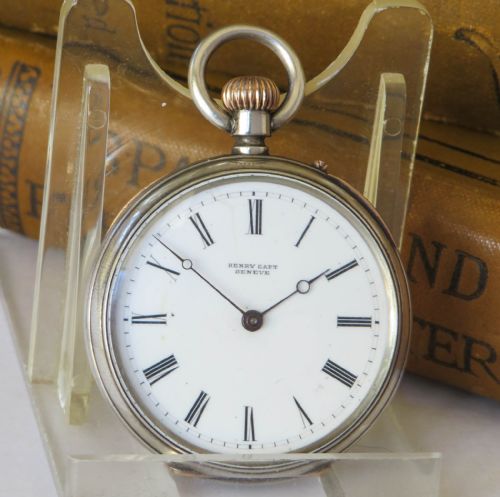
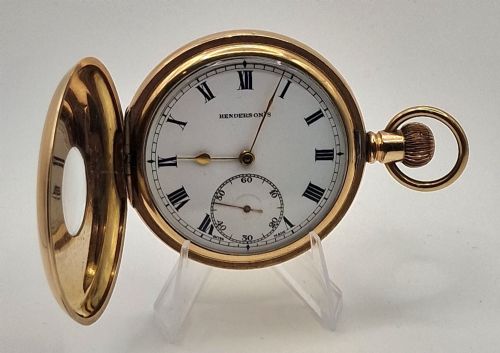
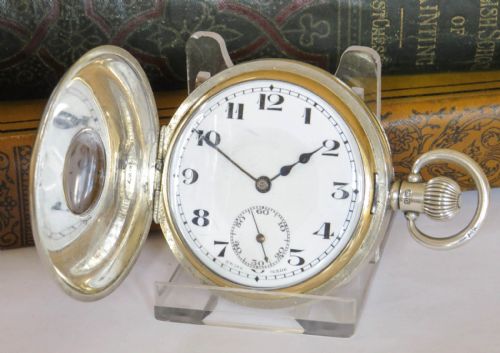
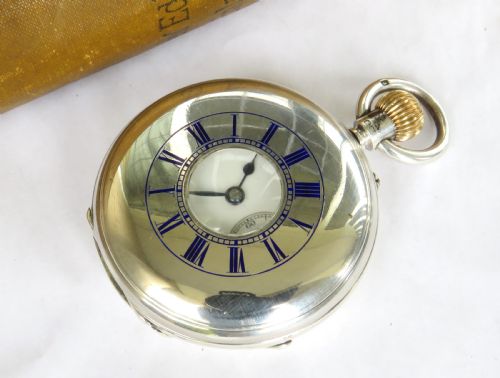
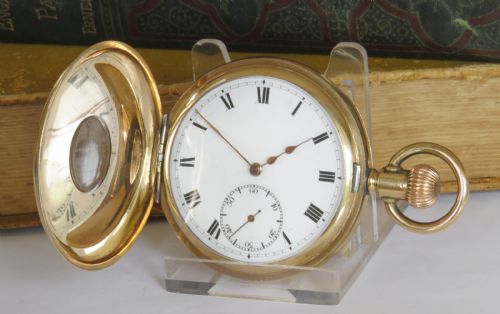
Hunter and half-hunter cases make up about a fifth of the category, split fairly evenly between the two. Smaller groups sit either side: ladies' fob watches on an albertina at one end, and gold-cased work, some of it Geneva-signed, at the other. Swiss origin is named in a dozen titles.
Dates run 1880 to 1950, with 114 listings carrying a clean year and the weight sitting in the 1900s to 1930s. Nineteen entries are given only as "19th Century" or "Victorian", dealer shorthand rather than a decade, and those cluster at the expensive end. Wristwatches displaced the pocket format from about the First World War, which is why the tail after 1940 is so thin.
Where The Range Sits
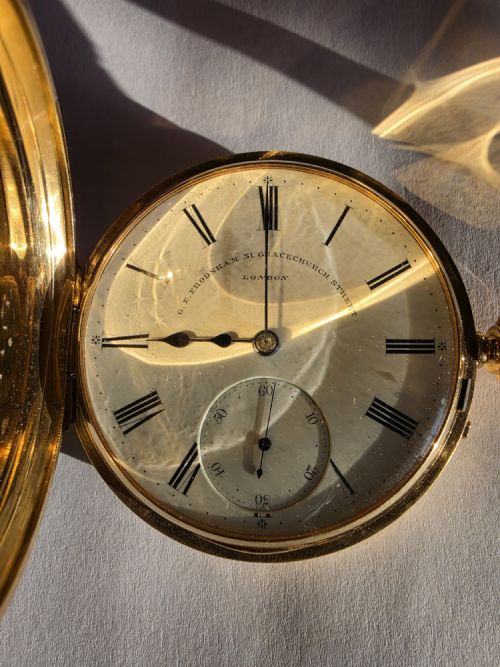
Case metal does most of the work. The bottom of the range is silver and gold-filled ladies' fob watches of the 1890s to 1910s; the top is 18k gold, Geneva-signed, from the 1880s, with a 375 example and a diamond bezel among the highest-priced titles. Solid carat gold and plated gold read very differently, whatever the surface looks like.
Complications lift a watch clear of the median. A five-minute repeater, a minute repeater chronograph, an 8-day patent movement, a duplex escapement and a perpetual each surface once in the whole category, and each sits at or near the top. Everything else is a lever escapement, quoted with 8, 15 or 17 jewels.
Then decoration and completeness. Engine turning, engraving front and back, floral work and enamel push a case upward, and a watch sold with its albert and a novelty fob does better than the bare watch. Football, cricket, compass, Masonic, locomotive and regional fobs all turn up, and they recur through the upper half of the range.
Antique Fob Watches Retail Price Guide 2026
Typical UK retail prices for fob watches, calculated from the Sellingantiques database of over a million retail prices indexed since 2003. This retail price guide relies exclusively on Sellingantiques data; no external sources or auction records are used, so the figures do not describe the wider market.
Fob watches have been listed on Sellingantiques since 2016.
The Antique Fob Watches Glossary
- Full hunter
- A hinged metal cover over the whole dial, opened to read the time. Fourteen titles use it.
- Half hunter
- A cover with a glazed or open centre, so the hands can be read without opening it. Twelve titles use it.
- Open faced
- No cover at all, the dial exposed. It runs through several of the gold and Swiss titles.
- Albert chain
- The standard gentleman's watch chain, hung with a T-bar. Named in the archive alongside plain "chain".
- Albertina
- The lighter, often ornamented ladies' equivalent of the albert, sold with small fob watches.
- Key wind and button wind
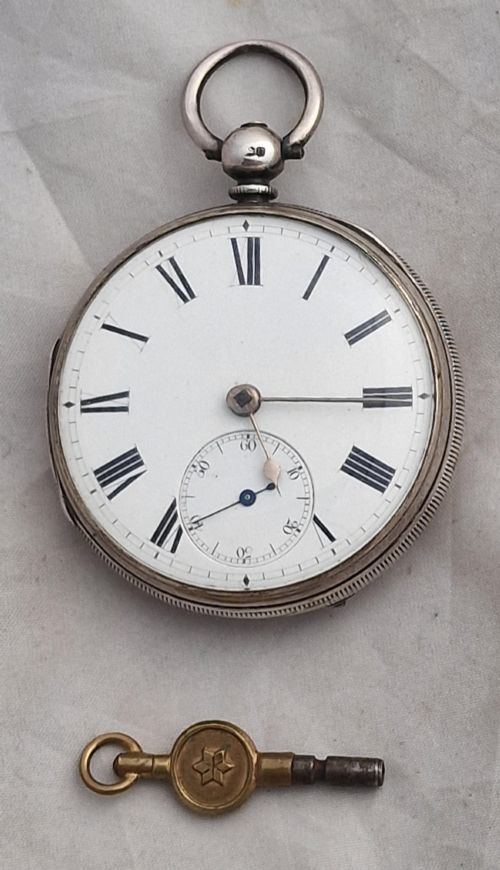
- Wound by a separate key, or by the crown. Both wordings appear in titles, and the key wind examples sit with the earlier dates.
Antique Fob Watches: Frequently Asked Questions
What's the difference between a fob watch and a pocket watch?
In practice the two overlap, and this heading carries both. A fob watch is the smaller version, hung from a short chain or bow at the waist and most often worn by women.
On Sellingantiques, 102 of 141 titles in the category actually say "pocket". The word fob also gets used for the ornament on the end of a chain, which is a different thing again.
Are most of these silver or gold?
Silver appears in 46 titles and gold in 24, so silver is the backbone of the category. Plated cases sit alongside the silver at the lower end.
The gold group isn't uniform. It runs from gold-filled and gold-plated cases through 9ct and 12ct up to 14ct, 18ct and 18k, and only the solid high-carat cases reach the top of the range.
How old are they usually?
The dated field spans 1880 to 1950. The 1900s are the fullest single decade at 28 listings, with the 1910s, 1920s and 1930s close behind.
Earlier pieces are thinner on the ground: eight in the 1890s, three in the 1880s. Only two reach the 1950s. A handful of titles quote an exact movement year, such as 1883, 1897 or 1924.
Do fob watches come with their chains?
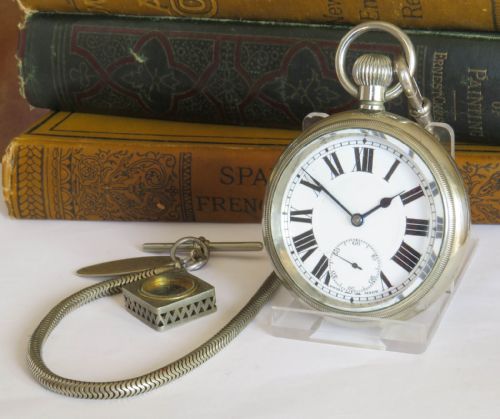
Often. Thirty-nine titles, roughly a quarter, sell the watch together with its chain, usually an albert for a gentleman's watch or an albertina for a small ladies' one.
Some of those sets carry a novelty fob as well. Football turns up three times; cricket, a bell, a compass, a horse, a locomotive, Masonic, Egypt, Hereford, Wells and the Folkestone Fishermen each appear once.
Which makers turn up in this category?
Titles name a long tail of case and movement makers rather than a few dominant ones. No single name reaches enough dealers to be called a house of the category.
Origin gets named more consistently than makers. Geneva, France, England with Chester and Sheffield assay wording, Glasgow, Coventry, Llandudno and the United States all appear, and Swiss-made shows up in twelve titles.
How many come up for sale each year?
Seventeen dealers have listed in this category on Sellingantiques, and roughly eight pieces come to market a year.
That makes it a steady corner rather than a crowded one. Silver pocket watches turn up throughout; repeaters, chronographs and Geneva-signed gold cases surface only occasionally.