

A 2026 Guide by Sellingantiques
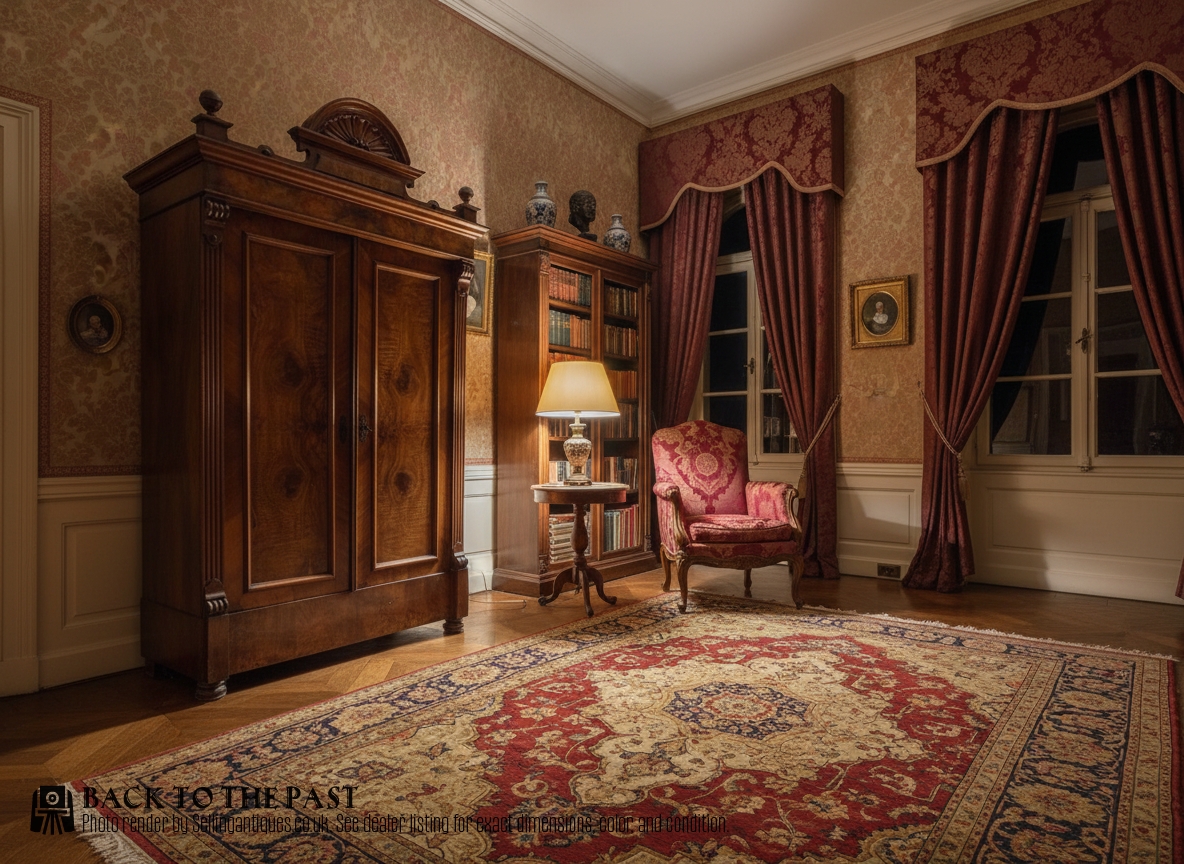
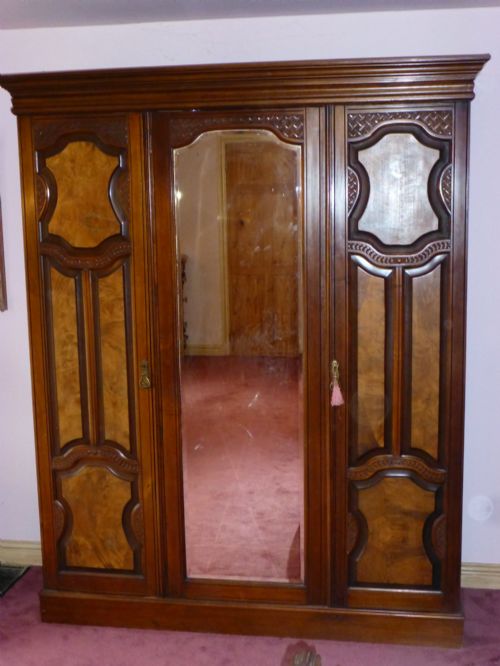
A Grunderzeit Walnut Veneered Wardrobe, 1890
Priced at £2,450 from Marlborough Antiques & Interiors
Early forms evolved from simple presses. Antique walnut wardrobes became highly fashionable during the early eighteenth century as timber imports increased.
Look at the sheer size. Reflects the high ceilings of wealthy Georgian townhouses.
Different periods shifted the internal layouts. Victorian examples often feature a hanging space on one side with linen slides on the other.
Often split up later on. Large country houses demanded matched pairs while smaller dwellings saw them divided into single units.
Documented names are rare for standard domestic storage. Regional cabinetmakers built most antique walnut wardrobes without ever signing their work.
Gillows of Lancaster produced substantial bedroom furniture in the late eighteenth century. Their stamps occasionally appear on drawer edges.
London firms dominated the luxury trade. Holland and Sons supplied townhouses with large veneered examples during the Victorian period.
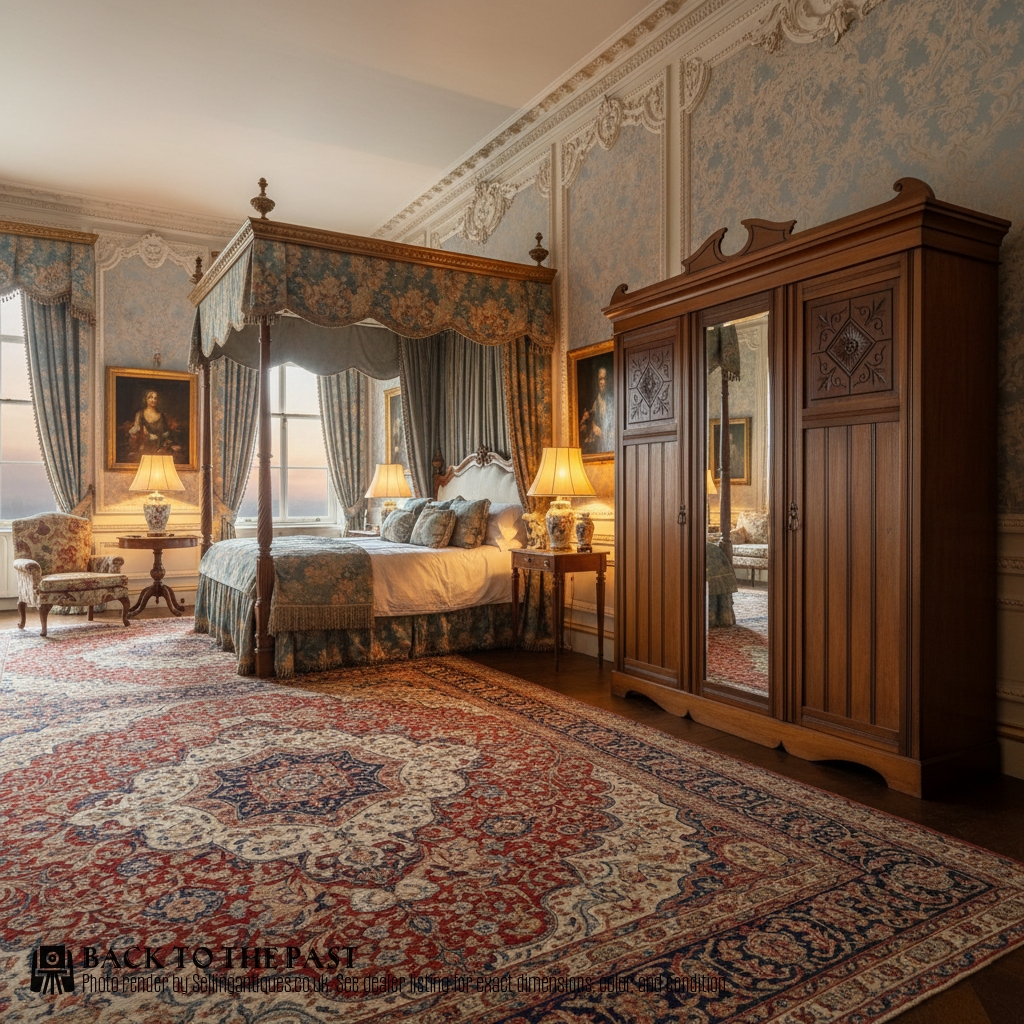
19th Century Walnut Triple Wardrobe, 19th Century
Priced at £495 from Christopher Buck Antiques Ltd.
The 2026 retail price guide for Antique Walnut Wardrobes is drawn from a proprietary archive of over 1.1 million retail prices indexed by Sellingantiques since 2003. This guide relies exclusively on their own internal data; no external sources or auction records are used.
Analysing nearly 25 years of UK antique market history alongside current retail values, the data indicates that typical UK retail prices for Antique Walnut Wardrobes range between £600 and £2,500. Entry-level prices generally fall under £600 and premium examples upwards of £2,500.
Cornices lift off. The top section separates from the main body to allow the piece through narrow doorways.
Many feature deep lower drawers built into the base. These held heavy blankets out of the main hanging space.
Bookmatched figuring across the front doors. A mirrored pattern defines a good antique walnut wardrobe.

Art Deco Cloud Walnut Small Wardrobe, C1930, 1930
Priced at £1,850 from Art Deco World
Hand-cut dovetails join the drawer sides to the fronts. These show slight irregular spacing that machines cannot replicate.
Craftsmen applied hot animal glue to attach the thin timber layers. Pressed down with heated sandbags to remove air pockets.
Floating panels sit loosely inside the door frames. This method lets the wood expand without splitting the main frame.
"Hidden compartments sometimes exist behind the plinth. Craftsmen built shallow false bottoms into the base to secure small valuables."
"The timber hardens as it ages. Century-old examples resist dents much better than freshly cut lumber."
"Original hanging pegs remain in some early pieces. They offer a direct link to how clothes were hung before modern coat hangers existed."
Based on almost 25 years of Sellingantiques UK antique market data, Antique Walnut Wardrobes appeared 2123 times (out of 1,100,000 antiques) which gives it a rarity score of 65/100.
This score measures scarcity within the Sellingantiques archive only and is not a survey of the entire antiques market, so these statistics may not be indicative of the general availability of Antique Walnut Wardrobes elsewhere.
Modern life requires different storage. Most buyers fit a brass rail where the original linen slides used to sit.
Just keep the old parts. Avoid cutting the main carcase when you add new fittings.
Flight holes indicate historical beetle activity. Most antique walnut wardrobes show a few holes in the softer pine backboards or the base plinth.
Active woodworm leaves a trail of light dust underneath the holes. If the wood feels solid and you see no fresh powder during summer, the infestation died out decades ago. Treatment is only necessary if fresh dust appears.
Dust the surfaces lightly with a dry cloth. Modern aerosol sprays leave a dull silicone film that builds up over time and ruins the surface clarity.
Apply a traditional beeswax polish once or twice a year. Feed the wax in along the grain and buff it off firmly. This maintains the moisture and protects the finish without stripping the historical patina.
Nearly all of them break down into manageable pieces. Makers designed them for townhouses with tight staircases.
The cornice lifts off the top and the base section separates. The main body usually splits down the middle into two distinct halves. This modular approach makes moving an antique walnut wardrobe much easier than its size suggests.
Please note: This Antique Walnut Wardrobes guide and its associated pricing data are provided for general informational purposes only. It does not constitute formal financial, investment, or appraisal advice and should not be relied upon as the sole basis for any commercial activity, purchasing, or sales decisions. Sellingantiques.co.uk accepts no liability for any actions taken in reliance on this information. Always consult with a qualified professional or independent appraiser.
