

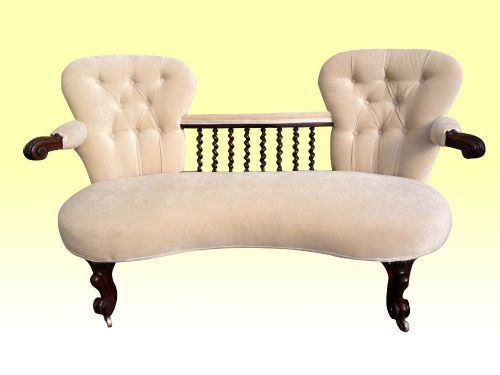
A 2026 Guide by Sellingantiques
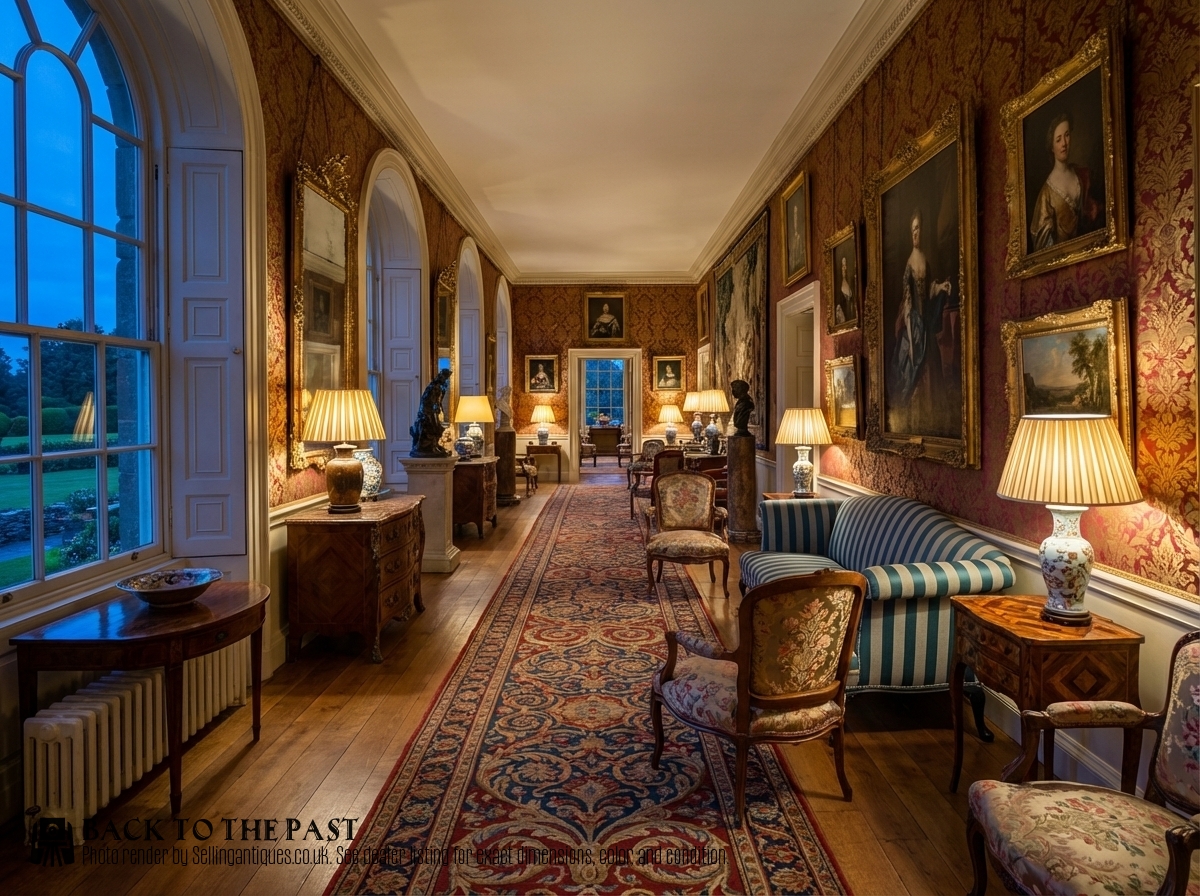
19th Century Country House Scroll Arm Sofa, 19th Century
Priced at £1,575 from A Brookes
Urban expansion drove the rise of a new middle class wanting comfortable parlour seating.
Coil springs transformed upholstery techniques around the 1830s, allowing Victorian sofas to become much deeper and softer.
Look at the transition from Regency classical lines to heavier, curved Rococo revival forms by mid-century.
Better transport links meant provincial cabinetmakers could order fashionable London pattern books to copy.
Howard & Sons pioneered deep-seated lounge furniture from the mid-nineteenth century, marking their castors and inside back legs.
Look out for stamped marks from Holland & Sons, a prominent firm supplying high-quality pieces to urban homes.
Gillows of Lancaster and London, working throughout the era, documented many sofa variations in their extensive sketchbooks.
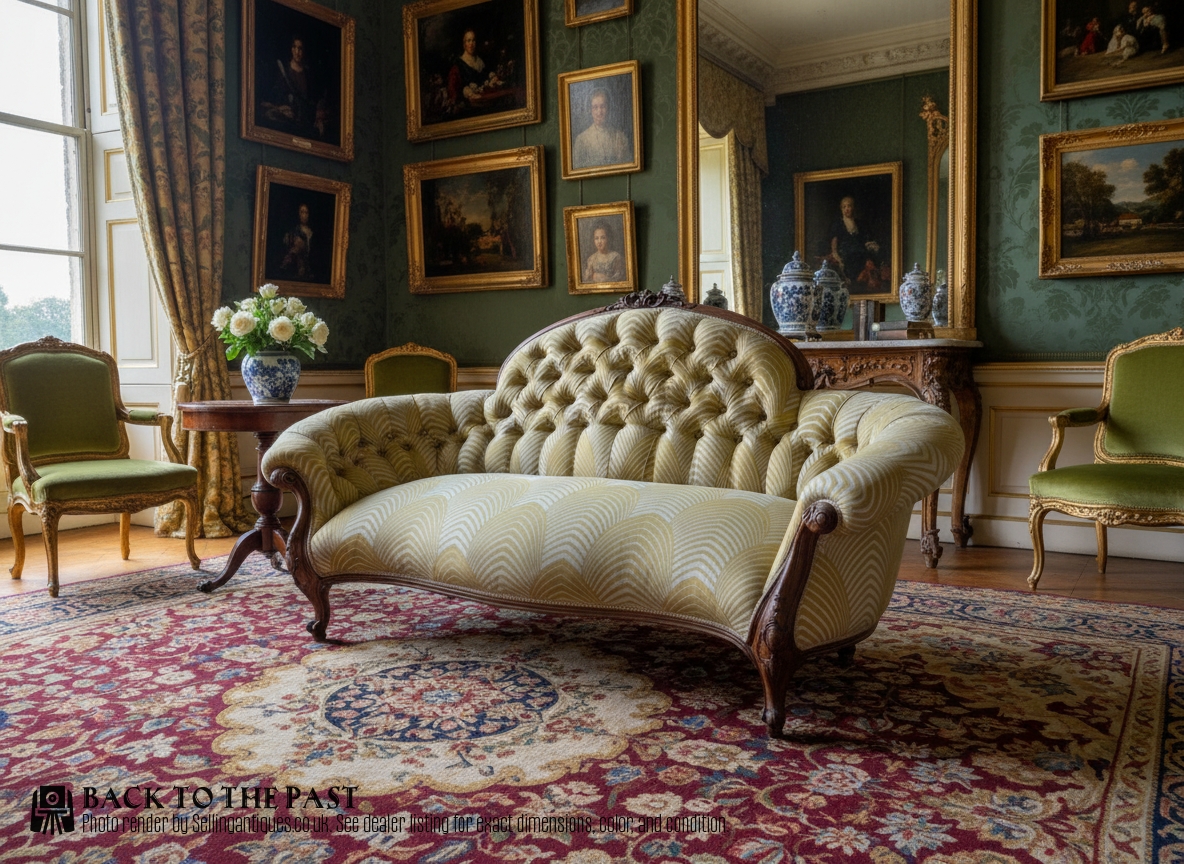
A Victorian Walnut Sofa, Victorian
Priced at £395 from Robert Dee
The 2026 retail price guide for Victorian Sofas is drawn from a proprietary archive of over 1.1 million retail prices indexed by Sellingantiques since 2003. This guide relies exclusively on their own internal data; no external sources or auction records are used.
Analysing nearly 25 years of UK antique market history alongside current retail values, the data indicates that typical UK retail prices for Victorian Sofas range between £600 and £3,200. Entry-level prices generally fall under £600 and premium examples upwards of £3,200.
Thick buttoning across the back and arms to keep upholstery padding firmly in place.
Notice the carved details sitting centrally on the exposed timber top rail.
Short cabriole legs ending in brass castors made these heavy frames easier to move.
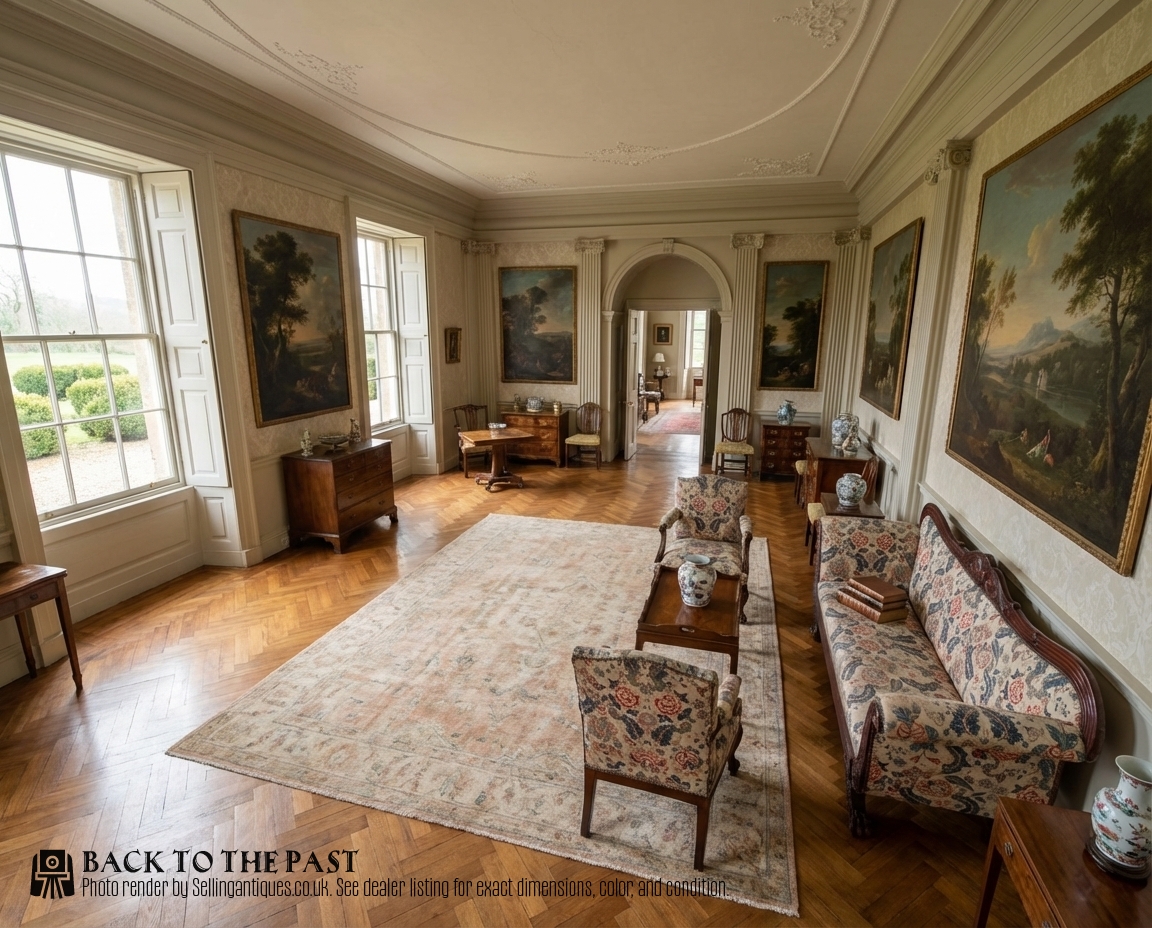
Early Victorian Carved Mahogany Sofa., 1850
Priced at £495 from Rupert Hitchcox Antiques
Early pieces feature traditional mortise and tenon joints in the primary frame to handle heavy tension.
Adding heavy steel coil springs required robust cross-banding and thick webbing underneath the seat.
Study the wood carving. Repetitive scrollwork was often cut by steam-powered bandsaws before being finished by hand.
"Thick tufted buttoning helped trap domestic dust, which actually drove the invention of early domestic vacuum cleaners."
"Castors were standard on almost every model to let servants easily roll them away for weekly carpet beating."
"Consider the asymmetrical conversation seat. These connected S-shaped frames allowed discrete chatting without direct face-to-face eye contact."
Based on almost 25 years of Sellingantiques UK antique market data, Victorian Sofas appeared 3737 times (out of 1,100,000 antiques) which gives it a rarity score of 47/100.
This score measures scarcity within the Sellingantiques archive only and is not a survey of the entire antiques market, so these statistics may not be indicative of the general availability of Victorian Sofas elsewhere.
Most sagging happens when the jute webbing beneath the springs snaps or stretches. An upholsterer needs to strip the bottom dust cover and re-web the frame from below.
Sometimes the string tying the springs together has failed. If the springs have collapsed sideways, the entire seat structure usually needs to be rebuilt.
You can, but replacing only the top fabric is rarely enough for a piece this old. The underlying horsehair, hessian and cotton wadding will likely have compacted over time and lost their shape.
A proper job involves stripping it back to the bare carcase. This gives a chance to check the structural joints and re-tie the springs before building up new padding and applying fresh fabric.
A chesterfield is a specific style of deep-buttoned sofa with arms and back of the same height. The seat cushion is sometimes buttoned too. They often have a heavy, rolled top edge.
Victorian cabinetmakers often stained lighter woods to mimic dark mahogany or rich rosewood, which were fashionable at the time. A dark shellac finish was also applied over walnut to give it a uniform, glossy appearance.
Over many decades, old varnish darkens further as it oxidises and absorbs dirt from coal fires and gas lighting. Stripping this old finish destroys the surface history, so most restorers prefer to simply clean and rewax the existing patina.
Please note: This Victorian Sofas guide and its associated pricing data are provided for general informational purposes only. It does not constitute formal financial, investment, or appraisal advice and should not be relied upon as the sole basis for any commercial activity, purchasing, or sales decisions. Sellingantiques.co.uk accepts no liability for any actions taken in reliance on this information. Always consult with a qualified professional or independent appraiser.
