


A 2026 Guide by Sellingantiques
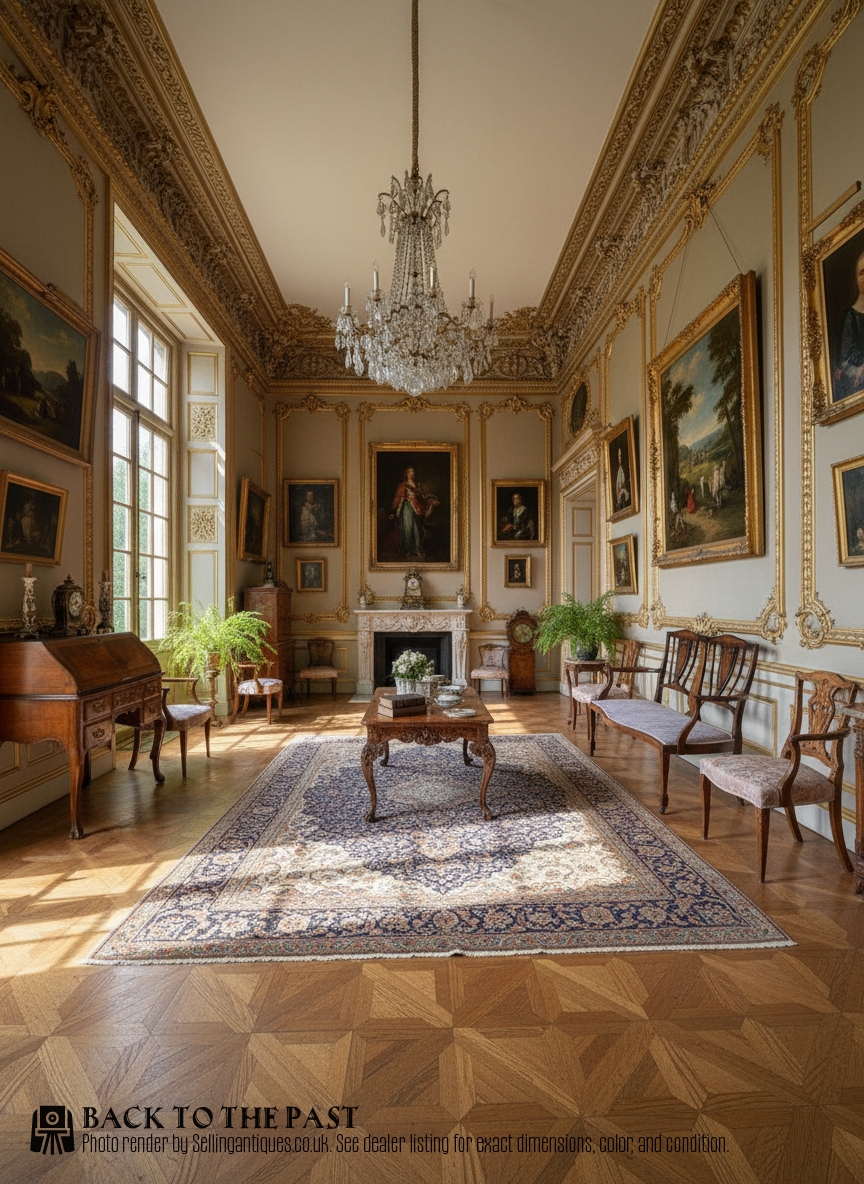
Antique Edwardian Mahogany Inlaid Sofa, 1900
Priced at £1,395 from London City Antiques
Inlaid decoration replaced heavy carving during the late eighteenth century. Neoclassical tastes pushed the older solid mahogany frames out of fashion.
Look for brass stringing. This style became highly sought after by the Regency period.
They weren't originally placed in the centre of the room. Servants moved them out from the edges for conversational groups when guests arrived.
Syrian and Egyptian traditions took a different path. Middle Eastern antique inlaid sofas often feature dense geometric patterns covering the entire frame.
Edwardian revivals brought lighter interpretations back into the drawing room. You see thinner frames relying on delicate stringing rather than heavy timber panels.
John McLean working in London specialised in brass-inlaid furniture. His seating often features precise metal lines set into dark rosewood frames.
George Smith published designs for heavily ornamented seating in the early nineteenth century. Surviving examples matching his plates occasionally surface in the trade.
Remember the anonymous outworkers. The trade relied heavily on specialist inlay cutters to prepare the panels before assembly in the main workshop.

A Late 19th Century Inlaid Mahogany Salon Sofa, 1870
Priced at £995 from W.J. Gravener Antiques Ltd.
The 2026 retail price guide for Antique Inlaid Sofas is drawn from a proprietary archive of over 1.1 million retail prices indexed by Sellingantiques since 2003. This guide relies exclusively on their own internal data; no external sources or auction records are used.
Analysing nearly 25 years of UK antique market history alongside current retail values, the data indicates that typical UK retail prices for Antique Inlaid Sofas range between £800 and £3,800. Entry-level prices generally fall under £800 and premium examples upwards of £3,800.
The top rail usually carries the most prominent decorative work. This sits right at eye level when people are standing nearby.
Check the front legs and arm supports. They often feature matching vertical stringing or small inset medallions to tie the design together.
Tightly tailored upholstery sits flush against the exposed frame. Loose cushions were rarely standard for early antique inlaid sofas.
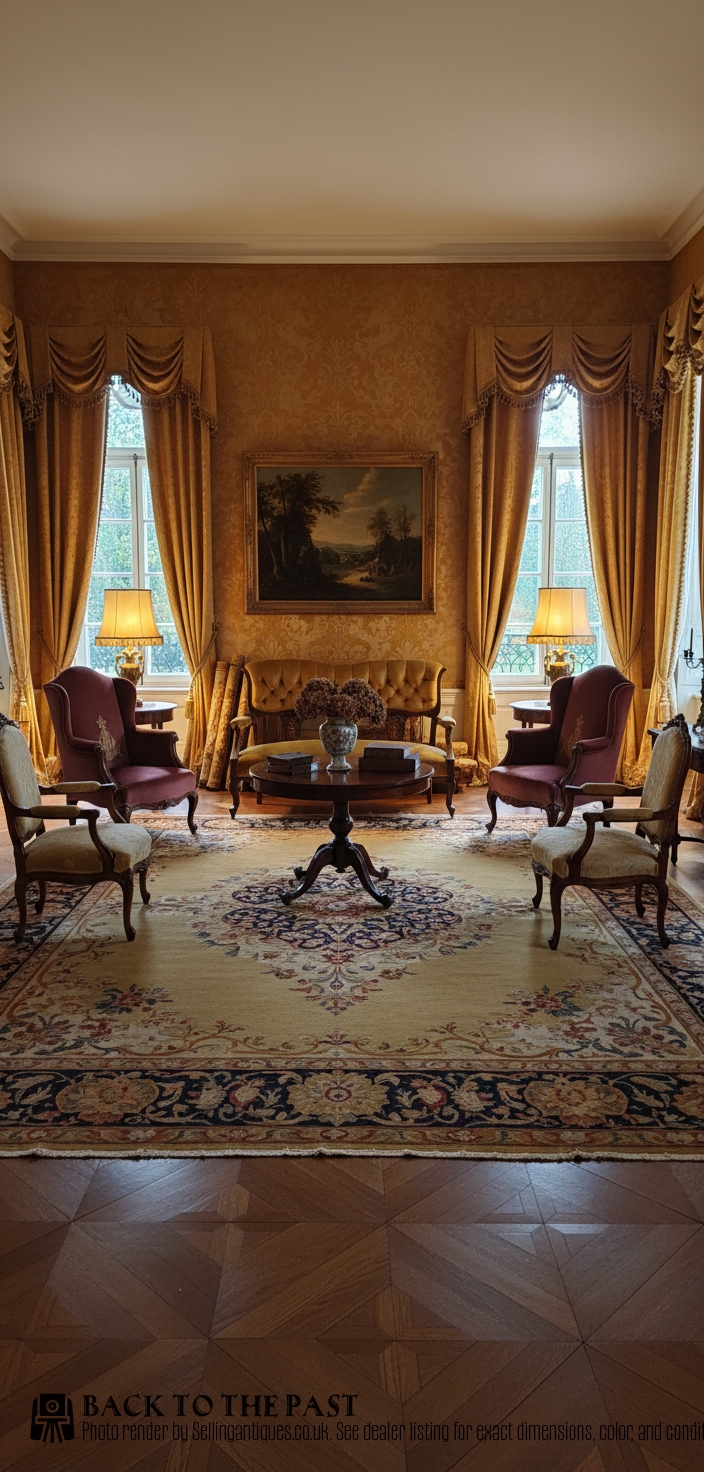
Superb Inlaid Two Seat Sofa, 1900
Priced at £795 from Fernyhough Antiques Ltd
Cabinetmakers routed shallow channels into the solid frame. They pressed the contrasting veneers in with hot animal glue and clamped them tight.
Heating the veneers. Brass inlay required careful temperature control because the metal expands and contracts at a different rate to the surrounding timber.
Inspect the joints on the main seating frame. Robust mortise and tenons have to withstand the sheer weight of multiple sitters.
"Chemical darkening on the backgrounds. This created a starker contrast for the pale satinwood details before the inlay went into the channel."
"Sand shading. Makers dipped the edge of the veneer into hot sand to give flat wooden inlays a three-dimensional look."
"Scraping both materials simultaneously. Craftsmen polished the brass sections flush with the wood to achieve a single seamless surface."
Based on almost 25 years of Sellingantiques UK antique market data, Antique Inlaid Sofas appeared 997 times (out of 1,100,000 antiques) which gives it a rarity score of 82/100.
This score measures scarcity within the Sellingantiques archive only and is not a survey of the entire antiques market, so these statistics may not be indicative of the general availability of Antique Inlaid Sofas elsewhere.
They carry quite a bit of weight. The carcase uses solid hardwoods like beech or ash to support the joints, and the dense mahogany show wood adds further mass.
Moving one isn't a one-person job. The metal springing inside later examples pushes the weight up even further.
Brass inlay lifting from the frame is standard. The metal responds to temperature changes differently than the wood around it, straining the old animal glue holding it in place.
Central heating speeds this up by drying out the timber. Restoration isn't complicated. It involves cleaning out the old channel, laying the metal back down with fresh glue, and gently clamping it flat until it sets.
Yes, if the joints are sound. They were built for daily use in busy households.
Check the junction where the back legs meet the seat frame. Give the arm a firm wiggle. If nothing moves, you won't have any trouble.
Mixing periods often works better than matching everything. An antique inlaid sofa breaks up the harsh lines of modern seating, while the geometric inlay adds interest to contemporary patterns.
The low ceilings shouldn't be a problem. Many Regency and Edwardian examples have relatively low backs compared to Victorian pieces, keeping the proportions of the room in balance.
Please note: This Antique Inlaid Sofas guide and its associated pricing data are provided for general informational purposes only. It does not constitute formal financial, investment, or appraisal advice and should not be relied upon as the sole basis for any commercial activity, purchasing, or sales decisions. Sellingantiques.co.uk accepts no liability for any actions taken in reliance on this information. Always consult with a qualified professional or independent appraiser.
