


A 2026 Guide by Sellingantiques

Antique Victorian Quality Brass Spirit Kettle on Stand, 1880
Priced at £385 from London City Antiques
Early examples from the eighteenth century often sat directly on the fire.
Look at the transition to the drawing room. Spirit lamps appeared beneath silver antique kettles to keep water boiling for tea.
Cast iron varieties dominated Victorian kitchens across Britain. They retained heat well and survived punishing daily use.
Copper became the preferred choice for middle-class domestic ranges.
Shapes changed alongside stove technology. Flat bottoms replaced legs when enclosed ranges superseded open hearths.
Matthew Boulton produced silver-plated kettles on stands in Birmingham between 1762 and 1809.
Paul Storr crafted heavy silver examples with intricate chasing in London during the early nineteenth century.
Regional brass founders turned out countless unmarked copper kettles. Provincial workshops rarely stamped their output.
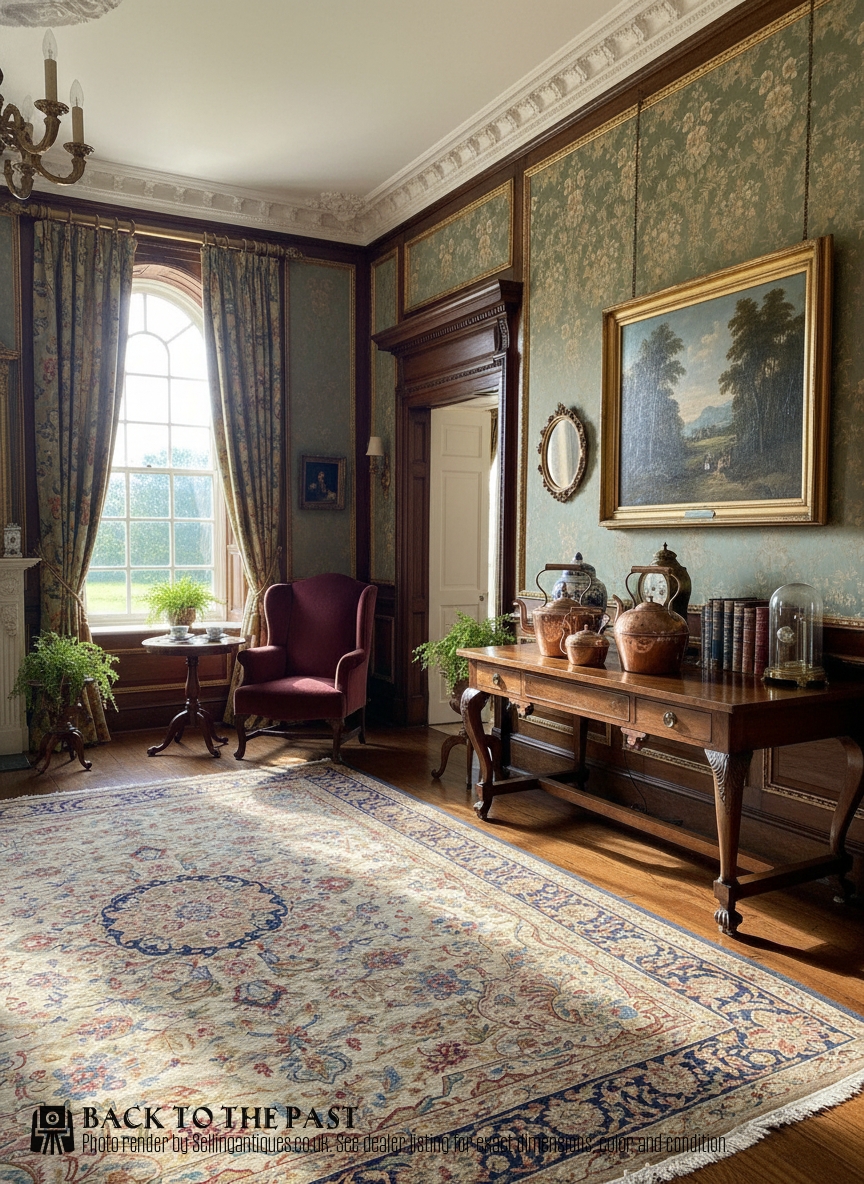
Antique Collection of Three Copper Kettles
, 19th Century
Priced at £485 from London City Antiques
The 2026 retail price guide for Antique Kettles is drawn from a proprietary archive of over 1.1 million retail prices indexed by Sellingantiques since 2003. This guide relies exclusively on their own internal data; no external sources or auction records are used.
Analysing nearly 25 years of UK antique market history alongside current retail values, the data indicates that typical UK retail prices for Antique Kettles range between £200 and £2,900. Entry-level prices generally fall under £200 and premium examples upwards of £2,900.
Check the spout shape. You'll find swan-neck profiles pour smoothly and define the classic Georgian tea table look.
Bail handles swing freely from side to side. Fixed overhead handles often indicate a later nineteenth-century build.
Lids vary from flush-fitting flat discs to high domed covers with prominent finials.
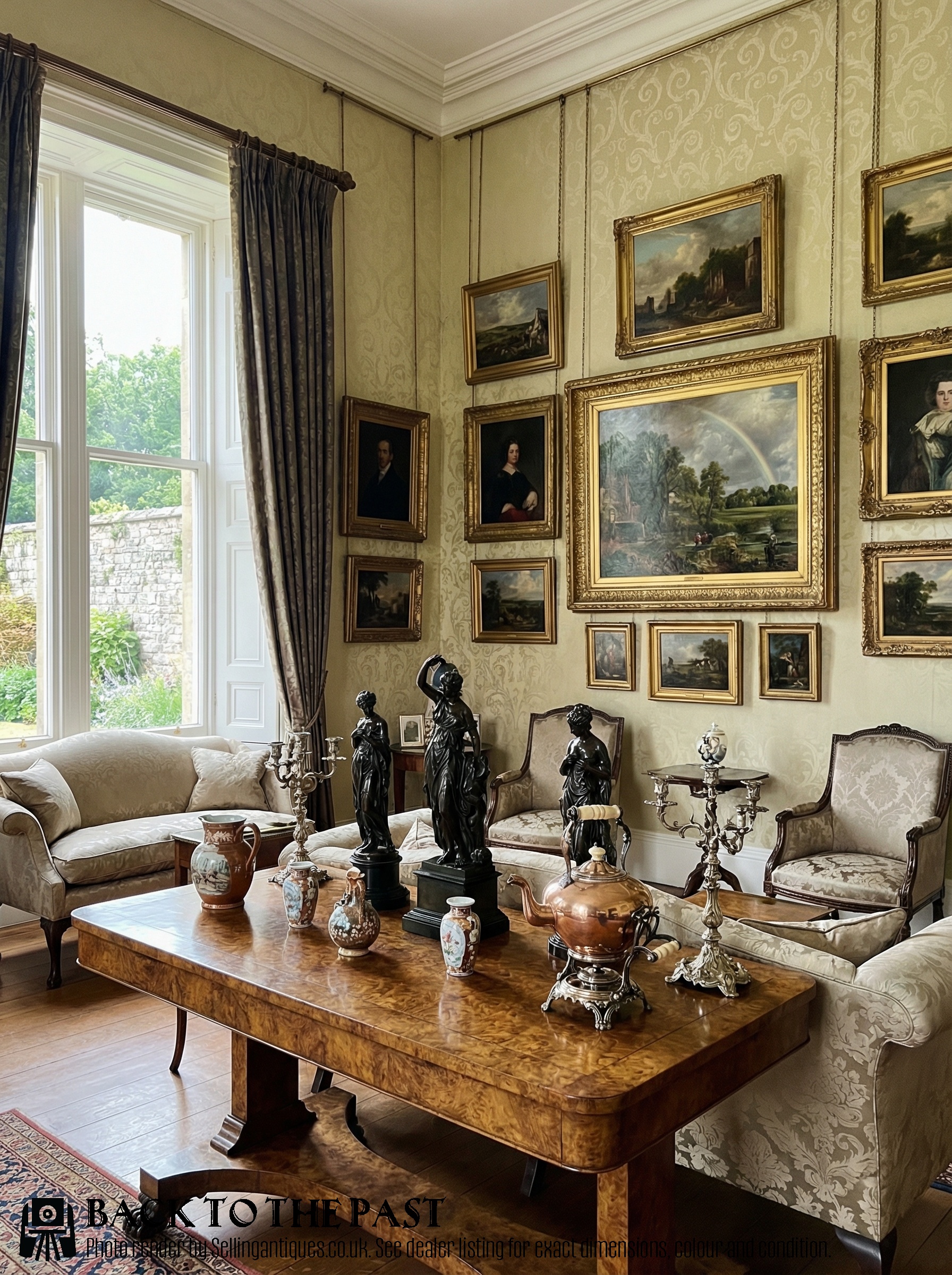
Unusual Antique Victorian Quality Copper Kettle on a Stand, 1850
Priced at £425 from Unique Antiques by Emma Jade
Early copper forms rely on dovetail seaming. Braziers cut teeth into the metal edges, hammered them together, and brazed the joint.
Planishing marks reveal hand construction. These shallow circular dents from the silversmith's hammer harden the metal surface.
Spinning arrived in the nineteenth century. Lathes allowed factories to form seamless round bodies from a single flat sheet.
"Many silver examples have locking pins attaching the body to the stand. This lets the hostess pour without lifting the heavy base."
"Copper models often feature an acorn finial. This traditional motif represents hospitality in many British households."
"Base metals gain a rich patina from hearth smoke. This natural surface colouring adds depth over time."
Based on almost 25 years of Sellingantiques UK antique market data, Antique Kettles appeared 1151 times (out of 1,100,000 antiques) which gives it a rarity score of 79/100.
This score measures scarcity within the Sellingantiques archive only and is not a survey of the entire antiques market, so these statistics may not be indicative of the general availability of Antique Kettles elsewhere.
You can, provided the interior tin lining remains intact. Copper reacts with hot water to form toxins, so a solid barrier is essential for safe use.
Take it to a specialist for retinning if the grey lining looks worn or shows bare metal. Many dealers offer this service before sale.
Finding original spare parts for spirit burners isn't easy. Makers used different thread sizes and burner diameters, meaning parts from one stand rarely fit another.
You might track down a generic replacement burner of the right width, or ask a metalworker to adapt a modern wick holder. Many people prefer to use tea lights in the empty burner space to keep the water warm without the fuss of spirit fuel.
Start with a soft cloth and warm soapy water to remove surface grime.
If you want a bright finish, apply a mild metal polish sparingly. Avoid abrasive cleaners. They scratch the soft metal and strip away the antique patina.
Heavy limescale is common in nineteenth-century iron vessels used daily over open fires. Some scale actually helps protect the iron from rusting, so you don't need to remove it all.
If the build-up restricts the capacity, soak the interior with a solution of white vinegar and water. Leave it overnight to soften the minerals, then scrub gently with a stiff brush. Rinse thoroughly and dry the inside straight away to stop fresh rust forming.
Please note: This Antique Kettles guide and its associated pricing data are provided for general informational purposes only. It does not constitute formal financial, investment, or appraisal advice and should not be relied upon as the sole basis for any commercial activity, purchasing, or sales decisions. Sellingantiques.co.uk accepts no liability for any actions taken in reliance on this information. Always consult with a qualified professional or independent appraiser.
