
A 2026 Guide by Sellingantiques
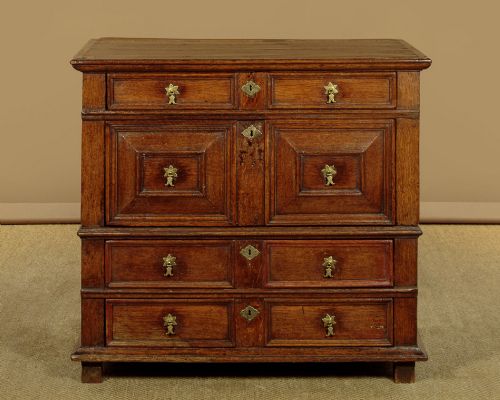
Small Early English Oak Chest of Drawers C1680, 17th century
Priced at £2,450 from Shaun King Antiques
Evolved from the traditional storage coffer during the early seventeenth century.
People wanted easier access to clothes, so they abandoned the deep lifting lid.
By the middle of the century, the true antique Jacobean chest of drawers became common in merchant homes.
Look at the heavy proportions, which reflect the architectural fashions popular before the Restoration.
Provincial workshops copied London trends slowly across different regions.
You won't find documented names for this specific category of early furniture.
Most surviving examples are the anonymous work of provincial rural joiners.
Understand that workshop practices meant multiple craftsmen often collaborated on the applied decoration.
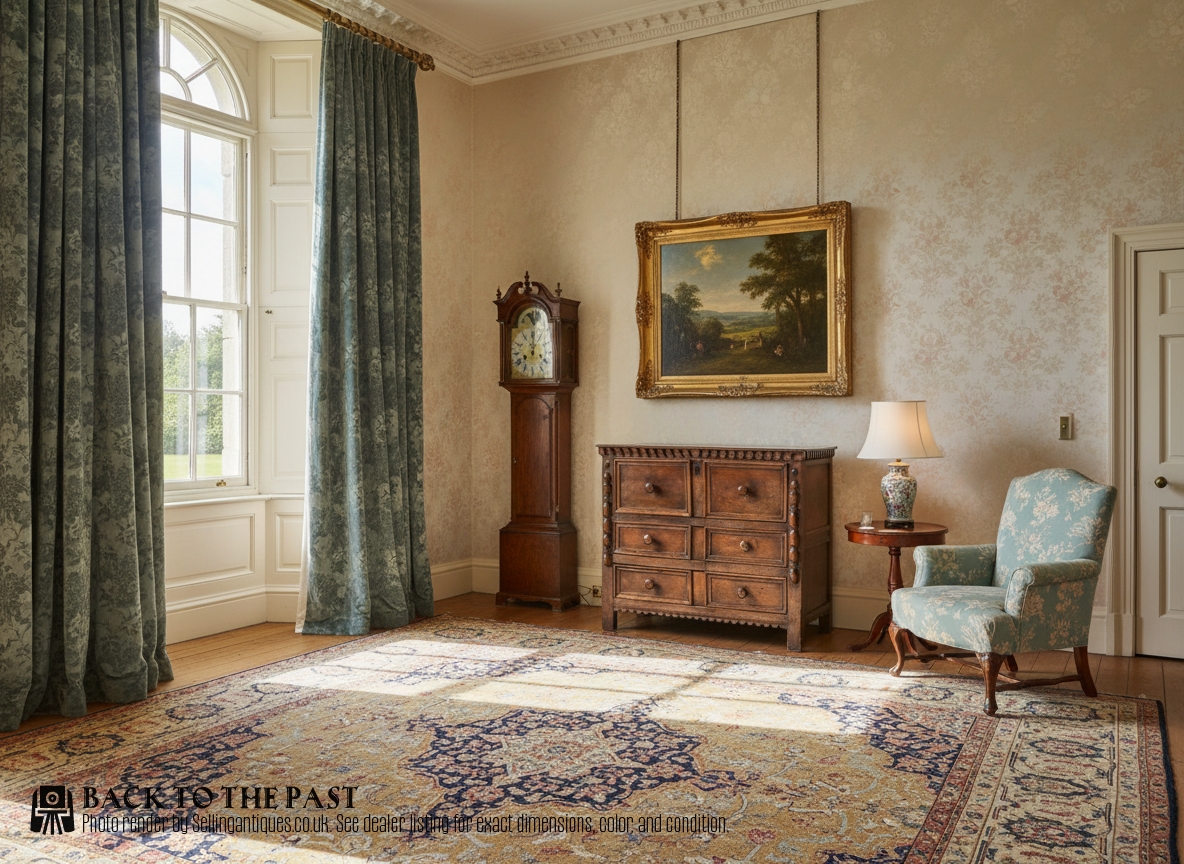
Early 20th Century Jacobean Cabinet on Stand, 1930
Priced at £485 from Brookside Antiques
The 2026 retail price guide for Antique Jacobean Chest Of Drawers is drawn from a proprietary archive of over 1.1 million retail prices indexed by Sellingantiques since 2003. This guide relies exclusively on their own internal data; no external sources or auction records are used.
Analysing nearly 25 years of UK antique market history alongside current retail values, the data indicates that typical UK retail prices for Antique Jacobean Chest Of Drawers range between £500 and £2,400. Entry-level prices generally fall under £500 and premium examples upwards of £2,400.
Geometric panels on the drawer fronts define the classic antique Jacobean chest of drawers.
Applied split turnings frequently flank the outer stiles to add architectural depth.
Turn a drawer sideways to find the thick grooves routed into the outer edges.

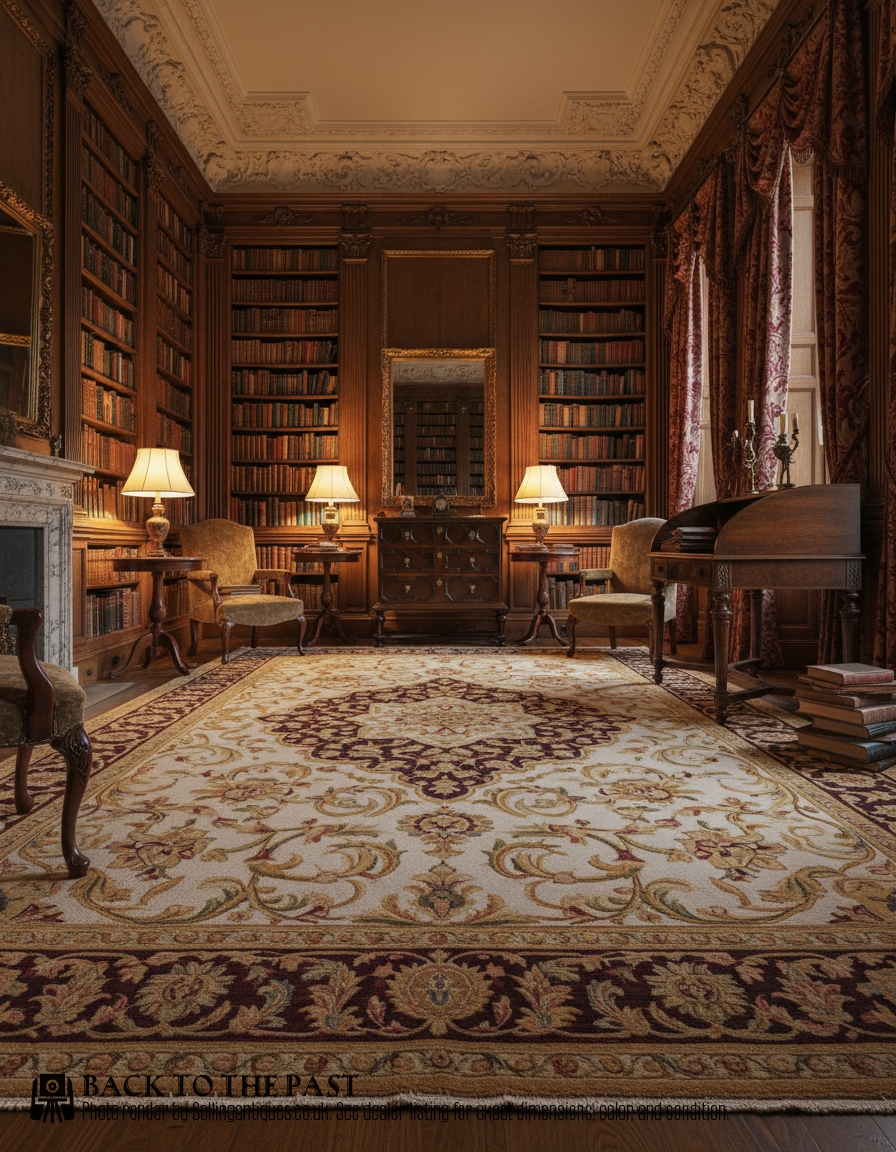
Antique 18th Century Quality Oak Jacobean Chest of Drawers, 1700
Priced at £1,850 from Unique Antiques by Emma Jade
Joiners built these heavy cases using traditional pegged frame and panel techniques.
Drawers weren't dovetailed yet, so craftsmen nailed the boards together at the corners.
Notice how an antique Jacobean chest of drawers relies on thick framing to support the weight.
"Those complex geometric fronts aren't just decorative; they often trick the eye into seeing extra drawers."
"Early seventeenth-century owners moved these chests between different houses because furniture was scarce."
"The dark oak patina we prize today was much lighter when the piece first left the workshop."
Based on almost 25 years of Sellingantiques UK antique market data, Antique Jacobean Chest Of Drawers appeared 4136 times (out of 1,100,000 antiques) which gives it a rarity score of 44/100.
This score measures scarcity within the Sellingantiques archive only and is not a survey of the entire antiques market, so these statistics may not be indicative of the general availability of Antique Jacobean Chest Of Drawers elsewhere.
Most chests from this period rely on a side-runner system. The joiner routed a deep channel into the thick oak sides of the drawer.
This channel slides along a wooden bearer nailed inside the main carcase. It is a sturdy method that predates bottom runners.
Seventeenth-century joiners often finished oak with simple beeswax. They rubbed it into the bare wood to protect the surface and give a dull sheen.
Over the centuries, generations of servants and owners built up the finish with repeated applications of wax and elbow grease. This gradual process creates the deep, hardened patina we see today.
Some makers also stained the oak with dark pigments or soot to make it resemble expensive imported woods, though this was more common later.
Dealers call them split balusters. A craftsman turned a round profile on a lathe and then split it down the middle.
They applied these flat-backed halves to the stiles. It mimics carved architectural columns without the extra labour.
Early furniture was heavy and stairs were often narrow in seventeenth-century houses. Building a chest in two pieces made it easier to move.
The upper section simply sits squarely on the lower section, often located by wooden dowels or simple mouldings. This practical design meant two people could carry the halves separately.
Not all of them divide this way. Smaller examples often feature a single solid carcase, but the two-part construction remained popular for larger case furniture.
Please note: This Antique Jacobean Chest Of Drawers guide and its associated pricing data are provided for general informational purposes only. It does not constitute formal financial, investment, or appraisal advice and should not be relied upon as the sole basis for any commercial activity, purchasing, or sales decisions. Sellingantiques.co.uk accepts no liability for any actions taken in reliance on this information. Always consult with a qualified professional or independent appraiser.
