

A 2026 Guide by Sellingantiques
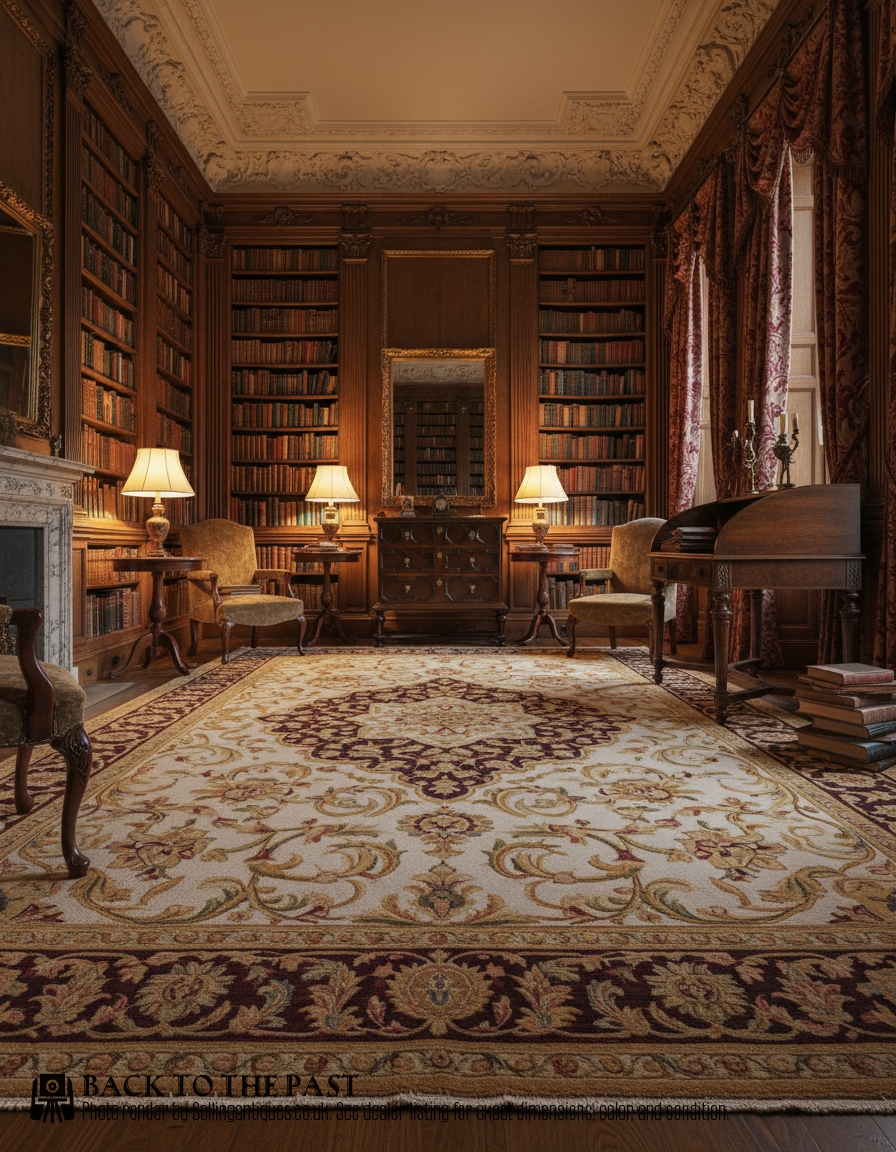
Early 20th Century Jacobean Cabinet on Stand, 1930
Priced at £485 from Brookside Antiques
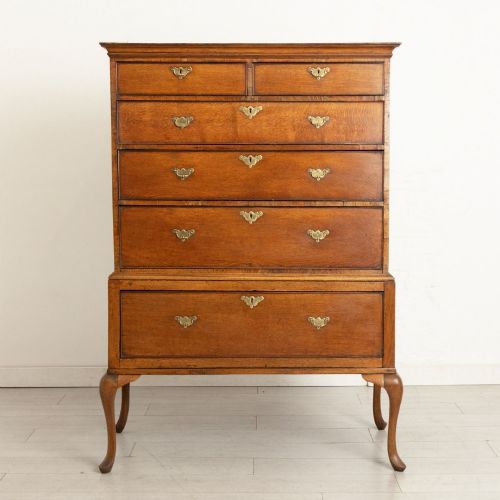
The antique chest on stand emerged during the William and Mary period. People wanted furniture that looked less heavy than the earlier oak boxes resting directly on the floor. It was a major shift in domestic taste.
Changing fashions led to their decline. The tallboy took over the bedroom, offering more storage space for the same footprint.
Look at provincial pieces. Country workshops continued making the form long after London abandoned it. A slower pace of fashion.
Cabinet makers designed the stand as a separate unit. This allowed households to move them much easier than solid carcase furniture.
Gerrit Jensen supplied examples to the Royal Household. His work features early floral marquetry.
Few antique chests on stand carry a maker's mark. The trade relied heavily on anonymous journeymen working to regional patterns.
John Gumley produced tall walnut furniture in the early eighteenth century. His workshop helped define the architectural lines of the period.
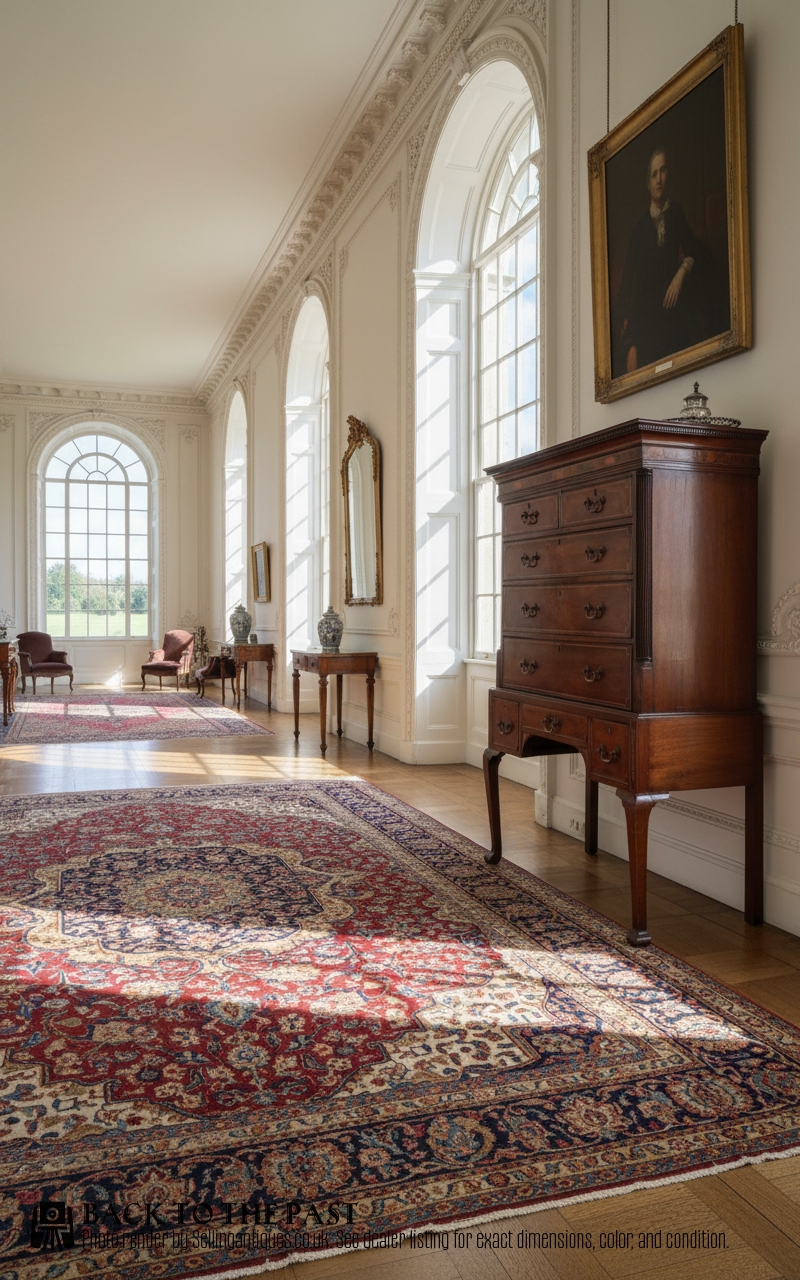
18th Century Satinwood Inlaid Mahogany Chest on Stand, 18th Century
Priced at £1,800 from School House Antiques
The 2026 retail price guide for Antique Chest On Stand is drawn from a proprietary archive of over 1.1 million retail prices indexed by Sellingantiques since 2003. This guide relies exclusively on their own internal data; no external sources or auction records are used.
Analysing nearly 25 years of UK antique market history alongside current retail values, the data indicates that typical UK retail prices for Antique Chest On Stand range between £300 and £2,300. Entry-level prices generally fall under £300 and premium examples upwards of £2,300.
The base usually contains between one and three shallow drawers. These sit within a shaped apron connecting the legs.
Check the waist moulding. A projecting timber strip hides the join where the upper chest sits securely onto the lower stand.
Turned supports are a staple of seventeenth century design. Later versions transitioned to smooth cabriole legs.
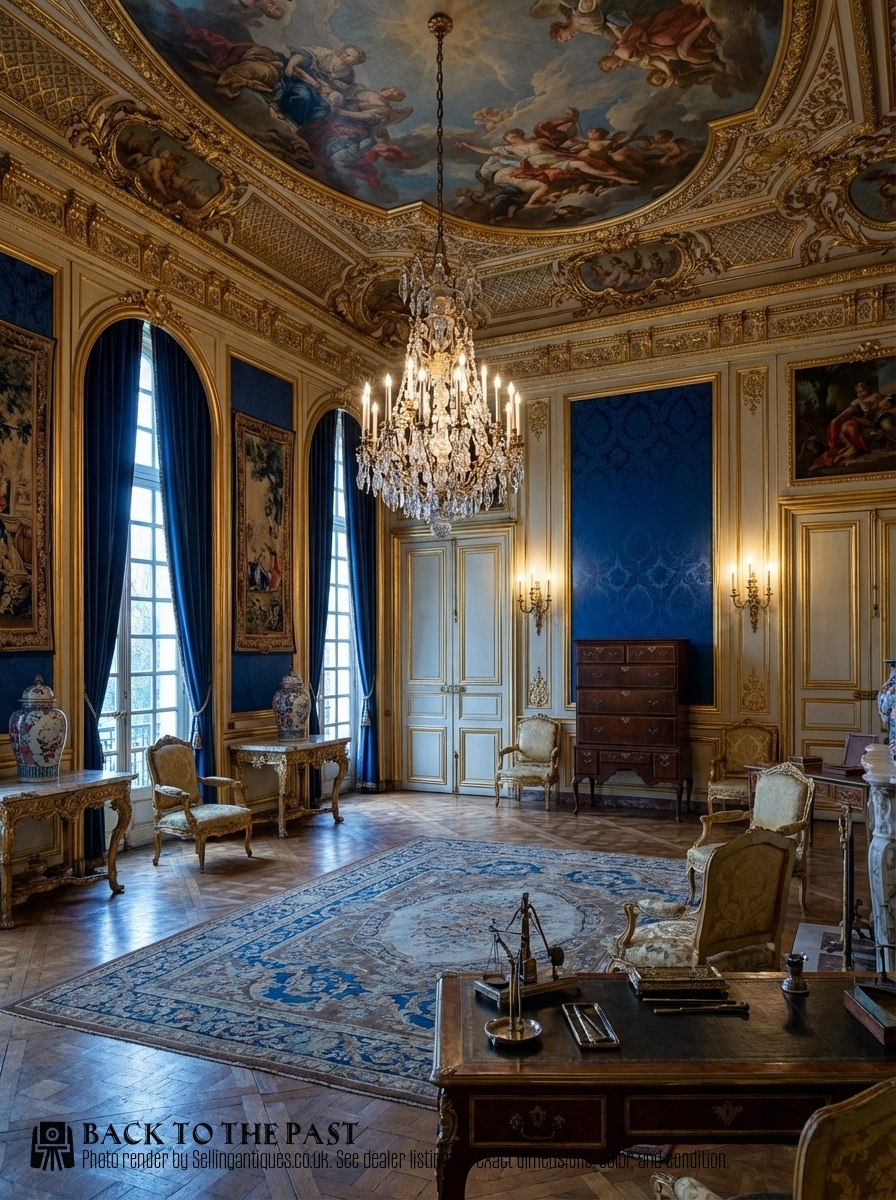
Early 18th Century Oak and Banded Chest on Stand, 18th Century
Priced at £1,295 from Rupert Hitchcox Antiques
Early examples used large wooden pegs to hold the joints together. The base had to support significant weight.
Hand-cut dovetails join the drawer sides to the fronts. These joints became finer and narrower as cabinet making tools improved through the eighteenth century. You'll notice early ones are quite chunky.
Iron locks were let into the drawer fronts. The craftsman cut the housing just deep enough for the faceplate.
"The hollow space underneath served a practical purpose. It allowed air to circulate around damp stone floors and kept clothing dry."
"Many flat tops were decorated with care. Owners sometimes displayed porcelain up there."
"Regional makers adapted the proportions to fit local architecture. Houses with lower ceilings dictated a shorter base."
Based on almost 25 years of Sellingantiques UK antique market data, Antique Chest On Stand appeared 31676 times (out of 1,100,000 antiques) which gives it a rarity score of 1/100.
This score measures scarcity within the Sellingantiques archive only and is not a survey of the entire antiques market, so these statistics may not be indicative of the general availability of Antique Chest On Stand elsewhere.
Yes. The upper carcase rests freely inside the moulding of the base.
They were built in two parts to make moving them upstairs easier.
They're stronger than they look. The stand was engineered specifically to carry the weight of a full carcase without buckling.
The joinery inside the base distributes the downward force evenly. As long as the floor is level and the joints haven't worked loose, the structure will hold up just fine.
Leave them alone if you can. Most period brass hardware has developed a dull patina over time that suits the age of the timber.
If you really must clean them, take them off the drawer fronts first. Using metal polish while they're attached will stain the wood and get trapped in the grain.
The lower drawers in the main carcase are usually deep enough for folded blankets. The graduating design means the deeper storage sits at the bottom.
Just check the timber linings first. Old pine can sometimes snag delicate fabrics if the boards have split or warped.
Please note: This Antique Chest On Stand guide and its associated pricing data are provided for general informational purposes only. It does not constitute formal financial, investment, or appraisal advice and should not be relied upon as the sole basis for any commercial activity, purchasing, or sales decisions. Sellingantiques.co.uk accepts no liability for any actions taken in reliance on this information. Always consult with a qualified professional or independent appraiser.
