

A 2026 Guide by Sellingantiques

Mahogany Single Bed, 19th Century
Priced at £495 from Athey Antiques
Look for the shift from oak to mahogany around the middle of the eighteenth century in Britain.
A direct result of timber taxes lifting on colonial wood imports during the 1730s.
Georgian society favoured these antique mahogany beds because the dense grain resisted woodworm far better than native walnut or beech.
Check the later Victorian examples for heavier proportions, as the expanding middle classes drove demand for substantial bedroom suites.
Thomas Chippendale supplied grand four-poster antique mahogany beds to aristocratic clients, and his surviving invoices list the specific turned posts provided.
Gillows of Lancaster, active late eighteenth to nineteenth century, stamping their name on the carcase wood of some mahogany bed frames.
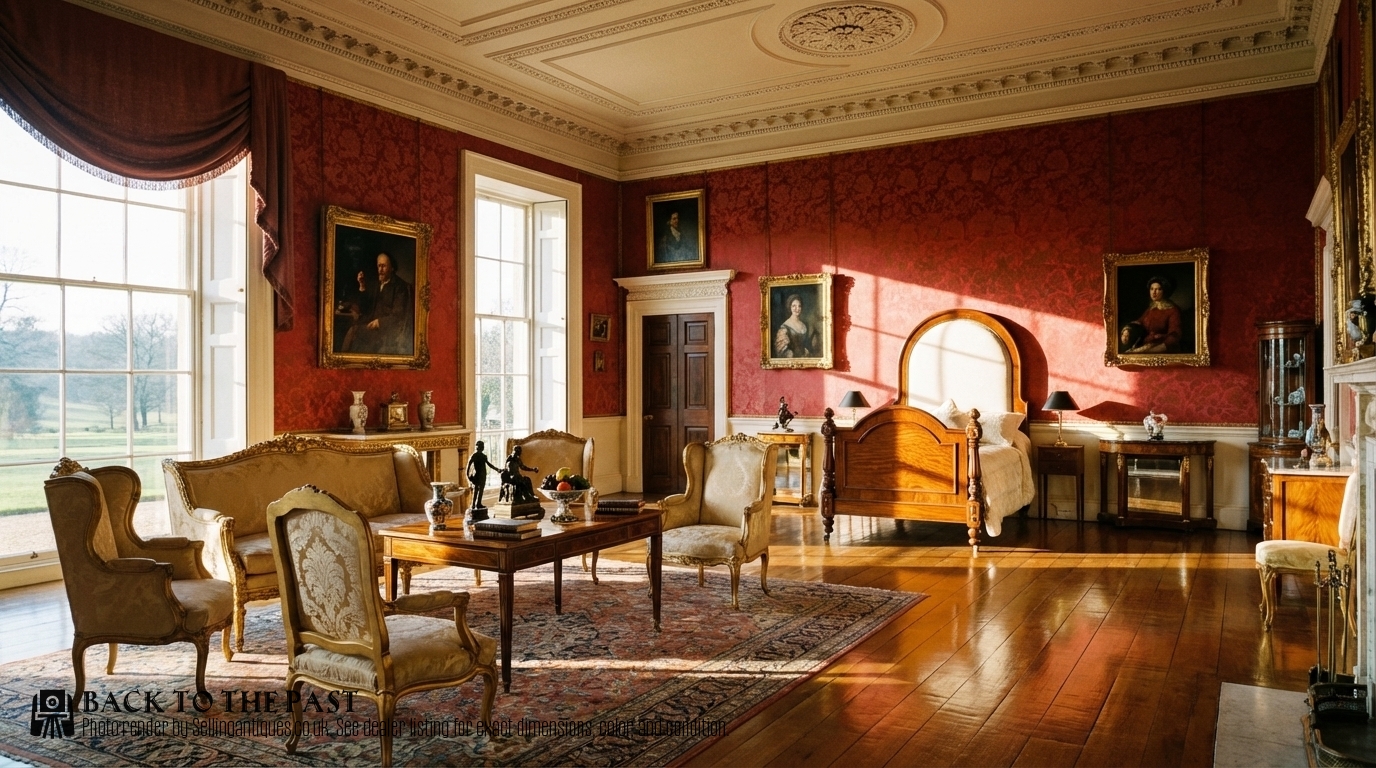
Victorian High Back Mahogany & Upholstered Double Bed, Victorian
Priced at £1,950 from The Antique Furniture Company
The 2026 retail price guide for Antique Mahogany Beds is drawn from a proprietary archive of over 1.1 million retail prices indexed by Sellingantiques since 2003. This guide relies exclusively on their own internal data; no external sources or auction records are used.
Analysing nearly 25 years of UK antique market history alongside current retail values, the data indicates that typical UK retail prices for Antique Mahogany Beds range between £500 and £3,100. Entry-level prices generally fall under £500 and premium examples upwards of £3,100.
Four tall posts often define the earlier antique mahogany beds, designed to hold heavy draped fabrics that kept draughts away from the sleepers.
Turned and reeded foot posts facing the room, paired with plain square head posts that were meant to be hidden by curtains.
Notice the headboards, which are usually plain, single planks in early models before developing into tall panels later on.
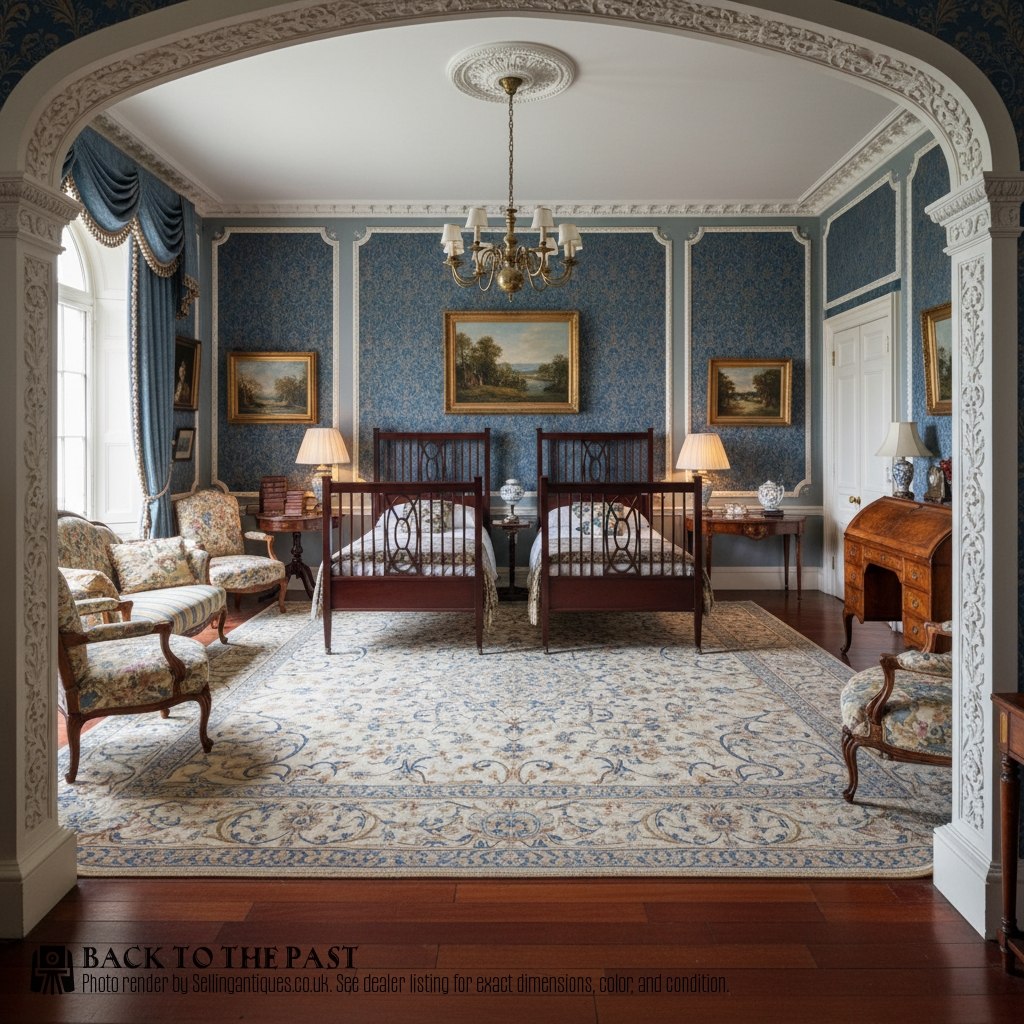
Antique Pair Edwardian Mahogany Single Beds C1900, Edwardian
Priced at £675 from Castleforge Antiques Ltd
Cabinetmakers shaped the posts of antique mahogany beds using foot-treadle lathes, creating crisp rings and baluster shapes before finishing the details with hand chisels.
Observe how early joints use tight mortise and tenon connections glued with hot animal hide, relying on exact wood-to-wood contact.
French polishing arriving in the early nineteenth century, replacing the traditional beeswax finishes with a hard shellac surface built up in layers.
"The sheer density of the timber allows the intricate carvings on the foot posts to remain crisp and sharp after hundreds of years."
"Look for the faint assembly marks stamped or scratched into the hidden ends of the rails, matching them to the correct posts."
"Clever modular designs allowing these massive pieces of furniture to be broken down flat for transport up narrow winding staircases."
Based on almost 25 years of Sellingantiques UK antique market data, Antique Mahogany Beds appeared 1452 times (out of 1,100,000 antiques) which gives it a rarity score of 75/100.
This score measures scarcity within the Sellingantiques archive only and is not a survey of the entire antiques market, so these statistics may not be indicative of the general availability of Antique Mahogany Beds elsewhere.
You can fit a modern mattress onto an antique mahogany bed, though it requires some planning. The internal dimensions of older frames rarely match standard modern mattress sizes exactly.
Most people have a custom mattress made to fit the existing frame. Alternatively, you can use heavy wooden slats resting on the original side rails to support a standard size, provided the frame is wide enough to take it.
Original bed bolts are substantial pieces of forged iron. They are generally much stronger than the modern steel equivalents used in current furniture production.
Provided the threads are not stripped and the bolts tighten firmly into their captive nuts within the rails, they are safe to use. You might find they squeak slightly, which can be solved by applying a little hard wax to the threads before assembly.
Dust the surfaces regularly with a dry cotton cloth. That is usually all an antique mahogany bed requires to keep the wood looking healthy.
Once a year, you can apply a thin coat of clear beeswax. Polish it off with a soft cloth to maintain the shine and protect the original finish.
Start by removing the mattress and the wooden slats. Then take down any canopy framework at the top. You need two people for the next stage to prevent the heavy side rails from twisting and splitting the joints.
Support the side rail from underneath while untightening the bed bolts at both ends. Pull the rail straight out from the posts without dropping it. Label each joint as you go so they go back together in the same corners.
Please note: This Antique Mahogany Beds guide and its associated pricing data are provided for general informational purposes only. It does not constitute formal financial, investment, or appraisal advice and should not be relied upon as the sole basis for any commercial activity, purchasing, or sales decisions. Sellingantiques.co.uk accepts no liability for any actions taken in reliance on this information. Always consult with a qualified professional or independent appraiser.
