


A 2026 Guide by Sellingantiques
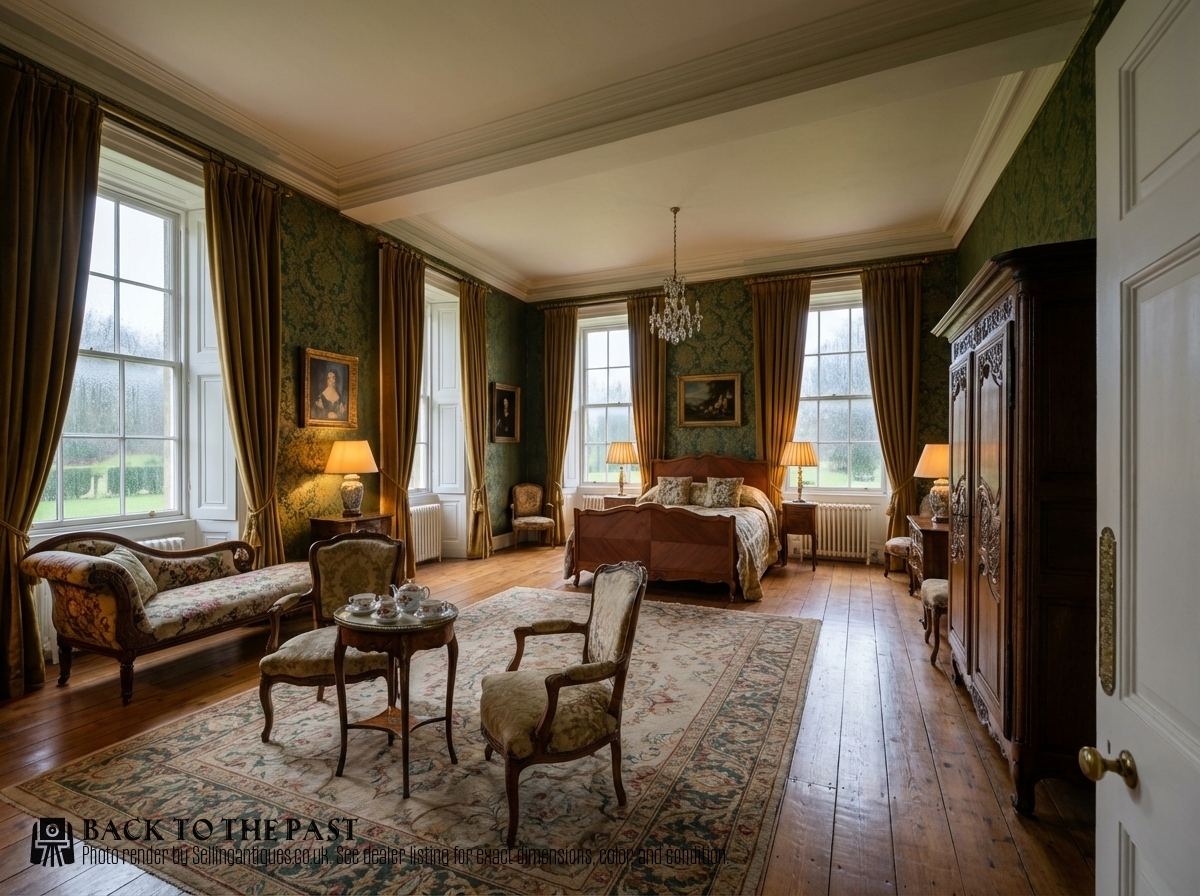
Antique Kind Sized Bed, 1920
Priced at £995 from Simon Charles Antiques
Antique kingsize beds didn't conform to standard sizes until the late nineteenth century.
Wealthy households ordered custom frames to fit specific architectural spaces or existing textiles.
Look at the earlier centuries. Most wide sleeping frames were massive four-posters designed to carry heavy warmth-retaining curtains.
Victorian manufacturers later introduced wide iron and brass models to improve bedroom hygiene.
Mattress supports evolved from simple rope webs to slatted pine bases over time.
Heal & Son produced quality wide frames during the nineteenth and early twentieth centuries in London.
Maple & Co also supplied large brass and wooden beds to late Victorian townhouses.
Many provincial frames carry no maker marks at all, constructed by local joiners for specific clients.
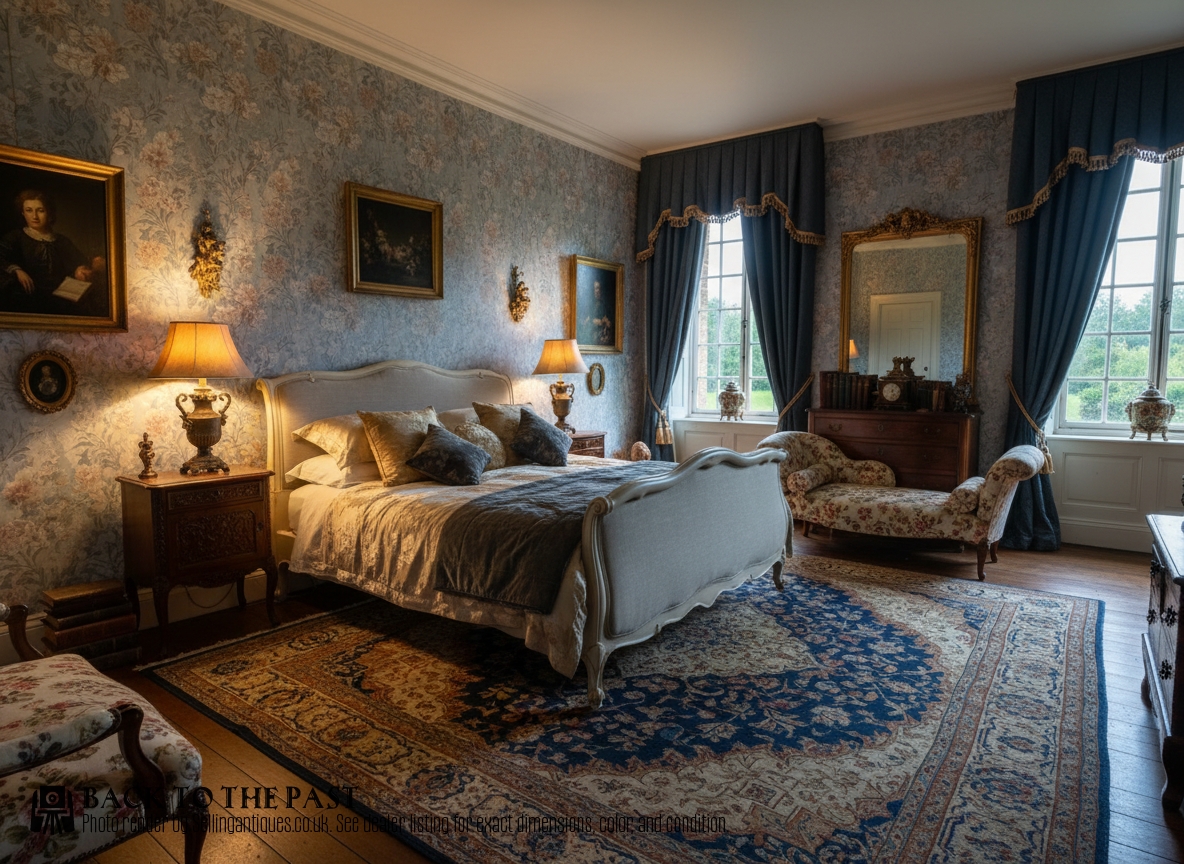
Kingsize Upholstered Bed, 1920
Priced at £1,350 from Youlls Antiques
The 2026 retail price guide for Antique Kingsize Beds is drawn from a proprietary archive of over 1.1 million retail prices indexed by Sellingantiques since 2003. This guide relies exclusively on their own internal data; no external sources or auction records are used.
Analysing nearly 25 years of UK antique market history alongside current retail values, the data indicates that typical UK retail prices for Antique Kingsize Beds range between £1,400 and £3,600. Entry-level prices generally fall under £1,400 and premium examples upwards of £3,600.
Extended width separates antique kingsize beds from standard doubles, measuring roughly five feet across the sleeping platform.
Tall headboards feature prominently to anchor the large frame against a wall.
Don't ignore the side rails. These bear the weight of two adults and a heavy mattress without bowing in the middle.
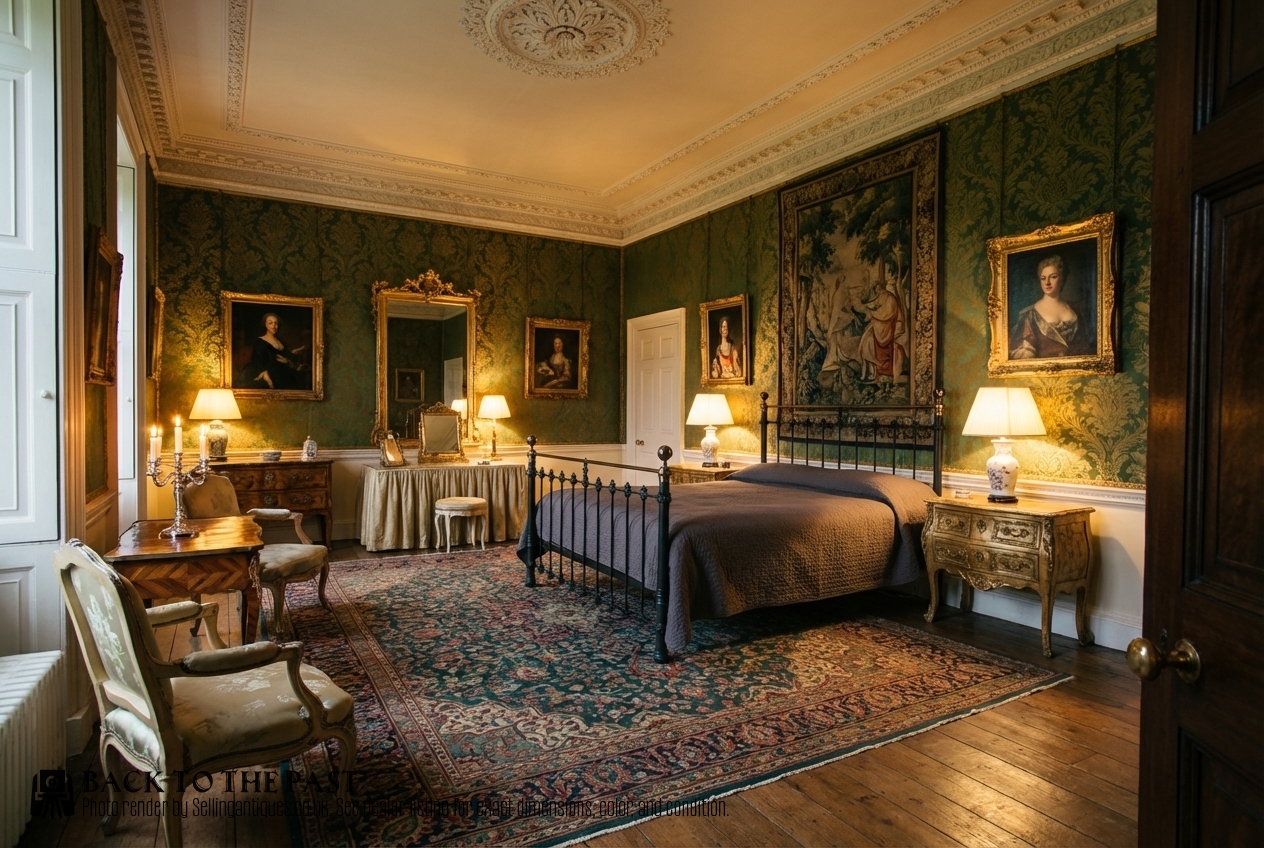
Attractive Brass and Iron Super King Size Bed, 1900
Priced at £2,600 from Bedsteads
Mortice and tenon joints secure the major wooden structural elements on earlier antique kingsize beds.
Heavy iron bolts replaced wooden pegs as frames became easier to dismantle for moving house.
Turners shaped the thick leg posts on lathes to create elaborate baluster profiles.
"Antique frames often dismantle into surprisingly flat, manageable pieces for easy transport."
"The high ground clearance allows for generous under-bed storage space."
"Thick solid timber construction means they handle modern heavy memory foam mattresses with ease."
Based on almost 25 years of Sellingantiques UK antique market data, Antique Kingsize Beds appeared 2286 times (out of 1,100,000 antiques) which gives it a rarity score of 63/100.
This score measures scarcity within the Sellingantiques archive only and is not a survey of the entire antiques market, so these statistics may not be indicative of the general availability of Antique Kingsize Beds elsewhere.
Many late nineteenth-century frames will take a modern five-foot mattress. You might find a small gap at the edges or need a custom foam insert for slightly irregular wooden frames.
Always measure the internal width and length between the rails before buying a mattress. Some provincial beds fall short of modern dimensions.
Wipe the metal with a soft damp cloth to remove dust.
Avoid abrasive metal polishes on lacquered brass beds. These strip the factory coating and expose raw metal to the air.
Squeaks usually come from loose metal bolts where the side rails meet the headboard. Tighten these fittings with a spanner to firm up the structure.
If the noise persists, check the wooden slats under the mattress. Rubbing a dry candle over the ends of the slats sometimes stops the timber grinding.
Original timber rails from the nineteenth century are typically thick and strong. They support heavy mattresses without trouble as long as the wood has no rot or deep splits.
Inspect the brackets on the ends of the rails. If the metal joints remain firmly attached to the wood, you don't need a separate interior frame.
Please note: This Antique Kingsize Beds guide and its associated pricing data are provided for general informational purposes only. It does not constitute formal financial, investment, or appraisal advice and should not be relied upon as the sole basis for any commercial activity, purchasing, or sales decisions. Sellingantiques.co.uk accepts no liability for any actions taken in reliance on this information. Always consult with a qualified professional or independent appraiser.
