


A 2026 Guide by Sellingantiques
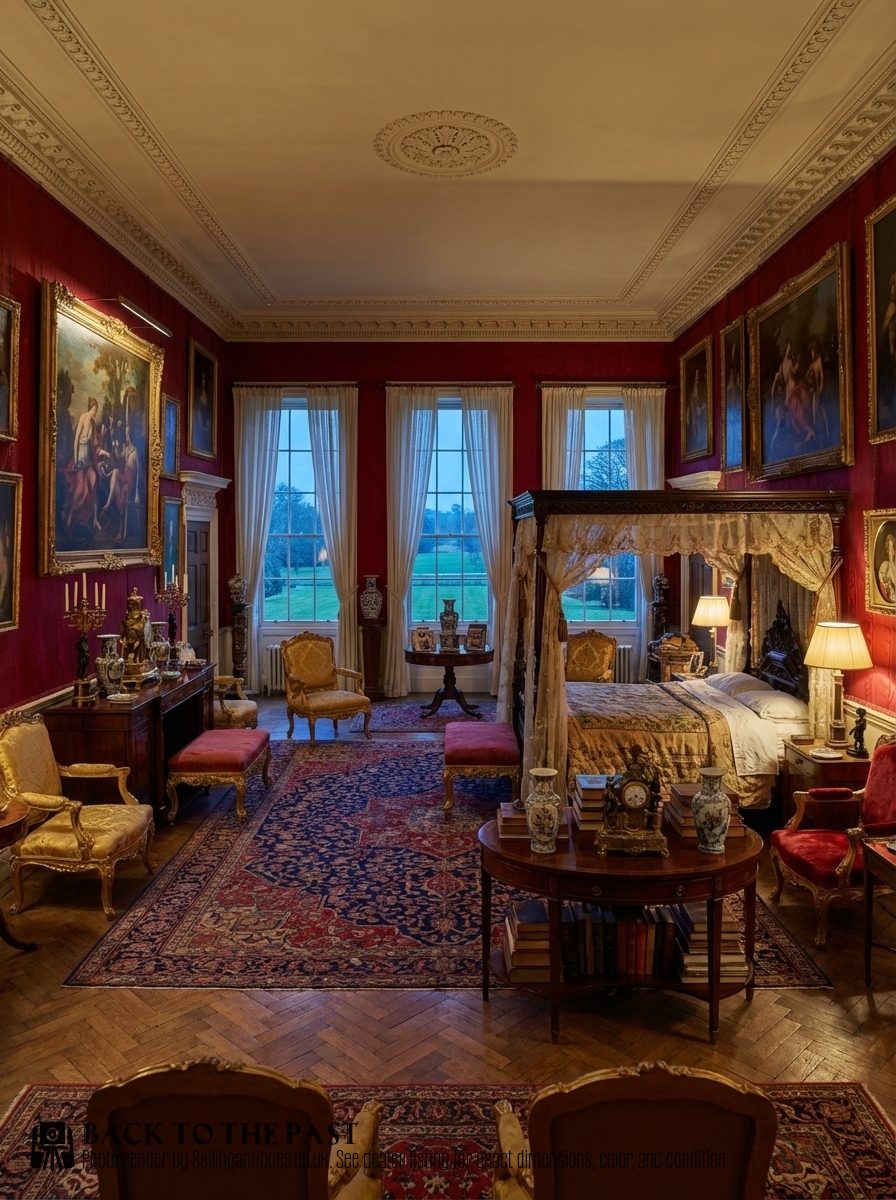
A 19th Century Colonial Mahogany Four Poster Bed, 19th Century
Priced at £2,500 from Country Homes Antiques Stirling
Early examples belonged exclusively to wealthy households. Curtains mattered far more than the timber frame itself, acting as status symbols in great houses.
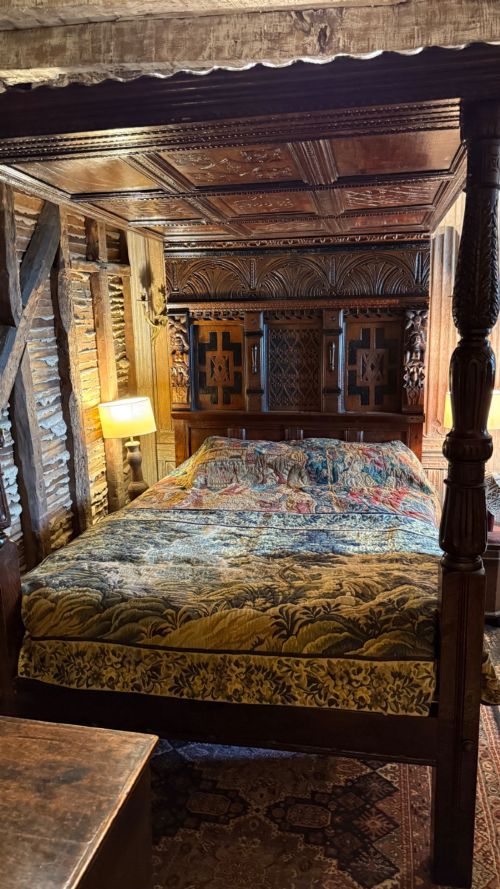
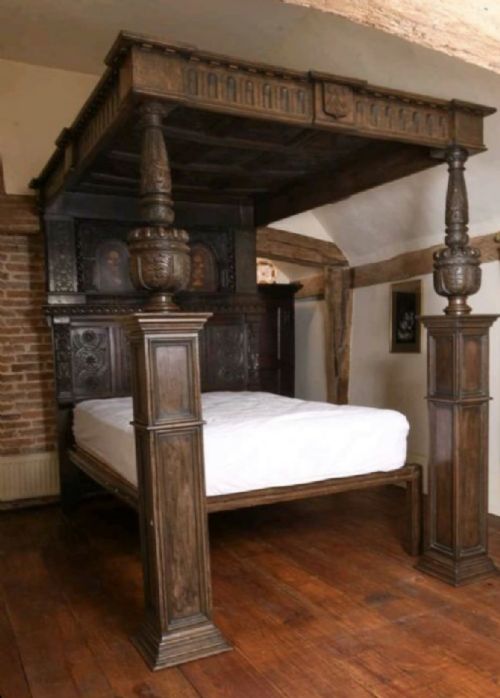
Look for shifting proportions through the centuries. Heavy Tudor carved oak gave way to slender mahogany poles by the late Georgian period.
Sleeping in an antique four poster bed meant staying warm. Thick drapery blocked winter draughts across large estate chambers.
Portability drove much of the design. Estates often dismantled the frames to move them between seasonal residences along with the household textiles.
Thomas Chippendale supplied several grand examples to clients like Dumfries House. His firm produced both the carved timber frames and the elaborate textile hangings.
Gillows of Lancaster shipped hundreds of these beds across Britain during the late eighteenth and nineteenth centuries. Their pattern books show standard structural designs.
Regional carpenters built most surviving stock. Provincial tradesmen turned local ash and oak into simpler versions for minor gentry and prosperous farmers.
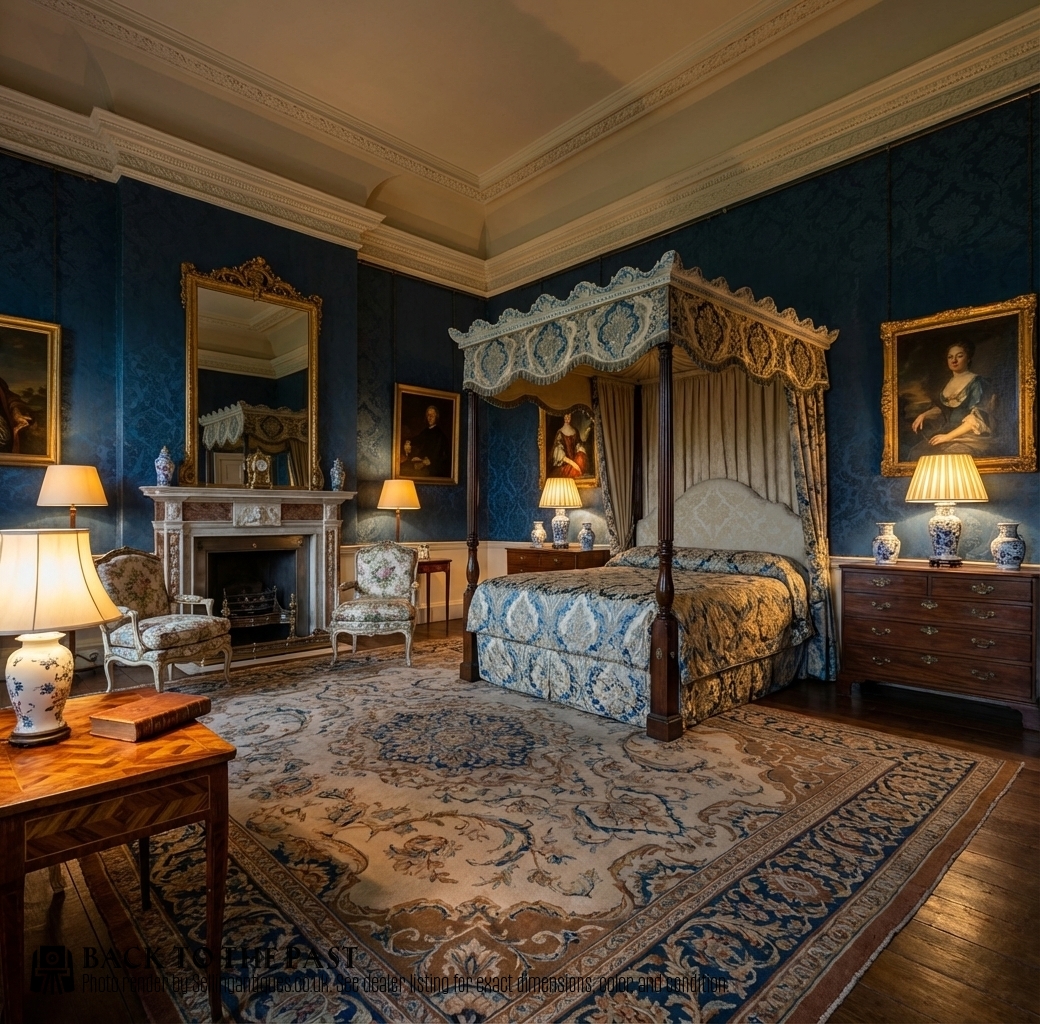
18th C Chippendale 4 Poster Bed - King Size, 18th Century
Priced at £16,800 from Blank Canvas Antiques
The 2026 retail price guide for Antique Four Poster Beds is drawn from a proprietary archive of over 1.1 million retail prices indexed by Sellingantiques since 2003. This guide relies exclusively on their own internal data; no external sources or auction records are used.
Analysing nearly 25 years of UK antique market history alongside current retail values, the data indicates that typical UK retail prices for Antique Four Poster Beds range between £2,200 and £14,600. Entry-level prices generally fall under £2,200 and premium examples upwards of £14,600.
Tall posts define the form. The front pillars usually feature heavy turning or carving, while the headboard posts remain plain because curtains hid them.
A tester sits across the top. This wooden framework supports the flat fabric canopy and outer valances.
Check the lower rails connecting the posts. Many antique four poster beds retain wooden pegs or rope holes for the original mattress support system.
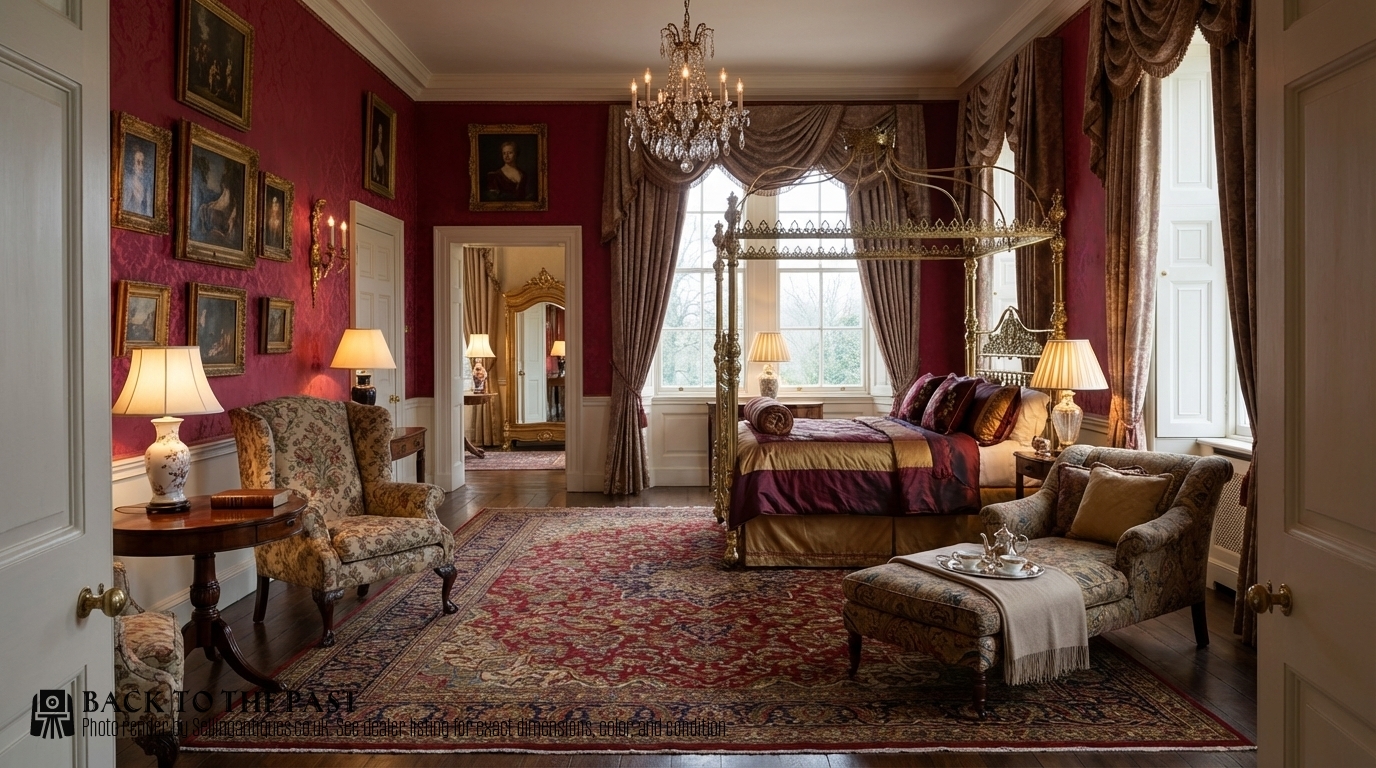
Magnificent All Brass Four Poster Bed, 1870
Priced at £18,000 from Seventh Heaven
Traditional mortise and tenon joints hold the headboards together. Craftsmen pegged these sections tightly to prevent the heavy frame swaying during use.
The upright posts often split into separate sections. Wooden threads or iron dowels join the turned middle shafts to the square lower blocks.
Look closely at the carved detailing on later mahogany columns. Cabinetmakers used specialized lathes to cut crisp reeding and spiral twists into the solid timber.
"Many frames scale down neatly for modern rooms. A skilled cabinetmaker can reduce the post height without losing the original proportions or carved details."
"The plain back posts offer a blank canvas. Owners historically wrapped them tightly in matching fabric to tie the whole decorative scheme together."
"Surviving antique four poster beds adapt easily to standard mattress sizes. Bespoke bases drop straight onto the original side rails for immediate use."
Based on almost 25 years of Sellingantiques UK antique market data, Antique Four Poster Beds appeared 356 times (out of 1,100,000 antiques) which gives it a rarity score of 93/100.
This score measures scarcity within the Sellingantiques archive only and is not a survey of the entire antiques market, so these statistics may not be indicative of the general availability of Antique Four Poster Beds elsewhere.
Most period frames require a custom base to hold a modern mattress. The original side rails sit too wide or too narrow for standard retail sizes.
Cabinetmakers usually build a slatted wooden insert that rests on the historical ledges. You can then drop a standard mattress right into the centre without altering the antique wood.
Reducing the height is common practice. The posts on many late Georgian and Victorian examples separate at the joints, making them relatively simple to shorten.
A restorer will usually take a section out of the plain lower blocks. This preserves the detailed turning and carving on the upper sections where it matters most.
The canopy fabrics staple or tack directly onto the soft pine frame of the tester. You usually need an upholsterer to fit them properly.
Sometimes brass rails sit hidden behind the wooden cornice. This allows the side curtains to draw back during the day on small metal rings.
These beds were designed to be dismantled. Large iron bolts hold the side and end rails to the four corner posts.
You simply unbolt the frame and lift the top canopy off in sections. Two people can usually pack the entire structure flat in under an hour once the mattress is removed.
Make sure to number the joints before you separate them. The historic bolts wear to fit specific holes over the centuries.
Please note: This Antique Four Poster Beds guide and its associated pricing data are provided for general informational purposes only. It does not constitute formal financial, investment, or appraisal advice and should not be relied upon as the sole basis for any commercial activity, purchasing, or sales decisions. Sellingantiques.co.uk accepts no liability for any actions taken in reliance on this information. Always consult with a qualified professional or independent appraiser.
