
There are no results to show on this page for that combination of filters:
Antique Brass Beds in North East & Yorks
A 2026 Guide by Sellingantiques
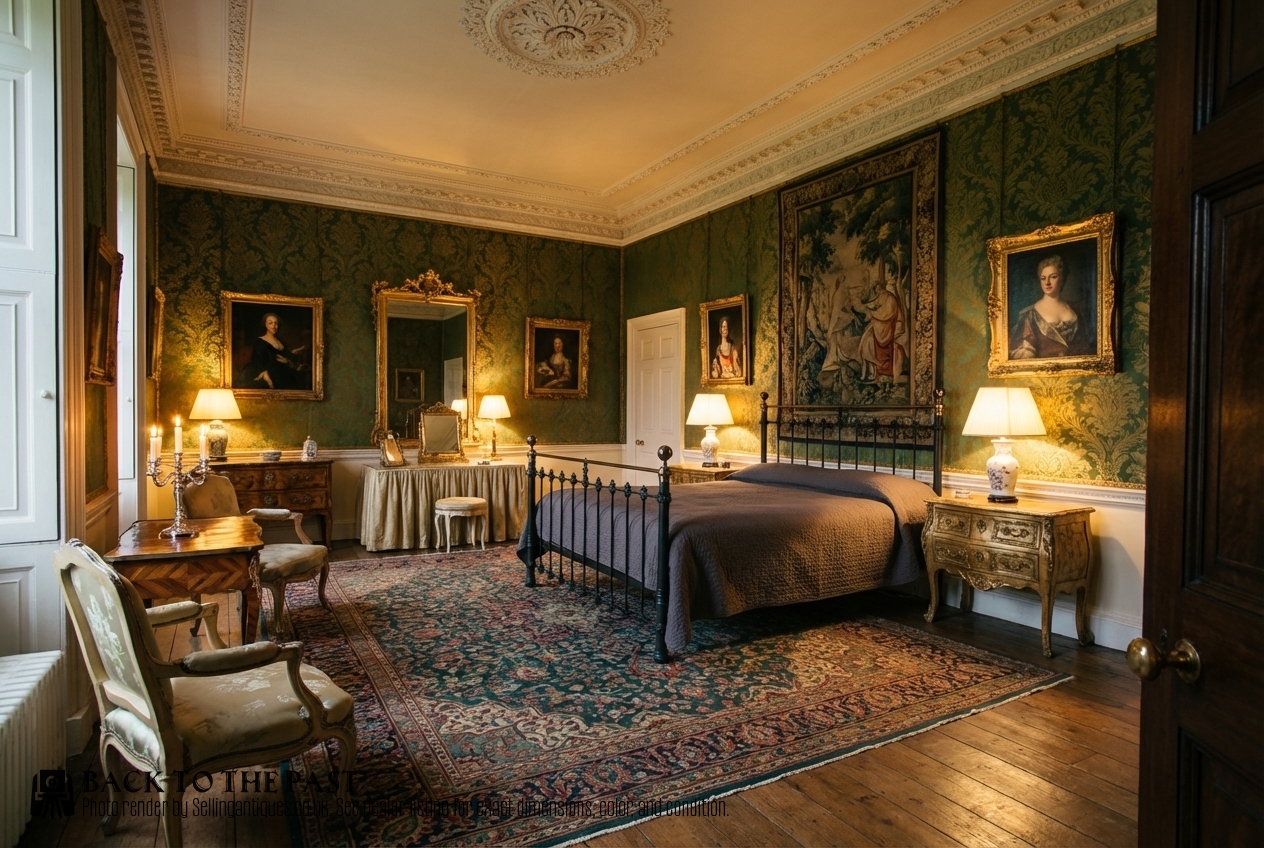
Attractive Brass and Iron Super King Size Bed, 1900
Priced at £2,600 from Bedsteads
Early Victorian households embraced antique brass beds. They answered a sudden demand for sanitary bedroom furniture.
Wrought or cast iron often formed the core frame. Solid brass examples survive, though they appear less frequently today.
Watch for elaborate designs appearing towards the late nineteenth century.
Factory production stopped during the First World War due to severe domestic metal shortages.
Birmingham-based R.W. Winfield dominated the early metallic bedstead trade. The firm showed important tube-formed designs at the 1851 Great Exhibition.
Peyton & Peyton ran a large export business based on patented dovetail joint systems.
Look out for Hoskins & Sewell. They supplied huge numbers of brass-trimmed iron bedsteads to domestic households and institutions alike.

Gorgeously Detailed French All Brass Double Bed, 1900
Priced at £1,560 from Bedsteads
The 2026 retail price guide for Antique Brass Beds is drawn from a proprietary archive of over 1.1 million retail prices indexed by Sellingantiques since 2003. This guide relies exclusively on their own internal data; no external sources or auction records are used.
Analysing nearly 25 years of UK antique market history alongside current retail values, the data indicates that typical UK retail prices for Antique Brass Beds range between £1,000 and £3,000. Entry-level prices generally fall under £1,000 and premium examples upwards of £3,000.
Stamped joints known as husks connect the rods. These neatly hide the rough internal iron structural connections.
Heavy finials sit at the top of the main corner posts. Shapes range from simple stamped spheres to heavy cast urns.
Side rails usually consist of thick iron beams terminating in tapered wedge fittings.
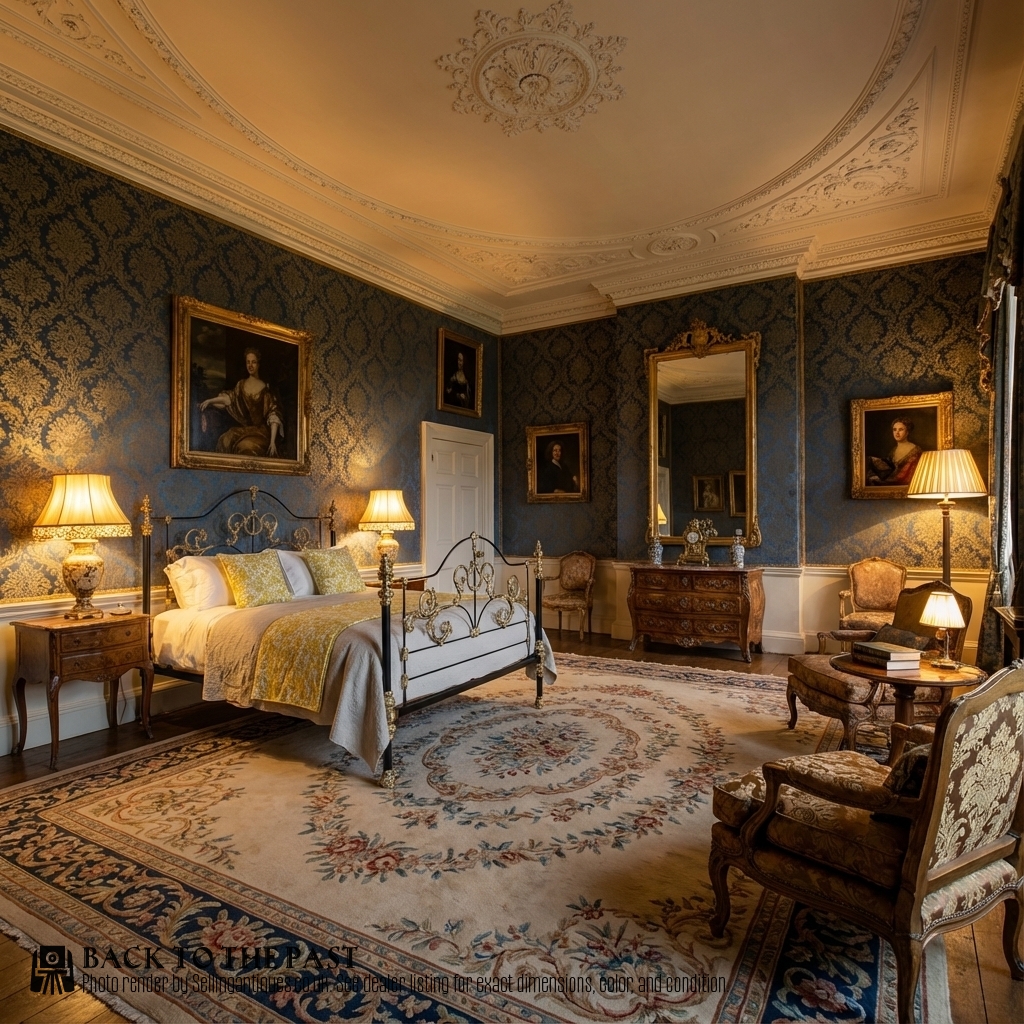
King Size Brass and Cast Iron Bed, Victorian
Priced at £3,975 from Seventh Heaven
Early forms relied on solid bars bent into simple curves, giving them a heavy physical weight.
Tubing later replaced solid rod. Hollow sections cut the overall weight and allowed tighter decorative bends.
Look at the spun metal cladding used by late Victorian makers. It gave the bright appearance of pure brass over a cheap iron core.
"Folding versions exist. Clever makers produced hinged travel bedsteads designed specifically for military officers on active campaigns."
"The hollow posts often hide a solid iron tension rod. This invisible core keeps the whole structure pulled tightly together."
"Victorian trade catalogues often sold frames in separate components. A buyer could select different head and foot designs to order."
Based on almost 25 years of Sellingantiques UK antique market data, Antique Brass Beds appeared 2243 times (out of 1,100,000 antiques) which gives it a rarity score of 64/100.
This score measures scarcity within the Sellingantiques archive only and is not a survey of the entire antiques market, so these statistics may not be indicative of the general availability of Antique Brass Beds elsewhere.
Use a soft cloth to dust the frame. If the original lacquer remains intact, harsh metal polishes will strip it away and ruin the aged patina.
For stubborn marks on unlacquered metal, apply a mild brass cleaner with fine wire wool. Work gently along the length of the tubing rather than scrubbing in hard circles.
Most of them sat high. The Victorians favoured deep horsehair mattresses piled on top of a sprung base, which added substantial height to the sleeping surface.
Modern mattresses tend to be much thinner. If you put a contemporary foam mattress on an antique frame, the bed will sit noticeably lower than the original maker intended.
Antique dimensions rarely match modern standards. A Victorian double often runs slightly narrower and shorter than today's equivalent sizes.
Many buyers commission a custom-made mattress. This ensures it sits neatly and safely inside the heavy corner posts.
The side rails rely on a gravity-fed wedge joint. Turn the rail over and check the tapered cast iron drop-in fitting at each end.
Years of use often wears these tapers down. You can fix the wobble by slipping a thin metal shim or a piece of card into the joint before you drop the rail into the post socket.
Please note: This Antique Brass Beds guide and its associated pricing data are provided for general informational purposes only. It does not constitute formal financial, investment, or appraisal advice and should not be relied upon as the sole basis for any commercial activity, purchasing, or sales decisions. Sellingantiques.co.uk accepts no liability for any actions taken in reliance on this information. Always consult with a qualified professional or independent appraiser.
