
A 2026 Guide by Sellingantiques

19th Century Porcelain Portrait Plaque, 19th Century
Priced at £580 from Treaders Collectables
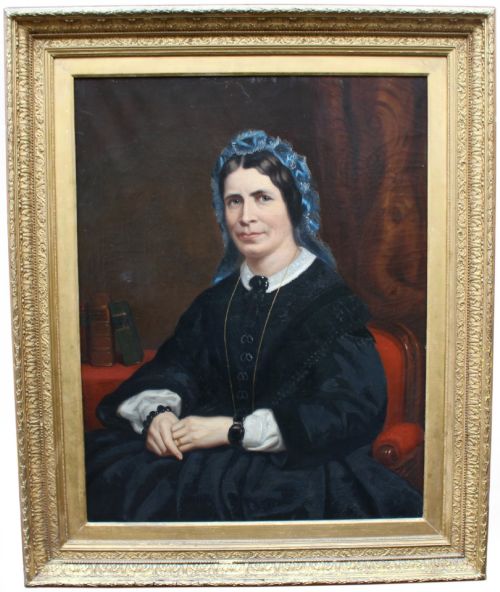
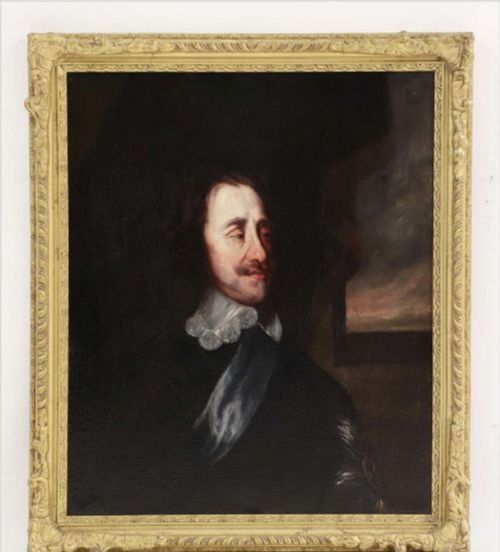
Commissioned long before cameras existed, they served as the primary visual record of a person.
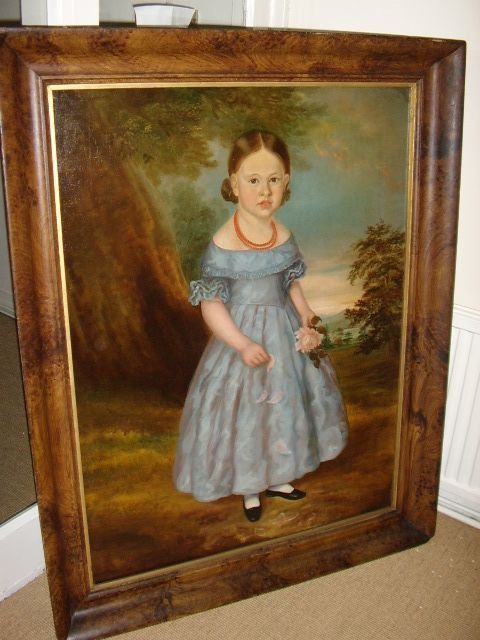
Look at the clothing styles and hairstyles to help date early examples, as fashion shifted decade by decade.
Wealthy families ordered large antique portraits to hang in grand houses, ensuring visitors understood their social standing and lineage.
Painted miniatures served a more private purpose, often kept close in pockets or worn as intimate jewellery.
Joshua Reynolds produced hundreds of society portraits in eighteenth-century London, though he regularly employed studio assistants for the drapery.
Thomas Gainsborough worked in the same era but painted looser, feathery backgrounds behind his subjects.
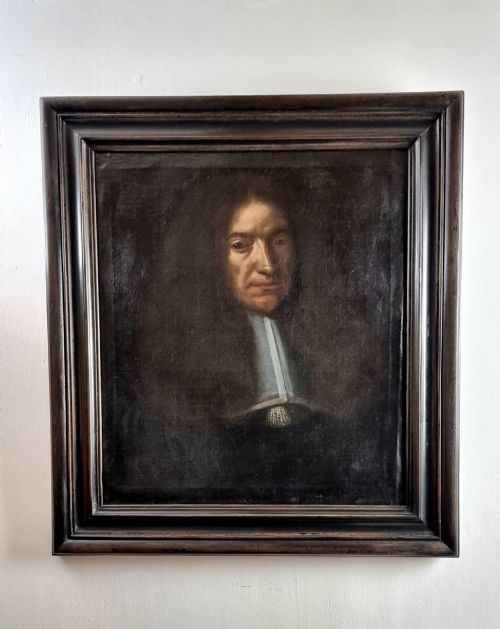
Countless antique portraits carry no signature at all, painted by travelling provincial artists known as itinerants.

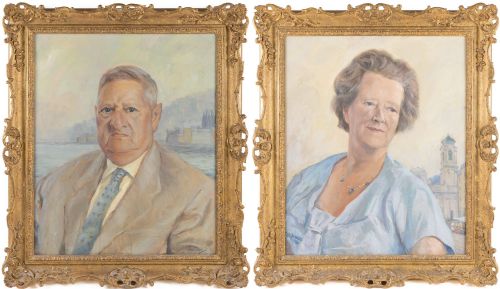
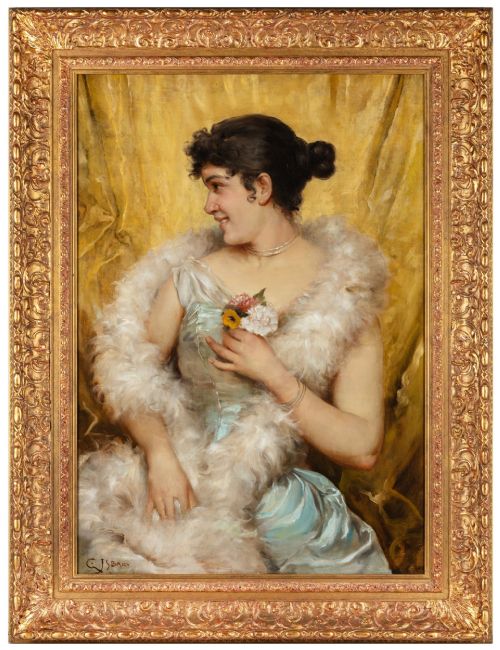
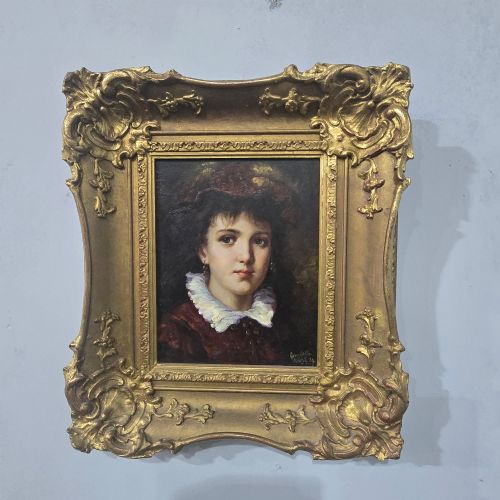
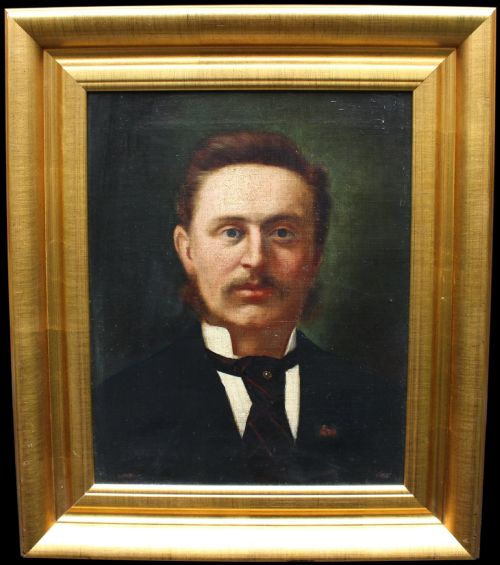
Antonin Mercié (French, 1845–1916) Belle Époque Portrait, 1900
Priced at £995 from Fox Fine Art
The 2026 retail price guide for Antique Portraits is drawn from a proprietary archive of over 1.1 million retail prices indexed by Sellingantiques since 2003. This guide relies exclusively on their own internal data; no external sources or auction records are used.
Analysing nearly 25 years of UK antique market history alongside current retail values, the data indicates that typical UK retail prices for Antique Portraits range between £400 and £8,500. Entry-level prices generally fall under £400 and premium examples upwards of £8,500.
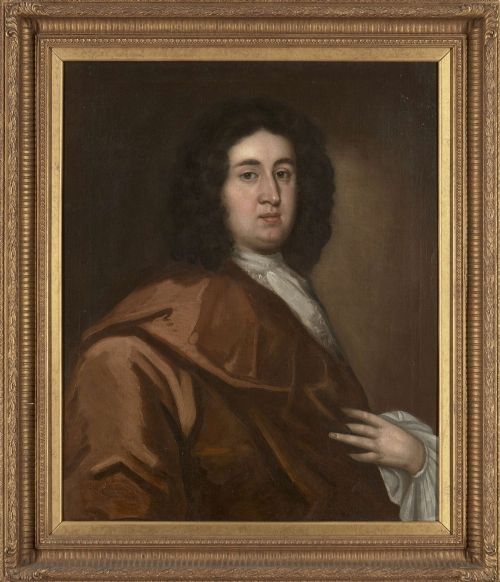
Posture dictates the composition, with sitters usually arranged in three-quarter profile rather than facing directly forward.
Backgrounds tell a story. You might spot a draped curtain, a distant landscape, or a plain dark void behind the figure.
Props held by the sitter, like books or riding crops, indicate their profession or hobbies.

Large 19th Century Oval Pastel Drawing French Female Portrait, 19th Century
Priced at £280 from Roger Bradbury Antiques
Artists built up the likeness in thin layers, starting with a monochrome underpainting to establish light and shadow.
Mixing flesh tones required a complex blend of lead white, vermilion, and yellow ochre.
Observe the brushwork carefully. It generally transitions from very tight and flat in early periods to thick, visible strokes later on.
"Artists found clever ways to recycle, sometimes painting a brand new face directly over a previous sitter to make the most of expensive canvas."
"Sitters occasionally had their paintings updated decades later to reflect a change in fashion, allowing their likeness to remain stylish for later generations."
"Animals occasionally share the frame with the sitter, acting as symbols of loyalty or aristocratic land ownership."
Based on almost 25 years of Sellingantiques UK antique market data, Antique Portraits appeared 15924 times (out of 1,100,000 antiques) which gives it a rarity score of 4/100.
This score measures scarcity within the Sellingantiques archive only and is not a survey of the entire antiques market, so these statistics may not be indicative of the general availability of Antique Portraits elsewhere.
Dust the surface very lightly with a soft, dry brush. Never use water or household cleaning sprays, as moisture will penetrate the fine cracks and lift the paint layer.
If the varnish has yellowed heavily, leave the removal to a professional restorer. They use specific solvent blends tested on small corners to dissolve the old layer without harming the pigments beneath.
Most antique portraits from the eighteenth and nineteenth centuries lack a signature. Artists often viewed themselves as tradesmen rather than celebrated figures, so they left their work unmarked.
A plain surface without a name does not diminish the decorative appeal. A well-painted provincial portrait still offers a strong focal point for a room, bringing history and character to your walls.
Look instead at the quality of the face and the condition of the canvas. Strong eyes and a detailed costume matter far more to collectors than a signature.
Relining is a structural repair used when the original fabric becomes too brittle. A restorer attaches a strong new piece of linen directly to the back.
This stabilises the tension and stops flaking. You can spot it easily, as the reverse of the canvas will look far newer than the wooden stretcher.
That network of fine lines is called craquelure. It happens naturally as the oil layers dry, shrink, and expand with the underlying canvas over many decades.
Leave it exactly as it is. Attempting to fill or paint over these small fissures ruins the historic surface of the antique portrait.
Collectors actually look for this pattern. It provides character, confirms the age of the materials, and shows the painting has survived without heavy-handed interference.
Please note: This Antique Portraits guide and its associated pricing data are provided for general informational purposes only. It does not constitute formal financial, investment, or appraisal advice and should not be relied upon as the sole basis for any commercial activity, purchasing, or sales decisions. Sellingantiques.co.uk accepts no liability for any actions taken in reliance on this information. Always consult with a qualified professional or independent appraiser.
