

A 2026 Guide by Sellingantiques

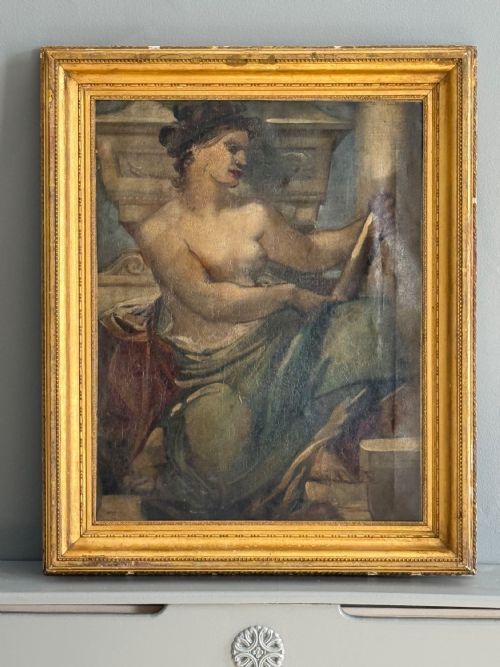
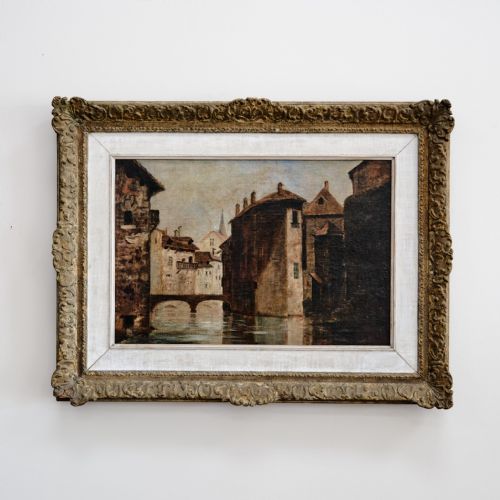
Antique Victorian Quality Oil Painting by C R Breytle
, 1880
Priced at £1,850 from London City Antiques
Look at the evolution of pigments from ground minerals in early works to the tubed paints of the nineteenth century.
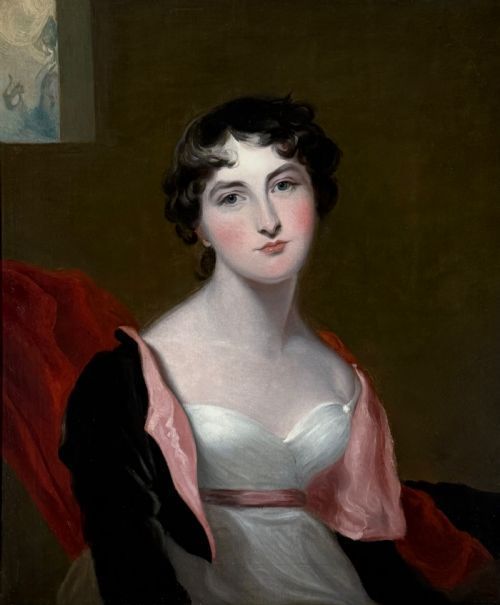
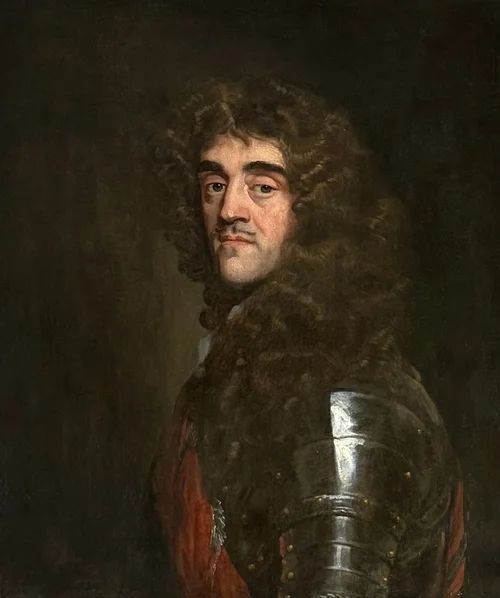
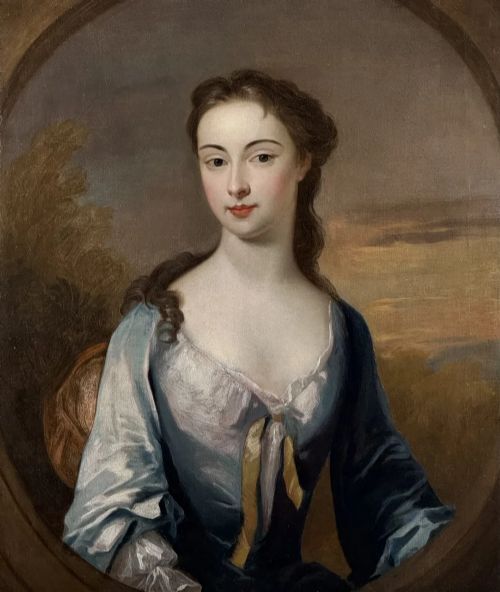
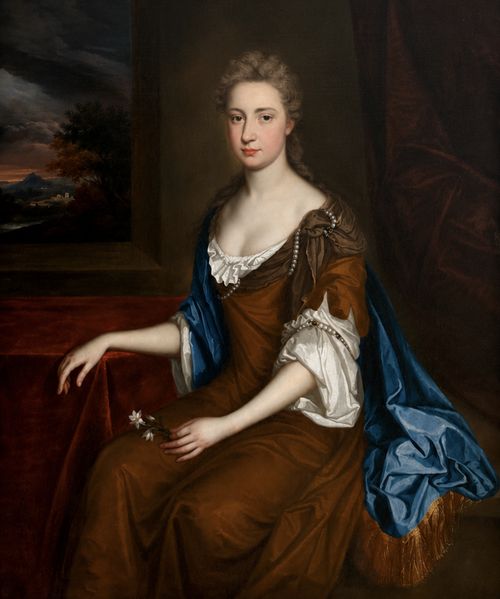
A shift in subjects over time. Religious scenes dominated early on, before portraits and landscapes became the primary focus for most antique oil paintings.
The Dutch Golden Age established genre painting as a standard, bringing everyday scenes to middle-class walls across Europe.
Patrons frequently dictated the composition to the artist, specifying everything from the sitters' poses to the background details.
Industrialisation changed the trade, allowing painters to work outdoors and capture light in new ways.
Joshua Reynolds ran a massive operation in eighteenth-century London, employing drapery painters to finish the garments on his portraits.
Look out for the distinct influence of Thomas Gainsborough in late eighteenth-century British landscapes. His feathery brushstrokes defined a generation of followers.
Countless provincial artists worked outside the main academy circles, travelling between market towns to capture likenesses of local squires.

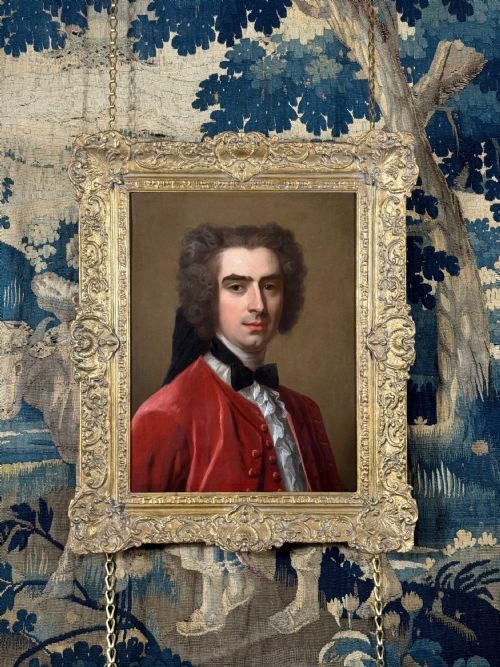
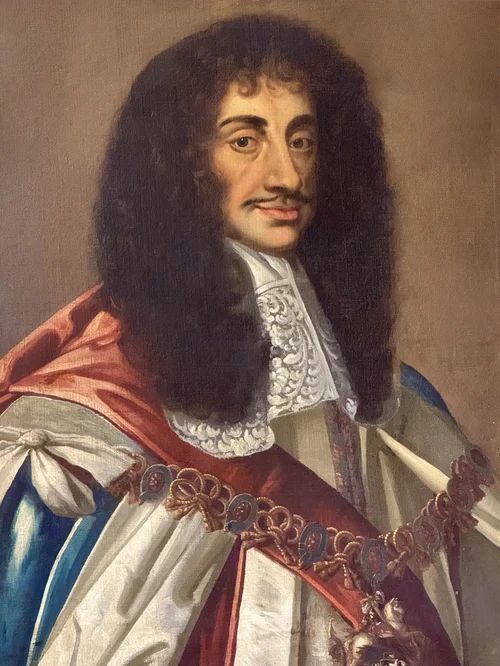
Oil Painting Pair by Hermann Armin Kern "The Trumpeter and the Smoker", 19th Century
Priced at £3,500 from Walton House Antiques
The 2026 retail price guide for Antique Oil Paintings is drawn from a proprietary archive of over 1.1 million retail prices indexed by Sellingantiques since 2003. This guide relies exclusively on their own internal data; no external sources or auction records are used.
Analysing nearly 25 years of UK antique market history alongside current retail values, the data indicates that typical UK retail prices for Antique Oil Paintings range between £500 and £6,000. Entry-level prices generally fall under £500 and premium examples upwards of £6,000.
Notice the texture of the brushwork on the surface. Thick application creates a raised effect known as impasto.
Most antique oil paintings sit within heavy giltwood frames, sometimes with plaster mouldings added to the corners.
Layers of natural resin varnish applied over the finished work. This gave a unified gloss but often yellowed heavily over the decades.
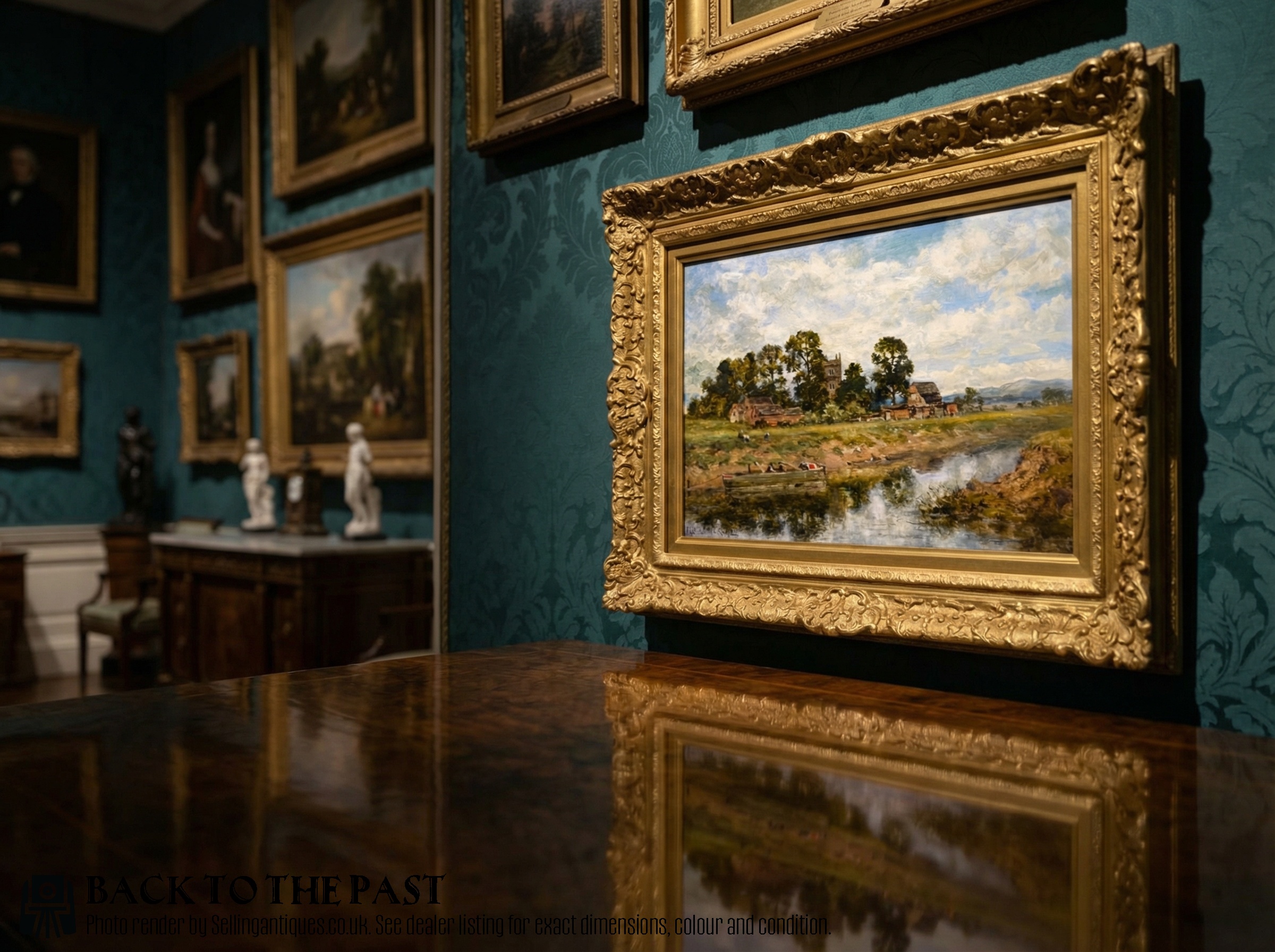
Landscape Oil Painting of the River Severn Below Worcester by Benjamin Williams Leader, 1920
Priced at £4,200 from Benton Fine Art
Traditional studio practice involved building the image slowly through layers, starting with a monochrome underpainting to establish the shadows.
Consider the shift when metal paint tubes arrived in the mid-nineteenth century. Artists could finally leave the studio to paint scenes outdoors.
A gradual loosening of brushwork over the centuries. Rigid blending gave way to visible strokes that left the maker's process clear to see.
"Many antique oil paintings conceal earlier compositions beneath the surface, where the artist simply painted over a discarded sketch."
"Turn a canvas over and you often find gallery labels, exhibition numbers, or framers' stamps detailing its journey through history."
"Walnut oil was preferred by some early artists for white pigments because it yellowed less over time than linseed oil."
Based on almost 25 years of Sellingantiques UK antique market data, Antique Oil Paintings appeared 29499 times (out of 1,100,000 antiques) which gives it a rarity score of 1/100.
This score measures scarcity within the Sellingantiques archive only and is not a survey of the entire antiques market, so these statistics may not be indicative of the general availability of Antique Oil Paintings elsewhere.
Surface dusting with a soft, dry brush is generally safe for an antique oil painting. You should use a clean, natural-bristle brush and work lightly across the surface to remove loose dirt. Avoid applying any pressure that might flake the paint.
Anything beyond light dusting requires a professional conservator. Household cleaning products or water will cause irreversible damage to the varnish and the canvas beneath.
A conservator can mend tears by patching or lining the back of the canvas. They align the broken threads under a microscope before applying a stable adhesive to hold the structure firm.
Once the canvas is stable, they fill the gap with a synthetic chalk mixture. The missing section is then retouched using reversible conservation paints, ensuring the new work blends with the original surface.
They rarely need glass and historically sit open to the room. The varnish layer provides all the necessary protection against dust and minor abrasions.
Adding glazing alters how the texture catches the light. If you do add glass, a spacer must keep it from touching the paint surface.
Tape is a terrible idea for securing any canvas. Adhesives break down over time, leaving a stubborn residue that damages the wooden stretcher and the frame.
Instead, use small brass offset clips screwed directly into the frame. These hold the stretcher securely without piercing the antique wood.
You can pad the metal contact points with small pieces of archival felt. This stops the rattling and protects the stretcher from wear.
Please note: This Antique Oil Paintings guide and its associated pricing data are provided for general informational purposes only. It does not constitute formal financial, investment, or appraisal advice and should not be relied upon as the sole basis for any commercial activity, purchasing, or sales decisions. Sellingantiques.co.uk accepts no liability for any actions taken in reliance on this information. Always consult with a qualified professional or independent appraiser.
