It was listed by Titan Fine Art. Sold pieces stay on Sellingantiques as a record of what has passed through, and the next one is rarely far away.
Titan Fine Art has dated this Jacobean Oil Painting to the 17th Century.
She was named Elizabeth in honour of the then-ageing English Queen, Elizabeth I, who had remained childless. Charles, the younger brother of his sister by four years, was perceived as feeble and improbable to live through to adulthood. Consequently, James placed his aspirations for the continuation of the dynasty and the marriages of his children in his eldest son, Henry Frederick, and his delightful daughter, Elizabeth. To all intents and purposes, Elizabeth had a happy upbringing at Linlithgow Palace, situated 15 miles west of Edinburgh, and one of the grandest of Scotland’s royal residences.
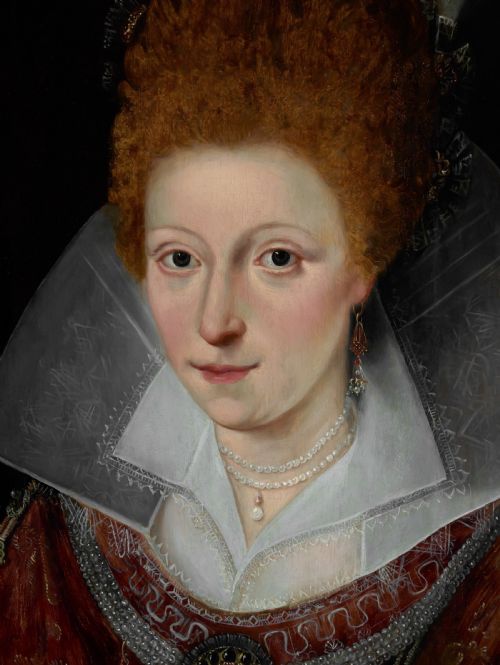
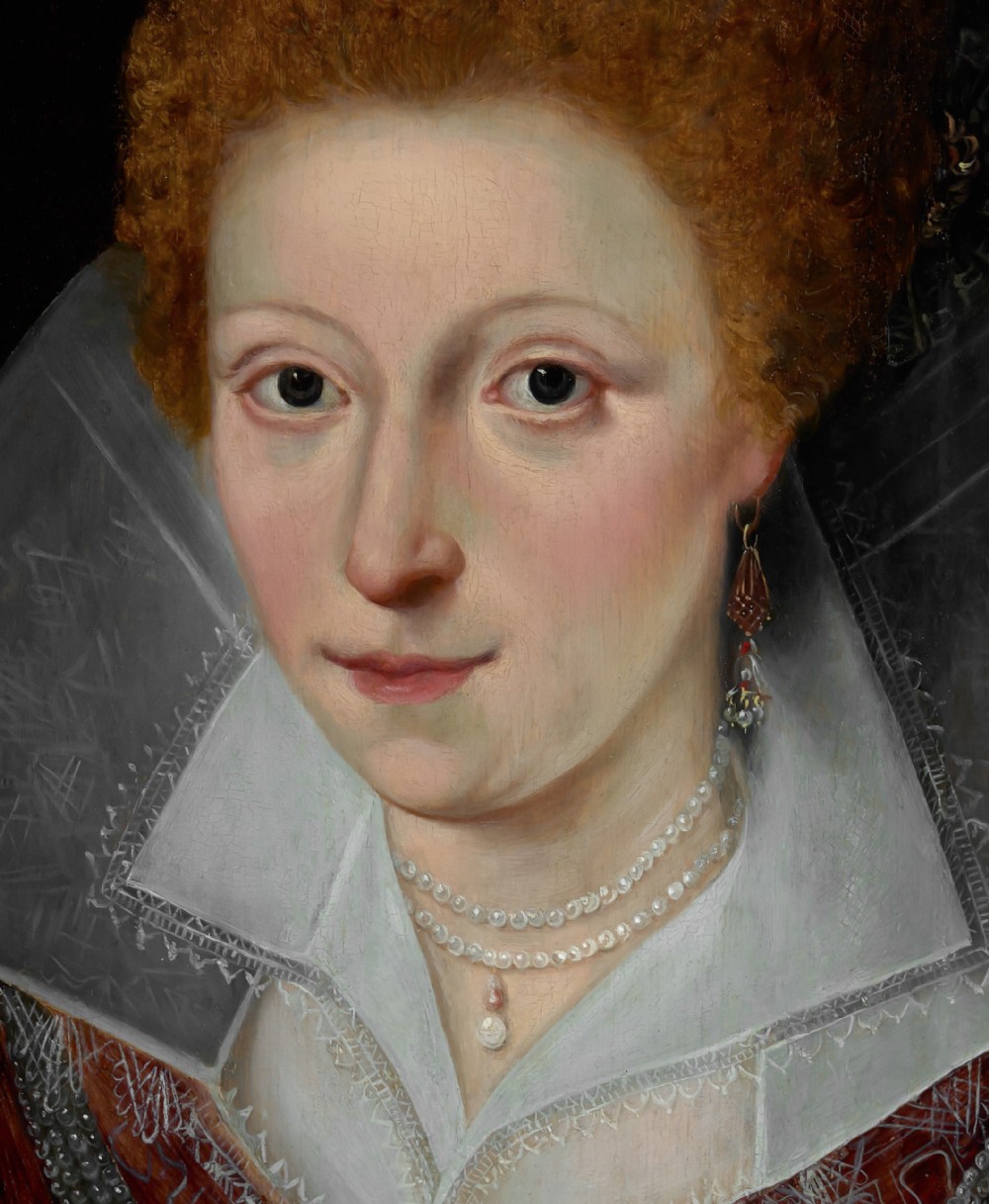
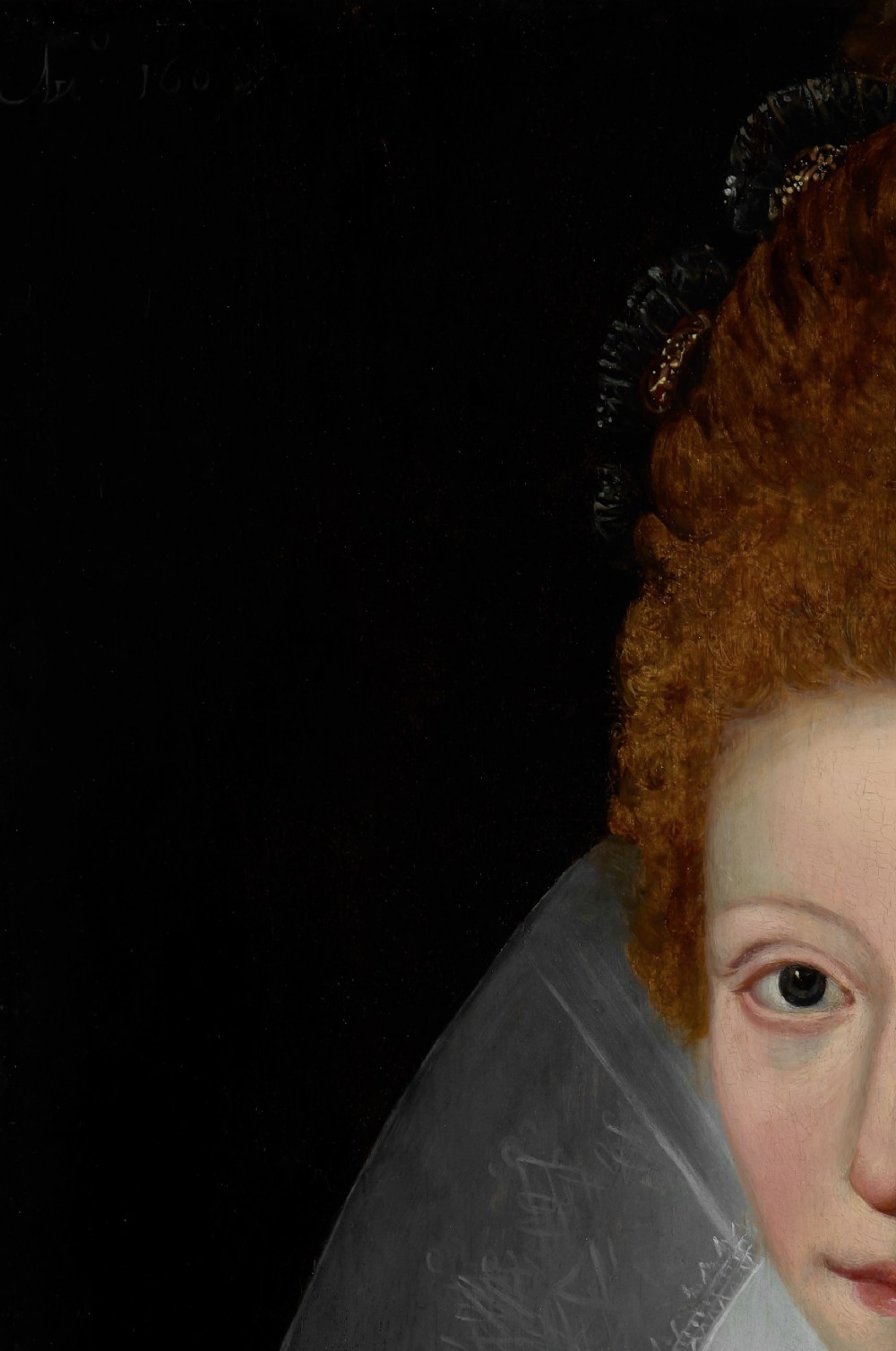
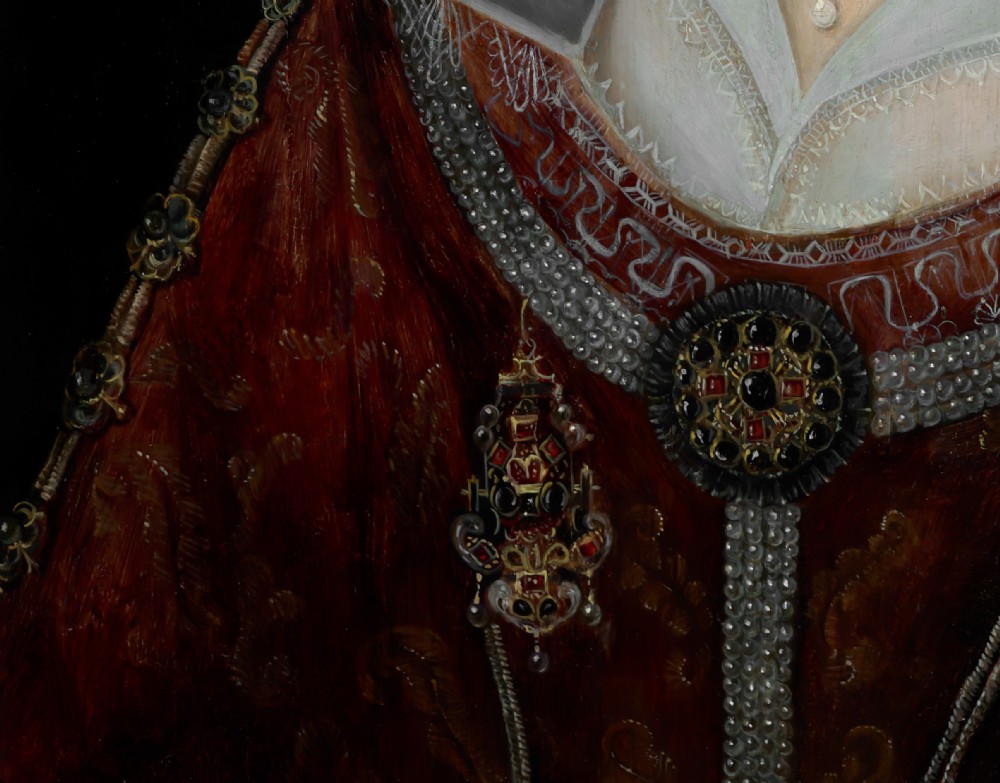
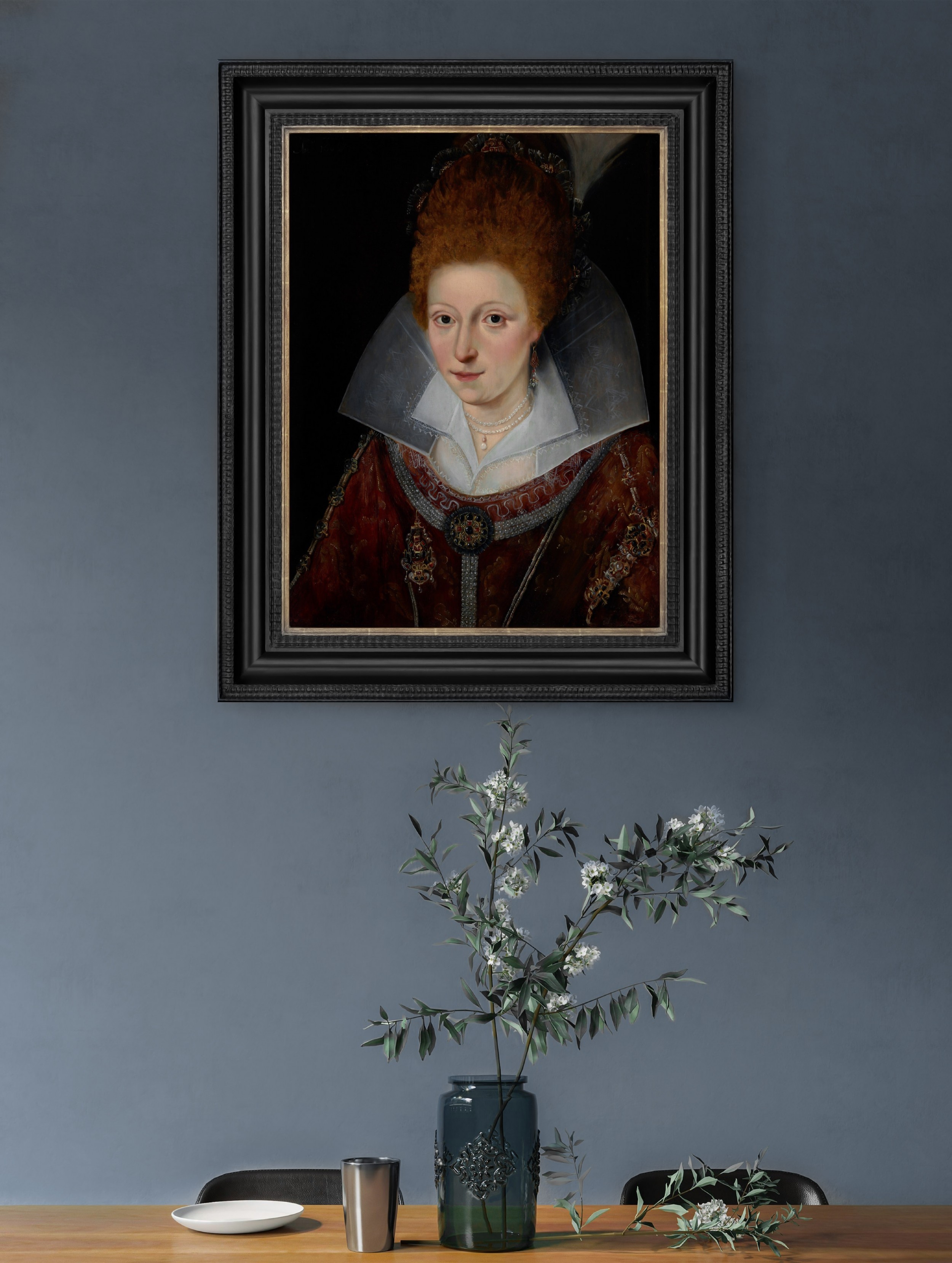
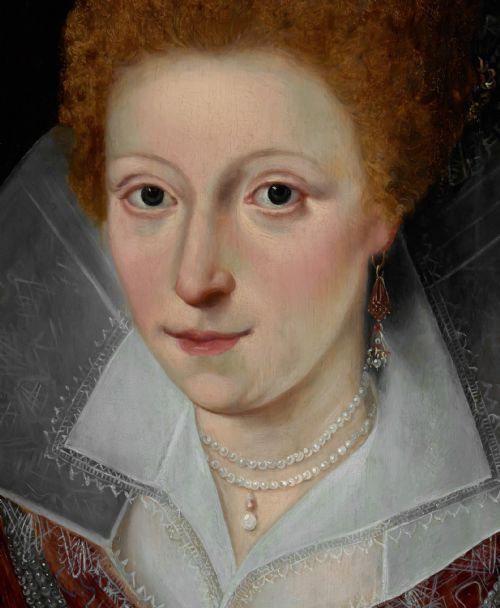
In 1603 her father James succeeded Elizabeth I to the English throne and Elizabeth went to England with her mother and older brother and thereafter grew up in the care of Lord and Lady Harington of Exton, living principally at Combe Abbey, near Coventry. In 1606, the year in which is inscribed on our portrait in the upper left, she arrived at the British royal court, where her beauty and charm attracted much attention. She married Frederick V, Prince Palatine of the Rhine on Valentine’s Day, 14 February 1613 in a spectacular wedding ceremony in the Royal Chapel at Whitehall Palace in London. The 16-year-old bride was resplendent in a cloth of shimmering silver lined with taffeta. Many diamonds of estimable value were embroidered upon her sleeves which dazzled the eyes of all the beholders. She wore a crown adorned with glittering diamonds and other precious stones ‘so thick beset, that they stood like shining pinnacles, upon her amber coloured hair.’ The sixteen noble bridesmaids attending the bride were also dressed in white satin, and adorned with such a cornucopia of jewels that her passage ‘looked like a milky way’.
For almost two months, the young couple were feted and feasted in London before setting out on their journey to their new home in Heidelberg, where their children Frederick Henry and Prince Rupert were later born. In 1619 Frederick and Elizabeth were crowned King and Queen of Bohemia (today part of the Czech Republic). Barely a year after receiving the crown, the couple were defeated and driven from their court in Prague and deprived of all their Palatine lands by the Hapsburg Holy Roman Emperor Ferdinand II, events which led to one of the longest and most destructive conflicts in human history: The Thirty Years War. Elizabeth and Frederick fled, ultimately finding refuge at The Hague with Prince Maurice of Orange, where they established a court in exile for the following 40 years. She was remembered as the ‘The Winter Queen’ due to the short duration of her rule in Bohemia. Elizabeth eventually returned to London but died the following year.
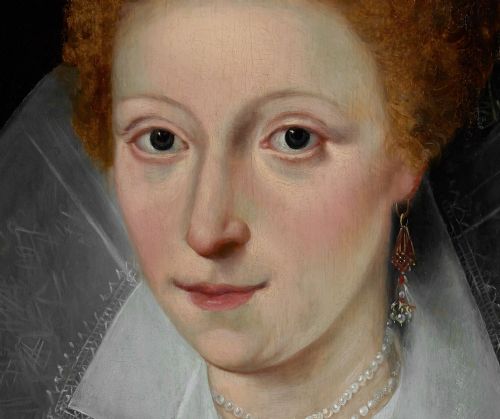
Robert Peake, who was born into a Lincolnshire family around 1551, first worked as an apprentice to a goldsmith in London however by 1598 he was recognised as one of the leading artists actively working in England. In 1607 Peake was jointly appointed with John de Critz as Serjeant Painter to James I. He died in 1619.
Full description at: www.titanfineart.com
Titan Fine Art has dated this Jacobean Oil Painting to the 17th Century.
Specialist in 17th & 18thc portraits. Highly curated selection, museum-level research & pro conservation. Exceptional art, expertly vetted.
You can view the stock and full dealer information on the Titan Fine Art Profile Page
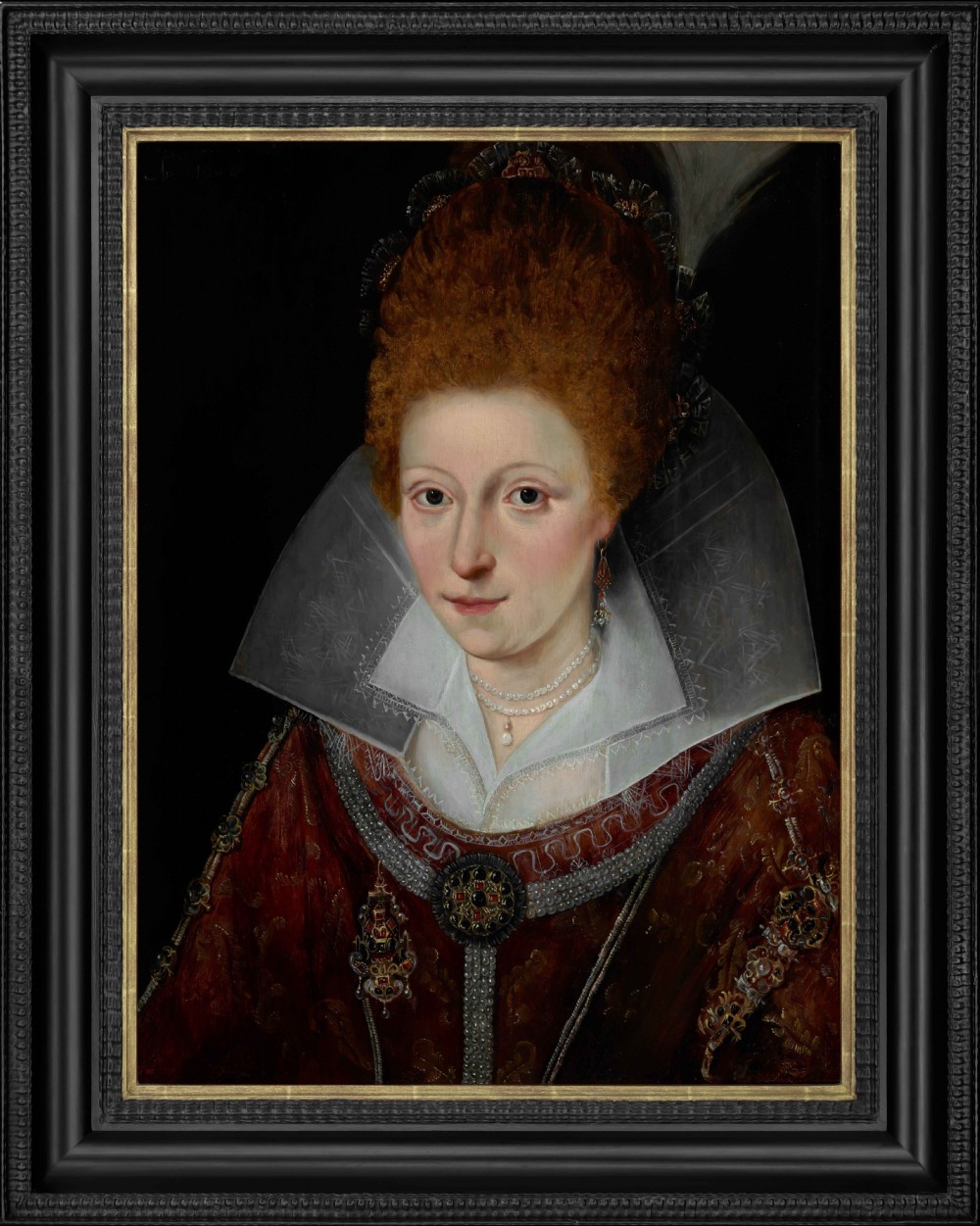

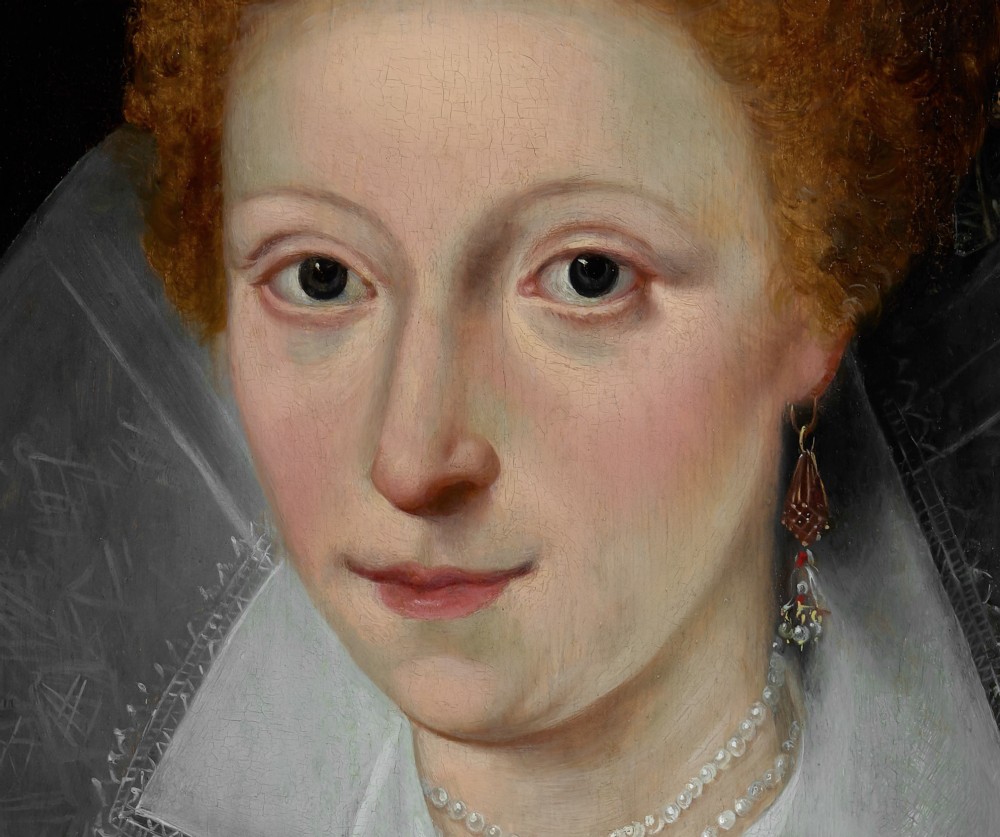
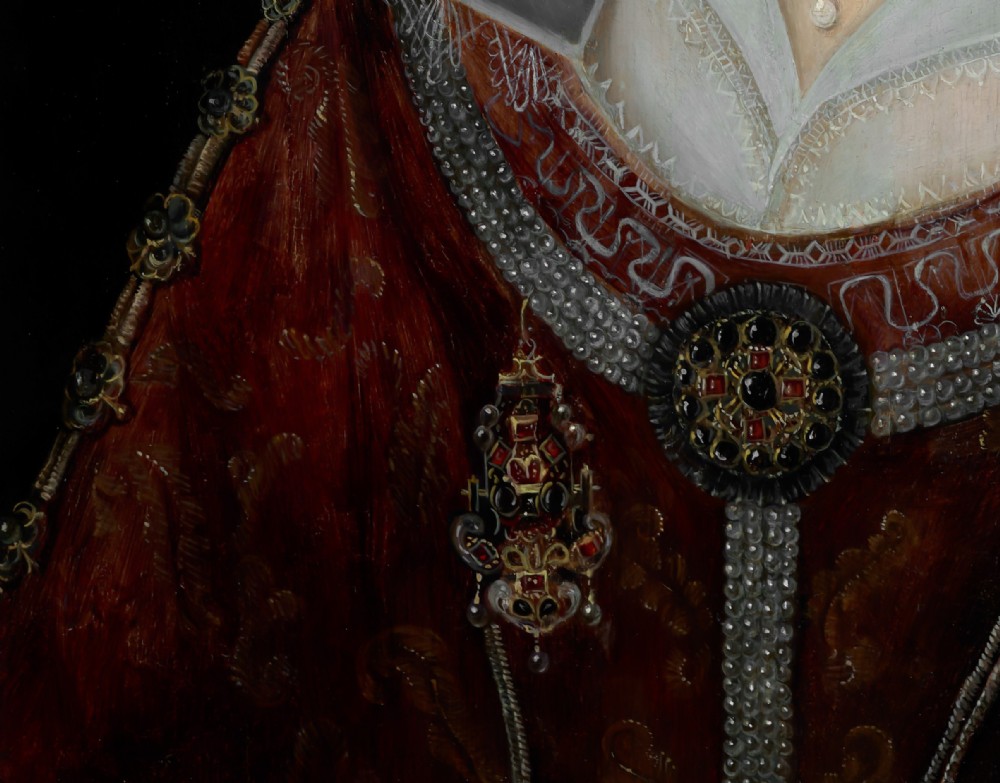
Dated 1606 Portrait of Princess Elizabeth, Later Queen of Bohemia; Circle of Robert Peake the Elder (C.1551-1626), Oil Painting on Panel