

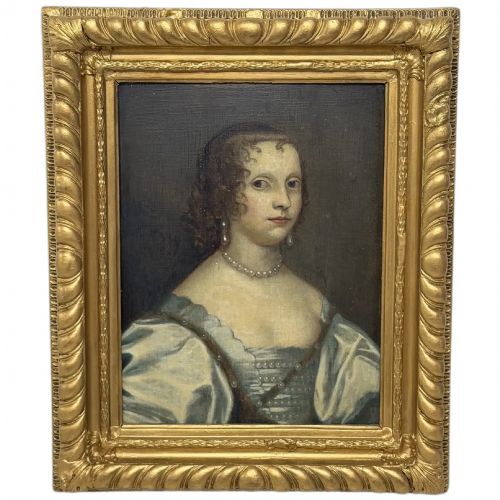


Jacobean Portrait
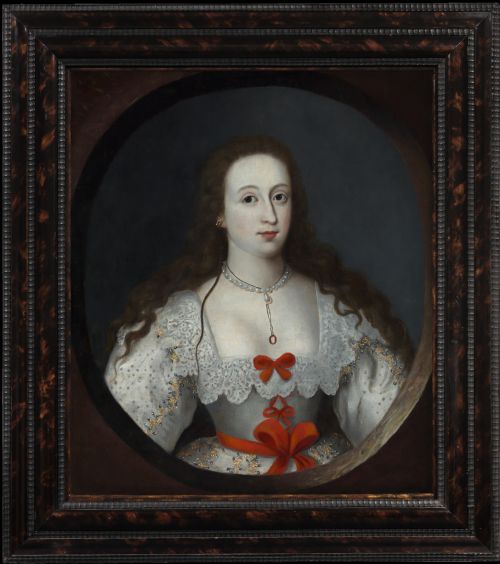
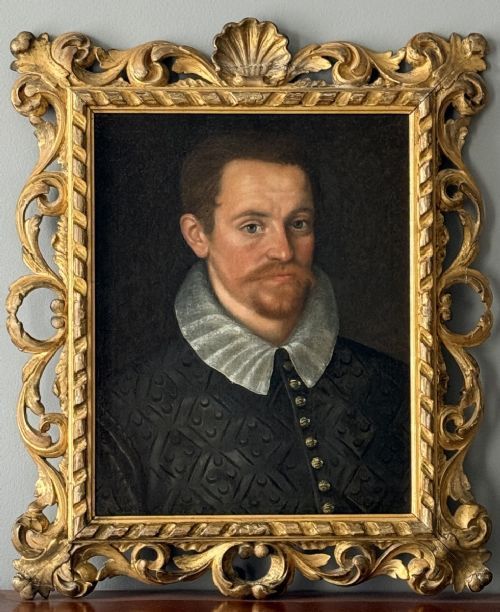
A jacobean portrait captures the distinct likeness and stiff finery of sixteenth and seventeenth-century nobility, offering a direct window into the Tudor and Stuart eras.
Jacobean Portrait
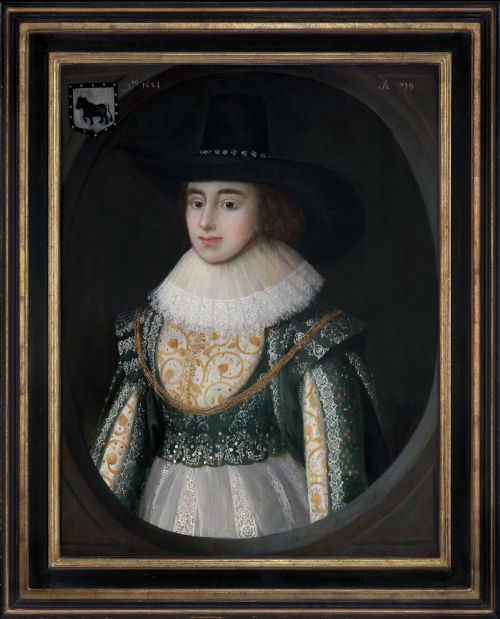
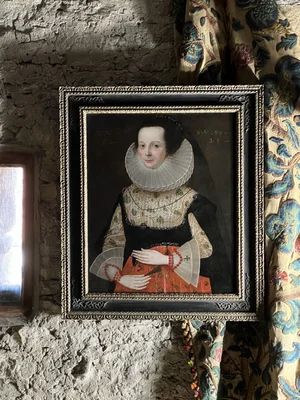
A jacobean portrait brings together oil paintings on canvas and oak panel depicting gentlemen, noblewomen, and historical figures from the sixteenth and seventeenth centuries. These works present sitters in elaborate costume, dark embroidered doublets, and crisp white ruffs, reflecting the rigid social hierarchies of the period.
The selections span authentic seventeenth-century English school pieces alongside later Victorian and eighteenth-century interpretations, including watercolors and pencil works by artists such as George Perfect Harding. Buyers will encounter both named historical subjects like Henry Frederick Prince of Wales and anonymous sitters identified simply as gentlemen or noblewomen.
Most examples originate from the seventeenth century, capturing the distinct portraiture style associated with the reigns of James I and his contemporaries. These oil paintings and panel works serve as foundational pieces for collectors focused on early British fine art and wall art.
Materials and Technique
Finished works found their homes within heavy wooden surrounds, including gilded wood and giltwood frames that complement the formal, courtly nature of the sitters. Later nineteenth-century interpretations introduced works on paper utilising pencil and watercolour alongside traditional oil media.
Jacobean Portrait Retail Price Guide 2026
Typical asking prices for jacobean portrait among the pieces listed under this phrase on Sellingantiques today, from the lower quarter to the upper quarter. They describe what is for sale here now, not the wider market.
Listings span the sixteenth, seventeenth, eighteenth, and nineteenth centuries, featuring oil paint on canvas and oak panel alongside pencil and watercolour.
Assessing Quality
The distinction between works lies in the precision of the brushwork and the contemporary documentation surrounding the sitter and artist. Pieces attributed to specific hands or documented workshops demonstrate a superior grasp of facial modeling and textile texture compared to generalized school pieces.
The survival condition of the original oak panel or canvas dictates the visual impact of the work, with undisturbed paint layers and period frames retaining historical integrity. Works that preserve clear inscriptions, dates, or identifiable coats of arms carry greater documentary weight.
Cornelius Johnson·Abraham Van Blyenberch·John Bettes the Elder·George Perfect Harding
The Jacobean Portrait Glossary
- Oak Panel
- A rigid wooden support made from oak boards, commonly used for paintings before canvas gained widespread favour in the seventeenth century. These panels provide a stable, smooth ground for fine oil work.
- English School
- A designation applied to works produced by artists working within England whose specific individual identities remain unrecorded. It groups together regional styles and shared technical approaches.
- Doublet
- A close-fitting men's jacket worn during the Renaissance and seventeenth century, frequently shown with heavy embroidery in portraiture. This garment signals the wealth and status of the sitter.
- Ruff
- A voluminous starched collar worn by men and women in the sixteenth and seventeenth centuries. Its intricate pleats required considerable skill from portrait painters to render convincingly in oil.
Jacobean Portrait: Frequently Asked Questions
How do I identify a seventeenth-century panel painting?
Seventeenth-century panel paintings utilise heavy oak boards as a primary support for oil paint, often showing natural wood grain and age-related splitting on the reverse.
These pieces generally display the stiff, formal posture and detailed costume typical of early British portraiture before the looser van Dyck style took hold.
What is the difference between canvas and panel portraits?
Panel portraits rely on rigid wooden boards that offer a smooth, stable surface for meticulous detail, whereas canvas supports allow for larger compositions and show a woven fabric texture beneath the paint.
Both formats were used concurrently, though panel works frequently point towards earlier sixteenth and seventeenth-century production dates.
How should I display an antique oil painting at home?
Antique oil paintings require placement away from direct sunlight, heating vents, and high humidity to protect the canvas, oak panel, and giltwood frame from warping or cracking.
Keeping the piece on an interior wall with stable ambient temperature ensures the preservation of both the paint layers and the wooden support.
Why do some portraits include symbols like the Order of the Garter?
Insignia such as the Order of the Garter denote high royal favour, noble rank, and political influence within the English court, serving as visual markers of the sitter's power.
Artists included these specific decorations to elevate the status of the subject and document their official titles for posterity.