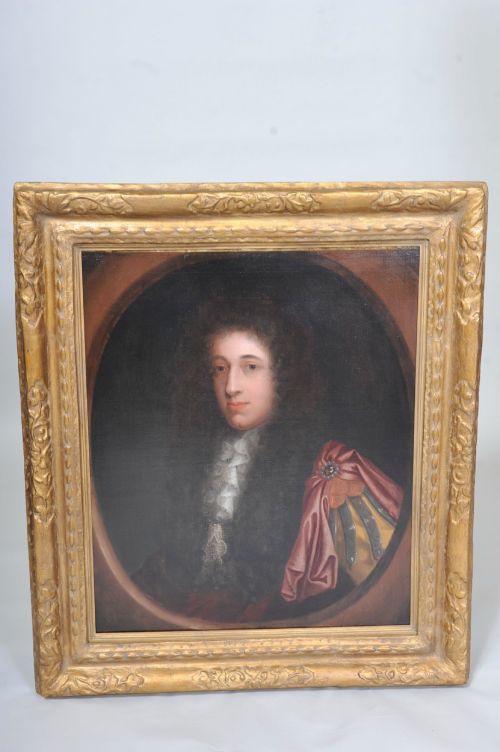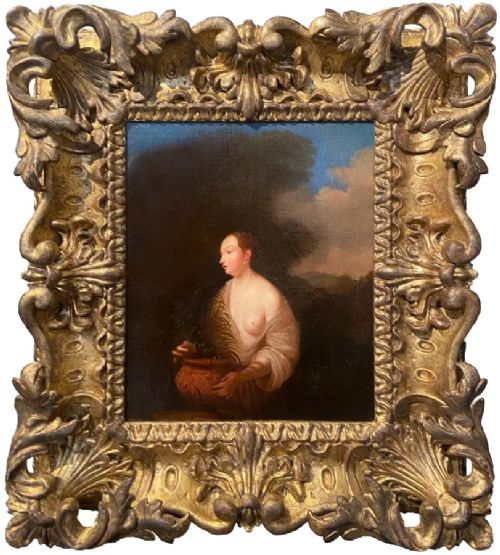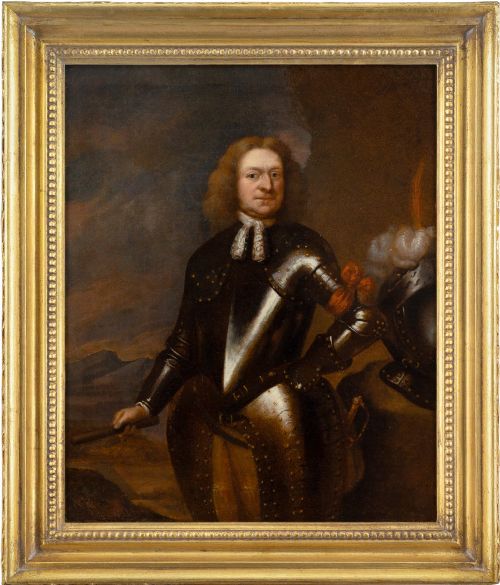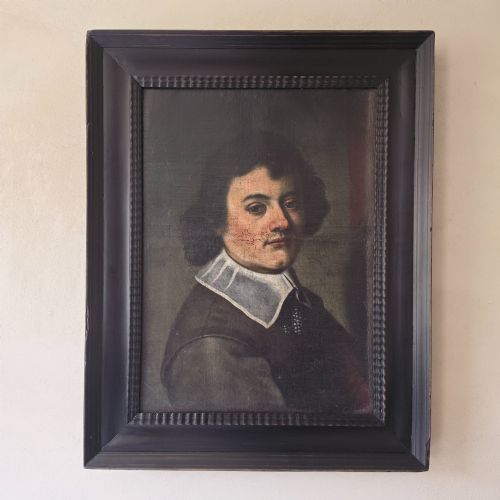
It was listed by Titan Fine Art. Sold pieces stay on Sellingantiques as a record of what has passed through, and the next one is rarely far away.
Titan Fine Art has dated this Antique Oil Painting to the 17th Century.
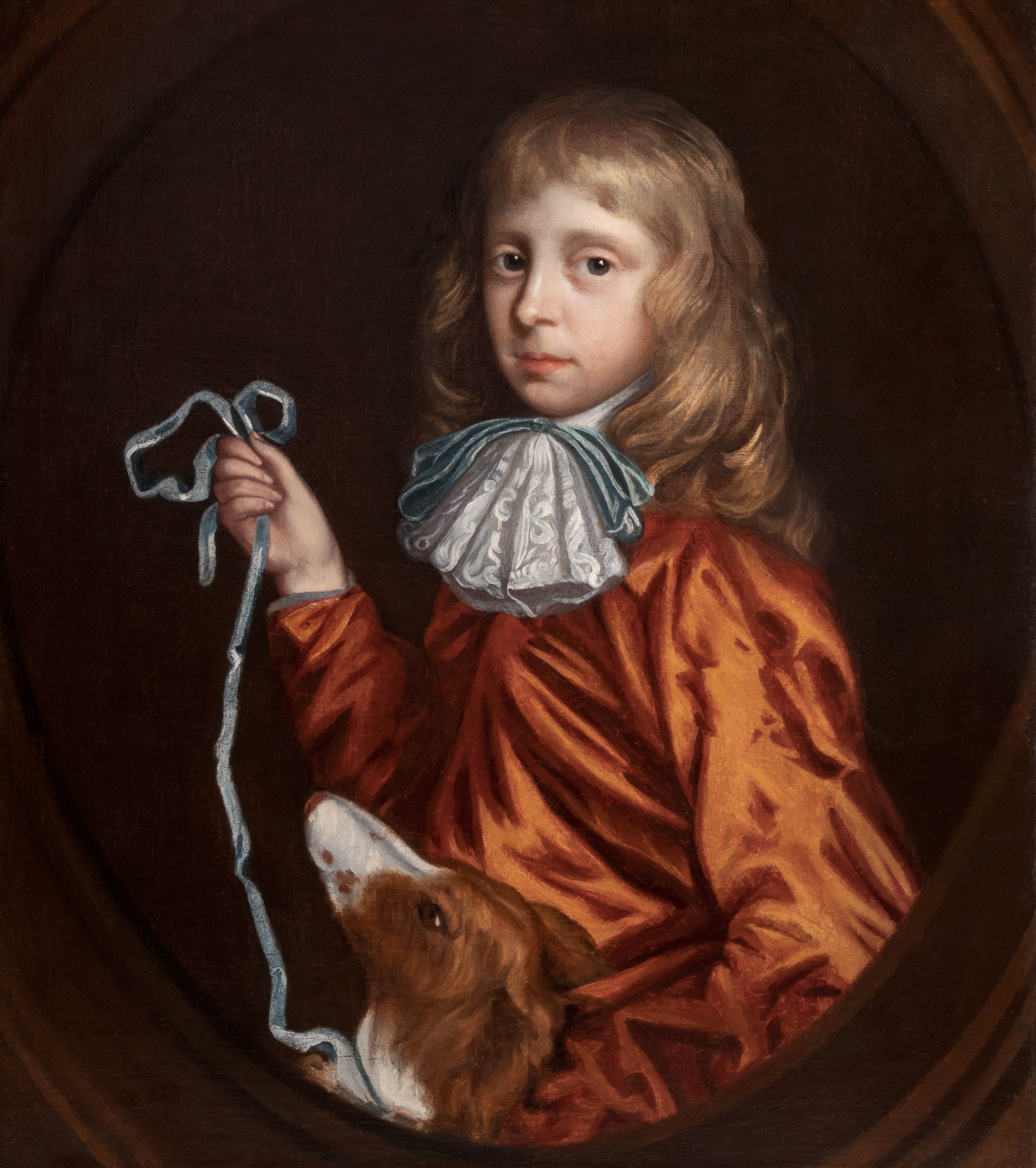
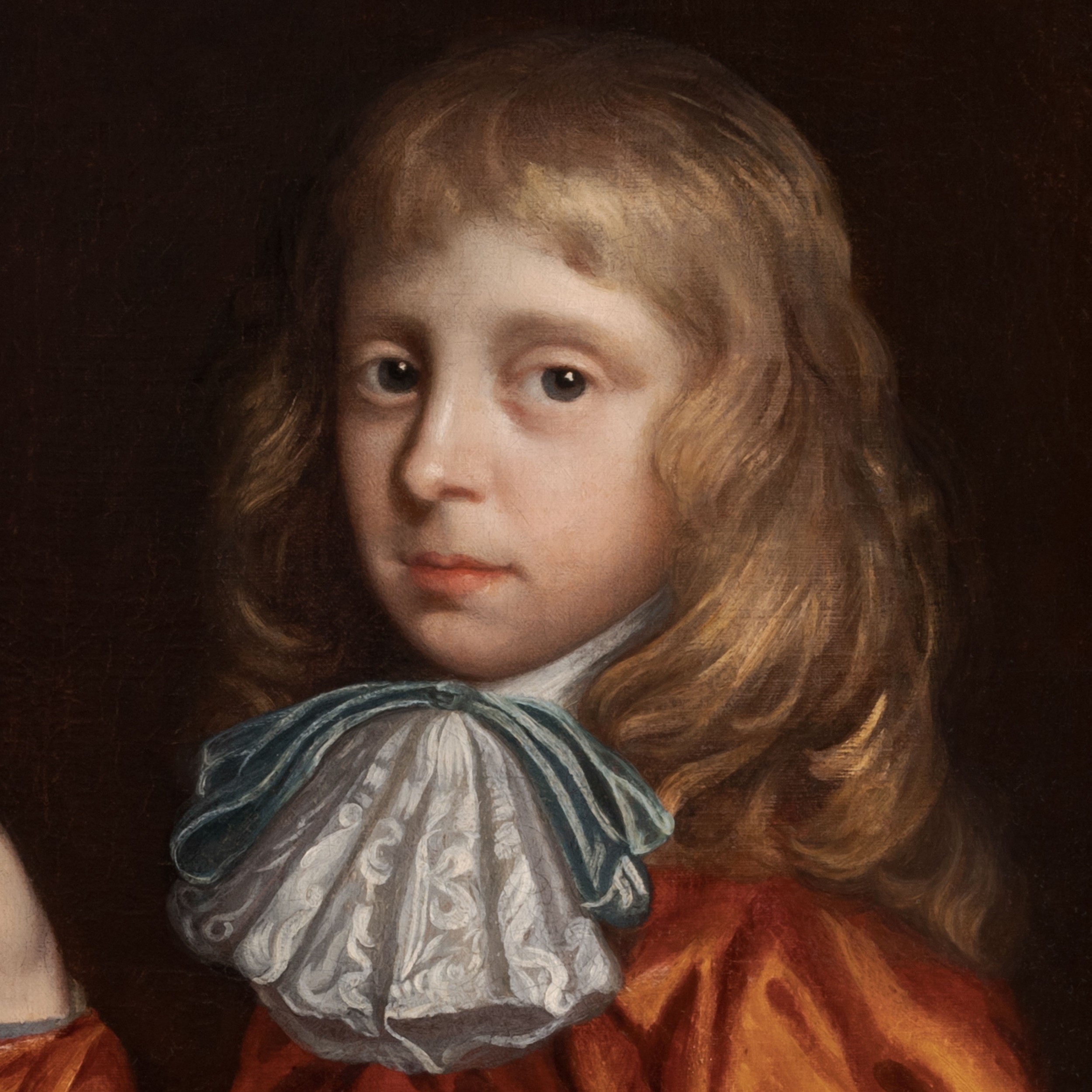
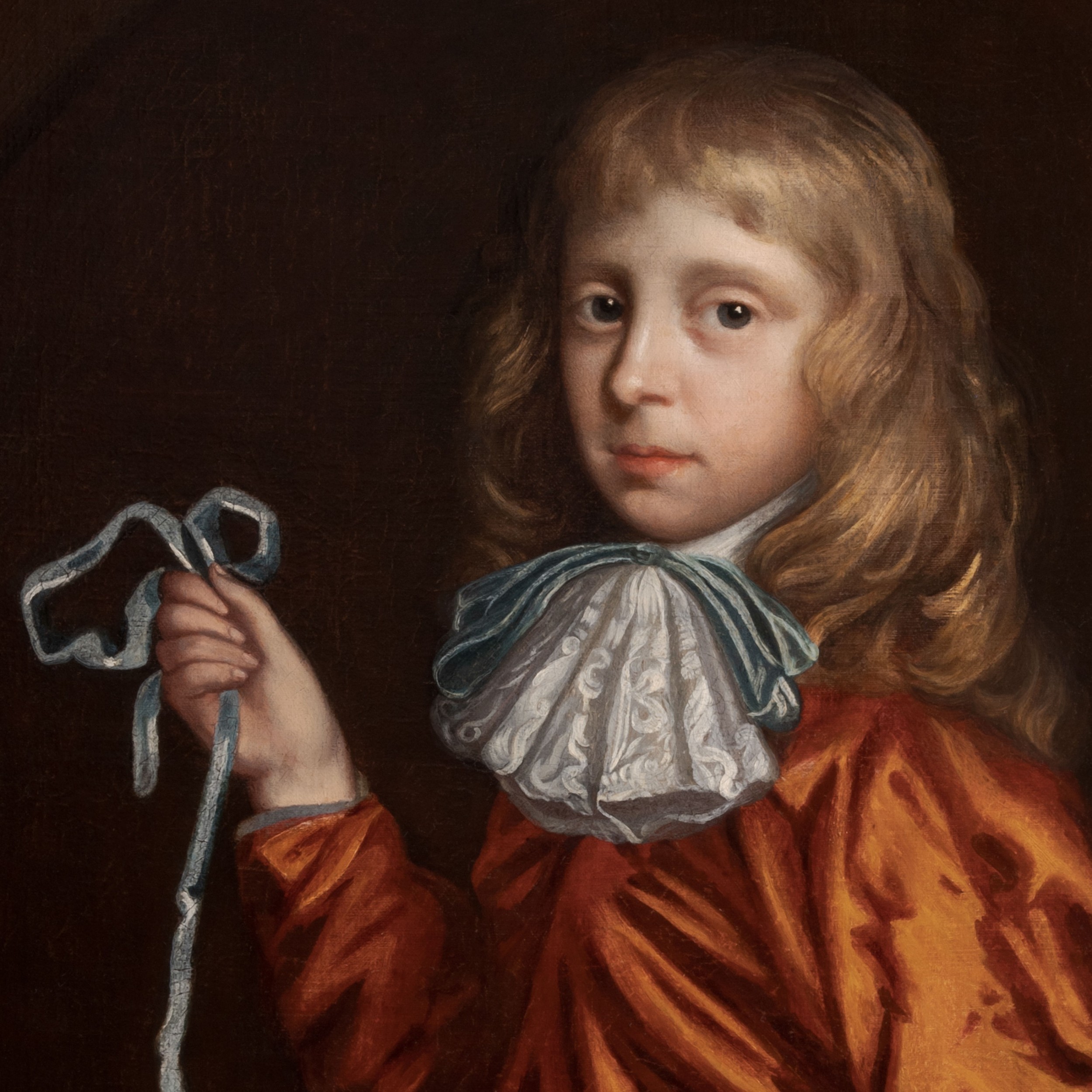
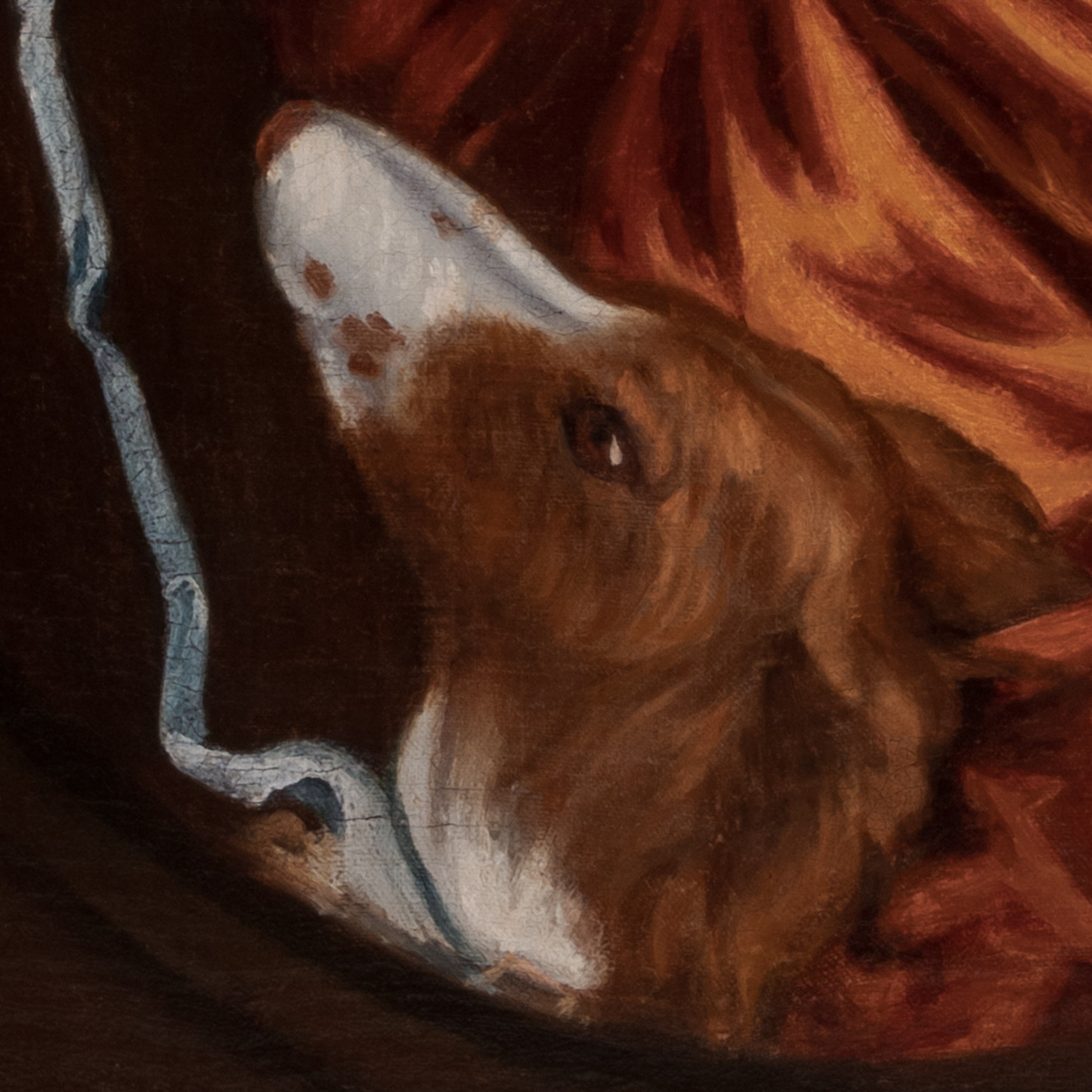
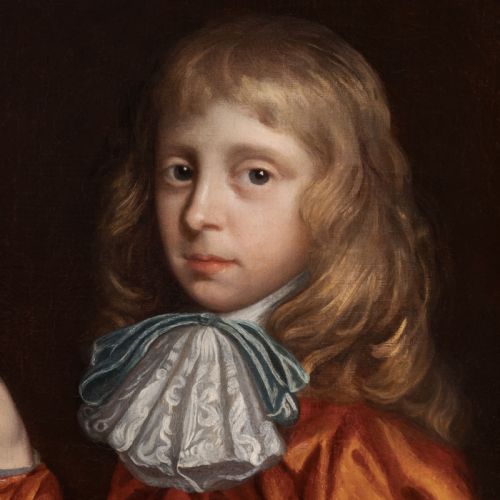
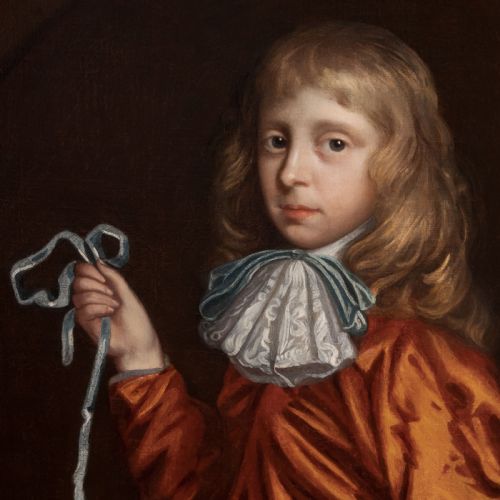
This charming portrait of a fashionable young gentleman and his faithful pet is an excellent example of 17th century child portraiture in England. There is a remarkable beauty and sensitivity to the portrait. The face, particularly well rendered, has captured the character of this young man – both charming and at the same time mischievous.
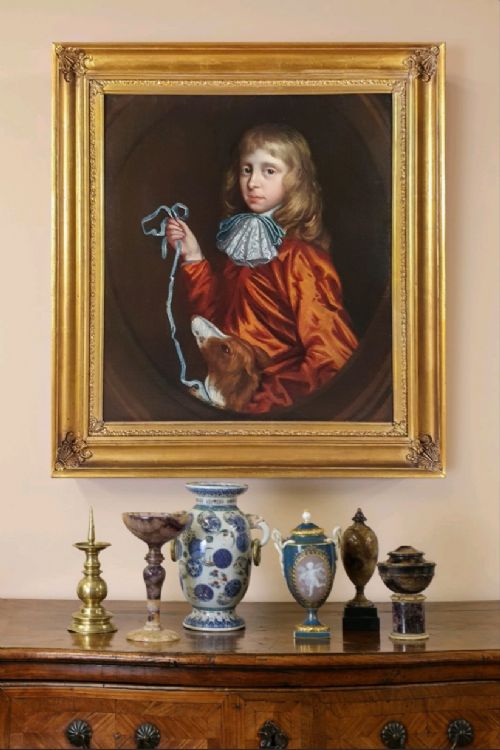
Only the playful attention of a small dog suggests anything less than patrician dignity. Symbolism was important in portraiture and it provided a pointed and aspirational narrative that would not have been lost on contemporary viewers. For example, the presence of the dog, which was likely the boy’s pet, is at once a charming pictorial device and also a clear allusion to fidelity, trust and loyalty.
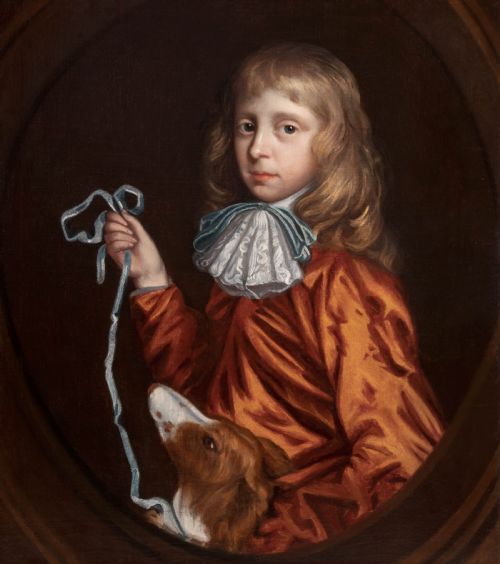
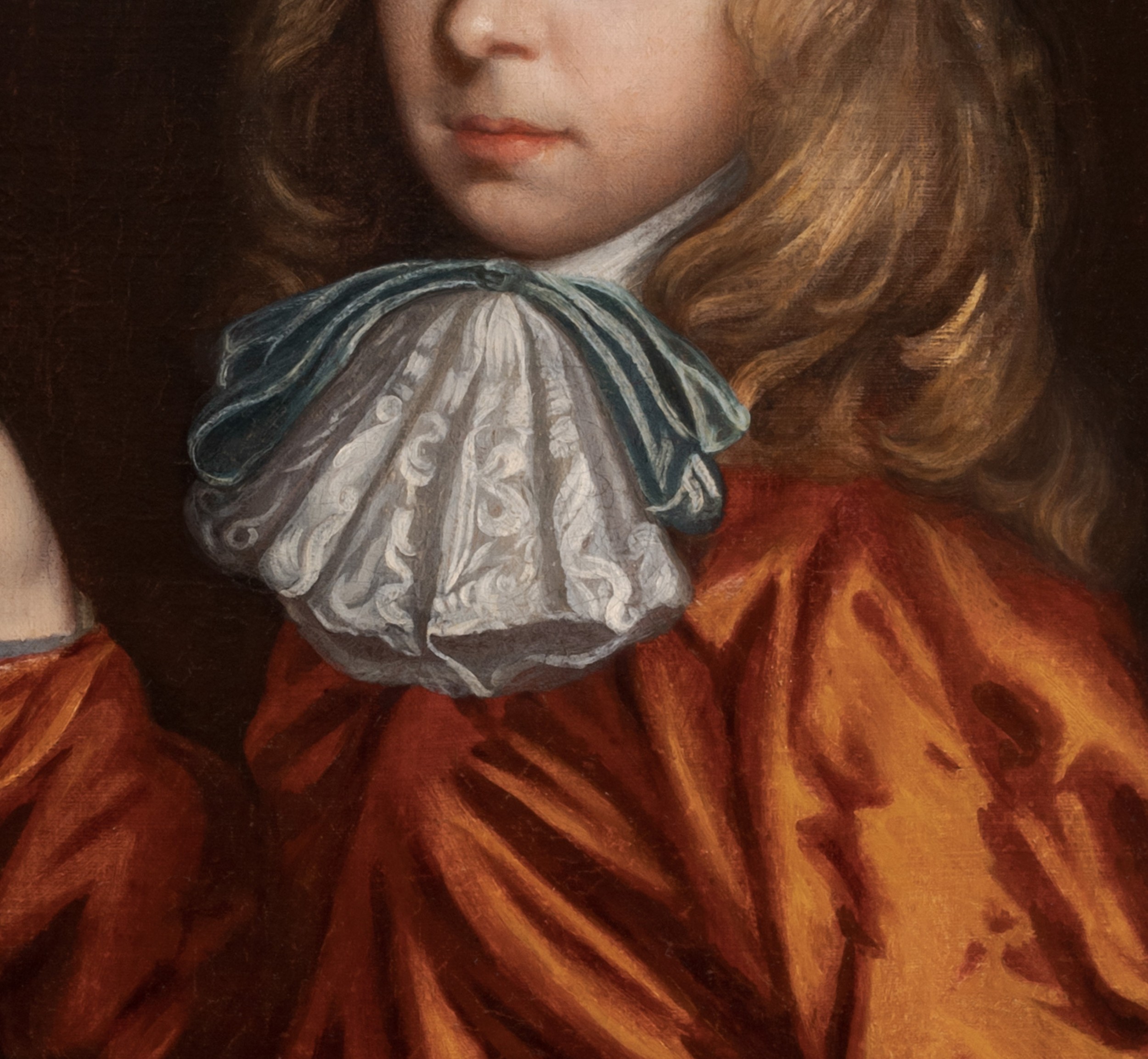
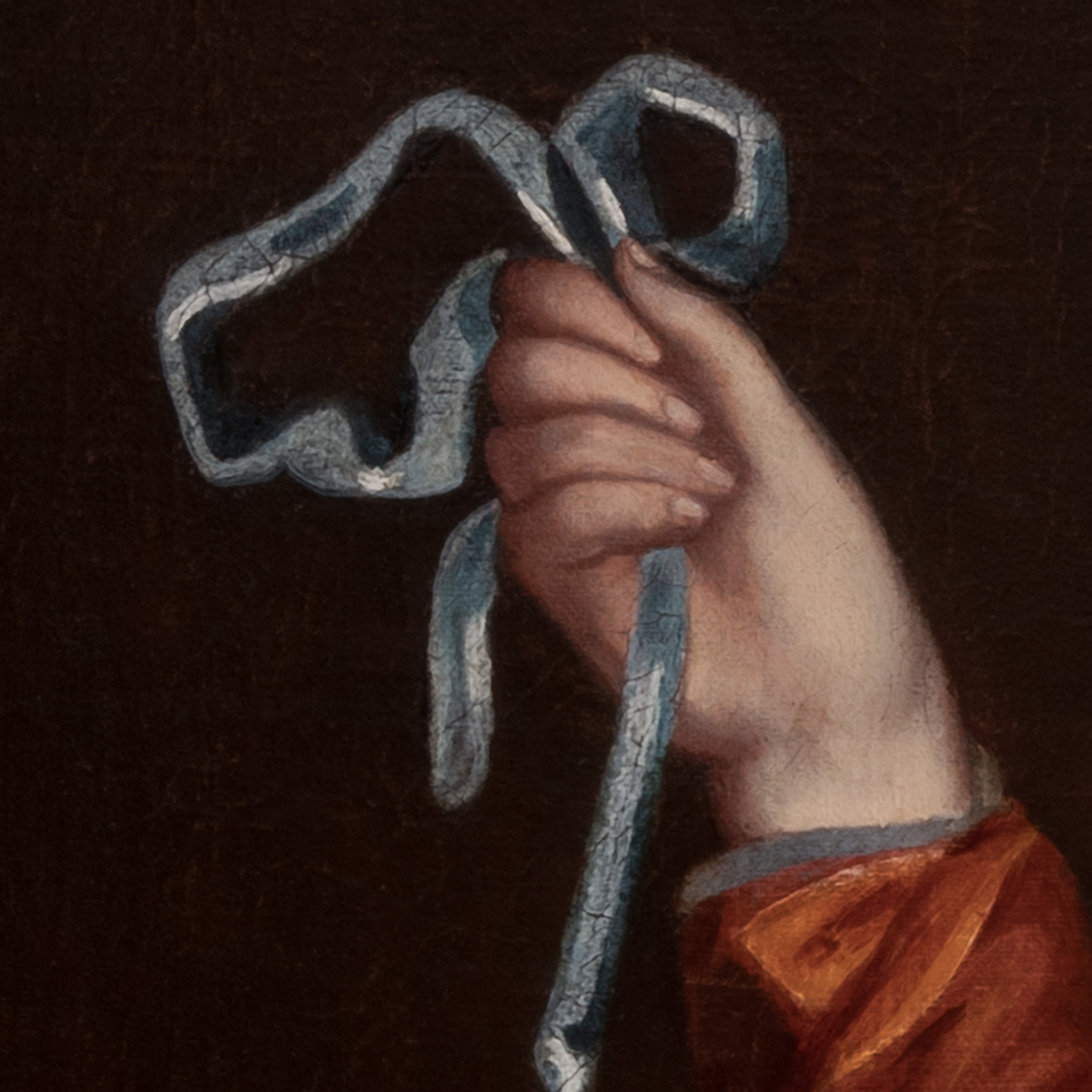
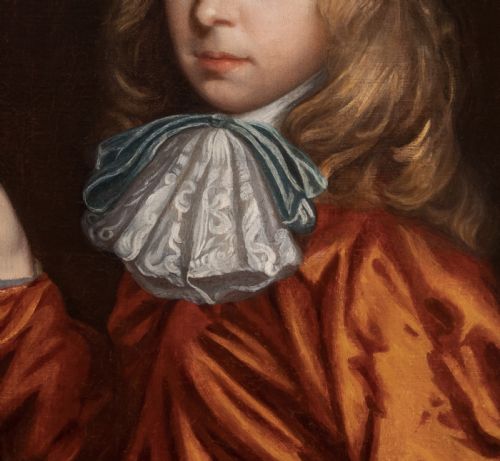
The hairstyle and the attire, notably the type of cravat with the blue ribbon, help to date this portrait to between 1670 to 1685. Until the late eighteenth century children were dressed as adults - boys were dressed like men in breeches, vests, and coats between four and seven years of age. The expensive lace is an indication to his family’s wealth.
Held in a good quality and condition antique gilded frame.
Born in Suffolk, Mary Beale (1633-1699) was employed by many of the most distinguished persons of her time including nobility, landed gentry, and clergymen. Technically accomplished, her paintings are noteworthy for their honest and sympathetic portrayal. In 1651 she married Charles Beale and together they ran a successful studio. While Mary painted, Charles primed canvases, procured art supplies from merchants, manufactured expensive, high-end pigments such as red lake and ultramarine (some for sale to other painters), and kept the books. He also left detailed notebooks about his wife’s daily activities – these notebooks are a priceless resource for historians today
By the late 1650s, Beale had developed a formidable reputation and befriended Sir Peter Lely, the leading artist of the Restoration and court painter to Charles II, King of England. She observed Lely in his studio—a rare privilege—and copied many of his portraits. She was exceedingly industrious and experimented with many new materials and techniques and supported her family with her art - a highly unusual position for a woman at the time. By the 1670s the couple’s two young sons Charles and Bartholomew, were assisting Mary in her studio in Pall Mall.
Provenance: The Flower family at Hill House, Stratford-upon-Avon; thence by decent
The Flower family were a prominent family in Stratford upon Avon, having established a brewery there in 1833. Four generations became Mayor. In the 1870's Charles Flower gave land and £1,000 to launch a fund to build the Shakespeare Memorial Theatre. In the 1890's his brother Edgar brought the medieval grammar school buildings back into a proper state of repair and restoration. An aunt continued the philanthropic tradition, caring not only for all of the many nieces and nephews, but also for employees and townsfolk and their children, even to the extent of purchasing numerous grave spaces at the newly opened municipal cemetery in Evesham Road, to lessen the fear of a pauper's burial.
Titan Fine Art has dated this Antique Oil Painting to the 17th Century.
Specialist in 17th & 18thc portraits. Highly curated selection, museum-level research & pro conservation. Exceptional art, expertly vetted.
You can view the stock and full dealer information on the Titan Fine Art Profile Page
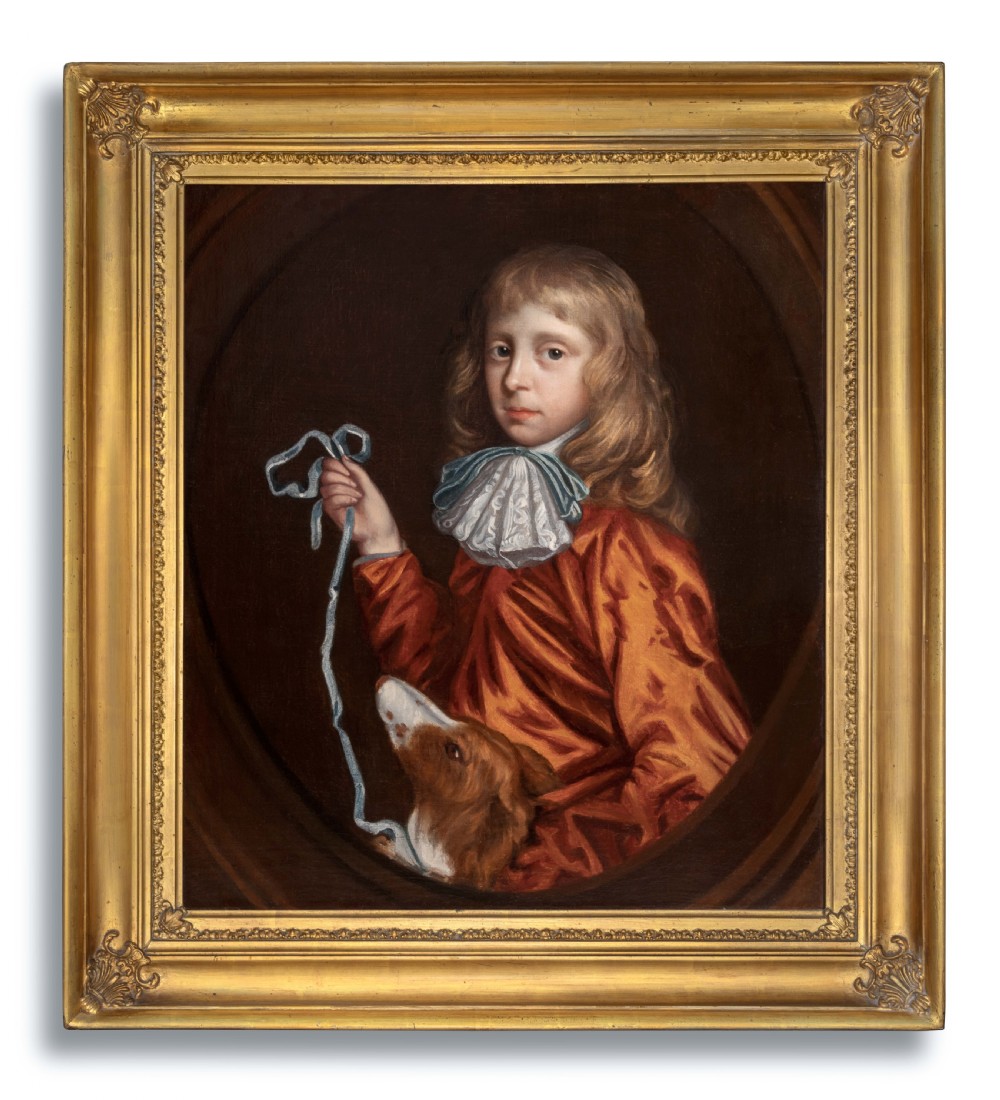
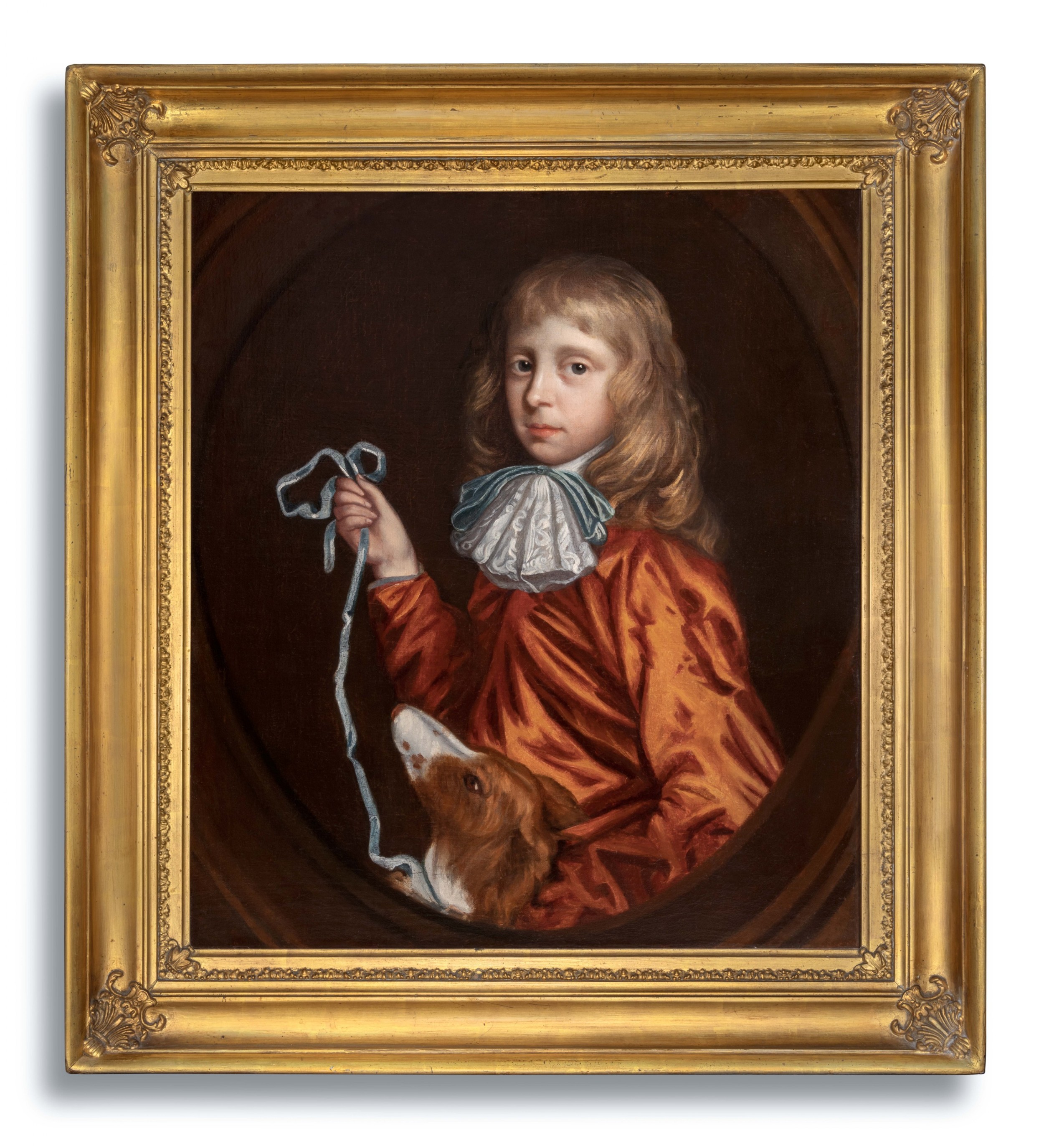
C.1680 Portrait of a Boy Gentleman and Pet Dog; Circle of Mary Beale (C.1633-c.1699), Antique Oil on Canvas Painting