50,796  PAGES BROWSED TODAY PAGES TODAY 159 ANTIQUES UPLOADED TODAYNEW ARRIVALS
159 ITEMS ADDED TODAY
Sort Order
Items Per Page
Browse Categories
Sort order
Relevant Links
Items per page
ID #SA1235856
FOR SALE
£5,850
Email Phone
Save
Portrait of Philadelphia Parker, Later Mrs Stephen Piper C.1690; Follower of Pierre Mignard (1612-1695), Oil on Panel Painting
For sale by Titan Fine Art
for sale €6,845     $7,430
£5,850
Titan Fine Art

Titan Fine Art

Sellingantiques Verified Since Jul 2016
Browse dealers 20 items
  • About Us
    Specialist in 17th & 18thc portraits. Highly curated selection, museum-level research & pro conservation. Exceptional art, expertly vetted.
Id #SA1235856
PDF SHARE
SAVE

Portrait of Philadelphia Parker, Later Mrs Stephen Piper C.1690; Follower of Pierre Mignard (1612-1695), Oil on Panel Painting

17th century
For Sale by Titan Fine Art
Description

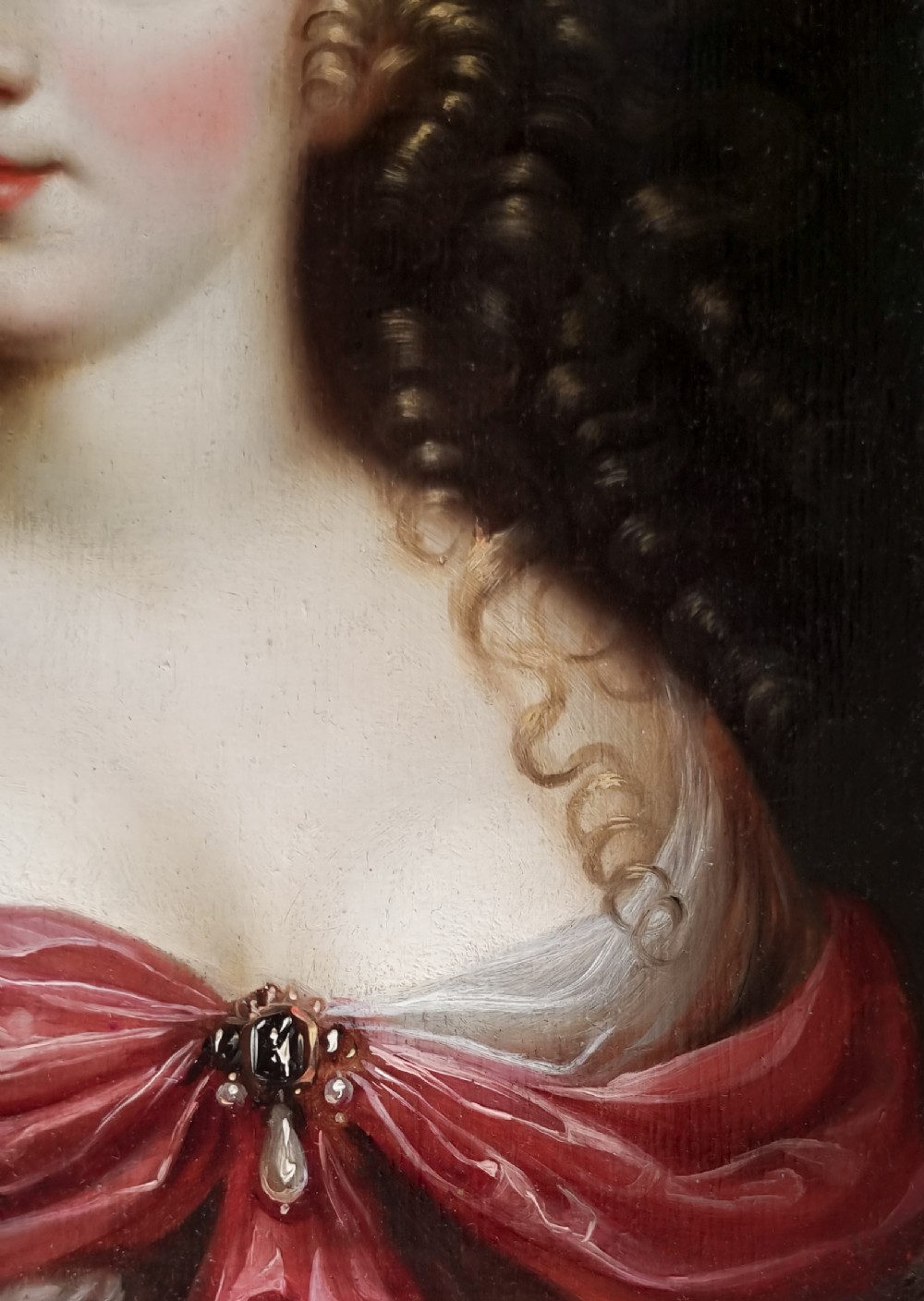
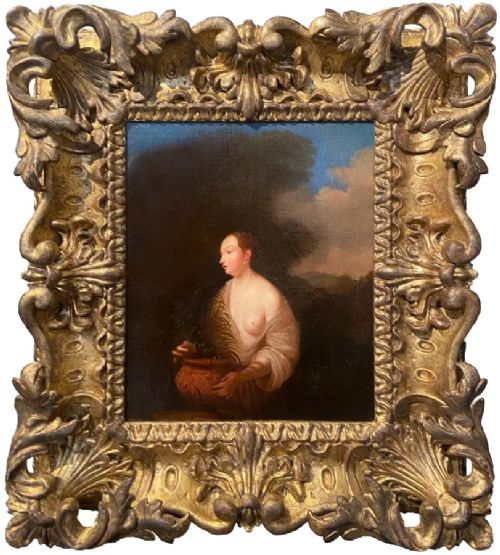
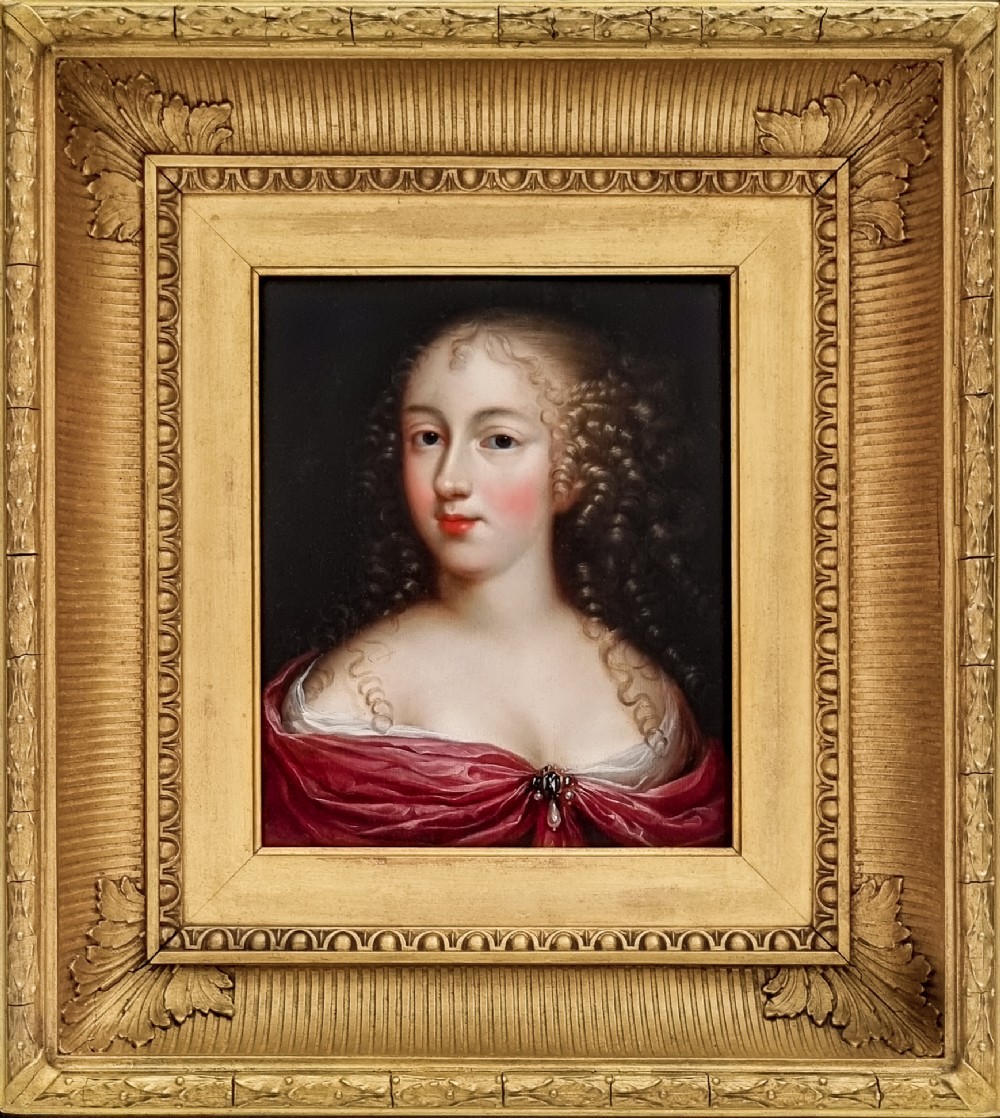
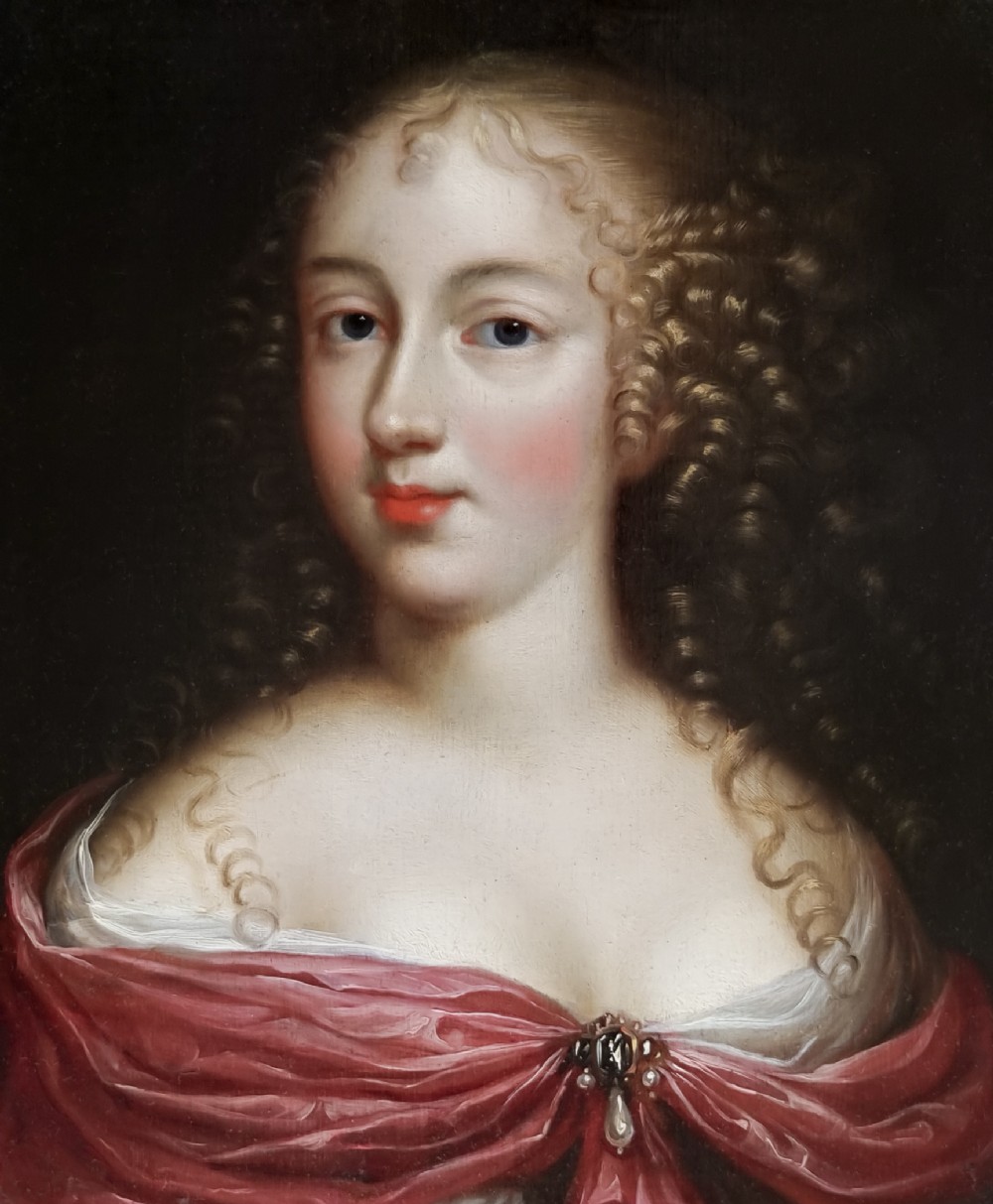
This beautifully preserved late seventeenth-century oil on panel is a refined small-scale portrait of Philadelphia Parker, later Mrs Stephen Piper, daughter of Sir Robert Parker, 1st Baronet of Ratton, Sussex, and Sarah Chute. Catalogued as Follower of Pierre Mignard, the work belongs to the elegant French court-beauty tradition of the late Stuart period, in which young women of rank were presented not in strict everyday dress, but in an idealised language of aristocratic grace: porcelain flesh, heightened rose colouring, a low white chemise, rose-red drapery, jewelled clasp, and abundant falling curls.

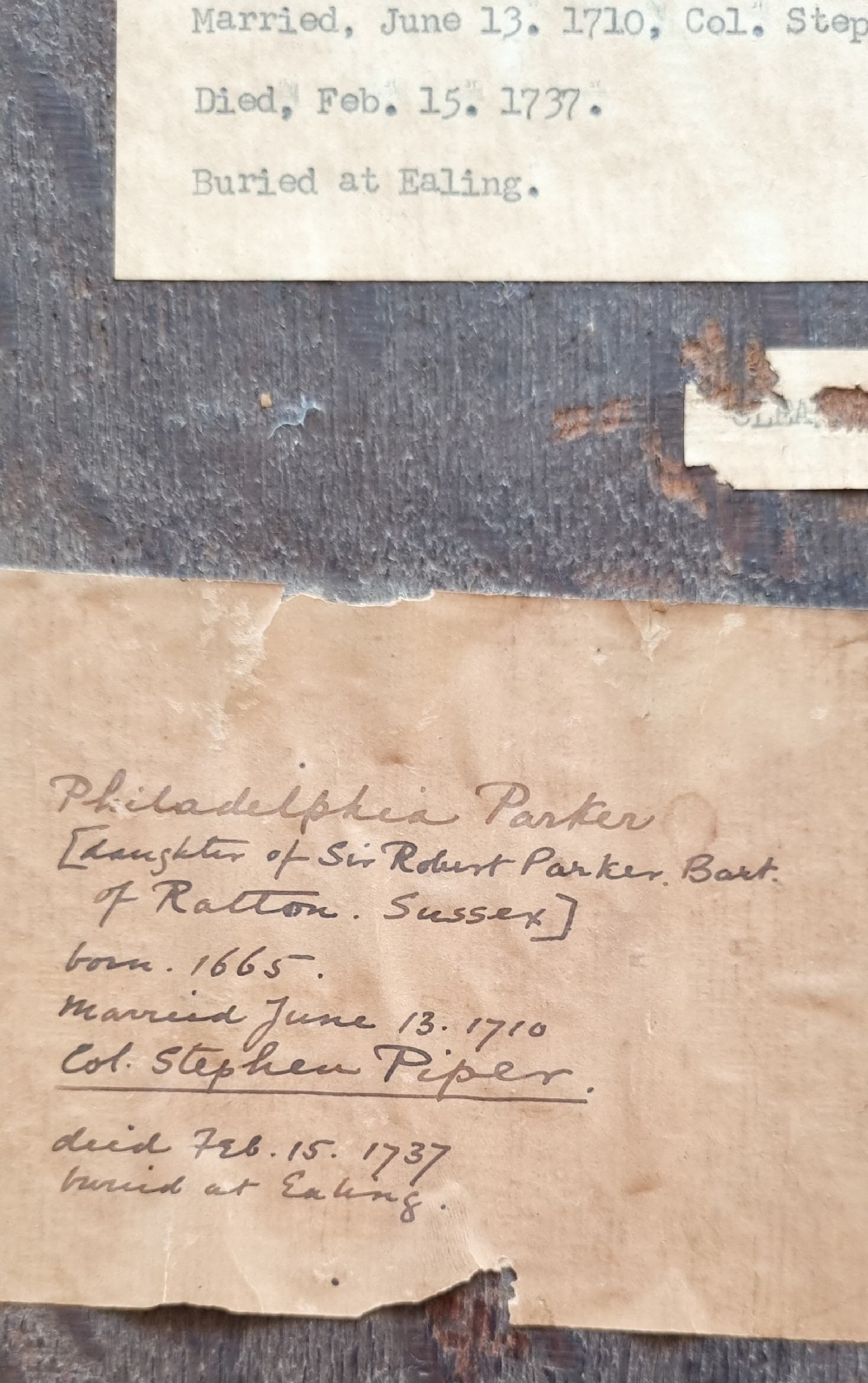
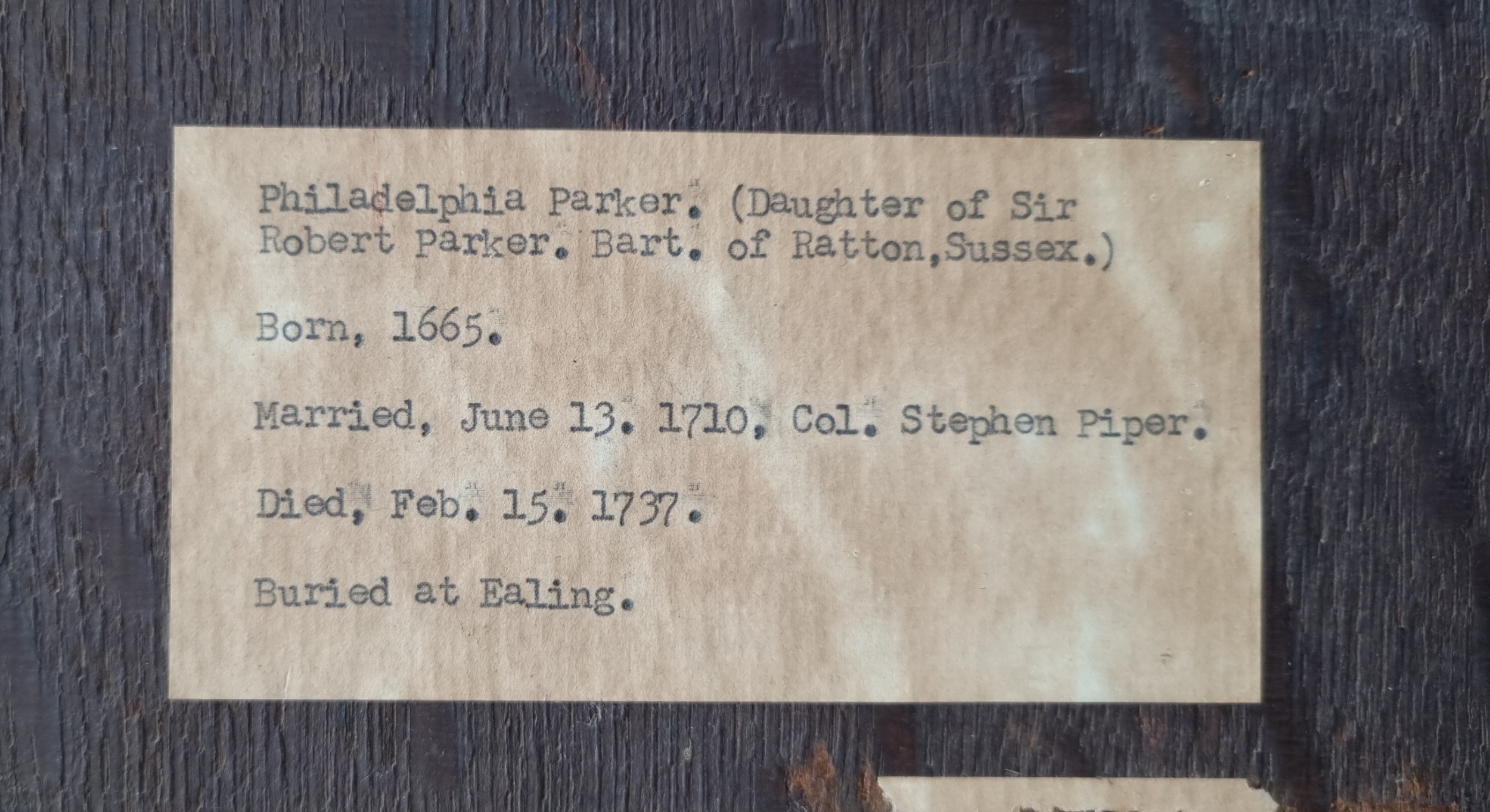
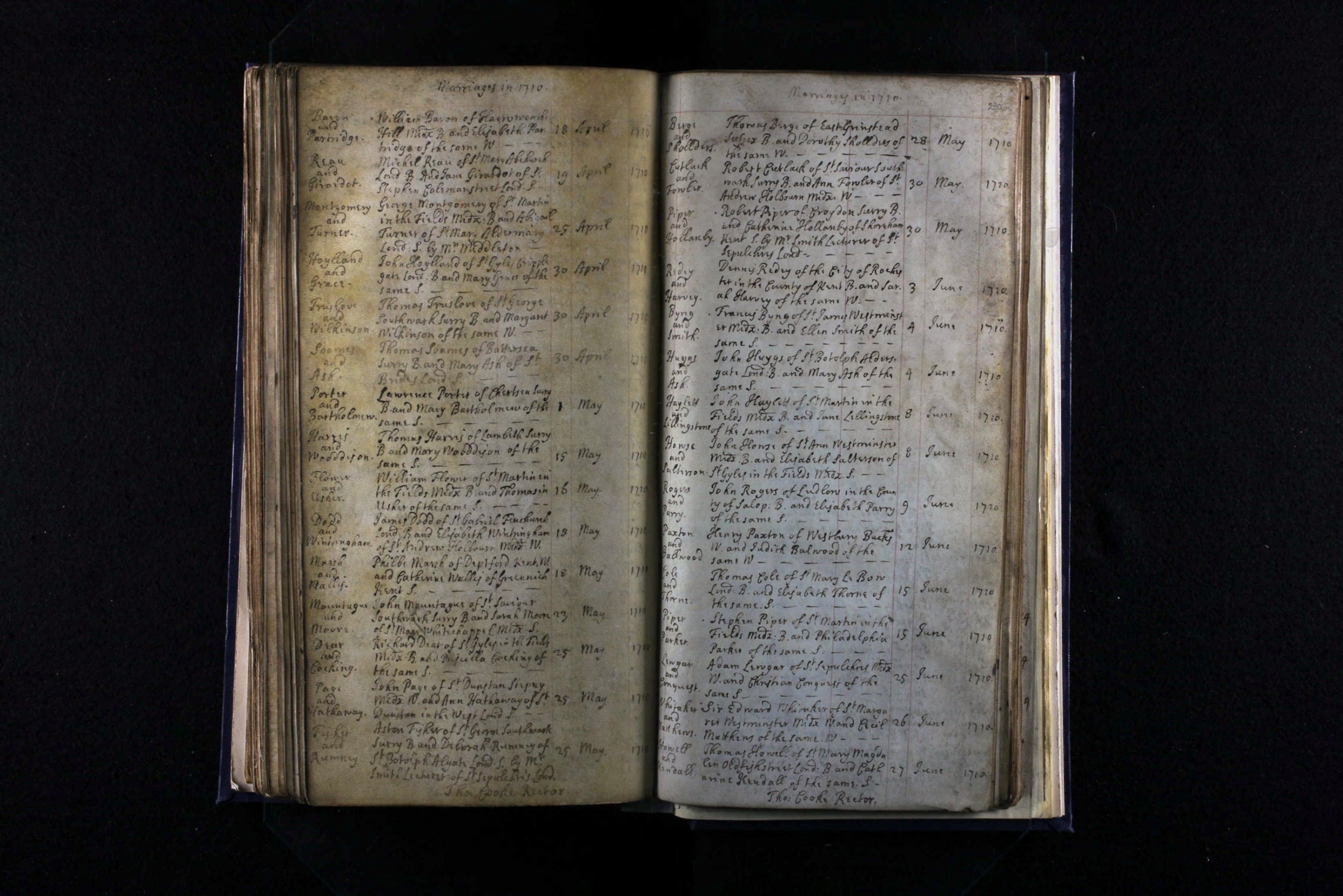
The portrait is especially appealing because its sitter is not anonymous. Old labels on the reverse identify her as Philadelphia Parker, wife of Colonel Stephen Piper, and this traditional identification is supported by documentary evidence. Burke’s Extinct and Dormant Baronetcies records Philadelphia as a daughter of Sir Robert Parker of Ratton and states that she married “Colonel Piper, of Essex.” Her baptism is recorded at Willingdon, Sussex, on 10 December 1674, correcting the erroneous birth date preserved on one of the old labels. Her marriage is also confirmed by the register of St Benet Paul’s Wharf, London, where Stephen Piper of St Martin-in-the-Fields, Middlesex, bachelor, and Philadelphia Parker of the same parish, spinster, were married on 15 June 1710.
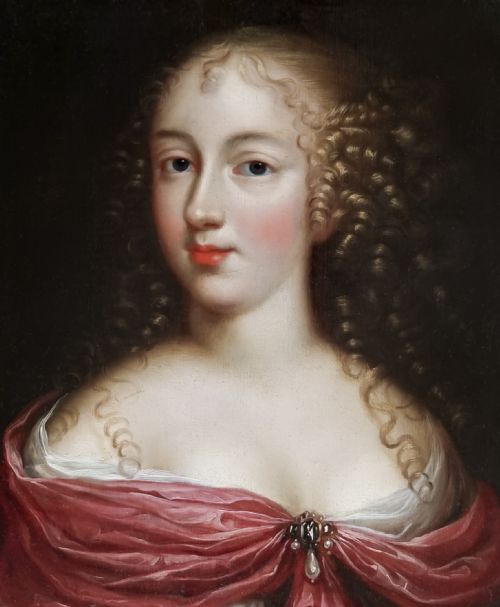
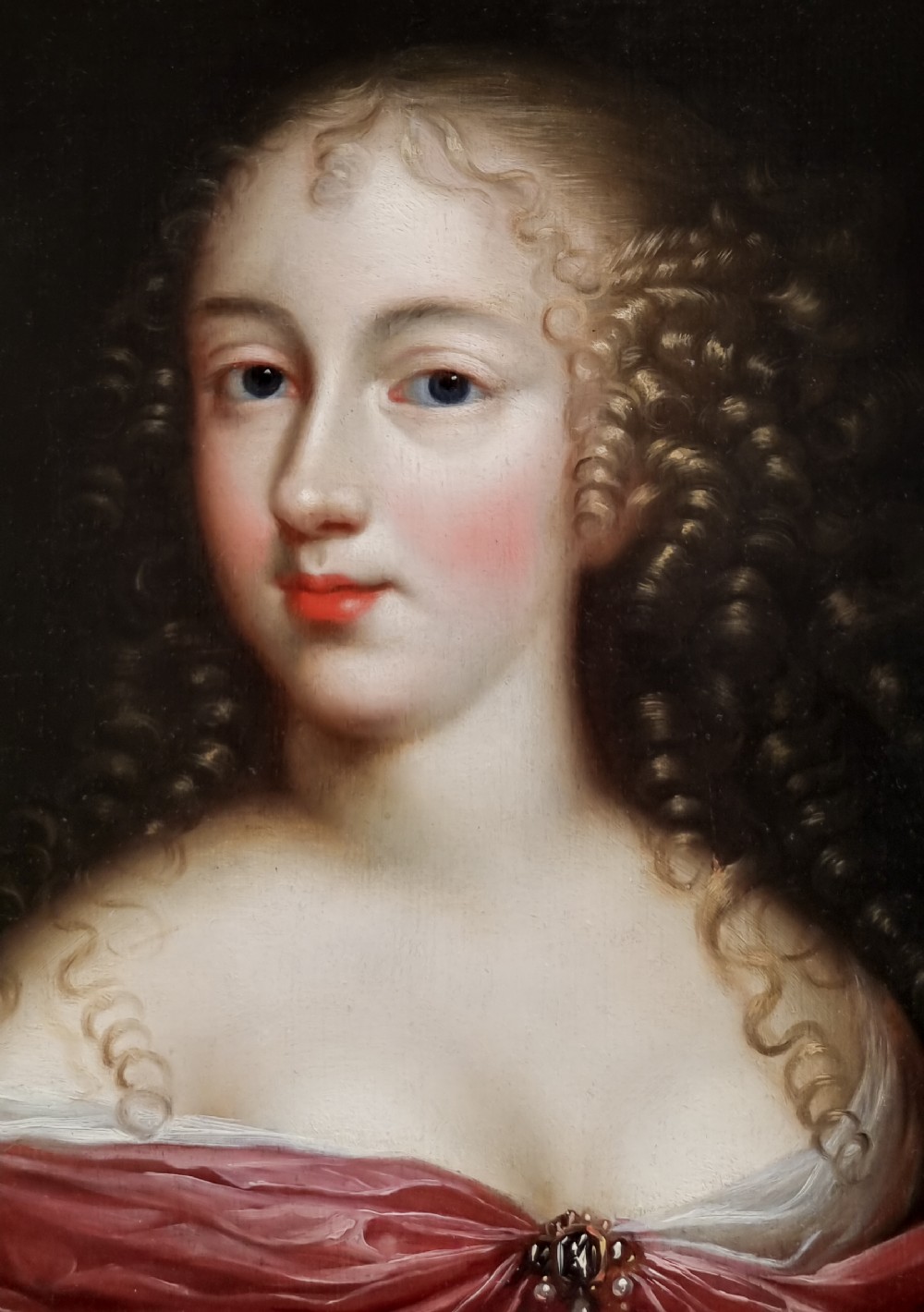
The likely date of the portrait is circa 1690–1695, when Philadelphia would have been in her late teens or early twenties. Although the hairstyle and costume evoke the celebrated court beauties of the previous generation, this is best understood as a deliberate and flattering portrait formula, derived from the French and Restoration court mode popularised by artists such as Pierre Mignard and the Beaubrun brothers. Such imagery presented young women as timeless embodiments of refinement, beauty, lineage, and marriageability.
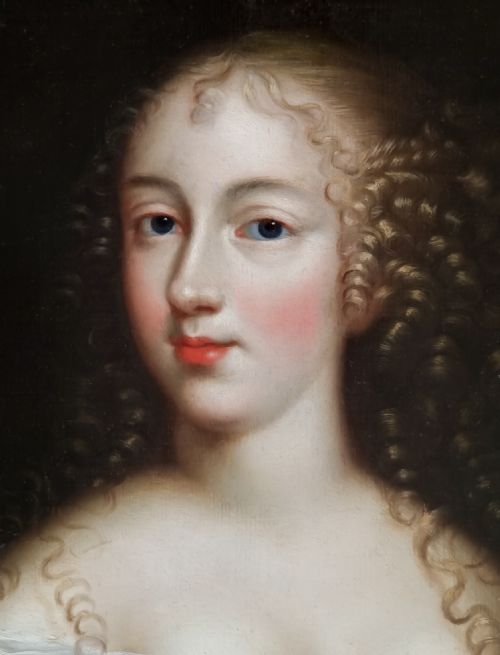
Philadelphia belonged to the established Sussex gentry. The Parkers of Ratton were a family of standing, and her father’s baronetcy, created in 1674, placed the family firmly within the Restoration hierarchy. Her later marriage to Stephen Piper connected her to a military and county family associated with Essex, particularly Ashen. Piper’s career links the couple to the turbulent politics of late Stuart England, spanning the reign of James II, the Glorious Revolution, and the military world of William III and Queen Anne.
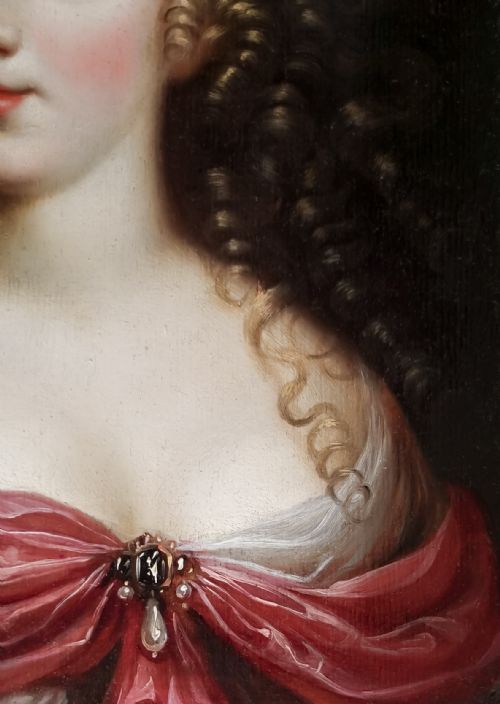
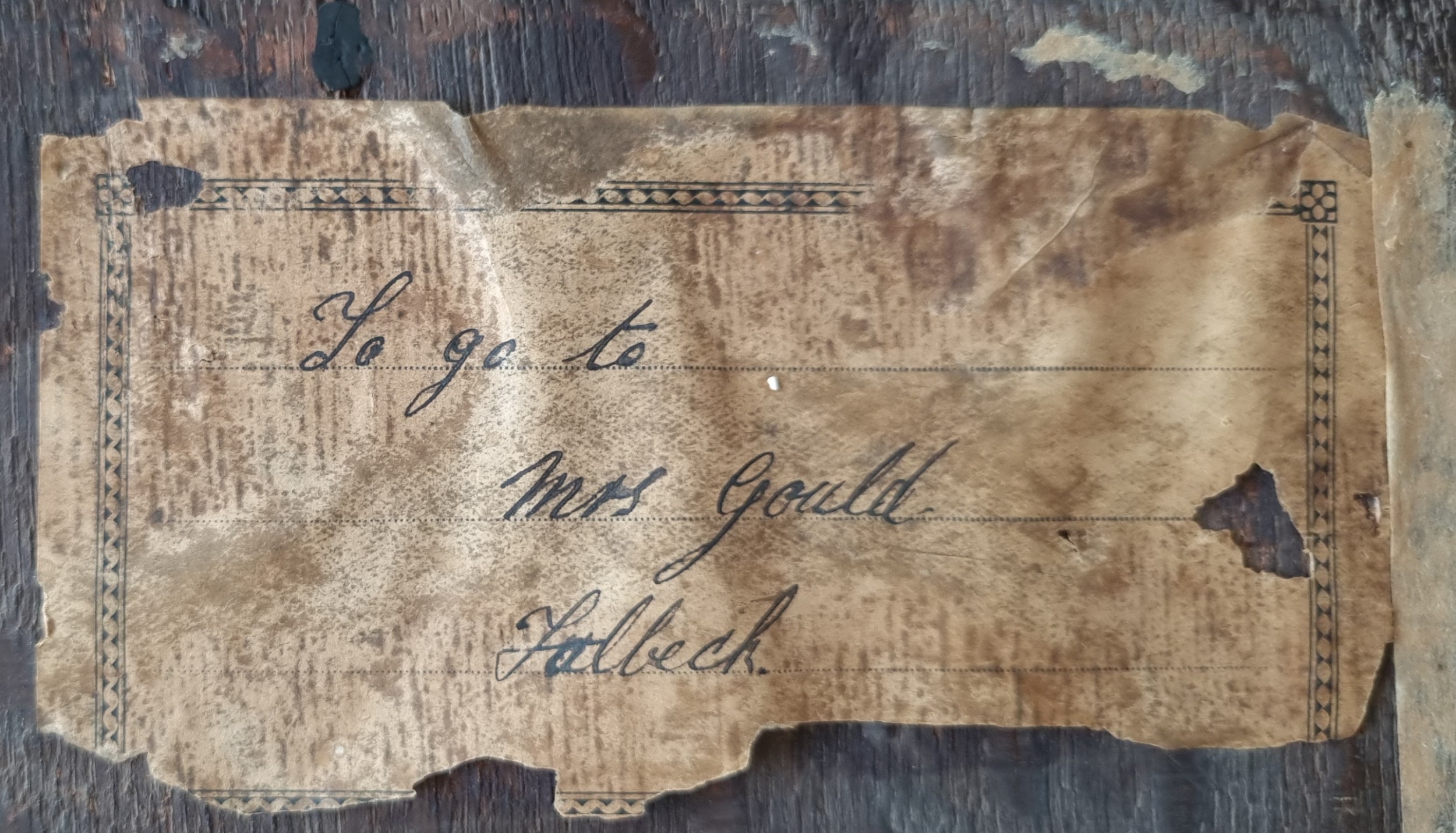
Philadelphia survived her husband, who died in 1721/2 and was commemorated at Ashen. Her own will identifies her as Philadelphia Piper, widow, living at Knightsbridge in the parish of St Margaret Westminster, and gives an unusually intimate glimpse of her later life as a genteel widow disposing of personal effects, securities, and household matters. An old label on the reverse reading “To go to Mrs Gould, Fulbeck” provides a further nineteenth-century provenance clue, linking the portrait to Fulbeck, Lincolnshire.
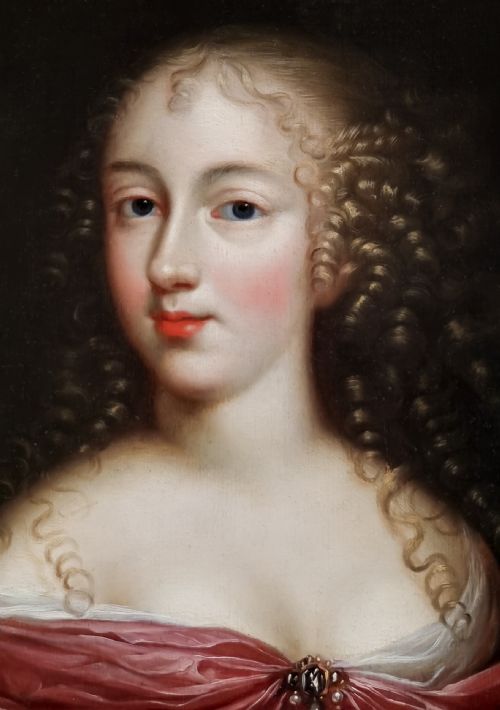
Combining beauty, condition, scale, French courtly elegance, and unusually strong documentary identity, this is a rare and highly engaging late seventeenth-century portrait whose sitter’s life can still be meaningfully reconstructed.

Full description at: www.titanfineart.com

Physical Dimensions
Height
53cm (20.87")
Width
49cm (19.29")
Depth
7cm (2.76")
Declaration

Titan Fine Art has dated this Baroque Female Portrait Painting to the 17th Century.

Reference Numbers
Sellingantiques Reference
SA1235856
Dealers Notes

Much more info about this item at: www.titanfineart.com

In a market saturated with available paintings, Titan Fine Art offers a distinct advantage: we sift through thousands of works to provide a specially curated selection. Each piece is meticulously chosen based on technical merit, provenance, and decorative appeal, ensuring our clients view only the finest examples of British and European art.

With over 20 years of expertise and 1,000+ works placed with collectors and institutions, we are one of the most prolific specialists in 17th and 18th-century portraiture. We combine a scholarly approach with museum-level rigor to replace the uncertainty of the open market with absolute confidence.

Why Buy From Titan Fine Art?

• Expertly Curated Selection

We act as your expert eye, selecting only high-quality works that offer genuine historical and artistic value.

• Museum-Level Research

Each portrait is supported by extensive academic research, often exceeding 40 hours, to establish attribution, sitter identity, and historical context.

• Professional Conservation

All paintings are carefully cleaned and stabilised by professional conservators, and are presented ready to hang.

• Transparent Pricing

No buyer’s premium or hidden fees—unlike auction houses, where additional costs can add 25–35%.

• Export Pricing Advantage

Reduced pricing is available for works exported outside the UK.

• Specialist Global Shipping

We manage the entire process, including custom crating, export documentation, and fully tracked delivery worldwide.

• Buy with Confidence

A 7-day return policy and the option to pay in GBP, USD, or EUR for convenience and transparency.

• Original Period Frames

Many works retain their original carved and gilded frames, which are works of art in their own right and enhance both historical authenticity and decorative impact.

• Personal Advisory Service

We work directly with collectors and interior designers, offering guidance on selection, scale, and placement—including bespoke room mock-ups on request.

Subscribe to our monthly 'new item alert' to be the first to hear about new works

Description
This beautifully preserved late seventeenth-century oil on panel is a refined small-scale portrait of Philadelphia Parker, later Mrs Stephen Piper, daughter of Sir Robert Parker, 1st Baronet of Ratton, Sussex, and Sarah Chute. Catalogued as Follower of Pierre Mignard, the work belongs to the elegant French court-beauty tradition of the late Stuart period, in which young women of rank were presented not in strict everyday dress, but in an idealised language of aristocratic grace: porcelain flesh, heightened rose colouring, a low white chemise, rose-red drapery, jewelled clasp, and abundant falling curls.

The portrait is especially appealing because its sitter is not anonymous.

Old labels on the reverse identify her as Philadelphia Parker, wife of Colonel Stephen Piper, and this traditional identification is supported by documentary evidence.
Titan Fine Art

Burke’s Extinct and Dormant Baronetcies records Philadelphia as a daughter of Sir Robert Parker of Ratton and states that she married “Colonel Piper, of Essex.” Her baptism is recorded at Willingdon, Sussex, on 10 December 1674, correcting the erroneous birth date preserved on one of the old labels. Her marriage is also confirmed by the register of St Benet Paul’s Wharf, London, where Stephen Piper of St Martin-in-the-Fields, Middlesex, bachelor, and Philadelphia Parker of the same parish, spinster, were married on 15 June 1710.

fig 1. A seventeenth-century Baroque oil painting on wood panel depicting a portrait of a woman in a red gown inside an elaborate gilded frame.
fig 1. Portrait of Philadelphia Parker, Later Mrs Stephen Piper C.1690; Follower of Pierre Mignard (1612-1695), Oil on Panel Painting

The likely date of the portrait is circa 1690–1695, when Philadelphia would have been in her late teens or early twenties. Although the hairstyle and costume evoke the celebrated court beauties of the previous generation, this is best understood as a deliberate and flattering portrait formula, derived from the French and Restoration court mode popularised by artists such as Pierre Mignard and the Beaubrun brothers. Such imagery presented young women as timeless embodiments of refinement, beauty, lineage, and marriageability.

fig 2. A seventeenth-century Baroque oil painting on wood panel depicting a portrait of a woman in a red gown inside an elaborate gilded frame.
fig 2. Portrait of Philadelphia Parker, Later Mrs Stephen Piper C.1690; Follower of Pierre Mignard (1612-1695), Oil on Panel Painting

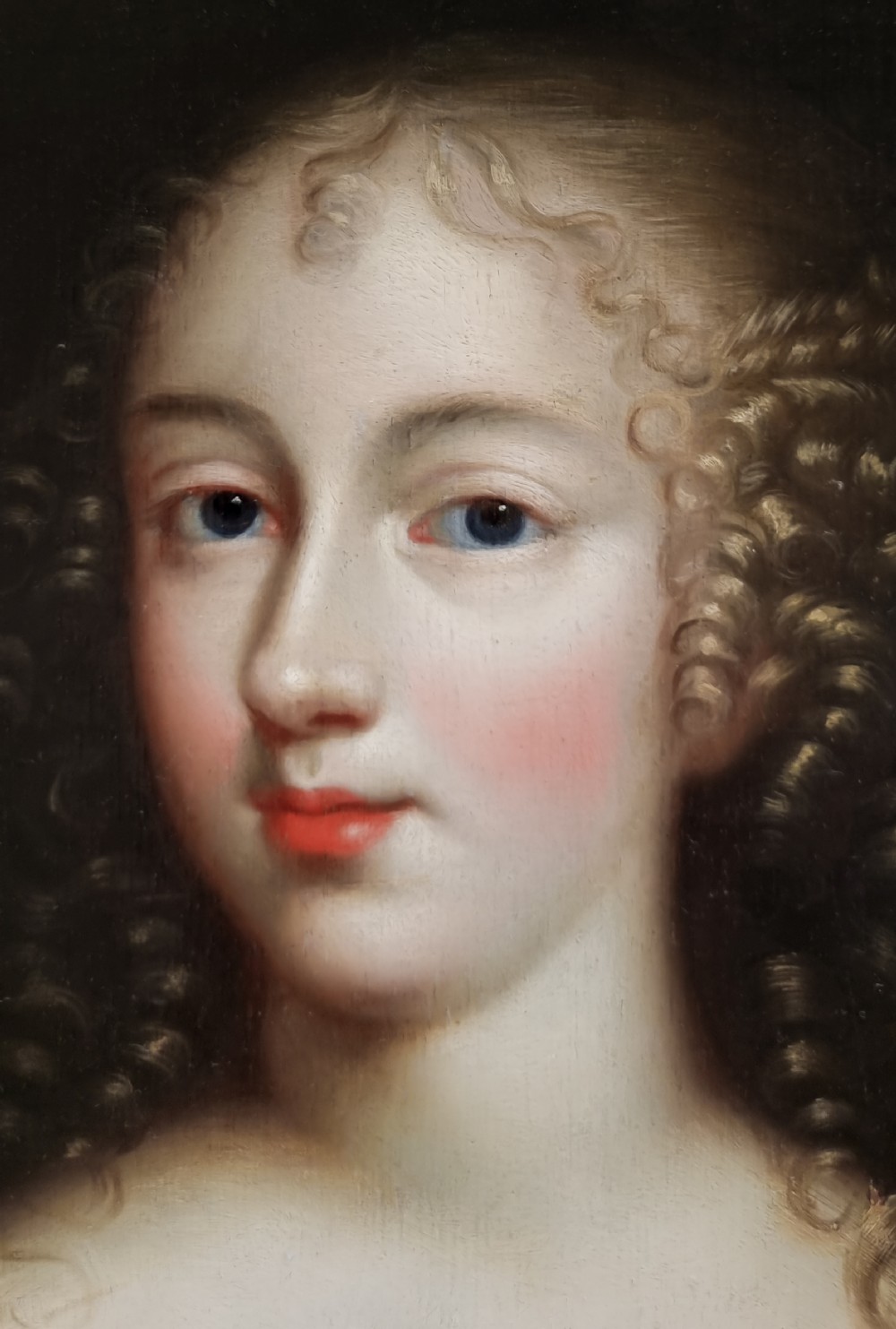
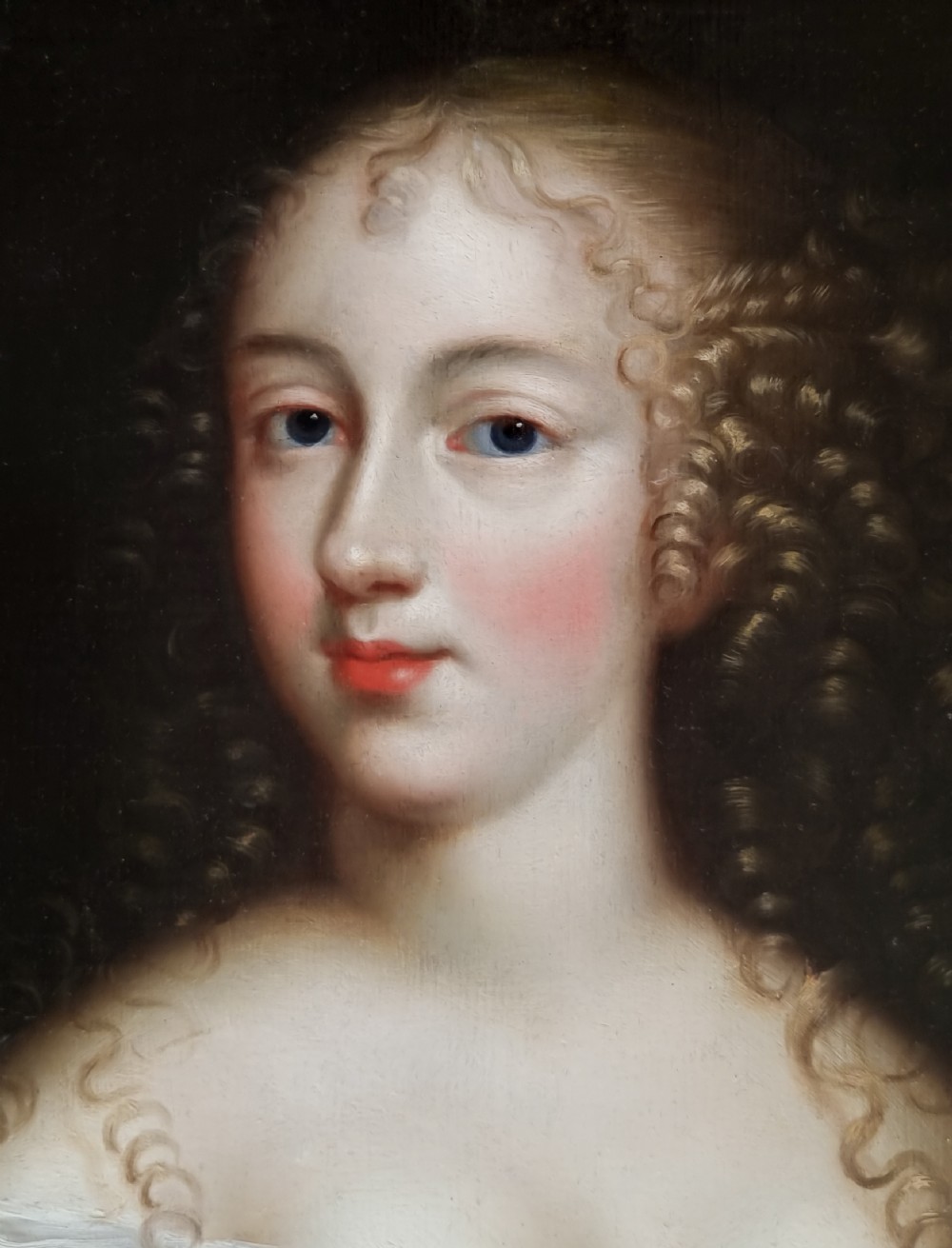
Philadelphia belonged to the established Sussex gentry. The Parkers of Ratton were a family of standing, and her father’s baronetcy, created in 1674, placed the family firmly within the Restoration hierarchy. Her later marriage to Stephen Piper connected her to a military and county family associated with Essex, particularly Ashen. Piper’s career links the couple to the turbulent politics of late Stuart England, spanning the reign of James II, the Glorious Revolution, and the military world of William III and Queen Anne.

fig 3. A seventeenth-century Baroque oil painting on wood panel depicting a portrait of a woman in a red gown inside an elaborate gilded frame.
fig 3. Portrait of Philadelphia Parker, Later Mrs Stephen Piper C.1690; Follower of Pierre Mignard (1612-1695), Oil on Panel Painting

Philadelphia survived her husband, who died in 1721/2 and was commemorated at Ashen. Her own will identifies her as Philadelphia Piper, widow, living at Knightsbridge in the parish of St Margaret Westminster, and gives an unusually intimate glimpse of her later life as a genteel widow disposing of personal effects, securities, and household matters. An old label on the reverse reading “To go to Mrs Gould, Fulbeck” provides a further nineteenth-century provenance clue, linking the portrait to Fulbeck, Lincolnshire.

fig 4. A seventeenth-century Baroque oil painting on wood panel depicting a portrait of a woman in a red gown inside an elaborate gilded frame.
fig 4. Portrait of Philadelphia Parker, Later Mrs Stephen Piper C.1690; Follower of Pierre Mignard (1612-1695), Oil on Panel Painting

Combining beauty, condition, scale, French courtly elegance, and unusually strong documentary identity, this is a rare and highly engaging late seventeenth-century portrait whose sitter’s life can still be meaningfully reconstructed.

Full description at: www.titanfineart.com

Height
53cm (20.87")
Width
49cm (19.29")
Depth
7cm (2.76")
Date of Manufacture

Titan Fine Art has dated this Baroque Female Portrait Painting to the 17th Century.

Reference Numbers
Sellingantiques Ref
SA1235856
Titan Fine Art
Titan Fine Art
Sellingantiques verified Since Jul 2016

Specialist in 17th & 18thc portraits. Highly curated selection, museum-level research & pro conservation. Exceptional art, expertly vetted.

Dealer Profile

You can view the stock and full dealer information on the Titan Fine Art Profile Page
PDF SHARE
SAVE
A seventeenth-century Baroque oil painting on wood panel depicting a portrait of a woman in a red gown inside an elaborate gilded frame.
1 / 10
Archive I A seventeenth-century Baroque oil painting on wood panel depicting a portrait of a woman in a red gown inside an elaborate gilded frame.

Portrait of Philadelphia Parker, Later Mrs Stephen Piper C.1690; Follower of Pierre Mignard (1612-1695), Oil on Panel Painting
Archive II A seventeenth-century Baroque oil painting on wood panel depicting a portrait of a woman in a red gown inside an elaborate gilded frame. View II
Archive III A seventeenth-century Baroque oil painting on wood panel depicting a portrait of a woman in a red gown inside an elaborate gilded frame. View III
Archive IV A seventeenth-century Baroque oil painting on wood panel depicting a portrait of a woman in a red gown inside an elaborate gilded frame. View IV
Archive V A seventeenth-century Baroque oil painting on wood panel depicting a portrait of a woman in a red gown inside an elaborate gilded frame. View V
Archive VI A seventeenth-century Baroque oil painting on wood panel depicting a portrait of a woman in a red gown inside an elaborate gilded frame. View VI
Archive VII A seventeenth-century Baroque oil painting on wood panel depicting a portrait of a woman in a red gown inside an elaborate gilded frame. View VII
Archive VIII A seventeenth-century Baroque oil painting on wood panel depicting a portrait of a woman in a red gown inside an elaborate gilded frame. View VIII
Archive IX A seventeenth-century Baroque oil painting on wood panel depicting a portrait of a woman in a red gown inside an elaborate gilded frame. View IX
Archive X A seventeenth-century Baroque oil painting on wood panel depicting a portrait of a woman in a red gown inside an elaborate gilded frame. View X
FURTHER BROWSING

Visitors also looked at these ⇣

Enlarged Archival View
Telephone 07875 412 111
Location
London
United Kingdom
Dealer Profile Page sellingantiques.co.uk/titan
Verified Since Jul 2016
Items For Sale 20
Items Sold 401
Titan Fine Art
Titan Fine Art
Verified Since Jul 2016
View Dealer Info
Location: London, United Kingdom
Verified
Jul 2016
For Sale
20
Sold
401
A seventeenth-century Baroque oil painting on wood panel depicting a portrait of a woman in a red gown inside an elaborate gilded frame.
Portrait of Philadelphia Parker, later Mrs Stephen Piper c.1690; Follower of Pierre Mignard (1612-1695), Oil on panel Painting
Ref: SA1235856
A seventeenth-century Baroque oil painting on wood panel depicting a portrait of a woman in a red gown inside an elaborate gilded frame.
Detail View 1
Detail View 2
Detail View 3
Detail View 4
Detail View 5
Detail View 6
Detail View 7
Detail View 8
Detail View 9
Archival Detail
Every single antique dealer on our platform is individually approved by our internal team. We verify their professional trade history, ethical standards, and photographic quality to ensure a secure, high-standard buying environment. Upon joining, every dealer agrees to a strict 9-point code of conduct. While issues can occasionally arise, our dealers typically resolve them swiftly and directly with the buyer. In fact, since our founding in 2002, Sellingantiques has only had to step in to help resolve an issue on roughly five occasions—a true testament to the quality of our dealers and their dedication to your happiness.
Our dealers are highly experienced in packing and shipping fragile, high-value antiques. Because you are in direct contact with the dealer, you will be able to easily go through all available shipping and insurance options together to ensure your item arrives safely.
Antiques are the ultimate green purchase. By choosing historical pieces over newly manufactured goods, you completely eliminate the carbon footprint of modern mass production while preserving exceptional, timeless craftsmanship.
Written by Sellingantiques from the dealer’s photographs and listing
  • ObjectPaintings
  • Period17th century
  • StyleBaroque
  • MaterialOil Paint, Wood Panel, Gilt Wood Frame
  • ColourGold, Red, Black
  • MotifsRinglet hairstyle, Draped red mantle, Jewelled brooch, Acanthus leaf carved frame
  • SizeH 53 cm (21 in) x W 49 cm (19 in) x D 7 cm (3 in)

Late seventeenth-century Baroque portraiture is defined by dramatic lighting contrasts, rich colour palettes, elaborate drapery, and formal compositions. Artists focused on rendering realistic skin tones, delicate fabrics, and detailed hairstyles, reflecting the wealth and social standing of the sitter.

Portraits during this period were primarily executed in oil paints on rigid wood panels or woven canvas. Pigments derived from natural minerals and organic matter were ground with linseed oil, and finished artworks were housed in hand-carved, gilded timber frames.

Authentic period artworks typically display age-appropriate craquelure across the paint layer, natural wood aging or shrinkage on panel backs, and oxidized historic varnish. Construction methods of the frame and joinery on the panel also provide indicators of era.

A period portrait serves as a strong focal point when mounted above a sideboard or console table in contemporary rooms. Placing classical framed fine art within minimalist or maximalist interiors creates a tailored contrast between historical art and modern furnishings.

Oil panel paintings require a stable environment away from direct sunlight, dampness, and heat sources to prevent wood movement and flaking paint. Dusting should be performed gently with a soft dry brush, while any restoration or varnish cleaning should be handled by a qualified conservator.
items
Add keywords to the filter
Price
£100
£250000
Era
Movements
Material
Origin
Stock Location
Freshness
Online Payments
Categories